Things to Do in Argentina - Tips and Destinations for Your Trip

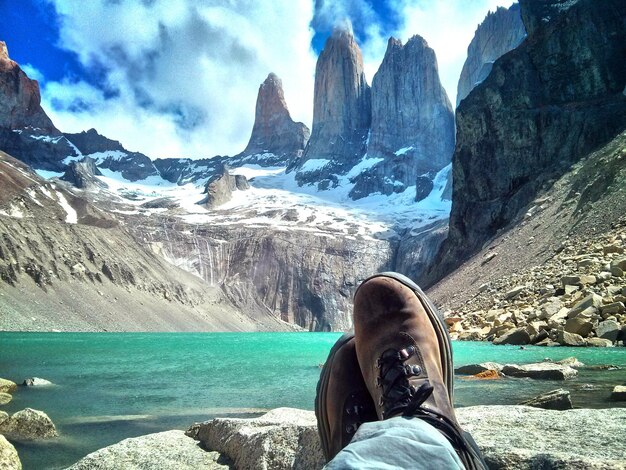
Plan a two-week circuit that centers on Buenos Aires, Iguazú, Patagonia, and Mendoza. Start with four to five days in the capital to immerse in the culture, then fly to Iguazú for two days of waterfalls and forest trails, followed by a week in Patagonia for trekking and natural scenery, and finish with three days in Mendoza for wine and cuisine. This approach keeps travel efficient and affordable, while offering a balanced mix of experiences. This itinerary feels natural for travelers who seek both urban vibe and remote scenery.
In Iguazú, walk the upper and lower circuits on the Argentine side to capture sweeping views, then add a boat ride under the spray at Garganta del Diablo. Plan to arrive early to avoid crowds; check atms in town, as some machines run low after peak hours. Local guides are practiced and friendly, and pedro, a local friend, can tailor a day that covers the natural site and nearby bird reserves.
Patagonia splits into two classic bases. El Calafate sits beside Los Glaciares National Park, with Perito Moreno Glacier offering a 1–2 hour walk along a glassy boardwalk and a boat excursion to near the ice. El Chaltén anchors day trekking routes from four to eight hours to viewpoints above Fitz Roy and Cerro Torre. Weather changes quickly, so pack layers, waterproofs, and a compact camera to capture the pristine scenery; this region rewards persistent hikers and patient wildlife sightings. The natural site is iconic for its blue ice and towering peaks.
Mendoza blends sun, Malbec, and mountain scenery. Reserve a half‑day wine tour that visits 3–4 bodegas, with tastings and a light lunch included, including a stop at a historic cellar. Bicycle routes through Maipú or Luján de Cuyo let you cycle among vineyards and olive groves, returning with a celebratory meal on a terrace. In Buenos Aires, Puerto Madero waterfront offers modern dining and a chance to watch a tango performance; this contrast highlights the country’s culture while you arrange your return flight. Look for plaques that mention madero along the waterfront to connect history with today’s vibe. If you fly back to Buenos Aires, plan a rest day to reassemble photos and notes, and leave with a clear plan for your favorite moments.
Practical tips keep you on track: carry a small map and a portable charger, care for personal belongings in markets, and confirm domestic flights a day ahead. Argentina’s regional pace is welcoming and budget‑friendly, with strong hostels and mid‑range hotels that keep you comfortable without breaking the bank. For first‑timers, anchor your plan in one city and expand to nearby natural sites, mixing sites, culture, and conversations with locals to leave with memorable moments.
Ideal Months by Region: Climate and When to Visit Argentina
October offers pleasant, comfortable weather across most regions, letting you balance city life with outdoor exploration. This page lets you map a regional calendar so you can plan a trip that includes Misiones forests, Mendoza’s olive groves, and Patagonia’s peaks without rushing. If you must choose one month, start with October for broad appeal and manageable crowds.
Regions in the North and West
In Salta and Jujuy, September–November and March–May deliver mild days around 20–25°C with cool mornings and a dry air profile. The chance of rain is low, ideal for viewpoints and canyon walks; you’ll spend countless hours exploring quebradas and altiplano towns while staying comfortable. For the western half of the circuit, Mendoza and San Juan offer sunny days from October through April, perfect for winery visits, olive groves, and architecture-filled towns. Even during shoulder seasons, the evenings remain pleasant, so you can enjoy empanadas served warm and a glass of Malbec after a day outdoors.
Oldest colonial towns, stone arches, and colorful markets line the route, and the Puente bridges on the river paths connect neighborhoods where performers and street musicians appear after reading what travelers asked in the plaza. If you travel alone or with friends, you’ll find friendly locals who can point you to safe walks and reliable bus connections, with insurance covering the major routes just in case weather shifts before a long trek.
Regions in the South and East
Patagonia shines from November to March, when daylight stretches and temperatures hover around 5–20°C in the steppe and fjords. Late spring and summer bring clearer skies for glaciers, forests, and coastal trails; in contrast, October and April offer milder winds and quieter itineraries for those who plan ahead, counting countless outdoor hours with fewer crowds. Patagonian towns wrap up the day with warm fires and stories about the oldest expeditions, and the presence of performers in some towns adds a traveler-friendly vibe you’ll remember.
Across the Pampas and Buenos Aires, September–November and March–May deliver comfortable, cafe-friendly weather with daytime temperatures around 15–24°C. Buenos Aires' architecture, grand boulevards, and river Puente area hum with life; evenings invite a drink at a cafe, a chat with locals, and a stroll with a view of the puentes. If you’re planning a winery or a river cruise, add travel insurance and reserve a day to wander markets, sample empanadas, and watch street performers around the central plazas. Theres always time to check out old cathedrals and museums, and you’ll find plenty of green parks to rest in between the next postcard-worthy walk.
Patagonia Weather: Seasonal Patterns and Packing Tips
Pack a base garment, a mid-weight layer, and an outer shell to adjust to Patagonian weather on the go. A compact, multi-piece kit keeps you ready for strong winds and sudden rain spells between towns and along passes.
Spring (Sept–Nov) and autumn (Mar–May) bring variable winds and wet spells. Daytime highs range from 10 to 18 C (50–65 F); nights fall to 0–10 C (32–50 F). Coastal sites see stronger gusts; interior zones can shift from sun to cloud in minutes. Always have a hooded shell accessible in the day.
The warmest period, roughly January and February, offers longer daylight and milder afternoons, typically 15–23 C (60–75 F), with evenings staying cool. Winds can still cut perceived temperature, so keep a light fleece and a dry shell in your daypack.
Winter brings snow on high passes and night-time readings below freezing in many valleys. Daytime temps around 5–10 C (40–50 F) near sea level, but wind chill makes it feel colder; carry a warm beanie and insulated gloves.
Practical packing: choose a waterproof shell with a breathable membrane, pack two pairs of socks (wool or synthetic), sturdy waterproof boots, and a compact hat. For day trips, carry a small dry bag for electronics and a light snack or two. In Argentine towns you can find gear and repair services if needed, so plan to buy or swap gear locally if you require.
Seasonal Quick Guides
Spring and autumn: winds and rain are common; wear a windproof shell and carry extra base garments for day trips and night stays.
The warmest months: long days and mild afternoons, yet mornings and evenings stay cool; keep a light fleece and a dry shell handy.
Winter: snow on high passes and cold nights; adjust plans for shorter hikes and bring warm accessories like a beanie and gloves; waterproof boots help in damp valleys.
Iguazu Falls: Best Viewing Points and How to Plan Your Visit
Arrive before opening at Garganta del Diablo to catch the first light and harvest a pristine view, then purchase a park pass online or at the gate to keep transfers smooth and on schedule.
Start with the Upper Circuit for a sweeping panorama, descend to the Lower Circuit for intimate spray and closer sounds, and if conditions allow, finish with a boat or shuttle transfer toward Isla San Martín to enjoy islands and wildlife from a quieter angle.
In Puerto Iguazú you’ll find a lively mix of energy and service; a quick stroll through the sohos area gives you a sense of local craft and food before you head back to the park. Theres a real Argentine spirit in the park paths and adjacent markets, where you can connect with Argentinians and fellow travelers over snacks and regional specialties.
Best Viewing Points
| Viewing Point | Why it shines | Access & Tips | Price & Hours |
|---|---|---|---|
| Garganta del Diablo (Devil's Throat) | Impressive curtain of water; thunderous roar; rainbow in the mist | Park train from the Visitor Center to the Garganta area; wear a poncho; mornings are quieter | Price varies by season; Argentinians may see discounts; hours roughly 08:00–18:00 |
| Upper Circuit | Wide panorama over the falls and jungle canopy | Wooden walkways with gentle inclines; best light early in the day | Open daily; price varies; early access helps avoid crowds |
| Lower Circuit | Close encounter with lower cascades and intimate spray | More steps; bring a dry bag for electronics | Open daily; price varies; late-afternoon light enhances photos |
| Isla San Martín | Quiet vantage with island scenery and birds nearby | Boat transfer from the riverfront; check local schedules | Limited slots; price varies; best as part of a guided option |
Plan Your Visit
Choose a day with mild weather, wear breathable clothing, and bring a compact rain layer; plan a 6–8 hour loop to cover the main circuits plus a river option if you like water views.
Transfers from Puerto Iguazú or the airport simplify logistics, and you can purchase a combined ticket to save time. For a richer experience, add a short museum stop about the park’s history and the region’s native heritage, then sample local food and snacks in nearby markets.
Theres a strong cultural rhythm in the area: you can catch local dancers in the evenings, and then sip mate with friends in cafés. If you continue your trip, a Patagonia side trip to Chaltén offers glacier scenery in the Andes, and a stay in chacarita or other towns can pair well with a visit to the falls.
Buenos Aires: Neighborhoods, Food, and a 3-Day City Itinerary
Plan three focused days by pairing iconic barrios with mouthwatering street bites and a compact city itinerary that keeps you moving from morning to late night cafes. Follow a simple step-by-step plan to cover major sights.
Choose three core neighborhoods, among the city’s most known for their distinct feel: Palermo, San Telmo, and Recoleta. Each offers a different pulse, from casual strolls to major monuments, and a lot of hidden spots to discover.
- Palermo – a casual, design-forward hub split into Palermo Soho and Palermo Hollywood. Boasts expansive parks and wide promenades, with delightful cafes along tree-lined streets. Arriving here, you can pair a latte with a pastry, then pause at a hidden courtyard for photos. Compare vibes by wandering from Bosques de Palermo to the chic bars around Plaza Serrano and choose your next stop by mood.
- San Telmo – cobblestone lanes, antique markets, and a front-row feel of old Buenos Aires. Plaza Dorrego hosts lively stops and street tango on weekends. A casual stop at a historic cafe pairs with empanadas from a nearby vendor; keep an eye out for hidden courtyards and small galleries tucked behind façades.
- Recoleta – elegant boulevards, museums, and the famous cemetery. The area features monuments with a refined level of design, chic cafes, and terraces with city views. Front-facing plazas invite slow sips; you’ll feel a polished atmosphere that contrasts with other districts.
- Puerto Madero – the modern side along the river, where a puente spans the water and a sleek dining circuit thrives. The Atlantic breeze shapes the promenade, and the walk is ideal for a relaxed stop and photo ops. It’s perfect for balancing the day with a contemporary feel.
- La Boca – color-splashed Caminito, street art, and a major crafts-and-food scene. This side of the city offers vibrant energy that complements the others and invites detours for a quick meal or a street-performance stop.
Prices and menus often show dólar, so have some cash on hand for less formal spots and street food.
Buenos Aires food snapshot
- Empanadas: baked or fried, filled with beef, chicken, or veggie combinations; great as a quick snack or starter.
- Choripan: grilled chorizo on crusty bread with chimichurri or salsa criolla; a classic street bite.
- Milanesa and asado: staples from the grill; pair with potatoes or salad.
- Mate and café: drink mate in the morning; café con leche is the casual cafe standard.
- Dulce de leche and alfajores: creamy sweetness for a sweet finish.
- Wine: Malbec or Cab Sauv from nearby vineyards; many places offer a tasting option to compare.
When planning your days, arrive with a flexible mindset and let the city set the pace. The itinerary below arranges the highlights so you’re never stuck at a stop for long, but you still feel the local feeling and the space to linger.
- Day 1 – Palermo and surroundings
- Morning: Bosques de Palermo by bike or on foot, then the Rose Garden and Japanese Garden for a peaceful start.
- Midday: stroll through the lakeside paths to Plaza Serrano (Soho) for casual cafes and street art.
- Afternoon: wander the avenues of Palermo Hollywood for design shops and a light bite; end with a sunset coffee at a waterfront cafe.
- Day 2 – San Telmo and La Boca
- Morning: stroll San Telmo Market, explore cobblestones, antique stalls, and Plaza Dorrego.
- Midday: walk toward La Boca to see Caminito’s color blocks and catch a street performance if it appears; enjoy a grilled snack at a local parrilla.
- Afternoon: wander back toward the port area or take a brief ferry to a near point for a different perspective.
- Day 3 – Recoleta and Puerto Madero
- Morning: Recoleta Cemetery tour to view monumental mausoleums and artful sculptures; visit nearby museums for context.
- Midday: stroll the elegant avenues, then cross to Puerto Madero for a riverside lunch with Atlantic breeze.
- Afternoon: easy walk along the Puente pedestrian paths, then a final coffee at a front-row cafe before heading out.
Mendoza and Cafayate: Vineyards, Wineries, and Best Times to Tour
Book a 3-day plan: 2 days in Mendoza’s Maipú and Luján de Cuyo wine belts, then a plane to Salta and a short transfer to Cafayate for Torrontés and desert scenery.
Plan transport smartly: rent a car for flexibility or join guided tours; most bodegas offer hotel pickups, and a typical day covers 3–4 tastings with a generous lunch. In Mendoza’s center, explore the sohos area for shops and snacks, then head to Alfajor stalls and local producers after tastings. Bring cash for small purchases at shops because the price can vary, and have a ready plan to grab a bottle you love. Keep a few dólar handy for spur-of-the-moment buys, and know that most experiences are connected by well‑maintained roads.
Best Times to Tour
Visit in spring (Sept–Nov) or autumn (Mar–May) when temperatures are mild and crowds are lighter, so you can enjoy the biggest wineries without the lines. Harvest activity in Mendoza typically runs from February to April, with Cafayate’s season following a similar pattern; days are long and patios stay shaded, making tastings comfortable. If you travel during peak season, book well in advance to secure slots at the most popular ones and avoid last‑minute price spikes. The Patagonian wind reminds travelers that climate is dynamic, but Mendoza’s valley remains pleasant most days.
Beyond wine, the region offers rich Argentine flavors: grilled parrilla dinners, chimichurri, and regional snacks. Some bodegas pair tastings with light bites, and the Alfajor shops are worth a quick stop after a tasting. The experience connects well with a direct route back to the airport for a plane ride home; you’ll enjoy learning about soil, climate, and how grape selection shapes a bottle for export. Lesson: secure tastings early, rest in shaded courtyards, and hydrate between stops. Traveled paths in this region feel almost seamless, ready for your next sip and story.
Argentinian Cuisine: Dishes to Try and Where to Find Them
Reserve a seat at a traditional parrilla in Buenos Aires and order a bife de chorizo with provoleta to start, then pair it with Malbec or another local drink. Doing so immediately sets the mood for the holidays in the city, with aromas that linger after the bite.
Empanadas argentinas come with beef, chicken, or corn fillings, baked or fried, and appear hot within the hour. In mercados like Mercado de San Telmo or markets in Palermo, dough is folded by hand and served with chimichurri or a spike of green salsa; look for flaky edges and steaming pockets of flavor, and notice the detail in each fold.
Provoleta, oregano and chili flakes grilled to a smoky edge, pairs with a crusty choripan on the same grill line. The acoustics of a crowded parrilla and the theatrical smoke heighten the sensory experience, and you’ll notice locals swapping bites as a clock turns toward evening.
The asado table centers around an entire row of cuts–bife ancho, asado de tira, morcilla–shared with friends or fellow travelers. Chimichurri, roasted garlic, and grilled peppers add color with natural flavors; you’ll savor the long, social hour that follows the first plate.
Dulce de leche shines in alfajores, panqueques, and pastries; pick up a box at a bakery after a stroll, and in january heat the sweet helps cool off and provides a mellow energy.
Beyond Buenos Aires, Mendoza delivers Malbec-and-steak pairings, Córdoba showcases goat and cheeses, and Misiones offers forest-grown fruit desserts and river fish. In border towns near Uruguay, you’ll notice regional charms and shared techniques; locals telling stories about guolis stalls along the riverfront appear in unofficial articles and local blogs, offering small bites and cold drinks for a quick stop.
Practical tips: use transport to cover neighborhoods, or hire a taxi to skip transit hassles; ask the driver for street-food tips and safe routes. Times vary, but most parrillas start lunch service around the hour after noon and stay open into the late evening; if you’re sightseeing, plan a stop for a drink and a snack between museums or markets. In january holidays, crowds grow, so make a quick reservation and look for spots with seat options near the window to enjoy the view and the acoustics of the city.
Getting Around Argentina: Domestic Flights, Buses, and Rail Options
Start with a domestic flight to save time: Flybondi and Aerolineas Argentinas operate direct routes from Buenos Aires to Iguazú, Bariloche, El Calafate, and Ushuaia. Starting fares often appear in pesos and can be low if you book weeks ahead. Bring your passport and choose a seat with a view; you wont regret watching white glaciers and blue ice approach. This detailed plan will include selecting areas to visit and using a local guide to map your route. Recommendations from your guide will help you tailor the day‑by‑day schedule.
Long-distance buses provide a budget-friendly alternative that keeps you in the scenery. Choose semi-cama or cama seats, and note that distances can be vast. From Buenos Aires to Iguazú, expect about 18–20 hours on the road; to Bariloche, 22–28 hours; to Mendoza or Salta, similar ranges. Buses are served by meals, wifi, and charging ports on areas along the route. The journey lets you see farm countryside and cabildo towns between stops, and you can picture the whole trip in one seamless arc.
Rail travel remains secondary but offers memorable routes. Expect seasonal trains through white landscapes and coastal wildlife zones–penguins and other fauna along certain lines. Check schedules on local guide sites, because distances and frequencies vary. In Patagonia, a rail leg can connect with a flight to reach farthest valleys; use rail as a starting leg of a multi-stop itinerary, especially if you love expansive skies.
Plan your entry to the country and onward transport carefully. In major hubs, areas around the airport are well connected to buses and trains; consider a guide to optimize connections. For wildlife visits, coordinate flights to towns like Trelew or Puerto Madryn to see penguins, or head to glacier country for day trips. If a bag is misrouted, visit the baggage claim desk; you can file an entry or claim and sort it out quickly.
In short, mix flights for long hops, buses for scenic legs, and select rail when schedules align. This approach keeps costs in pesos, reduces fatigue, and lets you connect with Argentina’s varied landscapes–white glaciers, penguins colonies, and rustic farm towns. Starting with a detailed guide, note distances and the areas served by each transport mode, and you’ll craft a smooth itinerary that visits iconic sights without overpacking your days. If you’re travelling yourself, rely on the recommendations and stay flexible about connection times.