



 日本語
日本語  English (UK)
  Русский
  العربية
  한국어
한국어  Magyar
  Türkçe
  Español
  Čeština
  Svenska
  Português
  Ελληνικά
  Suomi
Suomi  Nederlands
  Română
  Italiano
  Français
  Polski
  Українська
  Deutsch
  简体中文
简体中文  Slovenčina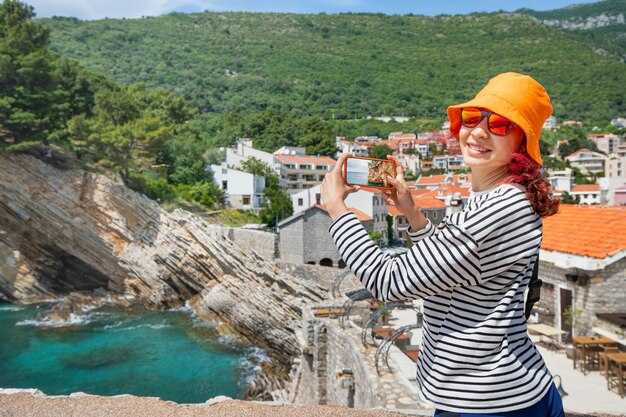

Begin your visit with a sunrise stroll through Diocletian’s Palace and the town walls, then loop toward the Riva for coffee. This straightforward plan sets the pace for a city that blends bustling waterfront energy with intimate, still, lived-in corners.
Looking for a compact, paced first day? Explore the alleys of the old town, then detour to the salona ruins on foot to feel centuries of heritage beneath your feet. Over the years Split reveals destinations that combine the seaside and urban life.
Must-see sights include Diocletian’s Palace, the Cathedral of Saint Domnius, and the bustling Riva promenade. Wander toward the marina and the telegrin arcade, where stone arches frame cafes along the quay. These destinations reveal the city’s heritage in a single stroll.
For lovers of tasting and local flavor, a morning market crawl followed by a tasting menu at a family konoba gives you a sense of Split’s heritage. Try the Dalmatian platter with fresh sardines, octopus salad, and olive oil–these specialty dishes capture years of coastal craft. The chefs lived here, know the best ingredients, and can steer you to seasonal catches near the marina and seaside spots; you’ll have felt the warmth of community in every bite.
Practical tips: stay in a central hotel or apartment to minimize transit time, then walk on foot between each destination and keep space for late-evening strolls along the sea. If you’re traveling with a partner, plan two short trips–one near the marina and another into the alleys of the old town–and you’ll feel a second wind of energy. Split’s rhythm remains bustling but approachable for first-timers.
Best Time to Visit Split: Weather, Crowds, and Budget by Season
Visit Split in late May to early June or September for the best balance of sun, manageable crowds, and reasonable spending. Outside peak season you’ll find easier access to the coast, the wall around the old town, and the alleyways where locals share delicious bites. If you had to name one highlight, it’s exploring the alleyways near the wall and tasting fresh seafood there. gregory, a local guide, says the straightforward plan is simple: choose a shoulder window, check ferry schedules, and go with the authentic pace of life there.
Shoulder Seasons: Spring and Autumn
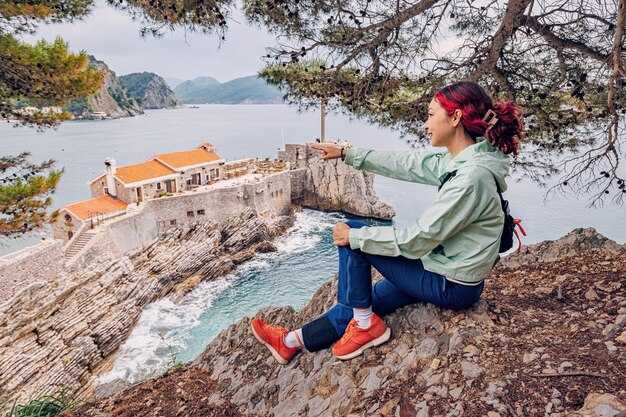
Spring (April–June) brings average highs around 18–24°C (64–75°F) and sea temperatures of 16–20°C (61–68°F), with cooler nights suitable for a light jacket. Crowds stay moderate, making it easier to explore Diocletian’s Palace, the Riva, and the coast without rushing. Spending remains friendly, with mid-range hotels often 20–40% cheaper than peak, and you’ll find delicious seafood at smaller konobas and market stalls. You’ll miss the biggest crowds but won’t miss authentic local life.
Autumn (September–October) keeps temperatures around 20–25°C (68–77°F) and sea temps near 20–22°C (68–72°F), with the busiest days fading. This period is ideal for long people-watching strolls along the coast, sunset views from the wall, and measured sightseeing of major sights without the peak-season queues. Check weekly deals on stays and day trips; many operators offer near-peak discounts, so you get more value without sacrificing atmosphere. You’ll still enjoy a deliciously fresh menu of local plates and a relaxed pace that invites a few bottle-of-wine evenings by the harbor.
Peak Summer and Budget Tips
July and August bring hot days–highs around 28–32°C (82–90°F)–with water in the 22–25°C (72–77°F) range. The biggest crowds gather in the center, at the ferry terminals, and on popular beaches. Prices rise across accommodation and dining near the coast. To keep spending in check, book at least 4–6 weeks ahead, opt for guesthouses or apartments outside the immediate Old Town, and take advantage of free or low-cost activities like strolling the coast, checking out street performances, and enjoying open-air markets. If you’re there for nightlife, you’ll still find dancing spots along the Riva without splurging on private tours. For day trips, check ferries to Brač or buses to Trogir, and plan a full afternoon with a picnic and a local wine bottle to maximize value.
Where to Stay in Split: Neighborhoods, Price Ranges, and Convenience
Start your Split stay in Bacvice for beach mornings and quick strolls to the old town; youll minimize transit, cut walking time, and enjoy a flavorful shores scene with cafes and shops along the coast.
Wondering as a tourist where to base yourself? Old Town keeps you within steps of major sights, including a Catholic cathedral and the ringing bell towers; youll be able to hop ferries to nearby islands and feel the hints of italy in the stonework and trattorias along the port.
If youre seeking a balance, Meje or the eastern harbor area offer hidden lanes, exceptional sunset views, and a chance to soak up local flavor without crowds. The western outskirts are left peaceful, though you may need a bus or walk to main attractions; the scene remains beautiful though less buzzy.
Best Neighborhoods for Value and Convenience
| 近隣 | Typical Price/Night (EUR) | Accessibility to Sights | Why It Works |
|---|---|---|---|
| Old Town / Diocletian’s Palace | 120–210 | Excellent; steps to major sights | Close to entrances, bell towers, and the Catholic cathedral; unmatched proximity to the center |
| Bacvice | 90–160 | Very good; short walk to Riva and beaches | Vibrant beach scene with shops and flavorful cafés along the shores |
| Žnjan | 60–110 | Good; tram/bus to Old Town | Long sandy beach, calmer base, strong value |
| Meje | 70–120 | Good; hillside paths to old town; quiet | Hidden corners, scenic views, easy city-center access |
| East Harbor / Portside | 80–130 | Good transport; quick ferry links to nearby islands | Convenient for island day trips and reliable connections |
Practical tips for choosing by price range and convenience
For a balanced stay, pick Bacvice during peak season for beach days and quick dinners along the shores.
Look for a unit with a balcony in Bacvice; economy options exist in Meje and Žnjan with easy transit to Old Town.
Use public transit; Split’s tram network makes Old Town reachable within minutes, and biking along the coast is pleasant in spring and autumn.
Must-See Sights in Split: Top Landmarks and How to Navigate Them
Start at the main gate of Diocletian’s Palace to set your pace and beat crowds as you begin wandering. The complex is centuries-old and unesco-listed, with cellars, courtyards, and the Peristyle that reveal layers of history. This national heritage site includes Roman foundations and later structures. The palace courtyard once hosted merchants and soldiers, giving you a sense of daily life across eras.
This unesco listing marks its distinction and national significance, making a focused route practical for first-timers.
Inside, the Cathedral of St. Domnius crowns the palace core. Climb the Bell Tower for a main panorama over the town and the waters, then step back into shaded arcades to absorb the vibe.
Stroll along the Riva, Split’s vibrant waterfront, where outdoor cafés line the quay and a relaxed vibe carries from day to night. The area feels trendy and inviting, a nice spot for photos or a quick bite.
Behind the cathedral square, citys smaller lanes lead to centuries-old courtyards that reward wandering with unique corners and nice shade.
Don’t miss the Gate at Kamenita vrata, a dramatic entry to the old town; the stone arch glows at sunset.
another option is the kamerlengo fortress in nearby Trogir; you can arrange transport for a half-day trip that contrasts Split’s maritime vibe.
Tip: getting around on foot is simplest; having a compact plan helps you cover the main sights. Plan a route that hits the main sights first, then circle toward quieter lanes to avoid backtracking and to enjoy the citys character.
To optimize your day, arrange combo tickets for the palace interiors and St. Domnius; this helps you skip lines and keep a relaxed pace around the central hub.
If you want to wander, keep to shaded lanes and small courtyards for a calmer vibe and a chance to sample snacks by the waters. This approach works for families and solo travellers alike.
One- and Two-Day Itineraries for First-Timers: Practical Plan Examples
Begin with a two-day plan centered on UNESCO Split Old Town, then mix a half-day island hop for outdoor views and dining.
Two-Day Starter Plan

- Day 1 – Morning: Explore the UNESCO-listed Split Old Town and Diocletian’s Palace; walk the Peristyle, study carved details, and climb the bell tower for city views.
- Day 1 – Lunch: dine at a modern konoba offering Dalmatian specialties; ask for a seafood pairing and a glass from a local winemaking family.
- Day 1 – Afternoon: Stroll Varoš along centuries-old streets, peek into dioramas at a small museum illustrating local traditions, and grab pastry at a bakery near the coast.
- Day 1 – Evening: Stroll the Riva for sunset, then enjoy a dining experience with a coastal specialty and a wine tasting in a harbor-side room; also check visa and etias requirements for your nationality.
- Day 2 – Morning: Take a half-day boat tour to Brac or Šolta; relax on a huge beach, swim in turquoise coves, and photograph island views.
- Day 2 – Afternoon: Return to Split, explore more palace cellars, then walk to Marjan Hill for a panoramic overlook and a final tasting of local oils and wines.
One-Day Quick Hit
- Morning: Begin in Split Old Town with the palace complex, then climb to the top of the bell tower for views and visit temple-adjacent halls.
- Afternoon: Catch a short island tour to Brac or Šolta for outdoor time and a peek at traditional winemaking and island life.
- Evening: Return for a compact dining experience in a popular konoba, sample Dalmatian specialties, and stroll the Riva to cap the day.
Getting Around Split: Walking Routes, Public Transit, and Taxis
That loop works for first-timers: Diocletian’s Palace to the Riva, then up the stairs to varoš for authentic city views and culture, followed by a waterfront dinner.
Walking Routes
From the palace to the Riva is about 0.8 km and takes roughly 12 minutes on flat pavement; a second segment heads up via a short staircase to varoš, adding 5–8 minutes and rewarding with quiet lanes and blue shutters.
Marjan hill offers a scenic option, a 2.0–3.0 km climb from the old town with a stair-heavy approach and panoramic lookouts over the harbor; plan 40–60 minutes for the ascent and ridge walk. For a portofino vibe along the coast, follow the pedestrian path toward Sustipan and the old harbour, stopping at cafés for a drink and a view.
Public Transit and Taxis
Buses connect the old town with Sustipan, Znjan, and the port area. A single ride costs around 12 HRK (about 1.6 EUR); a day pass runs roughly 25 HRK and covers multiple trips. Tickets are available via mobile app or at kiosks; validation on boarding is standard.
For quick hops, official taxi stands appear near the port and along the Riva. Short hops within the center run roughly 40–60 HRK; trips toward the port or airport can reach 100–180 HRK. If convenience matters during peak season, telegrin ride-hailing is widely used.
To broaden the itinerary, consider a day trip to Krka Waterfalls; bus or guided tours depart from Split and the drive takes about 60–90 minutes each way, with park paths suitable for a light walk.
Eating and Drinking in Split: Local Dishes, Markets, and Budget-Friendly Spots
Start with a quick bite at Peskarija, the harbor fish market, and soak up the coastal air as you stroll toward the Riva. Grab a plate of grilled sardines and a bowl of black risotto, then plan your next stop along the wall of Diocletian’s Palace where emperors once held court and today’s tourist crowds linger for sight–this area truly blends everyday hustle with coastal charm.
For unforgettable locals’ flavor, try crni rižot (black risotto with cuttlefish) and fresh “na grade” octopus salad, both delicious and true to Split’s waterfront cuisine. A small, flavorful specialty is pršut (Dalmatian cured ham) paired with creamy cheese and olives. If you want something heartier, pašticada slow-braised beef with gnocchi is a honest, satisfying option in a family-run konoba after a day of hill-climbing and hill-top views. These dishes make a solid plan for a single day of eating and sightseeing, honestly delivering the taste of croatias coastal cuisine.
Markets set the tempo. The Pazar Green Market near the city center offers fragrant olives, local honey, sun-dried tomatoes, and cheese from nearby villages. At Peskarija you can negotiate a little grab-and-go seafood snack, then carry your haul toward the nearby Riva. In the smaller stalls you’ll find seasonal fruit and herbs that pair perfectly with a quick bite from a bakery. This everyday routine gives you a feel for daily life in Split, not just its museums and monuments.
Budget-friendly spots appear around every corner. Look for classic konobas tucked behind the hill near the walls where portions are generous, prices reasonable, and the service feels like visiting a friend’s home. If you crave something fast, a bakery or fast-casual shop can supply a warm burek with cheese or potato that travels well for a seaside stroll. These little places make it easy to eat well without overspending, and they’re often the most authentic, building trust with locals through friendly chats and quick recommendations.
Plan a balanced day: start with a market stroll, then a light lunch by the water, followed by a longer meal in a konoba after you’ve checked off a few sights. Split’s museums and ancient walls sit in a compact, walkable area, so you can walk from the resting place of emperors to the hill above the harbor and back again without losing momentum. The riva promenade is ideal for a sunset drink, and you can switch to a specialty coffee or a cold beer as you finish your circuit of sightseeing and delicious bites.
Currency matters are simple in Split: most places accept cards, yet some smaller eateries and markets still prefer cash. Keep a small amount of local currency on hand for quick purchases, and you’ll be prepared whether you’re in the busy tourist zone or in a quieter side street. Croatia’s schengen status makes travel smooth, so you won’t waste time on border paperwork, and you’ll have more moments to enjoy the area, the wall’s shade, and the sound of the sea while dining.
Bottom line: this coastal city serves up value without sacrificing flavor. With smaller, family-run spots, a mix of delicious traditional dishes, and easy access to markets, Split makes every meal part of a memorable day. If you’re planning a trip, map out a route that combines a market morning, a lunch by the water, and a dinner in a konoba near the Diocletian’s Palace wall. You’ll return home glad you planned meals that felt like a true taste of croatias everyday life, not just a quick snack in a busy tourist area.
コメント