
One Day in Milan - 17 Incredible Things to Do in Milan, Italy in 2025
Begin your day with an espresso on the Duomo terrace at sunrise, an absolute moment that invites you to learn how light reshapes Milan's silhouette. From the square you can turn toward the Galleria Vittorio Emanuele II, where glass arches shelter a splendid mix of cafes and fashion storefronts. This early walk sets the days ahead for discovery.
In Brera, an array of studios and independent boutiques invites you to meet artists whose canvases color the lanes. The Pinacoteca di Brera houses masterpieces you can learn from, and the neighborhood itself itself reveals itself as a living atelier where fashion and coffee walk hand in hand, whose charm stays with you long after you leave.
Next, the fortress Castello Sforzesco sits at the edge of Parco Sempione. Climbing to the rooftop rewards you with a skyline that stretches over the city, and the inner courtyards whisper histories in stone. The on-site galleries offer experienced notes about Milan's legacy and the art that inspired generations, all framed by a stunning setting.
As afternoon yields to evening, the Navigli canals glow. You can stroll past independent shops, drop into clubs along the water, and sample cicchetti at a trattoria with a view. An experienced bartender pours a spritz while you watch boats drift by, and the scene rewards a flexible plan with a culinary bite-sized spread.
In the Quadrilatero della Moda you chase a concentrated dose of fashion, then pivot to a culinary crawl: risotto alla milanese, ossobuco, and panettone baked fresh each day. The offerings span modern bistros and classic osterie, with menus that reveal Milan's culinary roots in every bite.
If a longer stretch suits you, a quick rail hop to verona makes a perfect side trip–about an hour from Milano Centrale by high-speed train. Return in time for sunset and a final gelato near the Duomo.
Everything in this outline follows a natural order: morning light, midday culture, and canal vibes. The day offers experienced travelers concrete steps and a pace that respects both speed and immersion.
Reach Piazza del Duomo: metro, tram, or walk options for a smooth start
Take the Metro to Duomo (M1 or M3) for the fastest, most reliable start. From central hubs you’ll reach the square in 12–15 minutes, trains run every 2–4 minutes during peak hours, and a 2.00€ ticket valid 90 minutes covers metro, tram, and bus. Here is a practical plan to help you choose the best option for your distance and district. First planning steps let you move with confidence, even if you’re arriving from aubel or wandering toward mudec before heading here.
Metro option
- From Milano Centrale to Duomo: direct on M3, roughly 12–15 minutes; price about 2.00€; frequent daytime service.
- From Cadorna to Duomo: direct on M1, about 8–12 minutes; same 2.00€ ticket; use the 90-minute window for multiple hops.
- From Garibaldi FS to Duomo: direct on M3 or M1, around 6–9 minutes; door-to-door planning stays under 20 minutes with minimal stairs if you use escalators.
- Tip: consider a card or pass if you’ll ride again that day; it saves time and keeps you moving smoothly through the city.
Walking option
Walking is a scenic, distraction-free way to start your visit, especially if you’re staying in the historic districts around the Duomo. A 10–25 minute stroll from nearby streets lets you approach the square with panoramic views of the arch and the Galleria Vittorio Emanuele II, turning your beginning into a small, personal stories chapter of Milan’s century-old streets.
- From mudec area: a short tram or quick metro transfer brings you to the piazza in about 20–25 minutes, a good balance between speed and discovering new corners.
- From the Navigli or Brera districts: a direct walk can take 25–40 minutes, giving you a first impression of the city’s pace and layout.
- Trams nearby: several lines serve Corso di Porta Ticinese and Corso Magenta, dropping you within a 5–10 minute walk of the Duomo; maps at stops help you plan the exact stop and timing.
Cost and comfort guide: a single-ride ticket remains the best value for a one-off start at around 2.00€; the 24-hour pass (about 7.00€) suits a day of exploration. This connection to the heart of the city is a treasure for travelers, a genuine connection to the area’s rhythm and history, and a huge step toward a smooth, adventurous day in Milan. The best route depends on your location, pace, and how much you want to see on the way–whether you choose the high-speed certainty of the metro, the scenic charm of a tram ride, or a relaxed walk that lets you savor the first impression of the city.
Ticketing for the Milan Cathedral: passes, prices, and how to book
Book online in advance to secure a time slot for the Milan Cathedral's interior and terraces. Online tickets reduce queue times, and you can plan around sunset when the city reveals its best skyline. youll have a clear entry window within your day and avoid the crowds.
Choose from three practical options that fit how you travel: Cathedral interior, Cathedral + Terraces, and the Duomo Pass. These solutions are offered by the official site and trusted partners, with advance purchases ensuring you can cross the piazza smoothly. The architectural complex around the cathedral blends medieval echoes with renaissance touches, turning each visit into a treasure for every citizen and visitor. You can see countless views of the skyline from the terraces, then wander toward mudec for seeing more examples of modern and contemporary art.
| Pass | What’s included | Price (EUR) | Best for |
|---|---|---|---|
| Cathedral Interior | Cathedral interior access only, no terraces | 5 | Short visit, budget |
| Cathedral + Terraces | Interior access + rooftop terraces, sunset views | 15 | First-time visitors |
| Duomo Pass | Interior, Terraces, Archaeological Area, and additional spaces | 24 | Best overall value |
Booking steps provide quick solutions: visit the official site or trusted partners, select your pass, pick a date and time, enter personal details, pay, and download the e-ticket. Youll receive confirmation instantly and can store the ticket on your device. Arrive 15 minutes before your timeslot for security checks, and carry a valid ID for verification.
Tips to maximize your time: plan a breve cross from the cathedral to nearby food places or a small villa tour in the renaissance districts, then return to continue your day. If you have time, extend the day to Verona for a day trip, or combine this with a lakeside walk along a nearby lake path. Within the Milan area, the Duomo complex sits among bridges, busy streets, and fields of activity that citizens and visitors enjoy alike. The bell towers, ornate arches, and personal touches in the interior create a very memorable experience you can share with companions, friends, and family. This is a rare opportunity to see a cathedral that became a symbol of Milan’s past and present, a true treasure of architectural craft and historical layers.
What to see inside the Duomo: key chapels, sculptures, and stained glass
Walk straight from the main door into the vast nave; heres a quick interior guide for a traveler seeking highlights: the key chapels line the ambulatory, and each opens onto small altars and rich details. If you need a quick bite, italian salami from a nearby vendor can satisfy a short break, then you’re back to the art.
Key chapels cluster around the transept. In these spaces you’ll find paintings by italian masters, gilded frames, and lots of carved altars along lined niches. Their quiet devotion is more accessible than the grand exterior suggests, and better lighting lets you study brushwork without hurry.
Along the nave and in the chapels, a huge array of sculptures–saints and angels–stands guard. They come from Lombard workshops and later restorations, many polished to a high glow. A close look reveals how lines and drapery animate stone. one sculpture comes with its own story.
The stained-glass windows form an array of color across the clerestory and apse. Some panes preserve medieval motifs, others reflect late-19th-century revival that leans toward modernity. In the snow-light of morning, the colors feel almost tactile as you walk the space.
To maximize time, walk straight from the entry to the ambulatory, then explore the chapels in order. A mid-range plan keeps you within the highlights without rushing. Wear easy shoes; the floors are lined with stone that can be slick when crowded. If you arrive by flixbus, milans center is well connected and easy to reach on foot to the cathedral district.
Afterwards, visit the adjacent museo for context on production and restoration of the interior. The exhibits mention artisans from lodi and rocca who contributed to the craft over centuries. A quick stroll across the riva and into a nearby village atmosphere adds a welcome contrast to the stone. The experience here rewards a thoughtful look rather than a hurried pass, and you’ll miss nothing if you take your time.
Last, indulge in the sense of scale: the Duomo’s huge interior rewards a patient, focused walk and attention to the painting, sculpture, and glass. The space feels alive through its array of details, and milans welcomes you to linger a while longer with a gentle, italian rhythm.
Milan Cathedral rooftop: access details, timings, and photo opportunities
Book online in advance and arrive by 8:50 to reach the lift queue before 9:00 opens. This timing helps you start with cool morning light and less crowd.
The terrace is reached from the cathedral interior on the south side via two options: a lift or the stairs. The elevator reaches the upper platform and is accessible, while the stairs offer a short climb for those who can manage it. On the terraces, follow the marked paths to the main viewing points, including spots near the bell and the towers.
Timings: opens 9:00 and closes around 19:00; last entry to the terraces is 18:40; lifts stop a few minutes earlier. In winter, hours may be shorter. For updates, check the official site or newsletter; weather and Mass schedules can affect access. You should verify the current schedule if you plan a precise time.
Photo opportunities and tips: from the terraces you get unmissable views of Piazza del Duomo, the Galleria, and the skyline, with cross motifs and the towers framing the scene. Early light provides warm tones, while late afternoon gives cooler shadows. Use a compact camera or phone with a wide-angle lens; tripod use is not allowed on the roof. Notice the copper detailing and the marks on the marble, and look for romagna tones in the stone. Plants along the parapets add scale. Throughout the day, the context of Milan unfolds from this height. If you want to learn more, beatrice at the information desk can point you to accessible routes and the best photo angles. You should subscribe to the official newsletter for updates on openings and new collections. After the roof, a short stroll to a nearby restaurant or a visit to a local fabbrica or charterhouse can round out the day. In moments of silence, you’ll hear distant violin music from street performers below, which makes the experience feel calmer and more unmissable.
Nearby highlights within easy reach: Galleria Vittorio Emanuele II and related sights
Start your journey with a morning stroll through Galleria Vittorio Emanuele II, then cross to the Duomo terrace for a panoramic city view. This stay here concentrates Milan’s essentials in one walk, with the stones underfoot and the glass above creating a striking contrast.
The Galleria is a jewel of design, and its adjacent icons usually within reach on foot. A short pair of blocks brings you to the royal overlook of the Duomo, to La Scala, and to the Royal Palace with its gardens. For a deeper cultural pulse, check a recensione from local designers and swing by Brera’s studios for unique pieces. The streets buzz with life, and the whole route feels safe and inviting today.
Walkable highlights around the Galleria
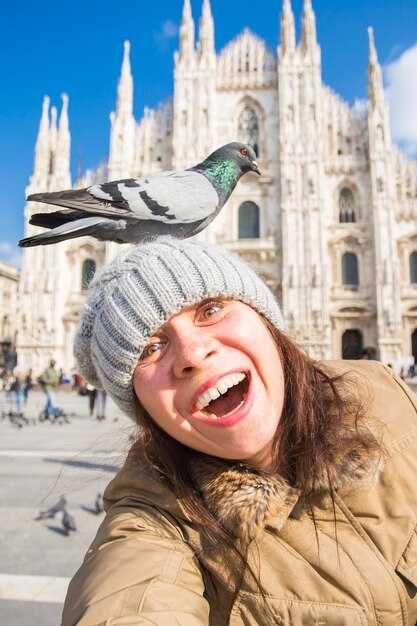
- Duomo di Milano and rooftop access: tickets online, plan 60–90 minutes, and savor the city from above.
- La Scala Theatre and Museum: guided tours and occasional tickets included with city passes; check schedules here.
- Royal Palace and Piazza della Scala: easy access from here, with evolving exhibitions and architectural details.
- Brera district and Pinacoteca: designer studios, galleries, and cozy cafés to rest and refuel.
- Castello Sforzesco and Parco Sempione: a protected green corridor for a relaxed stroll alongside fountains and sculptures.
Plan your stay and tickets
- Consider a Lombardia-wide pass or combined tickets to save time; many options include access to multiple sights.
- Usually, Milan sights operate daily, but some tours run onlymonday; confirm times and book ahead to avoid gaps in your plan.
- For a longer journey, pair the city highlights with a day trip to sonderio in lombardia for alpine scenery and, in winter, snowshoeing.
- Ask a local guide named pietro to tailor an itinerary that fits your pace and interests.
- Stay here in the center to minimize transit costs and maximize holiday time, with easy access to cafés, markets, and sunset views.
Practical tips for the visit: opening hours, dress code, security, and crowds
Opening hours and admissions
Book timed admission online for major sites to skip lines. Most sights open 08:30–19:00; last entry typically 18:00–18:30, with rooftop platforms sometimes staying open later on weekends. Check official pages the day before, as holiday schedules or concerts can shift hours. If you miss a slot, target the early morning or late afternoon to wander the room in softer light and view the spires from quieter angles. Carry your ID and the digital ticket on your phone for quick verification; some venues offer reduced admission for students or seniors.
Highly consider bundles that cover multiple venues; theyre convenient and save time during exploration. Have a printed or digital copy of the plan and know which admission ticket is required for each site.
Dress code, security, and crowds
Dress for sacred spaces: shoulders and knees must be covered; a lightweight scarf helps when entering churches. Choose comfortable shoes for a long day of exploration and wander. Security checks are standard at top sites; keep bags compact and avoid large backpacks, and remember that certain areas restrict tripods or professional gear. To escape crowds, start visits at opening hours or explore quieter streets and green spaces near Brera in the late afternoon; the scene blends tradition with modernity and offers a calmer pace. If you catch a street performance, stop to enjoy the moment. For a bite after the walk, seek romagna-inspired snacks–wine and salami–at nearby stalls or cafés. For practical guidance, alessandro or maurizio offer short explorations; theyre friendly and can guide you to the sasso viewpoint and lesser-known routes. Staying in accommodation within a short walk of the center reduces transit time and helps you wander more of the city. Rely on official directions and signage to stay on safe paths.


