



 日本語
日本語  English (UK)
  Русский
  العربية
  한국어
한국어  Magyar
  Türkçe
  Español
  Čeština
  Svenska
  Português
  Ελληνικά
  Suomi
Suomi  Nederlands
  Română
  Italiano
  Français
  Polski
  Українська
  Deutsch
  简体中文
简体中文  Slovenčina
  連邦裁判所の審査後、ノーザンテリトリー州のロレラスプリングス観光許可の将来に不確実性">

Introduction to the Lorella Springs Tourism Permit Controversy
Lorella Springs Wilderness Park, a vast and pristine region in Australia’s Northern Territory, finds its tourism permit under legal scrutiny, sparking questions about the future of tourism in this remote area. The Federal Court recently heard arguments challenging the permit’s validity, raising important issues about land rights and environmental protection.
The Permit and Its Background
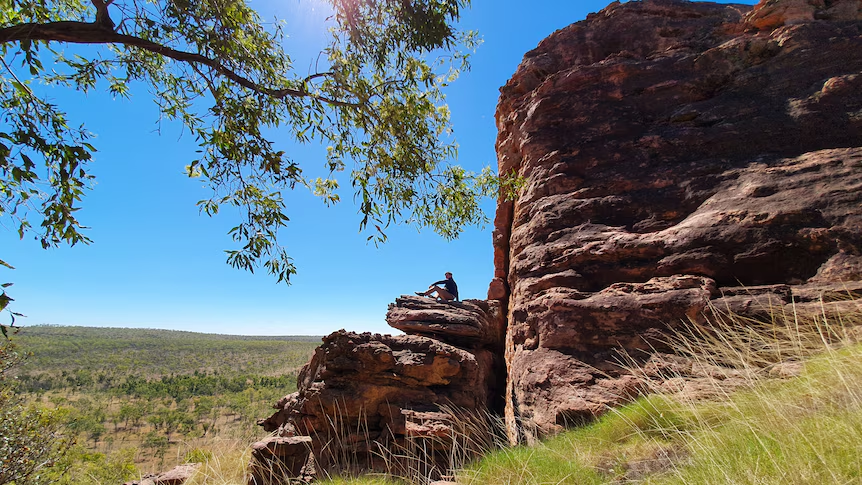
In March of this year, a tourism permit was granted covering roughly 60,000 hectares of Lorella Springs, which spans a massive 400,000 hectares of largely untouched bushland near Limmen National Park. This area features spectacular natural landmarks, including waterfalls, billabongs, and numerous culturally significant Aboriginal sites scattered throughout the wilderness.
The permit allows for tourism operations within a fraction of the property, with daily visitors historically averaging about 10,000, a number that surged during the COVID-19 pandemic.
Yet, earlier this year, the property owners announced plans to limit tourist access, citing increasing bureaucracy そして red tape as factors that had made tourism operations unsustainable, signaling growing tensions around how the land is managed and shared.
Who’s Challenging the Permit?
Traditional and native title holders representing Burdal, Murrungun Wunubari, and Mambali Walangara communities have moved to challenge the permit in court. Their argument hinges on multiple grounds asserting that the permit was issued without adequate recognition of Aboriginal rights and that it may violate existing native title laws.
The native title holders claim the Northern Territory government exceeded its authority and failed to properly account for environmental concerns そして culturally sensitive sites, such as sacred rock art and dreaming locations, which tourism activities might inadvertently expose to visitors.
Legal Arguments Presented
- Invalidity of the permit due to inconsistency with native title legislation.
- Failure to recognize Aboriginal rights to conduct traditional practices on the land.
- Neglecting the potential impact on threatened species and the environment during the permit approval process.
- Concerns about unauthorized access to campsites, burial grounds, artefacts, and rock art, and the risks that tourism might cause irreversible harm to these sensitive areas.
The Native Title representatives seek to have the permit fully quashed, emphasizing the precaution needed when permitting tourism in such culturally valued wilderness.
Defence by Northern Territory Government and Park Owners
The government’s counsel argued that the bulk of culturally significant sites lie outside the permit area, which is confined mainly to existing pastoral trails and the homestead area—covering less than 1% of the total land. Measures are reportedly planned to prevent tourists from viewing or accessing sacred sites.
The owners of Lorella Springs have engaged closely with Aboriginal Authorities and councils to address concerns and ensure protective steps are in place.
It was emphasized that the tourism permitted does not intend to highlight or promote visits to these sacred sites, distinguishing it from other tourism operations centered around cultural displays.
観光と移籍への影響
If the Federal Court revokes the permit or imposes additional restrictions, tourism dynamics in this remote region will undoubtedly shift. For visitors planning a trip to this remote area, the availability of taxi and transfer services may be impacted, underlining the importance of adaptable and transparent booking platforms.
Choosing tailored transfer services through platforms like GetTransfer.com allows travelers to pick vehicles suited for navigating remote terrains, view exact vehicle details in advance, and secure transparent pricing—ensuring a smooth, reliable journey to destinations such as Lorella Springs regardless of the evolving tourism situation.
Table: Key Points of the Legal Challenge to Tourism Permit
| アスペクト | Detail |
|---|---|
| Permit Coverage | 60,000 hectares of pristine bushland inside a 400,000-hectare property |
| Native Title Claimants | Represent Burdal, Murrungun Wunubari, Mambali Walangara holders |
| Contested Issues | Validity of permit; failure to consider Aboriginal rights and environment |
| Tourism Impacts | Risk of unauthorized access to sacred sites and cultural disturbance |
| Government Position | Majority of sacred sites outside permit area; protective measures planned |
| Next Steps | 連邦裁判所の決定は、証拠を検討した上で来年初めに予想される |
The Road Ahead
を持つ。 連邦裁判所 3日間の審理を経て、広範な証拠を慎重に評価した結果、来年初頭に重要な判決が下される見込みです。その結果は、ロレラ・スプリングスにおける観光管理の将来を左右し、文化 preservation、環境保護、遠隔地での観光事業における経済的機会のニーズのバランスをとることになります。.
旅行者と送迎サービスにとって、なぜ重要なのか
この紛争は、遠隔地や文化的にデリケートな地域での送迎およびタクシーサービスの運営における微妙な性質を浮き彫りにしています。訪問者は常に最新情報を入手しておく必要があります。地域の旅行のアクセシビリティやサービスに影響を与える可能性があるためです。GetTransfer.comのようなプラットフォームは、快適なリムジンや頑丈な座席車など、場所、料金の透明性、およびタイミングのニーズに正確に対応し、顧客が特定の車両を選択できるという点で優位性をもたらします。.
概要:リモート観光送迎における透明性と選択肢
ロレラ・スプリングス原生自然公園の観光許可訴訟は、先住民の権利と環境保護を尊重しつつ、ブッシュランド観光を管理することの複雑さを浮き彫りにしています。司法審査が進む中、この地や類似の場所への旅行を検討している旅行者は、車種、運転手の資格、料金が明確に記載された、パーソナライズされたサービスの予約が有益です。.
GetTransfer.com 従来のタクシーや送迎サービスのアグリゲーターを凌駕し、透明性と利便性の高いグローバルなプラットフォームを提供することで、送迎、旅行、さらには配達の予約を可能にしている点が際立っています。.
最も重要なのは経験
レビューや又聞きによるフィードバックは貴重な情報源となりますが、やはり実際に体験することに勝るものはありません。GetTransferでは、実績のあるプロバイダーからリーズナブルな料金で運転手付きの車をチャーターできるため、旅行者は余計な出費や予期せぬ事態に見舞われることなく、十分な情報に基づいた意思決定を行うことができます。このプラットフォームは、豊富な車種オプションと追加サービスを提供し、旅の行き先がどこであれ、柔軟に対応します。. 乗車予約 GetTransfer.com.
前向きに
現在の紛争が世界的な観光に与える影響はまだ局地的ですが、文化、環境、規制が交差する際に観光産業がいかに繊細になり得るかを改めて認識させられます。世界が進化し続ける中、常に情報を入手し、信頼できる送迎手段を選ぶことがこれまで以上に重要になっています。さあ、次の冒険を計画し、GetTransferで世界中の送迎を確保しましょう。.
コメント