
How Much to Rent a Private Jet - The Complete Rental Guide to Charter Costs, Fees, and Tips
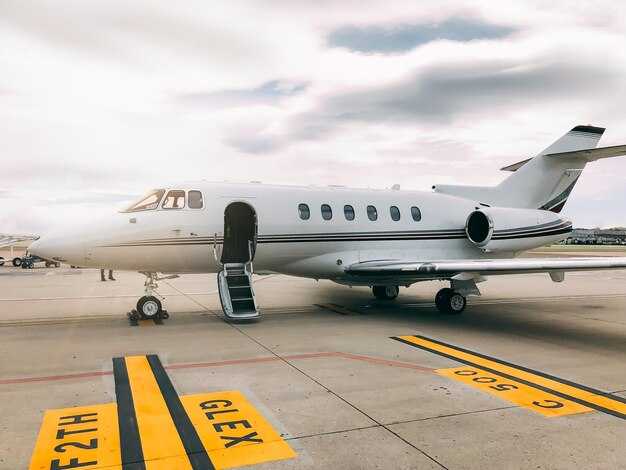
Budget for a light jet: expect roughly 2,500–4,500 dollars per hour for typical short hops. A cessna can accommodate a small group of up to six and keep the whole flight efficient. If youve got a Minneapolis departure and paulo on the calendar, this tier often delivers the best balance of value and comfort. While this option works for many trips, consider upgrades for longer legs.
Charters come in three classes: light, midsize, and large jets. Light jets are designed for short hops and quick turnarounds; they typically accommodate up to six passengers and keep the cost per head low. The cabin is often occupied by your group, which helps you stay productive while en route. Midsize aircraft extend range and luggage capacity, making them a good choice for cross-country trips while maintaining a compact cabin. Large jets deliver the most space and a higher crew count for very long legs. Many charters base fleets in hubs like minneapolis to offer convenient access and reliable arrival windows.
Fees vary beyond the base hourly rate. Some airports require additional permits or security costs. Expect surcharges for fuel, landing, handling, catering, and crew lodging when the schedule requires an overnight stay. Ground handling and overnight fees can also apply. Always request a line-by-line note that shows the base rate, surcharges, and taxes in dollars. These details matter for the final total, especially on arrival and during peak times.
Tips to save: compare quotes from several charters and ask for a fixed price that includes all mandatory fees. If youve got another small party, keep the cabin occupied to lower per-head costs. Look for round-trip pricing to cut surcharges, and watch for empty-leg options when schedules align. Some operators accept corporate cards for quicker approvals; always request a clear breakdown in dollars so you can track where every dollar goes.
When planning the trip, align your arrival window with ground transport and hotel stay to minimize wasted time. If a leg finish es late, confirm on-site arrangements with the operator. The aircraft you choose should accommodate your baggage and the number of travelers. Plan to finish your review of the quote before signing. Finish work early to maximize value. Note that prices can fluctuate with season, demand, and fuel costs, so lock in a quote when you see a good rate and avoid last-minute requests that spike the total.
How Much to Rent a Private Jet: The Complete Charter Costs, Fees, and Wi-Fi Charges
Recommendation: For most trips, choose a midsize privatejet to balance comfort and cost. For longer hops or Hawaii-bound itineraries, select a Gulfstream large-cabin charter. Specific ranges help you plan: midsize aircraft typically cost 4,000–8,000 USD per hour; large-cabin options run 8,000–15,000 USD per hour. Minimum block time is usually 2 hours, and charters are billed in fixed increments. In addition to the hourly rate, expect crew fees, fuel surcharges, landing and handling charges, catering, and overnight costs if your trip spans days. Wi-Fi charges stand separate: typical rates run 15–60 USD per hour, with day passes or bundles offered by some provider networks. Compared with commercial options, a privatejet delivers easier timing, greater convenience, and enhanced amenities, but the all-in price reflects the aircraft type, timing, and the chosen provider. For departures from boston to hawaii or amarillo, longer air time and higher fuel burn push the number higher, yet the productivity and comfort can justify the spend for a customer traveling with family or colleagues on a key trip. If you want an easy, clear answer, secure a fixed package that covers Wi-Fi, catering, and ground handling so the customer sees one all-in figure on the quote.
Key cost drivers and typical charges
- Aircraft type and cabin: midsize versus gulfstream large-cabin affect the number you’ll see on the invoice
- Minimum block time: common practice is a 2-hour minimum, with increments of 1–2 hours thereafter
- Hourly rate ranges: midsize 4,000–8,000 USD; large-cabin 8,000–15,000 USD
- Fixed fees: crew, fuel surcharge, landing and handling, overnight charges for multi-day charters
- Ground services: catering, ground transport, de-icing, and peak-day surcharges at busy airports
- Days on charter: multi-day trips add daily rates or daily minimums to the base block
- Amenities: privacy, conference setups, and onboard dining options influence price
- Routes and timing: routes such as departures from boston or amarillo emphasize fuel burn and air time
- Taxes and regulatory fees: vary by airport and country of operation
Wi-Fi options and connectivity charges
- Wi-Fi pricing: typical 15–60 USD per hour depending on bandwidth and provider package
- Day passes: some networks offer 199–299 USD for a full-day use
- Package deals: bundles may include streaming, video conferencing, and data priorities
- Provided connectivity: newer fleets may have complimentary or bundled connectivity for dedicated customers
- Amenities impact: higher-bandwidth plans support productivity for family or business meetings on long charters
How Base Rates Are Calculated: Hourly, Block Time, and Minimums
Speaking plainly: choose block time for multi-leg trips to lock in costs and simplify budgeting. For a single-leg hop, a clear hourly rate offers flexibility; block time protects against stops and delays that could push costs higher. This isnt a one-size-fits-all approach.
Clear breakdown: base rates come from three parts: hourly rate, block time, and minimums. The hourly rate covers actual flight time, and the aircraft model can play a key role in the price. The block time groups a set number of hours with the same crew and logistics, while minimums ensure staff and preflight preparation are covered even if the leg is short. The gulfstream, with its luxurious cabin, often commands higher hourly figures, especially on long legs between york, miami, and beyond.
When evaluating quotes, look for a clear statement about included items. Some operators offer all-inclusive rates, while others itemize charges for fuel, landing and handling, excise taxes, lodging, and ground transportation. In winter, rates and minimums may shift; an annual update is common for routes into cities like minneapolis and new york, so ask for current figures before committing. Speaking with a dedicated phone line or account manager helps maintain a smooth communication network and avoid miscommunication in busy hubs such as miami and new york city. A real company that specializes in commercial charter can deliver nice, predictable outcomes for both individuals and teams.
| Base rate component | What it covers | Typical ranges | Notes |
|---|---|---|---|
| Hourly rate | Flight time by aircraft model and route | Light jets: 5,000–7,000; midsize: 7,000–12,000; large jets: 10,000–20,000 | Gulfstream models often sit at the higher end; check exact model for comparison |
| Block time | Pre-arranged hours with crew and logistics | 2–6 hours typical; longer routes lock in a higher block | Recommended for multi-stop itineraries to stabilize budgeting |
| Minimums | Minimum charge to cover prep and crew readiness | Light: 2 hours; midsize: 3–4 hours; large: 4–6 hours | May apply per day or per aircraft; a requirement to secure capacity |
| All-inclusive vs itemized charges | What the base rate includes or excludes | All-inclusive options exist; otherwise fuel, landing, handling, and overnights billed separately | Ask if lodging and meals are included; verify excise taxes |
Popular routes such as minneapolis to york and york to miami illustrate how regional demand shapes the numbers. Known operators and the advanced communication network they maintain make it easier to align block time with calendar constraints, especially during winter peaks. Victor often serves as a bridge in this space, and their team can offer nice, straightforward quotes over the phone. Keep cards on file to speed confirmations and ensure the fastest turnaround in a busy market.
Hidden Fees and Surcharges: Fuel, Landing, Handling, and Taxes
Start with a line-item quote that lists fuel, landing, handling, and taxes separately; expect these four charges to add approximately 15–25% to the base rate, depending on aircraft size and itinerary; ask your operator for a breakdown, not a single lump sum.
Fuel surcharges move with crude prices and regional taxes; the источник of data you reference shapes the final figure. For longer trips, fuel typically accounts for around 8–20% of total charter cost; for short hops it sits closer to 10–15%.
Landing and handling fees are charged by the destination airport and the handling company; in busy hubs like miami, these charges can be substantial, especially during peak season; at minneapolis the same pattern appears in winter when de-icing is common. Always ask for the exact below-the-line amounts on your quote to avoid surprises.
Taxes and sovereign charges apply by country; some jurisdictions add a country-specific service tax or value-added tax on charter flights; include these in your expectations and verify with the operator; even a private jet charter can incur taxes on the passenger leg.
Baggage allowances vary by airplane type, and moved luggage may incur extra handling fees; ensure baggage is included if you expect to travel with more bags, and plan for limited baggage space on smaller jets.
Onboard beverages and light catering typically appear as add-ons; some operators include a basic beverage service, others bill per flight; staff costs cover flight attendants and cabin crew, and may be folded into the base rate or billed separately; confirm what is included before you finish the booking.
Additionally, times and scheduling can shift charges; if the itinerary has moved, expect a recalculation; request a written adjustment and a fixed-price option where available to protect your travel budget.
How to compare quotes and minimize hidden costs
Ask for a transparent, not-to-exceed quote that itemizes ground transport, airport handling, landing fees, and mandatory taxes; prefer operators that publish a surcharge schedule and provide country-specific receipts to your travel source. Include all anticipated amenities–beverages, crew meals, and preferred baggage handling–so you can finish the booking with clarity and confidence. Choose a reputable source and verify a stable country policy before committing to a charter, especially for longer journeys like a pleasure flight from miami to a distant destination or a business trip that moves across sovereign borders.
Wi-Fi on Board: Pricing, Packages, and Bandwidth Limits
Recommendation: Start with a mid-tier executive package delivering 15–25 Mbps peak and a 50–100 GB data bundle per flight to accommodate leisure and business use. On gulfstream jets, Ka-band connections can sustain this performance under clear conditions, providing excellent connectivity for most sessions.
For gulfstream and other large cabins, this level provides reliable video conferencing and streaming for up to 6–8 devices during longer legs; offset cost by selecting a data add-on rather than a higher hourly rate if the flight stays under budget. Providers apply tiered pricing by speed, data, and aircraft type, with large jets typically priced higher due to satellite footprint and antenna size.
Pricing and Packages
Leisure packages focus on cost efficiency: 5–8 Mbps with 5–15 GB per flight, priced around 15–25 per hour, suitable for messaging, maps, and light browsing.
Executive packages target the client who needs steady bandwidth for calls and streaming: 12–20 Mbps with 30–60 GB per flight, priced roughly 40–70 per hour. For groups or corporate teams, expect 20–40 Mbps and 100 GB+ data; some offers include multi-seat access and device sharing, ideal during long trips where comfort matters and reliability is excellent.
Bandwidth Limits and Usage Guidelines
Speeds depend on the satellite constellation and route; Ka-band often yields higher throughput, while Ku- and L-band options offer steady coverage with lower peaks. A practical fraction of total capacity may be reserved for critical operations, while the rest serves leisure streaming, email, and maps.
Video calls should be limited to 1–2 streams per cabin to keep latency low and avoid congestion, especially during peak times. Most providers cap video quality to 720p or 1080p unless you opt for premium, unlimited data, or longer-term contracts. If you travel with paulo or other executives, test a sample itinerary to gauge real-world performance before committing to a large group plan.
Empty Leg Flights: How to Spot Discounts and When They’re Worth It
Start with one rule: if you can travel within 24–72 hours and stay flexible on nights, you’ll usually unlock the deepest discounts. Compare pricing from at least three operators or brokers via apps, and search routes that reposition jets, such as Madrid to Atlanta, or similar corridors where demand is very light. Flying on a night leg often yields a lower price. Expect discounts of approximately 30%–60% off standard charter rates; deeper cuts occur when jets reposition in winter. Always view the full price, not just the base fare, because surcharges for crew, fuel, overnight, and airport fees can add 10%–30% more. If the quote is directly from the operator and access is clean, you’ll usually get the best value. Some older Challenger jets may offer the lowest prices with basic cabin amenities, such as shampoo; others cost more because they include premium cabin features. Winter and shoulder seasons usually bring more responsive deals as operators reposition jets; keep an eye on nights and airports with good access. The buying ability to lock in a specific cabin and timing often comes from contacting the operator directly, not just through a broker. Note that some quotes exclude certain charges until you book.
Spotting Discounts That Make Sense
Use those apps to set price alerts and check a number of legs across three or more flyers. Focus on routes that are closer to their repositioning bases; Madrid–Atlanta and similar corridors often yield the best deals in winter. Discount ranges typically fall in the 30%–60% band versus standard pricing; deeper cuts appear when the jet is moving anyway and fewer constraints exist. Always note the full charge; surcharges for crew, fuel, landing, and overnight stay can add back 10%–30%. If you see a quote directly from the operator, that tends to be more stable than broker quotes. Check cabin amenities: some shampoo and basic refreshments may be included on older airframes, while newer aircraft may carry higher fees. If you’re considering long-term use, owning a fractional share can provide predictable access and more stable pricing, rather than hopping between ad hoc empty legs.
When to Book and What to Expect
Book when the all‑in price is within your budget and the aircraft type meets your needs. A practical threshold is: if the all‑in price is within about 20–40% of a full charter for the same aircraft, it’s usually worth it; if it’s closer to 50–60%, weigh cabin comfort against savings. Favor routes with good access to reliable airports and stay flexible in case a better offer appears. Use membership programs for alerts and potential discounts on future legs, and monitor pricing frequently since it can move hourly. If you’re headed to Madrid or Atlanta, winter schedules often produce economical options, but availability can vanish quickly once a deal shows up.
Route Planning and Aircraft Type: How Distance, Time, and Size Drive Costs
Start with a long-range jet for milan to tokyo to minimize burn, shorten nights, and keep the trip quick. Lock the plans early and confirm the reservation window well in advance to avoid last-minute surcharges.
Distance drives the core cost. Each mile adds flight hours and fuel burn, and longer routes push you toward higher-capacity planes with the range to match distance without a fuel stop. When you model the trip, use calculated hours and fuel burn for the chosen aircraft to compare total costs.
Option: nonstop long-range jet with a larger cabin for comfort, or two legs via hubs to save hourly burn but add ground time. Different priorities–speed, comfort, or cost–will determine whether nonstop is worth the extra expense. Use the plan to match your mission and compare these options to determine the best path for your customer.
Cabins and comfort influence spend as well as productivity. A bigger cabin supports longer blocks of work and rest, which matters on a milan–tokyo run, but it also raises per-hour rates. If you select a smaller plane, plan for a quick fuel stop at logical hubs and keep the route with minimal disruption.
Costs break down into calculated figures: base hourly rate times flight hours, plus extras such as landing fees, overflight charges, handling, and crew hotels. For longer distances, the burn rate climbs and the total can exceed initial estimates, especially with overnight nights for the crew. Note: over charges can occur with complex routes. Always check the starter quote with a full requested plan so you know what you’re paying for.
Plans and planning: start months ahead, gather quotes, and build several options. Reserve one option to hold space, but keep flexibility to respond to weather or airspace constraints. Notice the calendar and set a clear notice period for changes to avoid penalties. Note that customer ratings (stars) apply to service marketing, not to the flight plan; plan without relying on stars–focus on data, schedules, and reliability.
Older aircraft may carry a lower hourly rate but risk maintenance delays; newer planes offer reliability and better cabins, which can shorten the actual experience. Compare older versus newer, check maintenance status, and match the aircraft to the mission. Without compromising safety, this approach helps you control long-run costs.
thats distance and size drive the cheapest path: pick the option that minimizes total burn and time, and align it with your plans, then finalize the reservation. For a route like milan to tokyo, you’ll typically choose a single long leg or a well-managed two-stop plan that keeps cabin comfort high without blowing the budget. In the end, calculate the plan against your budget and act fast so you can secure the best slots at hubs along the way.
Booking Path: Direct Charter vs. Broker–Costs, Fees, and How to Compare
Start with direct charter for the clearest line-item totals and a predictable path to confirmation; when you need breadth across models and routes, bring in a broker to compare options quickly.
Direct Charter: Costs, Fees, and What Influences the Total
- Base rate by model and route: light jets typically 3,000–4,500 per hour, midsize 5,000–8,500, heavy jets 9,000–20,000; Alaska-Hawaii pairs or long domestic legs start higher due to fuel and crew blocks, while shorter domestic hops stay on the lower end.
- Variable fees: crew, fuel, landing and handling at each airport, overflight charges, catering, de-icing, and overnight costs if the crew must stay on the road; these add 15–40% on top of the base rate depending on times and airports.
- Maintenance and age: older or higher-mileage models can raise the hourly rate but may incur more last-minute maintenance events; a centennial fleet with robust upkeep can balance price with reliability.
- Seating and cabin layout: more seats or a unique seating arrangement influence weight, fuel burn, and availability; the wrong configuration can push costs up or down.
- Route specifics: long legs like alaskahawaii or international hops add repositioning and airspace charges; domestic routes between secondary airports may incur different landing fees than primary hubs.
- Notice and flexibility: last-minute starts or rapid changes usually trigger surcharge; if you can book with advance notice, you lock in lower fees.
- What’s included: baggage handling, crew meals, and ground transportation aren’t always included; confirm what you’ll pay after the quote is made.
- Isnt a fixed number: the price isnt fixed until you sign; expect a few line items to shift if your needs change (baggage, seating, or route adjustments).
- Example route: an alaskahawaii trip with a midsize jet might start under a single‑airline block but add minutes for branch routes and a tiny surcharge for remote airports.
- Specific needs: for a group with 8–12 passengers and special baggage, request a seating plan and a baggage matrix upfront to avoid rearrangements after the order is placed.
Broker Comparison: How Fees and Platform Influence the Total
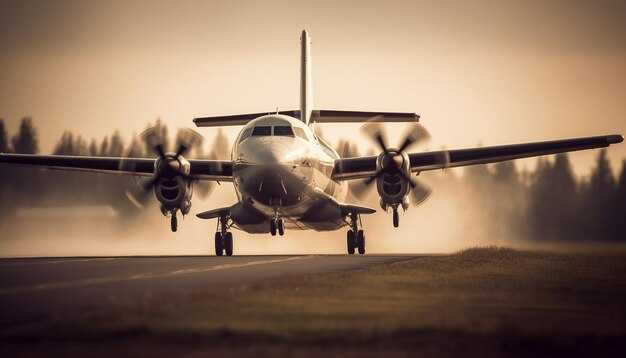
- Broker commissions: typical 5–15% of the base hourly rate, with some firms adding a fixed administrative fee; always ask for a line-item breakdown so you can see where every dollar goes.
- Model and route breadth: brokers pull quotes across multiple aircraft models and operators, helping you compare domestic options and international legs (including arrangements near Aires or Buenos Aires) in a single view.
- Transparency and detail: require a detailed quote that lists base rate, fuel, crew, landing, handling, catering, repositioning, and any broker fee; this avoids hidden charges later.
- Time leverage: brokers can show multiple start times and crew-hour packages, helping you choose a window that minimizes charges and maintains your preferred route.
- One-size-fits-all risk: there isn’t a universal solution; brokers should tailor options to your group size, luggage needs, seating preferences, and schedule constraints to keep the total suitable.
- International considerations: for legs to Aires or other foreign destinations, check currency terms, customs handling, and overflight rights; brokers can align these with your calendar and payment terms.
- Agent role: your charter agent or broker acts as a single point of contact; you’ll receive consolidated updates and a clear after-hours contact for any notice or disruption.
- Model variety and flexibility: brokers can present a mix of models to fit every scenario, from compact jets for short hops to larger cabins for long journeys; this helps you evaluate what plays best for your group.
- Operational notes: ensure the quote covers baggage allowances and any special equipment needs (golf clubs, ski equipment, or oversized items) to prevent after-flight surprises.
- Aires and beyond: when planning international legs, verify overflight charges and airport fees; brokers often surface these in the final line items to avoid last-minute dips in value.
Checklist to compare quotes efficiently: gather 3–5 options, confirm aircraft models and seating layouts, review all fees (maintenance, baggage, catering, overflight, repositioning), verify times and route flexibility, and ask for a final all-in total with any deposits required. Just ensure every line item aligns with your needs, especially if you have a specific seating arrangement or baggage plan. Notice any variation after you sign, and compare the true cost across domestic routes, alaskahawaii itineraries, and international legs to find the most suitable option for your group.
Cost-Saving Tactics: Timing, Payment Terms, and Concierge vs DIY Charter
Lock midweek windows on routes such as west-coast departures and Washington-area arrivals, and book 4–6 weeks ahead to access better options among super-midsize jets. This timing approach finishes with a more predictable cost profile and less impact from weekend surcharges. Joel, a corporate traveler, tested this by shifting a Seattle–Washington, DC trip from Friday to Tuesday; the scenario showed a smoother schedule and a tangible drop in quoted cost, even after deicing and handling fees. A focused plan that uses specific aircraft types, fuel plans, and contingency steps makes the journey more efficient and protects you from last‑minute price spikes.
Timing details drive real value: midweek travel and flexible departure times reduce repositioning needs and open access to more favorable fuel burn profiles. If you secure quotes 28–42 days out, you’ll typically see improved availability and a better computer-assisted comparison across several providers. In winter or other high-demand periods, expect deicing costs to vary by location, which can impact the total scenario for a cross-country leg. Always request a clear detail of ground handling, weather contingencies, and the exact tail number so you can track changes from the first quote to final confirmation.
Concierge vs DIY Charter
Concierge charters consolidate quotes from various operators and present a single, transparent plan, which saves time and reduces admin. This option often adds a small fee or a commission, but it pays off when you want a swift, validated selection that aligns with a specific schedule, fuel plan, and onboard service. For Washington-area or west-coast routes, a concierge approach typically yields a more stable finish, because the broker negotiates weather contingencies, deicing priorities, and catering with a single point of contact. If you value speed and risk mitigation, concierge can match your needs without forcing you to chase every detail yourself.
DIY charter–booking directly with a single provider–may lower the upfront charges and give you maximum control over selection and timing. This path works well when you have a stable, repeat itinerary and a trusted relationship with one operator. You’ll handle the detail work: verifying the exact aircraft tail, confirming the fuel plan, and managing deicing and ground services without a middleman. If you choose this route, document changes to the schedule, confirm ticket restrictions for any shared legs, and secure a clear cancellation policy before you sign.
In practice, start with a comparison of 3–4 quotes from different providers, and add a concierge quote to benchmark the trade-offs. If the best option comes from a single, flexible partner, negotiated terms–such as a deposit close to 20–30% and net terms of 30–60 days for corporate accounts–can improve liquidity without compromising readiness. The key is to understand how each route, aircraft type, and weather plan affects total impact, so you can finish the trip with confidence rather than last‑minute changes. This approach suits various itineraries and helps you tailor the selection to your exact needs, while keeping ticket and handling costs predictable, even on last‑minute changes.
When you compare, focus on the scenario you face: a long cross-country run vs a short hop, the weather window, and the required level of protection for your party. A well‑structured plan makes it easier to manage fuel, deicing, and tail‑specific needs, and it helps you avoid surprises at the gate. By aligning timing, payment terms, and concierge support, you can optimize value across the entire charter, no matter the route, while staying aligned with your travel priorities.


