
日本でタクシーはいくら?料金とチップの实用ガイド
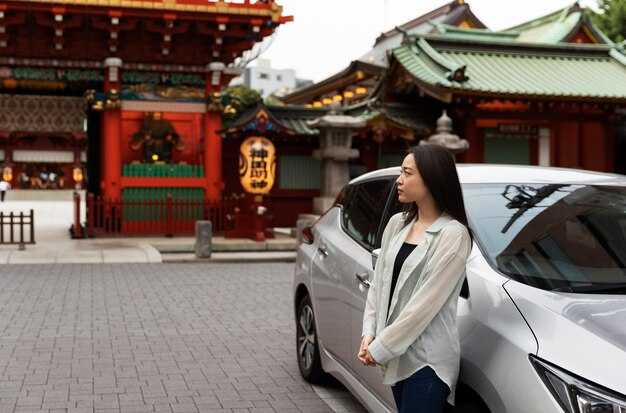
Take a metered taxi or use a ride-hailing app for predictable fares. In central 東京, the base fare starts around 410 JPY for the first 1.052 km, with distance-based charges around 80–90 JPY per 300–350 meters thereafter and a late-night surcharge of about 20%. You can easily compare rates on the operator’s site or within the app, and information is updated by major firms to reflect traffic and area changes.
First, decide between flag-down options and app-based rides. In central areas, flag-down taxis are common, but wait times vary with demand. For more predictable costs, use major apps that show distance-based estimates before you ride. You can also check fare information on the site. Some taxis offer wi-fi inside the car to help you stay connected while you travel.
東京 particularly benefits from clear pricing. Each area uses the same core structure: a short initial fare, then distance-based charges, plus possible surcharges. If you travel with luggage, plan for extra handling time at busy stations. For short hops, flag-down can be convenient; for longer trips, apps help you lock a fare and avoid surprises. Also, consider good options that cover central areas and outer neighborhoods to fit your schedule.
Airport trips in 東京 illustrate the range. From Haneda, expect roughly 5,000–6,000 JPY to central 東京; Narita trips run about 20,000–30,000 JPY depending on traffic and tolls. Some airport taxis offer fixed rates, and you can confirm these on the site or via major apps. If you’re staying in a good hotel near a central station, you may prefer rides that avoid rail transfers, as city-wide efforts to streamline airport transfers continue.
To finish, pay attention to payment options. Many major firms accept credit cards or IC cards, and you can also pay by smartphone in some cases. Tipping is not expected in Japan, but rounding up to the nearest 100 JPY is appreciated. For faster handling, have your destination written in Japanese or shown on a map to help the driver find the right street quickly.
Meter Basics: How the fare starts and grows
Know the base fare: 東京 taxis start at about 410 yen for the first 1.052 km. After that, the meter adds roughly 80–90 yen for every 237 meters or 60–90 seconds in slow traffic. Late-night surcharges push the total up by about 20% from 22:00 to 5:00, and highway tolls are added on top when you use toll roads. If you’re leaving from bustling hubs like Roppongi or Shibuya, even a short ride can climb quickly; the path the driver takes affects the final number, especially in dense streets where detours creep in. These rates are based on standard city tariffs, but expect variations in rural areas or places like Nago. For a typical 3–5 km downtown ride, expect roughly 1,000–2,000 yen; check the marquee display in the front window for confirmation. Watching the meter helps you plan, and you can cover any overages with a calm, polite request to verify the route if needed. In areas with old ruins or forested outskirts, the road layout can add distance and time, pushing the total higher than a straight-line estimate.
These factors determine how fast the meter grows: distance, time, and any tolls. When you hail a taxi, the meter starts once you sit in the front seat and the driver begins the trip. The meter increases with every 237 meters or every 60–90 seconds in traffic; in busy districts like Roppongi's marquee-lit streets, a detour for a longer path can push the fare above the baseline. If you’re getting a long ride to a rural or forested area, the cost can cover covering longer distances and occasional waiting. When planning tours or a city quest, consider whether a fixed-price option would be better; some operators offer tours with set fares to minimize surprises. If you need to stop along the way, say tomete.
Getting a quick baseline
Baseline numbers: base fare ~410 yen; increments ~80–90 yen per 237 m; late-night surcharge ~20% (22:00–5:00); highway tolls add on top; in busy routes like near Roppongi, add about 10–20% more depending on detours; for a 3–5 km ride, plan on 1,000–2,500 yen depending on traffic. Always verify the front meter; if you plan long taxi tours, compare with a fixed-price option to avoid a long road.
Tips, etiquette and practical moves
Tipping is not common in Japan; you can simply round up the fare or thank the driver. Avoid tipping; tipping is not expected. Etiquette: sit in the front when comfortable; ask for a direct route to minimize costs; use hailing in crowded areas or order via an app where available. If you’re paying with cash, have a mix of coins to handle small increments; for long rides, consider a taxi-tour with a set price to cover a specific route. This approach will help you manage costs and enjoy more seamless transfers, from Nago to central urban centers, or rural forest road connections. If you need to stop or adjust on the way, say tomete and do so politely.
City Fare Ranges: 東京, 大阪, 京都 at-a-glance
Recommendation: Budget for typical 2–5 km city rides: 東京 1,000–2,800 JPY, 大阪 1,000–2,400 JPY, 京都 1,100–2,600 JPY; 東京 tends to be higher, while 大阪 and 京都 offer similar mid-range costs, considering airport trips, nighttime surcharges, and city geometry.
Fare snapshots
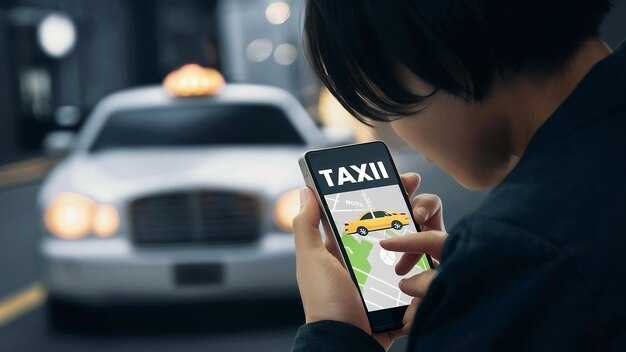
- 東京: Base fare around 410 JPY; each 237 m adds about 80–90 JPY; simple daytime trips 2–5 km usually 1,000–2,800 JPY; 5–8 km 2,000–3,800 JPY; airport trips (city center to Haneda area) typically 4,000–8,000 JPY; Narita-bound rides can exceed 12,000 JPY; nighttime surcharge around +20% from 10 PM to 5 AM; meter coverage is consistent, which comes in handy for planning and is covered by most companies.
- 大阪: Base fare around 410 JPY; increments ~80–90 JPY per 240 m; 2–5 km daytime rides 1,000–2,400 JPY; 5–8 km 2,000–3,800 JPY; Kansai Airport rides 4,000–7,000 JPY; night surcharge +20–30% after 10 PM; handling is straightforward, and transitions between neighborhoods stay predictable with the major company apps.
- 京都: Base fare around 420 JPY; increments 80–90 JPY per 260 m; 2–5 km 1,100–2,600 JPY; 5–8 km 2,100–3,800 JPY; airport trips via Itami or Kansai 6,000–9,000 JPY (Itami) or 8,000–14,000 JPY (KIX); nighttime surcharge similar; simple routes around heritage zones can be slightly higher due to winding streets, while the core pricing remains comparable.
Practical planning and tips
- Planning ahead: use app quotes to compare, since some routes have flat airport rates; this also helps you avoid overcharges during peak hours. In this article, consider checking the prices from major company apps to get the right estimate and keep your quest for budget-friendly trips on track.
- Flexibility and transitions: for a city quest, explore options by distance; some rides benefit from shared routes offered by major companies, while others are straightforward meter-based; transitions between neighborhoods can affect time and price, so look for routes that minimize backtracking for better handling.
- Parking and waiting: long stops mean extra charges; factor waiting time into your plan, especially near tourist sites.
- Where to ride: center districts have the best coverage; near stations you get faster pickups, while remote areas can take longer to locate.
- nakagusuku note: the same fare logic applies regionally, so planning in one area helps in another–even when you’re touring smaller towns.
- Next steps: if you’re exploring a city, compare prices with a couple of apps, especially for airport runs and late-night trips; looking to save money, make this a simple habit and you’ll stay within budget.
Street Hailing: 3 practical tips to catch a taxi quickly
Stand at a central, well-lit curb on a busy street and hail with a clear, steady hand to maximize your chances within the first 60 seconds.
Keep yourself visible and avoid stepping into traffic while a taxi approaches; if it slows, make eye contact and gently nod to indicate you want to hire. If the car turns (hidari) at an intersection, stay in the safe zone and wait for the turn to complete before moving closer.
Tip 1: Choose central pickup points and signal clearly. Locate a central curb near a major intersection or hotel drop-off where traffic flows and taxis pass with ample frequency. Stand with feet planted, palm open, arm extended smoothly, and face the driver as the cab nears. This reduces hesitation, especially on tours or visiting routes that draw more riders in the area.
Tip 2: Have the destination ready and use input when possible. If you can, input the address into a navigator or show a nearby landmark to the driver to avoid getting lost. For distance-based fares, confirm the expected meter behavior before starting and be aware of additional charges like tolls. Some taxis offer wi-fi; if you need it during a longer getting or adventure, ask briefly before departure. If you’re visiting heritage sites, mention the specific spots to keep the route efficient.
Tip 3: Manage fare expectations and signaling cadence. Standard fares in Japan are meter-based, so expect a distance-based rise as you move. Tick the meter by staying seated and avoid unnecessary back-and-forth; if you need to stop at a particular turn, say “turn” clearly and point to the spot. If the curb is limited or a pickup is crowded, switch to a nearby visible spot or ask a nearby driver for input on the best nearby stand. For larger groups or longer hops, consider a hire option only after confirming the rate and any additional charges.
| エリア | Typical behavior | Quick action |
|---|---|---|
| Central 東京 streets | High turnover; taxis pass frequently | Stand on a central curb, signal early, keep eye contact |
| 京都 downtown | Moderate demand, queues near stations | Use curb with good visibility; have destination ready |
| Ryukyu regions (Naha, Okinawa) | Smaller fleet, waits can be longer | Head to main thoroughfares or hotel stands; confirm fare before hiring |
Surcharges You Might Encounter: Night, tolls, rush hour
Budget an extra 20-40% for night trips, plus tolls; use an online fare estimate before you ride to avoid surprises and compare offers from different services.
Night surcharges kick in in many cities after around 22:00, adding roughly 20% to the base fare; in busy periods or on longer trips, the bump can reach 30% or more.
Tolls on expressways add costs you should plan for; a short inner-city leg may cost little extra, but a longer route to the coast or a resort area can add 300-1,500 JPY per leg, or more when highways are used.
ラッシュアワー料金は、通勤ルートの一部の時間帯に適用されます。大都市や観光の中心地では、ピーク時に基本料金に10~20%上乗せされることがあります。ほとんどの場合、このような時間帯には追加料金が適用されます。.
タクシーを呼ぶ際、料金は予約したか、流しを拾ったかで異なります。予約した場合、料金は固定または上限が設定されていることがありますが、流しを拾う場合は、混雑した地域では待ち時間が長くなったり、料金が高騰したりする可能性があります。.
豊崎や玉泉洞を含む旅行では、長距離移動や高速道路料金がかさむことがあります。アプリやオンラインショッピングプラットフォームでリアルタイムの見積もりを確認すると、乗車前に計画を立て、手頃なオプションやお得な情報を見つけるのに役立ちます。.
サーチャージを削減するための実践的なヒント
オンラインツールで概算を出し、車種を比較しましょう。夜間やラッシュ時には、可能な限り有料道路を避けた短いルートを選び、料金が予測しやすい予約サービスも検討してください。.
長旅の費用を分担するために旅の相棒を見つけましょう。定額料金や割引オファーのあるサービスを予約すると、旅行者双方で節約できます。豊崎市と玉泉洞のような都市間を移動する冒険好きな方は、事前に有料道路の料金を確認してください。.
乗車前の料金見積もり:簡単なシナリオ
乗車前に、手早く実用的な予測を立てましょう。日本の初乗り料金は、ほとんどの都市で約410円~730円です。その後、1kmごとに約80円~100円、さらに渋滞時の短い待ち時間が加算されます。地域間の移動を計画する際には、tometeでオプションを比較して、すべての見積もりを正確に調整してください。この記事では、信頼できる一般的な実行可能な数値をご紹介します。.
シナリオ 1: 中心部での短距離移動
都心部の2~3kmの移動は通常1,000円~2,000円程度です。交通量の多い場所へ移動すると、料金メーターは数百円上がります。快適に利用するために、幹線道路沿いで乗車場所を指定し、アプリでルートを確認して、車両が正しい目的地に向かっていることを確認し、乗車に備えてください。料金を予測したい場合は、特に空港送迎や深夜の乗車で、一部の地域で利用できる定額料金オプションについてお尋ねください。乗車場所では、現金またはカードをご用意ください。.
シナリオ2:空港または人口密度の低い地域への乗車
郊外や空港への移動では、距離、時間帯、有料道路料金によって2,000円~4,000円程度を見込んでください。定額料金オプションは、手頃で予測可能な価格で利用する価値があります。特に、交通量の多い場所を通るルートで時間がかかる場合に有効です。大きめの車両や有料サービスを選択した場合、料金は若干高くなりますが、荷物があってもより快適に過ごせるでしょう。計画を立てる際には、乗車場所とルートを確認し、余分な距離を最小限に抑え、標準的な車両か、より大きな車両がニーズに最適かを判断してください。arigatou
支払いとチップ:マナーと支払い方法
乗車前に、選択肢を把握し、計画をシンプルにしましょう。運賃と有料道路料金の支払いのために円を用意し、タクシー乗り場で運転手に支払い方法を確認してください。東京では、初乗り運賃は約410円からで、都心での短距離移動は2,000円以内に収まることが多いですが、空港への移動は有料道路料金と距離によって高くなることがあります。空港から南部方面や豊崎近くのホテルに向かう場合は、高速道路料金とラッシュ時の混雑を考慮して予算を立ててください。空港や主要駅には信頼できるタクシー乗り場があり、カード利用可能の表示もよく見られます。柔軟性を求めるなら、カード端末やICカードリーダーを備えたタクシー会社を選びましょう。これらのオプションは、都心を通るルートや、市内中心部近くの観光ツアーなどの観光スポットで一般的です。.
Payment methods
現金が最もシンプルな選択肢ですが、特に東京、空港のタクシー乗り場、高級タクシーでは、カードやICカードでの支払いが可能です。メーターに支払いアイコンが表示されているか、乗車前に運転手に確認してください。SuicaやPasmoなどのICカードは多くの車両で利用でき、荷物を持って移動する場合や駅間を移動する際に便利です。カードやモバイルウォレットを希望する場合は、カード端末または提携アプリのあるタクシーを選び、乗車前に支払い方法を確認して、ピーク時の遅延を避けてください。高速道路を経由するルートでは、通行料金がメーターに表示され、お客様に請求されますので、追加の円をご用意ください。一部の事業者は、運賃と通行料金が含まれた定額料金を提供しており、東京南部への旅行や、豊崎や近隣地区を観光する際には、シンプルな選択肢となります。.
Tipping etiquette
日本ではチップの習慣はありません。降車時に軽くお礼を言うだけで十分です。特別なサービスに感謝の気持ちを表したい場合は、丁寧な言葉と小さなジェスチャーでシンプルに伝えましょう。または、運転手が勧める場合に限り、降車時に円でチップを渡してください。車内やポケットに現金を置いたり、運転手につり銭を要求したりするのは避けましょう。空港送迎やプレミアムツアーでは、チップはほとんど期待されませんが、良いサービスには笑顔と優しい言葉で感謝の気持ちを伝えるのが良いでしょう。.
路上でのタクシー拾い以外の方法:アプリ、タクシースタンド、ホテルでの配車
信頼できるアプリで配車を予約して、外に出る前に料金を確定し、リアルタイムで車両を追跡しましょう。.
主要都市で検討すべきアプリには、DiDi、JapanTaxi、LINE Taxiなどがあります。これらのアプリは、料金の見積もり、運転手と車両の詳細、到着に関する最新情報を提供してくれるため、ルートを計画し、流しを拾うリスクを回避できます。通常、乗車場所を選択し、車種を確認し、アプリ経由または降車時に支払いを行います。領収書には、距離と時間が明記されています。Wi-Fiまたは強力なモバイルデータ通信を利用できる場合は、リアルタイムの最新情報が得られ、移動中の想定外の事態を減らすことができます。.
対面での手配をご希望の場合は、乗り場での乗車やホテルのサービスが具体的な選択肢となります。駅や空港の近くにある公式タクシー乗り場を探してください。標識や係員が正しい列に案内し、透明性を確保するため、通常、ガラス張りのタクシーには明確なロゴとメーターが表示されています。ホテルにご滞在の場合は、コンシェルジュがロビーでの送迎を手配し、事前に運転手の詳細を共有し、到着予定時刻を確認することで、乗客はより確実に荷物と時間を管理できます。長期の旅行やカスタムの旅程の場合、ホテルの送迎は、お客様の計画と移動を確実につなぐ架け橋となります。.
計画的なシナリオは、最適な選択肢を選ぶのに役立ちます。玉泉洞のような文化遺産やその他の文化的なスポットを探索する場合、アプリやホテルからの送迎を事前に予約することで、乗り換えを最小限に抑え、より広い距離を移動でき、道端での待ち時間を減らすことができます。日本の都市部でも小さな町でも、これらのオプションはほとんどの旅行に対応し、予測可能な料金、他の乗客のためのスペース、そして道路でタクシーを拾うよりも明確な安全上の手がかり(運転手の身元、ナンバープレート、会社名)を提供します。料金を見積もる際には、ピーク時、交通状況、荷物のニーズを考慮してください。多くの場合、予約された乗車は、道路で待つよりも信頼性が高く、安全です。.


