



 日本語
日本語  English (UK)
  Русский
  العربية
  한국어
한국어  Magyar
  Türkçe
  Español
  Čeština
  Svenska
  Português
  Ελληνικά
  Suomi
Suomi  Nederlands
  Română
  Italiano
  Français
  Polski
  Українська
  Deutsch
  简体中文
简体中文  Slovenčina
 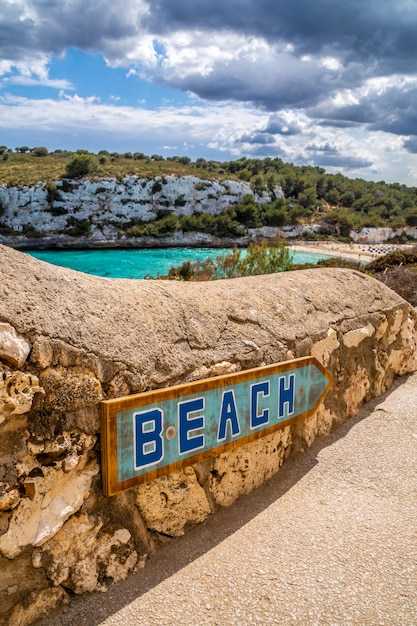 クレタ島、ギリシャ旅行ガイド – 最高のビーチ、観光スポット & 地元情報">

Start with a sunrise at エラフォニシ・ビーチ, そしてバロスへ向かい、絵葉書に映えるような景色をお楽しみください。信頼できる情報源からリアルタイムの天気予報をチェックしてください。 websites to time ferries and hikes, and book with a 地元の会社 価格表示の透明性を提供するものです。水、サンゴ礁に優しい日焼け止め、帽子、薄手のジャケットを用意し、準備を整えておきましょう。 edit クラウドが近づいて光が変わった場合の計画です。このアプローチ works カップル、家族、そして一人旅の方々にも適しており、しばしば高い評価を得ています。 4–5個の星 レビューで。
ノースコスはイラクリオ近郊に位置し、ミノア文明の傑作と言えます。宮殿の訪問と、歴史ある港や市場での散策を組み合わせることをお勧めします。ほとんどのガイドは英語を話しますが、簡単な レッスン 基本的なギリシャ語のフレーズを使うと、店主や料理人と交流することができます。もしあなたが~したいなら。 learn いくつかのフレーズをいくつか覚えたら、信頼できる情報源で短い動画を閲覧することができます。 websites。島の海岸線は、隠れた入り江や太陽の下で輝く透き通った水を提供し、博物館訪問後の水泳に最適です。思慮深い旅程計画は generate 歴史、食べ物、景色のバランスの取れた組み合わせ。
混雑の少ないビーチを楽しむには、早朝を狙うのが良いでしょう。西クレタ島では、レンタカーが最も柔軟な選択肢です。ハニアからエラフォニッシまで約60~90分のドライブ、キッサモスまで約150kmを見込んでください。人気のある戦略は、キッサモスからバロスへ短いフェリーを利用することです。ピークシーズンには、午前9時から午後5時まで船が運行しています。東部では、ローカルバスがレティムノ、イラクリオン、アギオス・ニコラオスを通りますが、スケジュールは変動するため、最新情報を確認してください。 analysis 公式の輸送サイトで計画を立て、専用の platform軽食と水を持参してください。ビーチ周辺の駐車場は午前11時頃には満杯になることが多いので、早めにご到着ください。 notice 風によって海岸がどのように変化するか;松の木陰の下で、あなたは learn 簡単な レッスン 地元の売り手から、柑橘系の果物と蜂蜜について。 participate 地元のチーズやオリーブを味わえる小さな港の市場の露店で、生産者の実践における透明性を高め、中小企業を支援します。
クレタ島のホスピタリティ works 古代遺跡と現代の快適さを結びつけ、そして島は revolutionized 訪問者が家族経営の居酒屋や許可を受けたガイドを通じて、田園生活とどのように関わっていくか。本物の味と利便性のバランスが、あらゆる予算に対応できる信頼性の高い選択肢を提供します。いつ notice 計画を調整する機会を、 edit あなたのスケジュールに、海岸沿いの居酒屋での夕日、または南海岸へのボートトリップを含めることを検討してください。最も記憶に残る経験は、些細な地元の交流と、旅行を持続可能なものにする明確な予算から生まれます。
ゾーン別ビーチ:最高のクレタ島の海岸線とアクセス方法
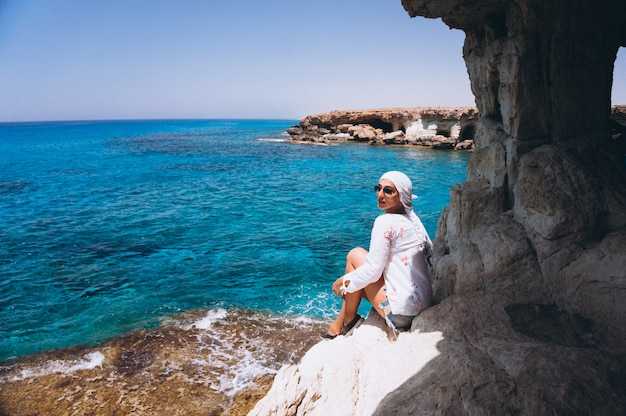
ピークシーズン(4月~10月)中は、キッサモスからのボートサービスを利用して、西地区のバロスビーチを最初の目的地として選び、象徴的なターコイズブルーの海と便利なアクセスをお楽しみください。
-
West Zone – ハニア地域
- Balos Beach – アクセス: キッサモスからの朝の船または海岸沿いのハイキング; 駐車: キッサモス港付近; 施設: ピークシーズン中の軽食スタンド、仮設トイレ; 最高の時期: 群衆を避けるために早朝; 注意: 船またはトレイルでは水と丈夫な靴を持参; 規制: 指定されたルートを守り、繁殖地を尊重してください。
- ファラスアルナ・ビーチ – 交通手段: キッサモスからの道; 駐車場: 村の道沿いにある; 設備: シャワーと居酒屋が近くにあります; 水: 穏やかな状態ではシュノーケラーに最適; 最高の時期: より穏やかな海のために5月~6月または9月; ヒント: 夕日の色は写真家を引き寄せます; 注意: 強風により、午後は波が荒くなることがあります。
- エラフォニシ・ビーチ – アクセス:キッサモスからの道;砂の小島への足場;駐車場:敷地内;設備:売店と基本的なトイレ;最適時期:5月~10月(ラグーンの暖かさのため);8月の混雑した週末に注意;注意:保護地域;掲示された指示に従い、指定された道を歩いてください。
-
セントラルゾーン - レティムノ/イラクリオ地域
- Georgioupoli Beach – アクセス: レティムノの北岸沿いにある長い砂浜; 駐車場: プロムナード沿いに十分なスペース; 設備: 近くにタベルナやシャワー; 最高の時期: 穏やかな海のため、6月後半から9月上旬; 豆知識: 一番暑い日には、村のテラスの近くに日陰を予約しましょう。
- Plakias Beach – アクセス: 南海岸道路; 駐車場: 村の駐車場; 施設: スナックバーとレンタルギア; 水: 夏は魅力的; 最高の時間: 風を避けるために日の出; 安全: フラッグの間で泳ぎ; 注意: 入り江の出口では流れが増加する可能性があります。
- Preveli Beach – アクセス: スピリへの道、その後ヤシの森と河口デルタまで短いハイキング; 駐車場: 路肩; 施設: 川の近くのタベルナ; 最高の時期: ヤシの木陰で過ごすために5月~9月; 規制: 標識された道を進む; 注意: 河川の横断とヤシの木へのアクセスは水位によって異なります; プラットフォーム: 地元のツアーがガイド付きの訪問を提供。
-
イーストゾーン – Lasithi/Heraklion地域
- Vai Palm Beach – アクセス: シティアから東へ; 駐車場: 森林入口付近; 施設: 少ない; 水: 鮮やかなターコイズブルー; 絶好の時期: 5月~9月; 注意: ヤシの森は保護されています; 標識に従い、小道に留まってください; プラットフォーム: より詳しい情報については、エコツアーが利用可能です。
- Kitroplatia Beach (Agios Nikolaos) – アクセス:中心のアギオス・ニコラオス; 駐車場:市営駐車場; 設備:シャワーと近くのカフェ; 水:穏やか; 最高の時間:早朝; ヒント:水泳の後に港沿いを散歩する。
- Malia Beach – アクセス: マリアリゾートエリア沿い; 駐車場: ビーチアクセス用駐車場; 施設: 夏季限定ライフガード; 水質: 清潔; 最高の時期: 温暖な水のために7月~8月; 規制: 指定された区域と標識された水泳エリアを尊重してください。
-
South/Eastern Remote Zone
- Loutro Beach – Access: ferry from Chora Sfakion or hike the trail; Parking: limited near chora Sfakion; Facilities: small tavernas in the cove; Best time: May–September; Tip: plan the return by boat to avoid hiking back in heat; note: only foot/boat access.
- Paleochora Beach – Access: road from Chania via Sfakia; Parking: village lots; Facilities: cafes and tavernas along the coast; Water: clear and shallow near the shore; Best time: late spring or early autumn for calmer days; Tip: combine with a ferry to Loutro for a day-by-day route.
Neuroscientific insights confirm that coastal views lower stress, supporting a focused plan: pick a single zone first, then add a second beach per day. Years of local participation shape practical notices and clear regulation on public beaches, with Blue Flag awards reflecting cleanliness and safety standards. To join conservation efforts, check your local platform for upcoming ceremonies or volunteer shifts; a brief submission form lets you register anonymously if you prefer. The purpose remains straightforward: enjoy spectacular shores while respecting property boundaries and local rules.
Iconic Sights and Smart Itineraries for a Short Stay
Start with Knossos Palace at 9:00 a.m. to beat crowds, then head to the Heraklion Archaeological Museum for a concise narrative of Minoan life. Book timed entries via the official site to save time; for families, private tours that tailor routes for kids and minors work well. A few articles about the sites can deepen understanding, and keep a link on your phone to the latest changes. There’s also a modern site with live-time updates you can save there. In september, mornings are cooler and crowds are lighter, making this core loop efficient. This plan helps managing days and lets you store the itinerary in your account for easy access offline.
Two-day starter loop: Heraklion icons and a coast-side extension
Day 1 centers on Knossos and the museum, followed by a stroll along the old harbor and a bridge view by the fortress. Look for comfortable seating (chairswelcome) at a seaside cafe, and plan breaks for kids. Use a navigation tool to track your steps and stay on time; you can edit the plan if a site is busier than expected. For lunch, try a tavern near the site, and consider private transportation for the afternoon if weather shifts. Managing expectations with a flexible schedule is key when days pack in so much.
Day 2 adds a boat excursion to Spinalonga or Elounda; live-time updates help you avoid crowds and adjust times. If you’re booking a public boat, check the departure point and bring water, sunscreen, and a shade hat for the family. Return to the capital for a sunset by the Koules Fortress, and consider staying in a family room3 option if you’re traveling with children. You can store the full plan in your account and edit on the move as plans change there.
Three-day extended plan: Chania and the west coast highlights
Extend with a morning transfer to Chania. The Venetian harbor, the Lighthouse, and narrow lanes offer photo-worthy moments and a sense of place. Include a half-day trip to a west-coast beach if conditions permit; Seitan Limania or Balos are rewarding when access is good. Hire a private guide who can tailor the visit to your interests–architecture, trade routes, or local markets–and adjust for tides and crowds. Use a single site or app to track tickets, days, and times, providing a simple bridge between planning and daily execution. If you prefer a slower pace, stay in a private rural guesthouse and savor dawn coffees before heading out to the next site. For looking to maximize a short stay, this route remains flexible for your family, and servers at seaside tavernas can suggest possible detours. Articles and tools link back to current changes in hours, and you can edit the schedule live-time to suit everyone in your party, including kids and minors.
Local Eats and Budget-Friendly Stays: Where to Dine and Sleep Like a Local
Begin with a concrete recommendation: dine at a family‑run taverna in Chania’s Old Town for dinner; prices typically 12–18 EUR per person, generous portions, and a warm welcome from locals who know the seasonal dishes by heart. This approach shows that you can eat well without overspending.
For breakfast or lunch, try bakeries near major markets for koulouri and tiropita under 5 EUR; intuitive and quick, you’ll see locals queueing. Available options are listed on local websites, but verify prices on the spot; payment processing is quick and many places accept cards. Watch the chalkboard outside–the board often lists the requested daily specials and the “today’s” price. To avoid tourist advertisements that inflate cost, trust the voices of locals and fellow travelers who point you to places using quality, locally sourced ingredients. In neighborhoods located away from the harbor, you’ll find a stronger sense of place and better value for money. When you spot a café hosting small tournaments or backgammon nights, you can participate and meet people without a premium tag. If you must choose between two spots, pick the one with visible kitchen activity and a steady stream of locals; that choice tends to be the most reliable.
Budget-friendly stays: Where to sleep like a local
Choose a pension or small guesthouse in a quiet lane rather than a polished hotel. Typical rates in shoulder season run around 25–40 EUR per night for a double; peak season often 40–65 EUR, sometimes including breakfast. Look for properties located within easy walking distance of neighborhoods where locals shop and eat, not just the main tourist streets. To keep cost predictable, book directly through the property’s own website or a local websites; where possible, this available option helps reduce processing fees and bank charges. When you book, request a room with a private bathroom and a small kitchen area if you value independence; some property owners will offer a discount if you request a longer stay and can pay a portion upfront. Check the property’s regulation and safety standards on the site and read the reviews from other guests–voices from travelers who stayed there provide valuable context. If you need to move quickly, fill a short form to request availability and a quote; many hosts reply within 24 hours. Prefer stays run by an organization or family with a long local presence, as these options tend to be reliable and always welcoming.
Getting Around Crete: Driving, Buses, and Parking Tips
Rent a compact automatic SUV with GPS for Crete. This car type handles winding inland roads and steep coastlines while keeping parking manageable in towns. Hire the vehicle through reputable platforms and verify insurance coverage before pickup.
Subject to road conditions, drive on the right and stay alert for single-lane sections. In towns, slow to 30–50 km/h and use the second gear on steep descents. Signage uses Greek accents; having a personal navigation tool helps you read names and avoid wrong turns. Providing real-time updates via your phone improves accuracy during detours.
Parking in urban centers is practical with blue zones in Heraklion, Chania, and Rethymno. Expect charges of about €0.50–€2.00 per hour and limits of 2–3 hours in busy zones. Pay by coins or a smartphone app where available, and read meters carefully. In fulvios and at lookout points, park on the outskirts and walk to sights for quicker access. This guidance aligns with lessons learned from local drivers.
For intercity trips, use the KTEL network. A typical route from Heraklion to Chania runs about 2 hours and costs roughly €12–€15; Heraklion to Rethymno takes about 1 hour 15 minutes and costs €8–€12. Local buses cover coastal towns with multiple departures daily in peak season and reduced service in winter. Book ahead on official platforms or at stations for the latest times. On thursday, some routes may run on different schedules due to works, so check in advance.
Online tools provide learning about when to travel and the capabilities of modern vehicles. A quick analysis of time and distance helps plan visits to restaurants near beaches. In accordance with official timetables, book long-distance seats ahead; local stations have personnel to help with delays. Use personal insights and a navigation tool to compare prices and check servers for live updates; this provides a great edge for planning. If you hire a car, ask for a spare wheel and basic tools. Regarding safety, keep a copy of your license and insurance with you.
| 所在地 | Parking Tip | Bus Note |
|---|---|---|
| Heraklion center | Blue zones, approx €0.50–€1.50/hour, 08:00–20:00; meters or apps; peak-season crowds can limit spots | Local buses connect to Knossos and airport; intercity to Chania about 2 h, price €12–€15 |
| Chania (Old Town) | Parking is limited in narrow streets; use outer lots; limit 2–3 h where posted | Intercity routes to Heraklion run ~2 h; departures every 2–3 h in peak season |
| Rethymno | Harbor-area lots with posted hours; consider leaving car outside the old town | Intercity to Heraklion ~1 h 15 min; price €8–€12 |
| Fulvios area | Park where permitted along road shoulders; watch signs for pedestrian zones | Local services limited; use main stations for updates |
Best Time to Visit: Weather Windows, Crowds, and What to Pack
Plan your Crete trip for late May through early June, or for September through mid-October, to balance warm days with lighter crowds. Expect daytime highs around 26–30°C in these windows, sea temperatures near 22–24°C, and only occasional showers. cristal-clear skies frame beach days and coastal walks, and the prize is a relaxed vacation without the peak-season buzz.
Weather analysis shows May–June and September–October as the strongest windows: long sunny days, gentle seas, and comfortable evenings. In May and June, daytime highs typically reach 26–29°C and sea temps run 21–24°C; in September highs rise to 28–32°C with water around 23–25°C. Meltemi winds may strengthen in July and August, pushing swimmers to earlier dips, and they ease in late autumn, creating prime conditions for hiking and village visits. anonymous tips from locals also point to these shoulder seasons as the most predictable for light crowds and steady hotel rates. This analysis helps you adjust plans into your daily schedule.
Crowds ease during the shoulder seasons, making reservations easier for popular sights and tavernas. Book hotels and restaurants well in advance, especially for weekend stays and from friday arrivals. Local support teams help with reservations and can adjust plans if a weather window shifts. Some resorts offer a discountsupplement for early reservations, which can lower total costs on longer stays. Flight production schedules peak on friday, so plan arrivals and departures accordingly. Pick those experiences you value most, from Knossos to Balos, and schedule them to avoid peak heat in the afternoon.
What to pack, and how to plan the days: pack light layers, sunscreen SPF 30+, a hat, sunglasses, a swimsuit, reef-safe sunscreen, a lightweight rain shell, and comfortable sandals. Bring a small towel or quick-dry option, and products for after-sun care. Just pack a compact kit, and keep snacks like cookies in your daypack for long outings. Carry a reusable water bottle to stay hydrated. If you’re traveling with a partner or family, coordinate reservations in advance to avoid missing slots at top restaurants and those popular beaches. From Friday through Sunday, beaches tend to fill, so plan those days with your schedule and make those reservations early to secure the best picks at your resort.
For easy sharing, create a simple content checklist of the weather windows, packing items, and reservations, and send it to your travel party. Use this quick guide to structure your plan, and keep a copy for reference on your vacation from the moment you book until you depart.
TM Forum Case: Colossyan for Rapid E-Learning Deployment
Start with a single, purpose-built Colossyan module that uses avatars and videos to train participants on Crete-specific customer service, safety, and local tips; this setup will have clear purposes for learning and rapid deployment across hotels, travel desks, and guides.
Design five short chapters (60–90 seconds each) that cover arrival experiences, room tips, excursion safety, and local accents; including scenario prompts that reflect thursday check-ins and common guest requests; thats why the structure is easy to update.
To scale, connect Colossyan to your LMS and run on a small fleet of servers; plan for a number of participants per batch (200–500) and scale by adding servers and load balancing, including a multi-region setup that can reach tens of thousands of learners.
Choose 1–2 avatar templates and keep scripts focused on the core sections; use only Colossyan for this phase to maintain quality and avoid extra softwares, without adding plugins; manage content with a bridge between your LMS and Colossyan to track progress, and ensure the rooms3 studios are assigned to each team.
Set up rooms3 as dedicated studios for different teams, and assign a managing editor to review the thursday cycle; oops moments trigger a quick fix workflow, and include clear notes on what to update next; including licensing details and commercial usage rights ensures your deployment remains compliant.
コメント