ウェイクフィールドにおけるシトー会焼物の復興:芸術の旅
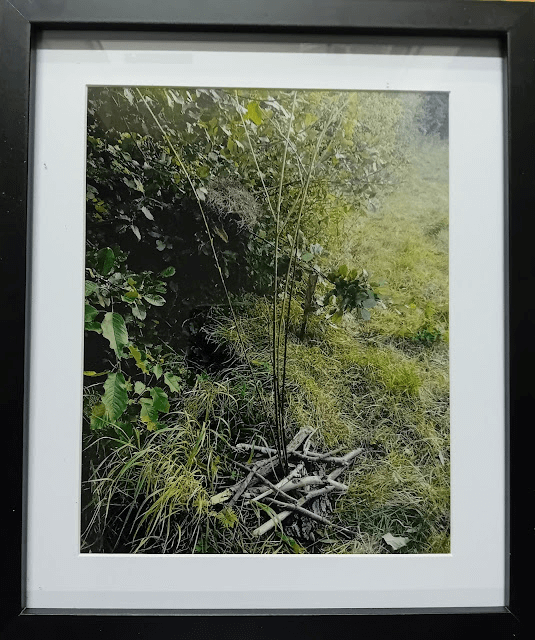
ウェイクフィールドの博物館と城
はじめに
歴史的な陶器、特にシトー派の陶器の復活を掘り下げることで、地域の文化、歴史、職人技の接点が見えてくる。陶芸家ナオミ・アデロンケの試みに光を当てることで、この探求はウェイクフィールドのような地域の未開発の文化的豊かさを示唆し、観光客やユニークな旅行体験に興味を持つ人々にとって魅力的な要素となるだろう。
シトー焼の歴史的意義
シトー会の陶器のルーツは中世のウェイクフィールドにさかのぼり、当初はレンソープの窯で生産されていた。この陶器は主にシトー修道会の修道士のために作られ、実用的であると同時に美的な目的もあった。修道院は1540年に活動を停止したが、職人技は何世紀にもわたって進化しながら存続した。1600年代になると、職人たちはこれらの陶器にカラースリップを施し、伝統的な実用性とともに鮮やかな芸術性を示すようになった。
The Artist's Connection
ナオミ・アデロンケは、オリジナルの窯の近くに住み、この遺産に縛られている。彼女の陶芸への情熱は、歴史的な技法やスタイルを再構築し、歴史と芸術を融合させる探求の原動力となっている。研究を通して、彼女は地元の遺産と共鳴し、現代の観客にふさわしい作品を作るよう努力している。
真正性の追求
アデロンケは、シトー派の陶磁器を包括的に理解するために、考古学的データや歴史的記録など、さまざまな資料に目を向けた。彼女の調査は、粘土の供給源の重要性と、陶磁器を通して地域のアイデンティティが形成されたことを浮き彫りにしている。
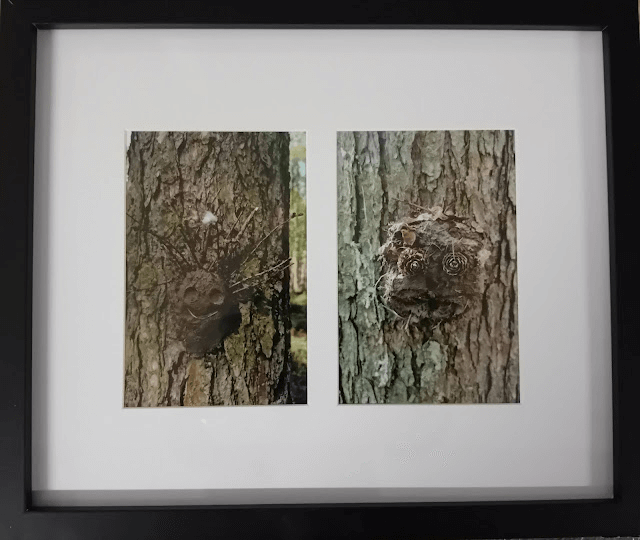
オリジナルの粘土ソースは、歴史的な職人技に文脈を与え、観光客を地元の物語につなげる。
道半ばでの挑戦
The journey hasn't been devoid of obstacles. Aderonke sought to mimic the potters' original processes from the 1500s. While she found the site for the pot ovens, reestablishing a working kiln is a task hampered by financial constraints and land availability. Another hurdle was sourcing local clay, leading to extensive outreach efforts across parks, historical sites, and land previously used for pottery. Unfortunately, most clay deposits transformed into coal mines or protected lands, which, while beneficial for wildlife, hindered her project.
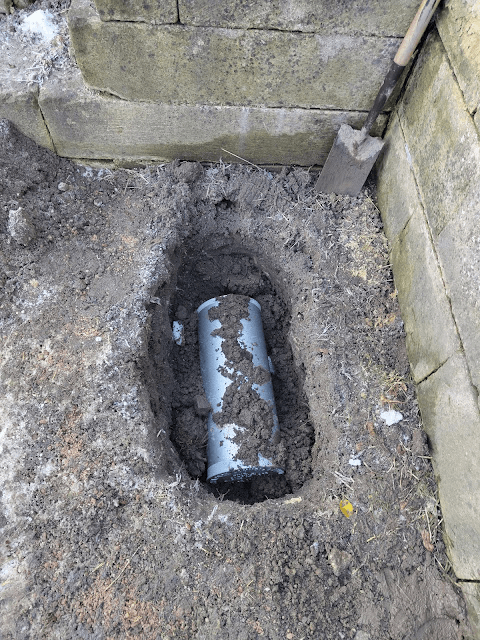
Despite setbacks, her resolve to respect local ecology and history remained paramount. Aderonke's decision to prioritize preservation over pottery underscores the broader themes of sustainability in the arts.
プロジェクト開発と実用化
知識の探求はアデロンケをウェイクフィールド博物館へと導き、そこで彼女はシトー派の陶磁器の実物を扱う貴重な機会を得た。この経験は彼女の実践的な成長を促し、歴史的な信憑性を反映した実験的な作品の制作を後押しした。
オリジナルの作品を扱うことで、クラフトマンシップへの理解が深まり、創造性が刺激される。
試行錯誤:創造のプロセス
Aderonke's journey involved numerous experiments, particularly in the production of slip glazes. Noteworthy is her exploration of red iron oxide, which informed the rich hues seen in historical pottery. Through tireless experimentation with color and texture, she developed a series of test pieces that represented both traditional and modern interpretations.
ユニークなフォームを形作る
アデロンケはミニチュアろくろを使い、歴史的なデザインを小型化した。このミニチュア・アプローチは、地元の愛好家が文化史を体現する小さな工芸品をより扱いやすい形で収集することを好むことが多いことから、重要な意味を持っている。
ミニチュア・テストポットは、芸術性と実用性を融合させたコレクターの規範として栄えている。
地域社会との関わりワークショップと教育
アデロンケは、ティグ(飲み物を取り分けるためにデザインされた、複数の取っ手が付いた歴史的に重要な器)の制作に焦点を当てたコミュニティ・ワークショップを通じて、彼女の芸術性を広げていく予定だ。このような教育的側面は、文化的慣習を保存する上での地域社会の関与の重要性を浮き彫りにしている。
As participants learn to craft their own tygs, they also gain an appreciation for local pottery history, fostering a deeper connection to Wakefield's story. Museum visitors will also note her vibrant creations adorned with designs inspired by the region, reinforcing the locality's cultural identity.
結論
Naomi Aderonke's efforts exemplify a remarkable fusion of heritage and innovation, breathing new life into Cistercian ware. Her journey not only revives a historical craft but creates a connection for visitors, illustrating how places can deeply influence artistry. In a travel context, potential tourists can enjoy uncovering these rich histories while benefiting from personalized transport options that cater to their interests. Through platforms like GetTransfer.com, travelers can easily book their rides to cultural hotspots, ensuring they don't miss out on these unique experiences.
To make the most informed decision on your journey, consider the convenience and affordability of GetTransfer, which connects you to a diverse range of vehicles and services tailored to your needs. Don't miss out on exploring local stories—GetTransfer.com 予約は簡単!