
イスタンブールの聖ポリュクトゥス教会の遺産を紐解く
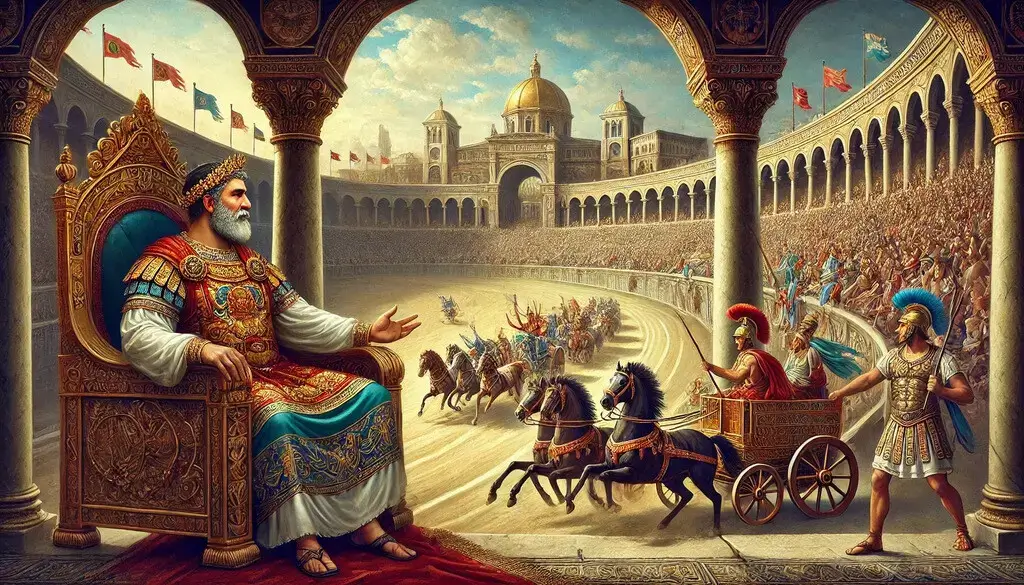
The Church of St. Polyeuctus, a remarkable testament to Byzantine history, holds a critical place in the narrative of early Christianity. Its ruins, discovered near the Valens Aqueduct in the 1960s, serve as a reminder of a vibrant era, spotlighting the church's significant heritage.
財団と歴史的背景
聖ポリュクトゥス教会の意義を理解するためには、東ローマ帝国の歴史的背景を一瞥することが不可欠である。この教会は、ローマの有力貴族たちの政治的闘争と、有力な皇帝ユスティニアヌスの台頭の中で生まれた。
旧西ローマ皇帝オリブリウスの娘アニキア・ユリアナによって建てられたこの教会は、当時のコンスタンティノープルで最も壮麗な建造物のひとつであった。キリスト教の伝統の中で崇拝されている殉教者、聖ポリュクトスに捧げられており、信仰の領域における重要性を示している。
権力の交代:コンスタンティノープルの台頭
コンスタンチノープルがローマ帝国の新たな首都に指定されたことで、新たな宗教イデオロギー、特に市民生活におけるキリスト教の重要性が増すという変遷が起こった。変革はコンスタンティヌス帝のもとで始まり、彼は行政機構の中でキリスト教をより広く受け入れるための基礎を築いた。
キリスト教が中心に
ニカイア公会議後、司教たちは大きな影響力を持つようになり、ローマ皇帝の権力を覆すこともしばしばあった。テオドシウス1世のような著名な人物は、影響力のある聖職者の前で懺悔を求め、政治的権威と宗教的権威が融合しつつあることを示した。これは、宗教指導者が統治において極めて重要な役割を果たすようになった時代の到来を告げるものであり、社会情勢に大きな変化をもたらした。
リーダーシップにおけるローマの排他性の終焉
新しい首都が栄えるにつれて、皇帝はローマ人の血筋からしか選ばれないという慣例が崩れていった。ローマ人以外の軍人の台頭により、ゼノのような人物が現れ、指導者のあり方を変え、伝統的な規範に挑戦する新しい王朝の道を準備した。
アニシア・ジュリアナの役割
As a respected member of the Roman elite, Anicia Juliana's aspirations for power were momentarily thwarted when her political aspirations didn’t materialize. After the swift ascendance of Justin I to the throne, her vision of utilizing her considerable wealth to establish a grand church became a reality, leading to the framing of St. Polyeuctus Church. This move served not only as a personal statement but also as a challenge to the growing power of Justin I and his wife, Theodora.
聖ポリュクトゥス対セルギウス・バッカス教会
The rivalry between the significant structures built during this era highlighted the political tension in the Byzantine landscape. While Anicia sought to assert her family's power through her church, Justinian and Theodora countered by constructing the Church of Sergius and Bacchus, which remains a celebrated architectural piece today, also showcasing the competition between elite families. The Little Hagia Sophia mosque stands as a reminder of this architectural lineage.
建築イノベーション
6世紀の建築界は注目すべき発展を遂げ、聖ポリュクトゥス教会はビザンチン建築における極めて重要な転換点となった。そのデザインは、それまでの伝統的なバシリカ建築とは異なる、ユニークな中央ドームを特徴としている。
バシリカからドーム教会へ
聖ポリュクトゥスの建設は、歴史的にローマの礼拝所を特徴づけてきたバシリカ様式の建物からの脱却を意味した。伝統的に長方形であったこれらの初期の教会は、より革新的な形へと移行し、後に有名なアヤ・ソフィアで頂点に達することになるドームが取り入れられるようになった。
建築的課題への対応
建築的には、聖ポリュクトゥスは、特にアヤソフィアのような既存の建造物からインスピレーションを得て、半ドームをデザインに取り入れるなど、創造性の模範となった。西暦524年から527年にかけて完成した後、さらなる発展を遂げ、ビザンチンの職人たちの建築的才能を垣間見ることができる。
悲しいことに、1204年のコンスタンチノープル略奪により、その構造的完全性は著しく損なわれ、多くの精巧な工芸品が失われた。
アニシア・ユリアナの遺産
聖ポリュクトゥス教会は、ビザンチン建築の物語の持続性を象徴している。廃墟は残っているものの、その影響は後世のビザンチン建築に反映されている。
アニキアとテオドラの対立を背景に、これらの記念碑的作品はイスタンブールの文化的景観を豊かにし、キリスト教の遺産と建築のアイデンティティを形成した。
現代の意義
Today, the remnants of St. Polyeuctus stand as a silent witness to its storied past. Currently located within Turkey's bustling Fatih district, archaeological teams are actively excavating the site, possibly yielding further insights into its history and design. Such developments evoke curiosity among visitors and history enthusiasts alike.
By engaging with Istanbul's historical fabric, travelers gain a nuanced understanding of how the Church of St. Polyeuctus reflects the interplay of political and religious dynamics of its time.
要約すると、聖ポリュクトゥス教会は、ビザンチンの歴史のタペストリーの中で、政治的な動機と建築の革新を融合させた記念碑的なものを示しています。GetTransfer.comは、これらの史跡を探索するための優れたソリューションを提供します。利用者は、車両の詳細、料金の透明性、献身的なサービスなど、パーソナライズされた送迎オプションを検索し、ユーザーフレンドリーな予約を通じて旅行体験を向上させることができます。次回のご旅行には、GetTransferの利便性と信頼性をご検討ください!
Options: "Book now," [a href="https://GetTransfer.com/en/" target="_blank"]GetTransfer.com[/a].

