
Chengdu to Leshan Giant Buddha - How to Get There by Train, Bus, or Car
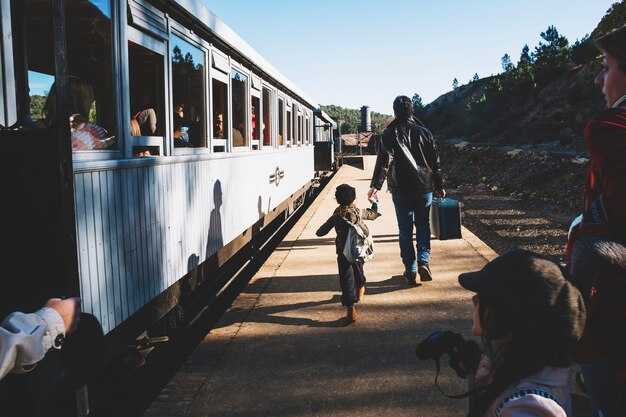
Go with the fast train from Chengdu East to Leshan East; this option keeps your day smooth and within reach of the Giant Buddha. After arrival, you’re at a convenient point for the shrine complex, with taxi stands and shuttle buses ready to go immediately.
Trains run between Chengdu East and Leshan East frequently. The fastest ride takes about 60–90 minutes. Second-class fares typically range from 50–70 CNY, making this the budget-friendly option for a group of travelers. Often, advance booking helps you secure favorable seats.
Public buses depart from Chengdu’s Xinnanmen Station toward Leshan; the trip lasts around 2.5–3.5 hours and costs roughly 60–90 CNY. This route offers scenic countryside views but can suffer from issues like traffic and occasional canceled services during bad weather; plan with a buffer.
Driving yourself gives the most flexibility between stops. A car ride from central Chengdu to the Buddha site takes about 2.5–3 hours, depending on traffic on the expressways. Budget for tolls and fuel; if you lack a car, hire a driver for the day. This keeps the route budget-friendly and lets you pause for panda photo stops.
On the way, consider a quick detour to a panda reserve within Sichuan’s district around Chengdu. A well-timed stop adds wonders of Sichuan to your day, and you can coordinate with your group for shared tickets.
If you arrive by plane, Chengdu’s airport connects to the city center with metro and shuttle options. From the airport, you can reach Chengdu East or Shuangliu in minutes, then follow the train or bus routes to Leshan. This setup allows you to move immediately to the next leg of your plan.
Choosing among train, bus, or car depends on group size, budget, and time. Each option allows you to tailor the day to your needs, with options to combine a Panda encounter, the Buddha site, and Sichuan wonders in one smooth itinerary.
Train Alternatives: Chengdu to Leshan–Duration, Stations, and Tickets
Take the high-speed rail from Chengdu East to Leshan East: the quickest way to reach the Leshan Giant Buddha complex.
Two rail paths exist for this journey: a rapid high-speed option and a conventional slower route. You reach Leshan East after roughly 40–60 minutes on the fast line, with direct service from Chengdu East Station.
High-speed route details: direct service, typical running time around 40–60 minutes; Chengdu East Station to Leshan East Station. Trains run frequently, especially during peak periods, roughly every 15–30 minutes.
Tickets can be booked via the official rail app or at the station; second-class seats typically cost about 60–120 CNY, first-class higher.
Conventional trains: depart from Chengdu Station or Chengdu North to Leshan Station; travel time about 2–3 hours; fares are lower; routes use D- or K-series trains, with fewer daily departures.
Booking advice: buy in advance through official channels, especially around holidays; for travelers with companions, select seats together when booking to simplify check-in at the station.
Stations and connections: Chengdu East is a major hub with easy metro connections; signage and announcements are in Chinese and English at major stops, making transfers clear. From Leshan East, you can take a local bus or taxi to the Buddha site.
The Leshan Giant Buddha is a UNESCO heritage site, with riverfront viewpoints and nearby temples adding to the visit after you reach the area.
Practical notes: carry an ID for ticketing; on high-speed trains the process is quick, and valuables should be kept safe; major routes feature English signs to help non-Chinese readers.
For a smooth day, morning departures work well; check weather forecasts for river viewing; plan your transfer to the site ahead of time to avoid queues.
Booking and Riding the Chengdu–Leshan High-Speed Train
Book the earliest morning G-train from Chengdu East to Leshan East; the ride lasts roughly 28–40 minutes, setting you up for a smooth day.
- Booking options
Use the official 12306 app or trusted platforms such as Trip.com or Ctrip to reserve seats. Tickets typically become available in advance, so check whether your date is open and snag a seat early if you plan a busy date. Consider which routes suit you best, and note that higher-demand days can sell out quickly.
- Seat choice and fares
Choose Second Class for value, or First Class for extra space and comfort; on this short hop, most travelers find Second Class perfectly comfortable. If you travel with a small group, verify that your seats are together before payment to avoid rearrangements at the station.
- Ticket collection and check‑in
Arrive at Chengdu East at least 30 minutes before departure. Bring your passport (or the traveler ID you used on the booking), and have your e-ticket ready. Use the self‑service kiosks or counters if you need a hard copy; signs are usually bilingual and staff can assist in basic English.
- Boarding and onboard experience
Proceed to the platform when your carriage is announced. Board with a calm, efficient flow; high-speed cars are clean, air‑conditioned, and quiet, making the short ride surprisingly comfortable. Some trains offer light snacks along the way, but it’s wise to bring water or small bites if you crave something specific.
- Arrival in Leshan and onward
Disembark at Leshan East station and choose your next move: a taxi ride typically takes 20–40 minutes to reach the Giant Buddha site, depending on traffic, or a local bus if you’re traveling light. If you plan more sightseeing, booking a hotel near the station can shorten your transfer time and keep the day hassle-free.
- Practical tips for a great day
To avoid crowds, pick a weekday morning for the train and plan the statue visit before or after the midday rush. If you travel with a group, vans arranged at the station can speed up transfers and keep everyone together. If you have time for a quick local tasting, try snacks near the Leshan transit area before heading to Mount Emei landmark sites for an unforgettable experience. Some travelers even pair the trip with a short detour to pingshan for tea tasting or light bites.
- Hotel and stay considerations
Book a hotel within easy reach of the station that lasts the check‑in process without long commutes. A convenient option lets you unwind after the ride and set a flexible schedule for the statue, which is the highlight of the day for many Asia‑travelers who want a higher level of comfort after a busy transit day.
Long-Distance Bus: Routes, Schedules, and Fares from Chengdu to Leshan
Take the 06:00 departure from Chengdu Xinnanmen Bus Station to Leshan; you’ll arrive around 08:15–08:45, leaving a solid window to start with the iconic Giant Buddha and nearby sights. This option suits visitors who want a direct, predictable ride without the hassle of transfers, and it works well for groups or travelers with luggage. Fares typically charge 60–90 CNY, which is a friendly option compared with rail. If you picked a preferred seat, you can reserve in advance at the station or via online partners. For english-speaking support, look for desks labeled for foreign visitors or use apps that provide English signage and assistance; some operators offer english-speaking staff on the main routes.
Routes, Schedule, and Fare Details
The most frequent service departs from Chengdu Xinnanmen Bus Station, with direct buses to Leshan covering the popular corridor near the Giant Buddha area. A secondary option uses Chadianzi Bus Station, which also offers frequent departures. Typical travel time ranges from 2.0 to 3.0 hours depending on traffic, and fares sit in the 60–90 CNY band. Buses generally run from early morning through mid/late afternoon, with a higher concentration of departures between 06:00 and 12:00 and a smaller set around 14:00–18:00. The table below shows representative departures, travel time, and pricing for common services.
| Route | Origin Terminal | Typical Departures | Travel Time | Fare (CNY) | Notes |
|---|---|---|---|---|---|
| Chengdu Xinnanmen → Leshan | Xinnanmen Bus Station, Chengdu | 06:00, 06:45, 07:30, 08:15, 09:30, 11:00, 12:30, 14:00, 15:30, 17:00 | 2.0–3.0 h | 60–90 | Direct service; advance booking recommended for guaranteed seat |
| Chengdu Chadianzi → Leshan | Chadianzi Bus Station | 05:50, 07:40, 09:20, 12:00, 13:50, 15:40, 17:20 | 2.5–3.5 h | 70–95 | Popular with locals; verify english-speaking help at the counter |
Booking, English-Speaking Help, and Cancellations

Reserve your seat to ensure a smooth start to the trip and to reserve a preferred area on board. Booking can be done at the station kiosks or through partner online platforms; for groups, you can request a tailored option and a personalized pickup near the plaza in Leshan. If there’s a canceled service, operators typically issue refunds or reissue tickets; keep the ticket and confirm the policy at the counter. English-speaking assistance is available at major terminals or via partner apps, which helps when you’re navigating departures, picking up tickets, or asking for directions near the Leshan area. This route offers a practical opportunity for visitors who want to cover the area quickly, with an impressive sight at the end and a comfortable, affordable trip back to Chengdu.
Car Travel: Best Route, Tolls, and Parking for Chengdu to Leshan
Take the direct expressway from Shuangliu to Leshan and start before 07:00 to beat crowds; plan a 2-hour window for the drive and add 30 minutes for optional stops if you want high-quality photos of the buddhas at dawn.
From central Chengdu, head south on the main ring and follow signs toward Leshan, then switch to the expressway that connects Shuangliu and Leshan. The route passes near Wuhou and Shuangliu districts and offers English-speaking service areas where staff can give quick information on tolls, exits, and next steps. You’ll find the ride very straightforward for a day trip, with reliable rest stops along the way.
Route highlights and practicalities
Choose the most direct corridor to minimize longer detours; this keeps your drive efficient and lets you focus on the scenery and the temple complex. If you’re compiling Itineraries, create a bullet list of check-ins: toll gates, service areas, and parking points near the Buddha precinct. When you mount the car and roll out, you’ll notice Chinese signs dominate the route, but English-speaking staff at major service areas can help you navigate if you need guidance on exits or local attractions.
Be aware that peak days breed breeding crowds around popular viewpoints, so consider a midweek departure if your schedule allows. For a smooth day, set the route in your car’s navigation system and carry a small amount of cash for tolls and snacks. If you’re not comfortable driving solo, you can coordinate with a local driver or hire a guide who speaks English to improve the experience and speed up parking and entry processes.
Parking, tolls, and planning tools
Toll costs for a standard car along Chengdu–Leshan expressways typically fall into a moderate range, commonly around 70–100 CNY one-way depending on the exact exits used; use the official information system or your GPS to get real-time figures before you reach each toll plaza. Payment is usually possible by cash or electronic methods, and some toll booths support English-speaking attendants or guidance screens–check the signage at each terminal to avoid delays.
Parking near the Leshan Buddha site ranges from on-site paid lots to off-site areas with park‑and‑ride options; some areas offer free spaces only during off-peak times or outside the busiest blocks. Reserve a time window for your visit to the Buddha grounds so you can secure a nearby parking spot, or contact a local operator in advance to arrange booking and guidance. If you plan a river-view ride or a brief boat trip, verify boat counters and ticket desks in advance to avoid long queues at peak hours. For a seamless experience, keep a list of contact numbers for the local terminal and service centers, and rely on expert tips from English-speaking drivers or hotel staff to refine your plan and avoid delays.
Trip Planning: Day Trip versus Overnight, and Timing Tips
For most travelers, a day trip from Chengdu to Leshan by high-speed train with a same-day return is the best balance of time and value.
Take a morning high-speed service from Chengdu East to Leshan East and reach the Leshan Giant Buddha complex in about 25–40 minutes. From the station, a short taxi or ride-hailing trip puts you at the site in 15–20 minutes. The Buddha is a historical landmark beside natural scenic spots, and you can expect 2–3 hours to walk the river paths, view the statue from a mount overlook, and explore nearby places. Tickets can be purchased online in advance or at the station; purchasing earlier helps guarantee a window and reduces the risk of poor availability on busy days. If you prefer a hassle-free option, a guided day trip can handle tickets, transfers, and meals with a flexible schedule to fit your pace, and is especially helpful for first-time visitors. At the information desk or on maps, you can see where to begin and what routes fit your plan.
Overnight option adds a relaxed rhythm and the chance to see extra places nearby. Staying in Leshan or a nearby district lets you start later in the morning visits and include a river boat or a short hike at a peaceful mount overlook, then return the next day by train or car. An all-inclusive plan with a hotel, driver, and meals can feel luxurious, while a basic package keeps costs down. The type of plan you choose should align with how you speak with guides, ask questions, and handle tickets–some options are basic, others are more luxurious.
Day Trip versus Overnight: Quick Decision
If you want a compact, memorable experience with minimal logistics, a day trip works best. If you prefer a slower pace, include a district-level stroll in Leshan and perhaps a short morning boat ride, then use the overnight to see additional places near the mount and along the river. whats possible for your timing is flexible, and many visitors find a guided option helpful because it handles information, tickets, and transfers. Ticketing and transfers are handled to smooth the day and avoid delays. Poor planning usually leads to delay, so check details in advance and choose a plan that matches your needs.
Timing Tips and Practicalities
The timing of your trip can be flexible, but the most helpful approach is to book tickets earlier, especially during holidays and weekends. Best times to visit are between March and May and between September and November; the weather is comfortable and crowds are moderate. For a day trip, aim to depart between 7:30 and 9:00 and return by evening to maximize views and minimize drive time. During hot months, bring water; in shoulder seasons, prepare for cooler mornings and pleasant afternoons. If you also plan to visit Chongqing as part of a longer Sichuan itinerary, reserve extra time between legs because the highway or rail link adds several hours. For planning, use information from official sources and speak with station staff to confirm what seats and tickets are available. If you want a truly focused visit, a private driver can handle all logistics and provide a luxury, all-inclusive experience that covers the must-see places and a mount vantage for the view.
From Leshan Station to the Giant Buddha: Access, Walks, and Shortest Paths
youre best option is to hire a taxi from Leshan Station directly to the Giant Buddha entrance. this transfer lets you skip city traffic, keep your bags handy, and start the visit with a smooth, unforgettable first view. follow these steps: exit the station, grab a taxi at the official stand, and head to the entrance. a typical taxi ride lasts about 15–20 minutes and costs around 50–80 CNY, but prices vary with traffic.
If you prefer a cheaper route, use the local bus from the station plaza to the Scenic Area bus stop. The ride takes 25–40 minutes and costs only a few yuan. This option is suited for travelers who want to stretch their budget and enjoy views along the river, leaving you free time to explore the surroundings before the climb. After you alight, a short walk brings you to the gate; keep an eye out for panda-themed signage and heritage-themed displays along the way.
For an earlier start and a more active option, you can walk from the station to the entrance via the riverside stretch. The route is about 2.5–3 km and takes roughly 40–60 minutes, depending on your pace. If you want a customized path, the signage allows you to cut through side streets to experience the local flavor, tasting of street snacks, and a few heritage sites along the way. This walk creates unforgettable views and helps you discover small temples, tea houses, and heritage stories tucked along the river.
Which path is shortest? The direct transfer by taxi or ride-hailing is likely the fastest, typically 15–20 minutes and allows you to skip extra transfers. If you prefer to save money, take a local bus from the station; you’ll still reach the gate but with a longer ride. Check the latest schedules at the desk, and keep your bags close. If you prebooked any services, ask about refund terms so you can adjust plans if weather or crowds shift your schedule. This can help you stay flexible. You can also arrange a hotel pickup to keep everything simple and at a comfortable level.
After the visit, consider how you’ll wrap the day: you might stay at one of the nearby hotels or plan a smooth transfer to Guilin if you’re continuing. The Leshan area has several lodging options, so you can reset before a possible evening stroll along the river. If you’re heading to Guilin, the rail link is straightforward, with quick connections and comfortable options. This route highlights the wonders of Sichuan and helps you discover heritage stories, with river views and the Giant Buddha as unforgettable anchors for your trip.


