Best Christmas Markets in Europe - Top Holiday Destinations 2025

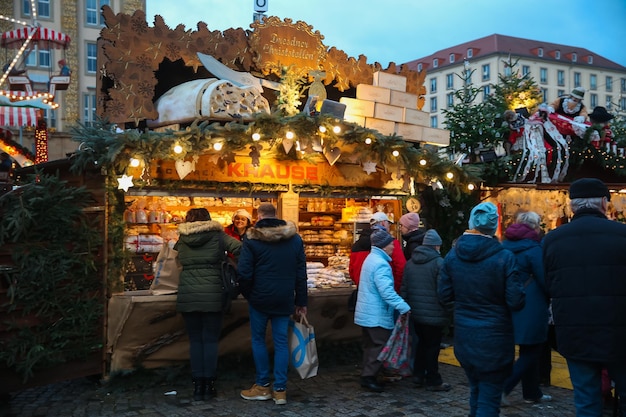
Visit cologne first for a classic opener to your European Christmas itinerary. The city hosts three core markets under twinkling lights, each with its own feel, from the Dom Cathedral square to the fishermans quarter by the river, offering colourful stalls and live performances. Booking opens soon for guided tours and hot-gluhwein tastings, and theyre easy to join as part of a compact, day-by-day plan.
Maastricht shows a compact, child-friendly market in Vrijthof, with toy stalls and handcrafts that charm families. throughout the square, carols rise as wooden huts glow. Then the trip continues to esslingen, where a medieval market gathers under a hilltop schloss and hosts brass bands and street performances that light up the night.
In florence, markets spread from Piazza Santa Croce to Piazza della Signoria, offering artisanal crafts and fragrant spices. The three main squares stay lively through the evenings with street performances and a dedicated kids area that features gentle workshops for children to make small toys and ornaments.
Booking for popular experiences opens early in November, so plan a multi-city route that runs over five to seven days. In practice, many travellers stitch together cologne, maastricht, esslingen, and florence as part of a larger circuit that visits cities throughout Europe, with rail connections running every two hours in peak season.
Practical tips: use winter-friendly transport, stay in the city centre, and check the opening times for each market's main square. In all cases, choose accommodations with easy access to public transport; theyre more convenient, and you can hop over to the next market in the morning, enjoying the colourful stalls and occasional snack dips.
Plan Your 2025 Visit: Market Dates, Hours, and Day-of-Week Tips
Book early and plot a two-market loop for your 2025 visit: then fly into the airport, or hop fast transport from the airport to the city center, and reserve stays near the finest market corners. Expect wooden stalls along the streets, where aromas of mulled wine and roasted chestnuts create a romantic mood. Build your plan around esslingen, gdańsk, lille, madrid, and others to balance a classics-and-innovations itinerary that suits spending and time. Start with early options to avoid peak crowds and enjoy post‑market strolls along the quai and through historic streets.
Key Dates for 2025 Markets
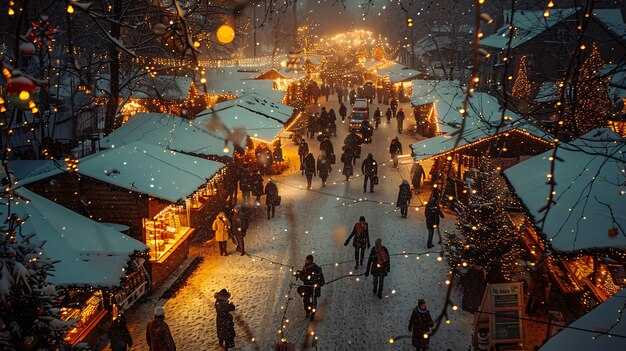
Nuremberg Christkindlesmarkt: typical window from Nov 28 to Dec 24; hours usually 10:00–19:30 daily, with Fri–Sat extended to about 20:30.
Esslingen Medieval Christmas Market: late Nov to Dec 22; hours 11:00–20:00, with some weekends until 21:00 for events.
Gdańsk Christmas Market (Dlugi Targ): late Nov to Dec 26; hours 11:00–20:00, some evenings until 22:00 for special events.
Lille Christmas Market (Place Rihour and quai areas): late Nov to Dec 31; hours 10:00–20:00, weekends sometimes 22:00 along the streets by the quai.
Madrid Christmas Market in Plaza Mayor: windows late November through December 31; hours 10:00–21:00, with weekend extensions until 22:00.
Hours, Weekdays, and Getting There
Visit on Tue–Thu mornings to avoid crowds and enjoy a calmer stroll among the stalls in quiet corners of the streets. Most markets open around 10:00 and close by 19:00–20:00, with Fri–Sun hours longer in most cities. For arrivals, use transport links from the airport to the center–metro or regional trains in Madrid and Lille work well, while Esslingen and gdańsk benefit from efficient tram networks. Plan to spend 20–40 minutes commuting between markets to keep the pace comfortable.
Carry cash and cards for small purchases, since many wooden stalls prefer cash payments; spending can add up quickly if you sample hot drinks and snacks at several corners. In esslingen and gdańsk, stroll through narrow streets where post‑war buildings meet medieval charm, and pause at a quiet corner cafe to savor aroma-filled moments. For families, kid-friendly events run on weekends across markets, including carousels and post‑card stalls that showcase handmade goods.
When you move from one city to another, use efficient transport options: train networks link quick routes between esslingen, gdańsk, and lille, while a short flight can connect you to madrid’s bustling plazas. If you’re spending a few days, map a loop that reduces backtracking and foregrounds the finest experiences–from a romantic riverside quai in lille to a lively festival square in gdańsk. Anywhere you go, a well-planned itinerary keeps your plans manageable and your memories lasting.
Family-Friendly Markets: Activities, Accessibility, and Safety
Choose family-friendly markets that open daily and stay lively after dark. Look for stalls arranged in a compact loop, a corner dedicated to kids, and activities that include crafts and noël-themed workshops; craftsmanship shines in live demos. The decor and illuminations create festive celebrations, and a belvedere backdrop adds romance at every corner.
Accessibility matters: select venues with wide, level paths and step-free entrances. Verify ramps, smooth stones underfoot, and clear multilingual signage. Stroller-friendly aisles, ample seating, and quiet corners help families travel comfortably. Theyre easy to navigate for little ones and older relatives alike.
Safety first: choose markets with bright, even lighting and visible staff along main routes. Look for clearly marked exits, reliable first-aid points, and a simple lost-child policy. Restaurants and food stalls should keep hot surfaces away from edges; keep bags secured and handrails available on stairs. A quick plan for meeting points helps if anyone becomes separated.
To build a nice family day, pick markets that balance display with practical comfort. Prioritize events that run on predictable schedules: craft sessions, storytelling, and music that stays at a reasonable volume. Check the usual themes and look for extra programs during weekends. In Budapest, Vörösmarty hosts lively events; in Vienna, belvedere-area markets offer elegant decor and a charming atmosphere; Prague's Old Town Square delivers traditional festivities with cobbled stones and kid-friendly activities. When you find a market that includes a dedicated kids’ corner and a friendly staff, you’ll feel the romance of the season without crowds getting overwhelming.
Foodie Highlights: Seasonal Delicacies and Where to Find Them
Your go-to move: head to Dresden on the 23rd of December to taste the Striezelmarkt’s finest Stollen and a warming Glühwein as the lights glow overhead.
The spread occurs annually and features a showcase of regional flavours. You’ll find buttery Stollen, Lebkuchen, roasted almonds, bratwurst, and chestnuts, paired with a hot drink that keeps pace with the crowd.
Dresden hosts the oldest German Christmas market, dating back to 1434. In Altmarkt, 250 stalls converge around the Striezel pyramid. Guests sample Striezelstollen, Pfefferkuchen, and freshly pressed apple juice, with a backdrop of choral carols and light snowfall.
Stuttgart invites visitors to Schlossplatz, where epic lines of stalls run along the avenue. The finest items include Linsen mit Spätzle, Zwiebelkuchen, and roasted chestnuts, plus hand-cut pretzels and glühwein. Daily performances by choirs add a joyful mood for guests. A hyde glaze on a savory meat bite is a quirky local twist that guests remember after leaving the square.
In kaysersberg, cobbled lanes host intimate stalls selling Alsatian specialties: bredele cookies, kougelhopf, saucisses, and local honey. The alternative to big-city markets offers a calm, friendly vibe and excellent shopping for gifts you’ll actually use, like handmade soaps and wooden toys, with wines from nearby villages poured at sunset.
In asti-govone, Govone’s market sits near the Rocca Castle grounds. Expect Asti Spumante, hazelnuts, and local salumi, with guided tastings that pace your day and avoid fatigue. The setting makes it easy to pair a glass with a cube of pecorino while admiring medieval walls.
To plan efficiently, take the train between Basel, Strasbourg, and Turin to combine Alsace and Piedmont experiences in a single trip. Markets run daily through December, with peak crowds on weekends and around Christmas Eve. Annotated maps help you find the finest stalls, while a compact itinerary keeps you from over-shooting your budget – an ideal daily plan for guests who want to taste, shop, and explore.
These markets offer a go-to route for food lovers seeking seasonal delicacies, with a cohesive thread of flavors across Dresden, Stuttgart, kaysersberg, and asti-govone.
Budget Strategy: How to Save on Multi-Market Trips
Book a four-market loop with pragues, colmar, and two nearby destinations, using a single multi-market pass and a mix of trains and overnight connections to minimize hotel nights.
Target periods in late November to early December to lock in lower prices and lighter crowds. Between pragues and colmar, you’ll find 20th-century square markets, picturesque with outdoor stalls, where the smell of mulled wine and gingerbread signals peak holiday vibes. Consider a lake-based base in a neighboring town to reduce travel days and stay warm in a cozy setting.
Compare prices across transport options: rail passes, point-to-point tickets, and short-haul flights. In most cases, rail saves money if you plan more than two hops; flights can be cheaper only for longer hops or when booking 6-8 weeks ahead. Prices vary by day and method, and a 10-25% swing in spend is common. Further savings arise from early booking and flexible routing.
Budget lodging: pick options that fit your size and style; a 2-bedroom apartment near the town square looks like the best base and can host four friends, cutting lodging costs by 40-60% versus four hotel rooms. Pair with a compact, well-located stay to cut travel time and maximize those highlights of each market.
Smart Booking and Routing
Lock seats on busy routes by booking 6-8 weeks ahead; prefer midweek departures and back-to-back city hops to limit idle time. Route planning should group markets by geographic proximity to minimize backtracking, for example pragues, colmar, and two nearby markets can be joined in a single rail day with the right connections. A 7-9 day loop in this setup fits within a manageable size across travel periods and works well for those traveling with friends in search of best options worldwide.
Cost-Efficient On-Ground Tactics
Make the most of every day: choose outdoor-friendly schedules, take advantage of free walking tours, and use public transit passes to cover multiple markets. Look for combo tickets that span several markets and meals, which lowers prices while keeping the experience rich. This approach reduces the money spent while keeping everyone enjoying the experience and the festive smells at each square as you move between markets. The plan can be ended in a warm, welcoming city.
5-City Rail Itinerary: A Practical Route for a Festive Market Tour
Begin in oxford for a compact opening to the festive loop, then arc through four more markets to finish in nuremberg on a prime advent weekend.
oxford – 2 nights. Think walking the open-air stalls near the city center, where display of handcrafted gifts meets chocolate samples and hot cider. The romance of the old town blends with city culture, delivering a delightful start. From here, plan the next leg around basel with a daytime rail that typically takes about 6–7 hours and ensures a comfortable connection.
basel – 2 nights. Basel's Advent market rings around the Old Town with a Rhine-side display, gingerbread aroma, and mulled wine. It serves as a reliable hub to move around in one day to the montreux line; transfer is straightforward via Basel SBB to montreux, about 2h45m. You’ll find the transit reliable and found time to research the best morning departure to keep the rhythm; this city helps you manage the switch while advent markets begin to glow around the river.
montreux – 2 nights. The lakeside market in montreux offers a refined display of chocolates and local crafts; it’s known for the fall light along the lake and a romantic promenade. The experience is perfect for a calm pause before Alsace; consider a day trip to Gruyères for a chocolate-tasting detour, then return for the advent vibe as the water mirrors the twinkling lights and wonders of the season.
kaysersberg – 2 nights. Tucked into Alsace’s hills, kaysersberg wraps half-timbered houses and artisans in a delightful, intimate market that showcases regional culture and wine. The route from montreux runs via Basel and Colmar, with transfers totaling roughly 4–5 hours; they say that market’s small scale makes a strong contrast to bigger cities and is found to be incredibly engaging, a welcome change that still serves high-quality crafts and chocolate treats.
nuremberg – 2 nights. End in nuremberg for the renowned Christkindlesmarkt; on the 28th advent day, the stalls glow with carols, sausages, gingerbread, and Glühwein. The display of wooden toys and craft markets makes this the goal for many travelers. From kaysersberg, the typical rail path goes via Strasbourg or Bamberg, about 3–4 hours with a couple of transfers. This stop caps the route with a crisp, perfect finish that highlights culture, chocolate, and the city’s timeless industry.
Planning notes: research rail times, reserve seats on long legs, and consider a Eurail pass to help manage costs. The goal is a smooth rhythm around Advent, avoiding long waits, and making the most of a fall or winter market tour. This route is considered ideal for market lovers who want a compact yet rich experience, serving chocolate and culture with a delightful pace.