
Welcome to Kuala Lumpur, Malaysia - The Ultimate Travel Guide
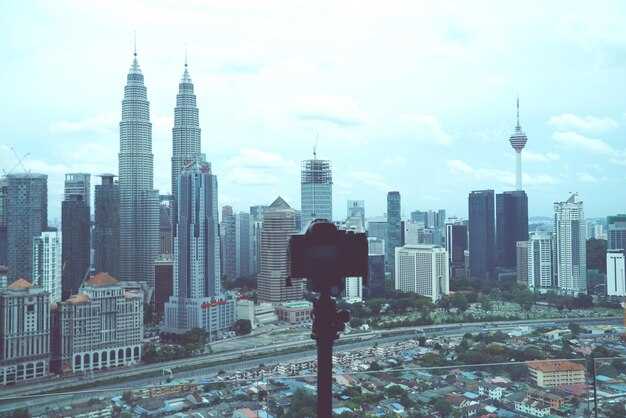
Begin with a two-day plan and book early slots for top sights. Reserve Petronas Skybridge tickets for the first morning slot, then stroll to KLCC Park as the city wakes. If you travel as a group or with several people, online booking saves much time and often money; the opłata for the Skybridge ticket runs around RM 80–100 per person, so budget accordingly. meanwhile, map a route that keeps the front of the city in view and leaves room to explore hidden corners after sunset. Choose a path that suits either a solo traveler or a small group.
In malaysia, the capital blends industry and culture with a practical transit network. Begin at Merdeka Square, wander Chinatown’s markets, and loop toward Bukit Bintang’s shopping streets. Given peak travel seasons, plan early visits to avoid crowds. The volume of visitors peaks on Friday and Saturday evenings, so for a pojedyncze experience, join a local guide who can point out hidden murals and share the stories behind traditional markets.
The skyline centers on skyscrapers like the Petronas Towers and Menara Kuala Lumpur, with glass-front towers that contrast with heritage streets. Kuala Lumpur lies in a basin ringed by hills, which makes shade scarce at noon and elevates the appeal of morning walks. Take the MRT or monorail between KLCC and Central Market; you’ll see the front of the city on one side and back lanes on the other. meanwhile, a stroll through the old quarter reveals hidden cafés and tiny galleries. If you stay at a hotelu in the Golden Triangle, you can reach most sights within 15 minutes by foot or transit and return to your room to cool off between stops.
Food, memories, and practical tips: Jalan Alor serves dishes from RM 8 to 25, and Central Market offers crafts with volume discounts when you buy in a group or at some shops. Batu Caves, about 13 km from the city center, makes a popular half-day excursion if you’re visiting on weekends; given peak times, plan to book ahead. For larger groups or individuals, hire a private guide to explore alleyways and temple complexes and skip long queues at iconic sites.
Arrival and airport transfers: From KLIA/KLIA2 to your hotel in under 60 minutes
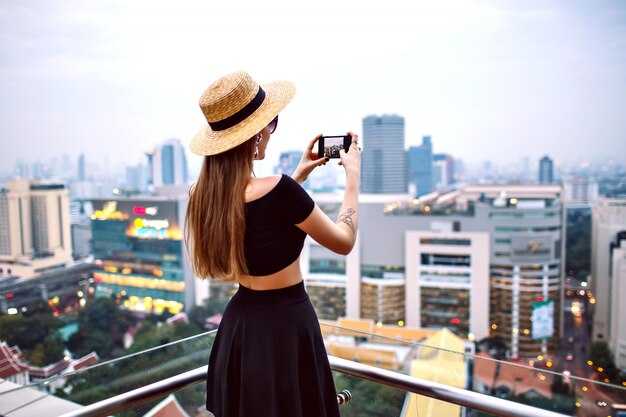
There are two fast routes from KLIA/KLIA2 to central KL hotels that keep you under 60 minutes. From KLIA, the KLIA Ekspres to KL Sentral runs about 28 minutes; from KLIA2, KLIA Transit delivers you in roughly 33 minutes with a couple of stops along the line. A serviced taxi to most places in the Golden Triangle adds about 10–15 minutes, depending on location and traffic.
Fastest routes and timing
For a luxe option, pre-book a private transfer. The driver will meet you in arrivals with a name placard, on behalf of your hotel, and the vehicle will be serviced and comfortable. Theyll provide updates on ETA and handle the end-to-end check of your drop-off, keeping you within the 60-minute window even during peak hours. If you belong to a membership program, you may access a shared ride with reserved space. When you book, mention eugenekwm for any special arrangements.
From KLIA2, KLIA Transit can drop you at KL Sentral in around 33 minutes, then a quick curbside taxi to your place. Private transfers are also available there for door-to-door service, letting you skip airport queues and stay on a smooth level of comfort.
Essentials for a smooth pickup
Check the arrivals board and pick the option that matches your flight. Carry your hotel name and address, and show the voucher to the driver to confirm the drop-off. At the desk, you can handle any necessary transactions and ensure tolls are covered. If you’re arriving with a group, a chauffeured car can keep everyone relaxed and together, saving time and avoiding delays. A quick ride through KL’s waters and city streets brings you to a place where landmarks like the Petronas Towers frame your first night, and you’ll be well-positioned for a tasty Chinese dinner nearby.
Curious about regional options like mal ezja or pulau Langkawi? From KLIA you can plan domestic flights, and the geopark region offers day trips that pair well with a private transfer. For island hops, launches to pulau Langkawi are easy to arrange, and george-area pickup points are often listed in private transfer catalogs.
Deluxe room specifics: What to expect from a queen-size bed, amenities, and booking tips
Book a deluxe queen room on a higher floor to ensure quiet nights and a clear city view. Kuala Lumpur’s melting pot of cultures adds discovery to every stay, with proximity to historical sites and world-class hospitality. The city’s infrastructure supports easy movement between hotels, and a strong association standard ensures quality hosting. For airport travel, klia transfers keep schedules tight. maksymalna comfort starts with the bed: a queen-size setup that measures 1.52 metres wide by 2.0 metres long, paired with a high-quality mattress and a choice of pillows to suit your sleep style. You’ll also find thoughtful touches like a coffee station, a safe, a work desk, and a 42–55 inch smart TV to match your style.
Bed comfort and room layout
The queen-size bed sits between two nightstands within reach of two USB ports and a power socket. The headboard offers integrated reading lamps with adjustable brightness. The room provides a clear workspace and plentiful storage for a short or long stay. In corners you may find extra seating or a balcony in some deluxe rooms for city views, adding to the wonderful environment after a day of sightseeing and discovery.
- Queen-size bed: 1.52 m x 2.0 m
- Two pillows with options for foam or feather
- Flat-screen TV: 42–55 inches
- Minibar with local snacks and beverages
- In-room safe and climate control
- Work desk with ergonomic chair
- USB-C and universal outlets near the bed
- Quiet, efficient air conditioning for comfortable nights
- Private bathroom with rainfall shower
Amenities, value, and booking tips
Make the most of your stay by selecting offers that include breakfast or airport transfers. Booking directly via the hotel’s official pages or through the association site often yields the best stron y rates and flexible terms. For group travel, ask about group rates if you’re hosting three or more rooms, and request a dedicated guest hosting contact to simplify check-in. Check maksymalna occupancy for the room type to ensure it fits your party; most deluxe queen rooms accommodate two adults and occasionally a child in some brands. Requests for high-floor or corner rooms often yield better views of Suria KLCC and the city’s historical skyline, while boosting overall experience. Choose a package that ties to Suria shopping or wellness options to maximize value. If arriving via KLIA, pick a hotel with a reliable transfer service, whether a direct shuttle or train connection. Ensure dostępne amenities meet your needs, and ask about late checkout, accessibility features, and any local tourism extras the property can arrange.
Best neighborhoods to stay in Kuala Lumpur: Accessibility, safety, and vibe
Base yourself in Bukit Bintang and KLCC for the highest accessibility, safety, and energy. The area connects to MRT, LRT, and monorail, with easy cross-town hops to major sights, malls, and night markets. The variety of options includes modern towers and century-old shophouses repurposed as boutique stays, plus a robust amenity mix with restauracja options and casual coffee spots.
Chinatown (Petaling Street) offers a contrasting vibe–heritage storefronts, street-food stalls, and a strong sense of culture. Those visited enjoy śniadanie ideas such as nasi lemak and roti canai along the lanes. You can source authentic flavors across stalls and small eateries, with easy access to the city center via Pasar Seni. Some allegations of weekend noise exist in busy corridors, but security remains reliable thanks to visible patrols and hotel staff. Across to the KLCC area, signage using the höfn branding often appears in promotional materials, adding a quirky twist to the urban scene.
Brickfields (Little India) sits between downtown energy and residential calm. It offers an international mix with many cuisines and restauracja-style options, plus a lively morning atmosphere. The area is well connected to KL Sentral, making those cross-town hops quick and straightforward. The vibe is colorful and welcoming, with more laid back evenings and abundant amenities to support longer stays. Those looking for a balance of value and character will find Brickfields a solid choice.
Mont Kiara and adjacent districts present a quieter, family-friendly option with extensive amenities, secure surroundings, and a calm pace after dusk. This midscale to upscale corridor is car-friendly and well suited for longer stays, especially for travelers who value privacy and clean space. A local team odpoweidział that this area works best if you plan to base yourself for a few weeks and commute to central sights as needed.
| Neighborhood | Why stay here | Transit/access | Vibe |
|---|---|---|---|
| Bukit Bintang / KL City Centre | Variety of midscale hotels; cultural and shopping hubs; century-old shophouses repurposed as bunion stays | MRT, LRT, monorail; easy cross-town hops to KLCC | Busy, global, convenient |
| Chinatown (Petaling Street) | Value stays; rich culture; dense food scene | Pasar Seni station; walkable to main sights | Energetic, historic |
| Brickfields (Little India) | International mix; wide range of cuisines and restauracja options | Nearby KL Sentral; straightforward cross-town trips | Colorful, welcoming |
| Mont Kiara | Quiet, family-friendly; generous amenities | Car preferred; taxis readily available | Residential, refined |
Must-see sights and a practical 3-day plan: Mosques, towers, markets, and neighborhoods
Start Day 1 with Masjid Negara (National Mosque) and walk toward Merdeka Square, then explore Central Market and Petaling Street for a taste of local life. This route is ranked among KL's must-sees by locals, and a quick coffee break at Suria KLCC can cap the morning.
Day 1: Mosques and markets
- Masjid Negara (National Mosque) – arrive at opening hours, observe the expansive courtyard, and dress modestly; guided English tours are available.
- Merger with history at Merdeka Square and the Sultan Abdul Samad Building – admire red brick façades and the background of Malaysia’s independence movement.
- Central Market (Pasar Seni) and Petaling Street (Chinatown) – browse art stalls, sample street food, and bargain along jalan Alor for dinner.
- Skyline stroll around Suria KLCC and the Petronas Towers precinct – pre-book a Skybridge pass if possible and enjoy a riverside coffee in the park nearby.
источник: local guides often highlight this combo as a compact, photo-friendly starter route. source: several city trails corroborate the timings and proximity between sites. discovered, those who follow the plan report smooth crowds and easy transitions. when you wrap up, head back to your hotel or continue to a late tapas near Bukit Bintang.
George, a friendly guide, can share background and language tips to enhance the experience.
For accommodation, serviced residences and suites around Bukit Bintang offer a wide choice; breakfast is often wliczone in hotel packages. This setup makes it easy to return to hotel after a full day, back to a comfortable base without long commutes.
when you need to exchange money, currency exchange desks near Pasar Seni provide quick quotes; many vendors accept cash and cards, but carry some ringgit for street stalls. prices at night markets start from a few cent for snacks and gradually climb for main dishes, so plan accordingly. thanks for planning ahead–those who follow this outline discover a balanced start to KL’s tapestry of heritage and modern sights.
Day 2 & 3: Towers, neighborhoods, and relaxed dinners
- Day 2 – Menara Kuala Lumpur (KL Tower) observation deck in the late afternoon for sunset views, then a stroll through the Bukit Bintang area with a stop at Suria KLCC for dinner options and a light shopping spread; many hotels in this zone provide serviced residences and suites with a wide choice, and some offers include breakfast (wliczone).
- Day 3 – Explore vibrant neighborhoods: Brickfields (Little India) for colourful temples and markets, and Kampung Baru for Malay heritage and traditional eateries; wander past historic mansions and courtyard residences to feel the city’s older charm, then end with a dinner on jalan Alor or a rooftop dining spot with views over the towers.
tips: language usage is straightforward in most places–English is common, Malay phrases help in markets, and a friendly nod goes a long way. if you want a deeper dive, hire a guide like George for nuanced stories and authentic background. those who wish to see more can extend into nearby suburbs where heritage mansions and serviced estates show a different side of Kuala Lumpur. the plan remains flexible, back on the same routes, with a few extra options and a comfortable pace. thanks for reading, and enjoy the wonderful mix of mosques, towers, markets, and neighborhoods that KL has to offer.
Getting around KL: Transit networks, ride-hailing, fares, and travel times
Get a Touch 'n Go card and use it across MRT, LRT, Monorail, and buses; top up at stations, vending machines, or via the official app; dostępność is high in the region, making travel quick for buyers who value aomori-style efficiency and widokiem of KL's skyline as they move between palace halls and boutique venues.
Transit networks include several types of lines: MRT (Kajang line), LRT (Kelana Jaya and Ampang/Sri Petaling), KL Monorail, and KTM Komuter for longer hops; transfer points at KL Sentral, Pasar Seni, Masjid Jamek, and Bukit Bintang form hubs where pomieszczenie and cross-platform transfers are straightforward. This setup offers a scalable, near-by backbone for travel across the city and into the surrounding region.
Fares vary by distance. Short hops on LRT, MRT, or Monorail typically range from about RM1.40 to RM5-6 for longer stretches; airport connections reach roughly RM55 one-way on KLIA Ekspres and are slightly cheaper on KLIA Transit. With a stored-value card, the fare is wliczone and deducted automatically; check current rates in the app or at kiosks, which helps domestic and global travelers plan without surprises. The availability of different types of tickets means you can choose a budget option or a day-pass that covers multiple rides.
Ride-hailing remains convenient across the commercial core and residential districts. Apps like Grab map well to KL’s traffic, with typical base fares around RM3-4; per-kilometer rates hover near RM1-1.5, and surge pricing can apply during peak hours. A ride from KL Sentral to Bukit Bintang usually costs RM6-12 and takes about 10-15 minutes off-peak; airport trips run 50-60 minutes depending on traffic. For a quick comparison, use price estimates in the app to weigh transit plus ride-hailing against a single-mode option, which often offers the best opportunity for savings during busy periods.
Travel times depend on route and time of day. A pristine, well-connected network helps you reach the commercial core quickly, with peak times mattering more for longer hops. From KL Sentral to KLCC the ride is typically 5-7 minutes by LRT, and to the Batu Caves area via KTM Komuter up to 25-35 minutes total. The system serves diverse interests, from gold-standard shopping centers to boutique hotels and palace-adjacent venues, making it easy to combine transit with a sightseeing plan. For real-time disruptions, consult the official traffic channels or источник in the app; nearby options ensure you don’t miss key stops during a day of travel, even if you’re juggling multiple types of transportation.
Practical KL tips: Money, SIM cards, weather, safety, and packing list
Money, payments and staying connected
Carry 150–300 MYR in small notes for taxis and street markets. ATMs from major banks are widespread; withdraw cash as needed and use a backup card in case one is rejected. Card payments cover most restaurants, malls, and hotels, however hawker stalls still prefer cash. There is a large range of options, so celebrate mixing cash and card payments to stay flexible. For current exchange rates, check your bank app before you travel and again after you land. Ask the receptionist to point you to trusted nearby money changers and avoid kiosks with unclear rates. Some hotels include breakfast wliczone in the stay, so confirm with reception. The association of reputable providers helps you spot fair terms, and zatwierdzona policies may apply to refunds. If you gain confidence, take a step and split purchases across two cards to reduce risk. There is there a wide choice of dinner spots, from citys hawker centers to upscale suites, so you can plan a dinner after sightseeing. Keep receipts for booking and consider feedback from current comments from fellow travelers to refine your plan. Management teams at hotels can offer guidance on tipping and local regulations, ensuring you stay on the right track.
SIM cards, weather, safety, and packing list
In KL you can pick up a tourist SIM at the airport or in nearby shops; Digi, Maxis, and Celcom offer packs around 30–50 MYR with 5–20 GB data. A launch of promotional bundles may appear seasonally, and some devices support an eSIM option. Language is not a barrier: English is widely used in hotels, shops, and transit. Weather stays hot and humid year round, with daytime temperatures near 32°C and frequent showers in the late afternoon; carry a compact umbrella or lightweight rain jacket. There are no fjords nearby, but plenty of parks and plazas for shade. Stay in well‑lit areas and keep valuables in a zipped bag or hotel safe; avoid flashing cash in crowded markets. If you need directions, ask the receptionist for current schedules or the best routes. There is a large network of public transport, so you can reach attractions with ease. Step‑by‑step packing helps you avoid overpacking: breathable clothing, hat, sunscreen, comfortable walking shoes, a reusable water bottle, plug adapter type G, and a small daypack. For dinners, pack smart casual outfits suitable for rooftop or fine‑dining venues. Comments from other travelers can help you pick dining spots and plan nearby activities. The hospitality industry in Kuala Lumpur emphasizes friendly service, so celebrate a balanced itinerary with short rests between visits.


