Start your visit with a sunrise dip at paraga, then a shore-side coffee where the chef crafts bright plates. This ritual sets the tone for a destination in the Aegean that you’ll feel attraverso the rest of the day, a spark of blue and white magic.
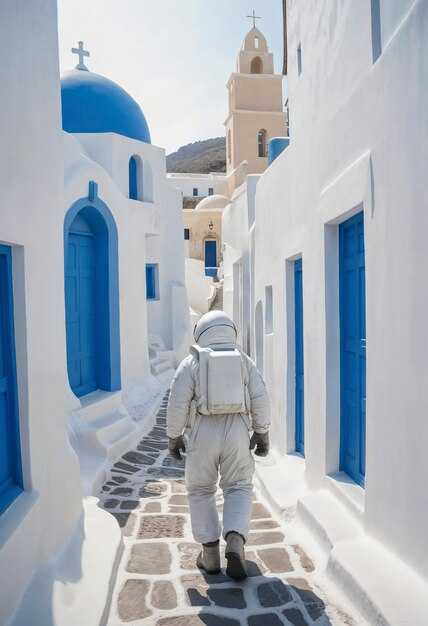
In Mykonos Town, the municipal lanes stand between whitewashed walls and blue doors. A windmill in the harbor stands as an emblem, while these streets lead you to galleries, boutiques, and cafés that invite lingering. The village squares pulse with music at dusk, and you encounter icons of Cycladic life in every corner, seen attraverso rhythmic footsteps, their rhythms blend fishermen’s routines with boutique energy.
The route includes Psarou and Platis Gialos for crystal water, paraga for a relaxed vibe, and a village stop in Ano Mera with a municipal market. The shore scent drifts as you walk back to the car. Pick a seaside taverna for a gourmet lunch, then wander through olive groves and fields behind the shore to feel the feeling of island life. An esim keeps you connected as you share explorations with friends and family.
Art lovers will find galleries tucked into alleys, with exhibitions by local painters and sculptors. The destinazione includes private tours of studios where these artists discuss light, color, and shadow, followed by a sunset tasting at a rooftop venue. This sequence creates a distinct feeling of Mykonos that lingers after the visit.
Evening in Mykonos Town offers wandering along the shore to watch the boats idle and the wind carry the scent of oregano from nearby kitchens. their charm rests in the balance between municipal hustle and island calm, a contrast that makes these days feel intimate and vivid. With a plan that includes a morning dip, a day among galleries, and a night in a taverna with a gourmet menu, you’ll leave with a clear sense of why Mykonos remains a destination that is better than most island experiences.
24-Hour Itinerary: Mykonos Town, Windmills, and Seaside Stops

Begin at dawn with a walk through Mykonos Town to see the windmills rise above the harbor, then follow this 24-hour plan for a balanced mix of sites, shops, and seaside stops.
Morning in Mykonos Town: Sights, Shops, and Local Flavor
- 08:00 Start at the Old Port, order an espresso and a pastry, then wander around Matogianni Street to browse shops and studios; the most photogenic sites await, including the whitewashed lanes and the world-famous windmills high above the town.
- 09:30 Climb to the windmill hill for panoramic views, then descend to Little Venice for a quick stroll and a seaside snack.
- 11:00 Visit the Aegean Maritime Museum for exhibitions that share seafaring stories and island life; the surrounding streets offer more shops and cafés.
- 12:30 Lunch at a high-end restaurant serving Greek seafood and modern Mediterranean dishes; reserve in advance for a table with harbor views, and enjoy a catholic mix of flavors in the menu.
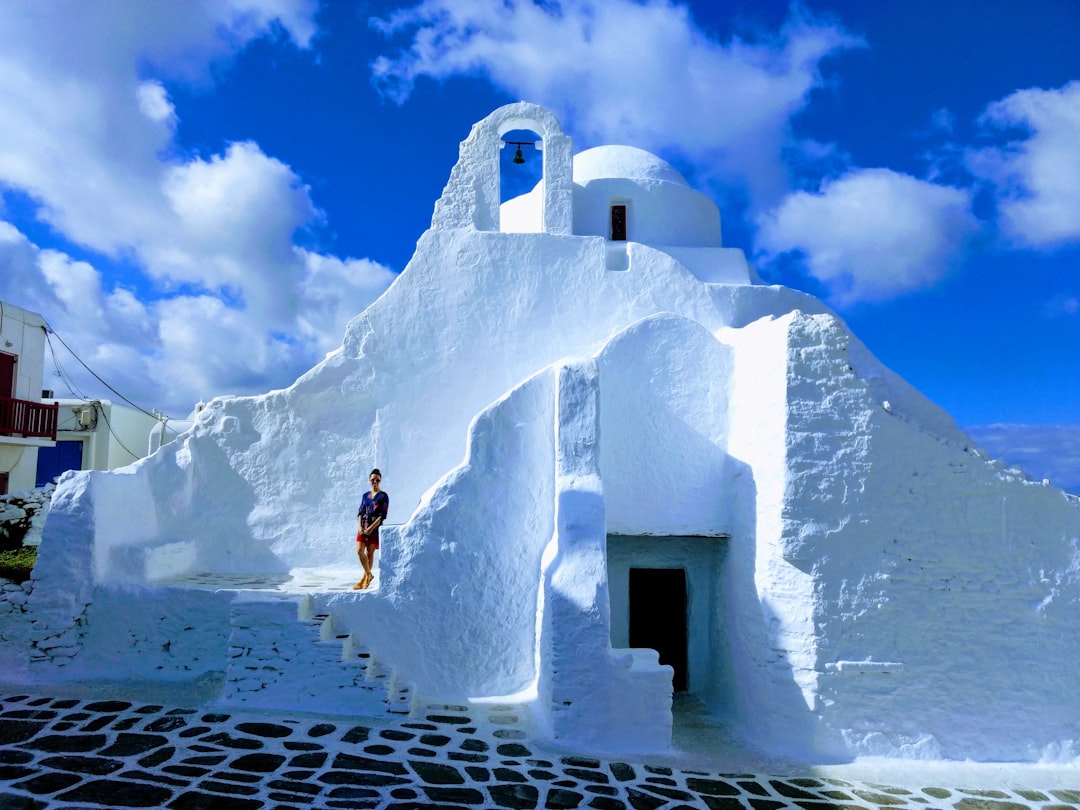
- 13:45 Explore the Paraportiani area and the Church, then wander the surrounding lanes with additional shops and cafés before the afternoon crowds swell.
Seaside Stops and Evening Delights
- 18:00 Ornos Beach offers a sheltered swim and a string of seaside restaurants serving fresh seafood; this area is family-friendly and great for people-watching after a day on foot.
- 19:30 Move to ftelia for wind-swept sands and mellow sun, where windsurfers skim the shallow water and the coastline surrounding the shore feels instantly relaxing.
- 21:00 Sunset at Psarou Beach or along the harbor road, where world-famous beaches glow pink and gold as the sky shifts; cocktails and light bites flow from several bars serving sophisticated menus.
- 22:15 Dinner in Mykonos Town at a high-end restaurant offering contemporary Greek cuisine; advance reservations ensure a table with a view, and the menu features a catholic mix of flavors with local wines on the list.
- 23:30 Night stroll through the lit lanes, sharing tips with locals and other visitors; there, people linger by the harbor while the neon reflections dance on the water and the mood remains welcoming.
There you have it–everything you need for a complete day: most sites, shops around the town, high-end dining, and world-famous beaches, all within horas of peak activity and a relaxed rhythm that makes the island feel intimate rather than rushed.
Sunrise and Sunset Spots: Windmills, Little Venice, and Coastal Viewpoints
Begin at the windmills above Mykonos Town at sunrise for the most dramatic light. From the harbor, a 10–15 minute climb reaches the hill where windmills line the crest. The experience rewards photographers and early risers; greeks have cherished these periods before the town wakes. Reach the best angles by staying on the kerbside path that keeps you above the whitewashed lanes. As an example, pair sunrise at the windmills with sunset at Little Venice.
Then head to Little Venice for sunset. These iconic houses lean toward the sea, producing reflections that shimmer on the waters. The area feels sacred, with the icons of Panagia Paraportiani nearby adding a quiet anchor to your photos. The harbor is filled with boats and local bars, and you can share your shots with friends as ferries slip by in the distance.
For expansive coastal views, choose Armenistis Lighthouse or the backcountry paths along the north coast. Armenistis gives a wide horizon across the Aegean, and on clear days Paros appears as a pale silhouette on the far side. These periods of light fade quickly, so plan your timing and take multiple angles before the sun dips. If you want a luxurious angle, several cliffside cafés offer a yummy bite and even a massage option after the shoot. If you want a quick wrap, Paraga Beach is easy to reach for watersports and a snack.
Planning tip: enable esim for reliable data as you move between spots; whether you shoot with a phone or a camera, stay flexible and take notes on timing. Taking a few minutes at each stop helps you catch the sunrise, the blue hour, and the first stars. After the session, share your favorite frame with friends, and consider using the mykonoss app to plan times so you stay on schedule. Before you head to the next spot, be mindful of beachs near Ornos and Psarou for a casual bite.
Nearby option: a quick ferry to Paros offers a change of scene–visit the Panagia Ekatontapiliani monastery in Parikia and explore Naoussa’s harbor, then compare the sacred icons with the Cyclades’ light you just chased on Mykonos.
| Spot | Il momento migliore | Cosa aspettarsi | Come arrivare |
|---|---|---|---|
| Windmills (Kato Mili) | Sunrise | Dramatic light, silhouettes; 360° view across Mykonos Town | From Mykonos Town harbor, 10–15 min uphill walk along a stone path |
| Piccola Venezia | Sunset | Colorful houses over the water, reflections, lively sunset vibe | Along the waterfront in Chora; 5–7 min walk from the town center |
| Armenistis Lighthouse | Late afternoon to sunset | Wide horizon over the north coast; on clear days Paros appears on the far side | Drive or taxi about 20 min from Chora; parking at the base |
Delos Day Trip: How to Book, Ferry Schedules, and Key Sights
Book an early‑morning Delos day trip from Mykonos Old Port to reach the island by sunrise and savor the daytime light. Delos offers breathtaking ruins within a cycladic setting; the area is ideal for history lovers and content-worthy photos.
How to book: use official operator pages, your hotel concierge, or a kiosk at the Old Port. Reserve a spot with flexible cancellation if possible, and choose a route that focuses on the main sights. Guided trips explain the religious and archaeological sites and help you see how the sacred space shaped ancient life.
Ferry schedules typically include morning departures around 08:15–10:00 and returns in the mid‑afternoon to early evening, about 15:30–17:30. Travel time on a fast boat runs 25–40 minutes; standard ferries take closer to 50–60 minutes. Check daily updates on the operator pages and plan to arrive at Mykonos Town early to secure a good seat and avoid lines.
Key sights on Delos include the Terrace of the Lions, Temple of Apollo, Sacred Way, and the House of the Dolphins mosaic; the Terrace and the Sacred Way serve as anchors of the site. What you found in the choras includes marble façades, restored churches, and several religious sites such as the Temple of Isis. The choras area presents a few restored churches and the feel of a small, ancient settlement; the backcountry side is quieter and invites a slower, reflective walk between monuments.
Practical tips: bring water, a hat, and good walking shoes; sunscreen helps as daytime sun is strong. A guide enhances the experience with context on how Delos served as a religious center and commercial hub. After returning to Mykonos, savor a coffee at cafés in the port or in town to reflect on what you found and how the day content fits into your island plan.
Delos pairs well with a Mykonos itinerary by offering a compact, monumental break from coastal beaches and crowds; the day proves how the Cycladic area can become a canvas of history and myth. If you want a broader view, consider a late‑afternoon sail around nearby islets to reach other backcountry coves and coastal viewpoints.
Beaches by Preference: Family-Friendly Sands, Quiet Coves, and Water Sports
Arrived with the kids? Start at Ornos Beach for a family-friendly day. Its shallow crystal-clear waters invite safe swims, while white-washed tavernas line the sand and make a quick lunch easy. After a swim, you can stroll back to town on a short path or hop a bus with kids content and relaxed.
Five notable family-friendly sands around Mykonos offer convenience and comfort for greek and other travelers. Ornos, Platys Gialos, Agios Ioannis, Megali Ammos, and Agios Stefanos are such areas where easy access, gentle water, and nearby amenities keep the day smooth. Ornos is a short ride from the town and stays shallow and calm; Platys Gialos has a promenade with kid-friendly cafés; Agios Ioannis faces a sheltered bay ideal for a picnic; Megali Ammos sits within reach of Chora; Agios Stefanos offers a quiet patch before you join the busier sands later. These destinations are known for a family rhythm that greeks share with visitors and for a destination that feels both classic cycladic charm and practical. This complex mix gives families, couples, and solo travelers a clear path to a beach that fits their mood.
Quiet coves offer space to unwind. Fokos Beach on the north coast stays fairly low-key, with pebbly sand and crystal-clear water. Agios Sostis remains tranquil, backed by a pine grove and a few tavernas, while Panormos offers a sheltered bend with a handful of chairs and sun. Such coves provide space to escape crowds; if you miss the main beaches, you can still reach them by a short ride. The surroundings feel sacred and cycladic, a contrast to the party scene elsewhere, and the places you capture along the shore reflect the timeless charm of this island.
Water sports enthusiasts find choices here too. ftelia Beach, in particular, boasts reliable winds for windsurfing and kitesurfing, drawing greek and other riders. Platys Gialos and Ornos host operators for stand-up paddleboards, snorkeling gear, and inflatable rides, while Kalafatis and Paraga offer more serious sessions for experienced surfers. If you want a quick cultural break, a short drive lets you reach paleokastro, an archaeological site embedded in cycladic history, and the nearby archaeological zones provide historical context that complements the day. The island’s lighthouse at Armenistis offers a scenic overlook to capture sunset silhouettes, and the overall plan can easily be organized as a five-part itinerary to explore known destinations and hidden corners alike. There you see how such areas connect to a broader greek destination and to a shared sense of history that greeks cherish.
Where to Eat Local Mykonian Cuisine: Tavernas, Market Grub, and Sweets
Begin at a family-run taverna by the harbor in Mykonos Town, where grilled octopus with lemon, kopanisti cheese, and crisp potatoes define the local tavern experience. Ask for a splash of oregano oil; the exterior smells mingle with sea breeze as the white-washed walls glow in late light. These small plates capture the essence of island flavors and invite a long, shared meal.
Then wander into the market lanes around the old port for market grub that travels well: olives, goat cheese, honey, and spanakopita. Try a quick skewer of grilled squid from a stall and wash it down with cold mineral water. These bites map the island’s everyday cuisine beyond tourist spots and set up tasty trips around town.
For sweets, head to a pastry counter for amygdalota, warm loukoumades, and flaky baklava. Pair with a strong Greek coffee and a glass of raki if offered. These desserts highlight textures and aromas that linger on the palate long after the meals.
These experiences lead to highlights worth savoring. After dessert, stroll to Paraportiani, where the exterior architecture glows in the three-quarter light; you can capture the scene in a quick photo. For a hilltop perspective, hike the path toward Paleokastro and watch the beachs and harbor come alive at sunset. If you crave more, rent a bicycle and pedal the rolling lanes to extend your avventura. Want a memory beyond the eye? imagine the aerial-motionshutterstock beachs scenery from above.
Plan your day to balance three stops for tavernas, two for market grub, and a final sweet finish. Outside Mykonos Town, these eateries sit along hills with sea views, while interior rooms stay cool when the sun climbs. The significance of these meals lies in the simple ritual of sharing food with locals, not just the flavors.
Top Things to Do in Mykonos, Greece — An Island of Blue and White Magic">
Commenti