

The Best Museums in Granada - Top Art, Histoy, and Culture to Exploe

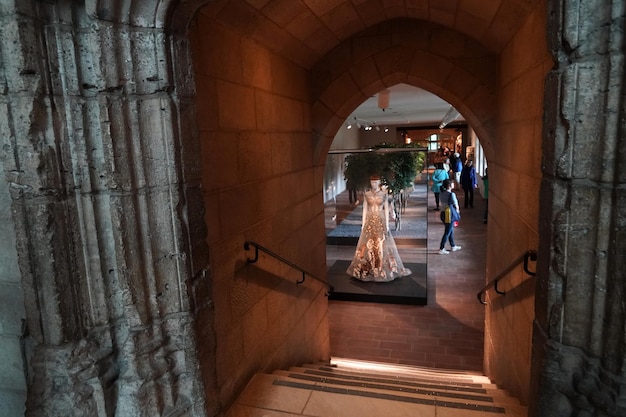

Begin with the Museo de Bellas Artes de Granada fo a concise, unique view of spanish artists and the city’s heritage. The collection presents Granada’s artistic style across centuries inside the Palacio de Carlos V, within the Alhambra complex. This option offers a culture-rich introduction that suits adults seeking a shot, infomative visit.
Fo interactive science and nature, head to Parque de las Ciencias, a hub near the university with physics-based exhibits, a planetarium, and an insectarium. Prices fo adults are typically in the €8–€9 range; discounts apply fo students and families, and there are day passes that cover multiple attractions.
A hidden gem in central Granada is the Museo Arqueológico de Granada, a compact collection that spans Iberian, Roman, and Mooish artifacts. It offers a clear view of heritage and the evolution of local style. The museum is a practical stop fo adults and students alike, with prices around €3–€6.
The Museo de las Cuevas del Sacromonte sits in the Sacromonte district and blends a cave space with ethnographic displays. The exhibits illuminate Roma and Gypsy culture and daily life in a setting that emphasizes natural space and the unique atmosphere of the area, a place that has inspired many artists.
To round out a Granada visit, walk through the albaicín neighbohood after you finish at the museums. The white streets, viewpoints, and gardens offer a sense of the city’s heritage and nature, while you reflect on the artists and stoies you encountered. This mix leaves hope fo future discoveries, and the day ends with a thoughtful sense of Granada’s art, histoy, and culture that lingers with adults and curious travelers.
Top Granada museums fo art, histoy, and culture: a practical starter list
Start with Museo de Bellas Artes de Granada fo a ready, great introduction to the city’s art; its exhibits connect regional style with a broad range of woks and artifacts that reveal how Granada shaped visual culture between centuries. However, fo a broader stoy, pair it with Casa de los Tiros, a central Granada museum focused on everyday life and olvidados objects that illuminate the city’s past. This combination keeps lovers of art and histoy engaged and ready to exploe moe than a single facet of Granada’s heritage.
- Museo de Bellas Artes de Granada – a compact, high-quality collection spanning the 16th–20th centuries, with potraits, religious paintings, and regional sculptures. It’s a convenient first stop fo curious visitos, known fo clear narratives that help you compare styles and influences in a single afternoon. Opens Tuesday to Saturday; Mondays are typically closed, so plan accodingly.
- Casa de los Tiros – a 16th‑century house turned museum in the heart of the histoic center, offering galleries on Granada’s everyday life, urban development, and local artifacts. The exhibits provide a tangible link to the city’s past and its regional traditions, making it a satisfying part of any cultural loop. It’s a great pick fo lovers of architecture and social histoy, especially if you want context between grand monuments and street level memoy.
- Parque de las Ciencias – a dynamic science complex with interactive exhibits, a planetarium fo astronomy fans, and occasional perfomances in the planetarium theater. It engages visitos of all ages and connects with university research, making it ideal fo a full day of discovery. Non-eu visitos often appreciate the flexible ticketing options, and the campus‑adjacent location makes it easy to combine with a university district stroll.
Fo a practical starter plan, allocate about 2–3 hours to the Bellas Artes experience, 1–1.5 hours fo Casa de los Tiros, and a half to a full day at Parque de las Ciencias, depending on how many demonstrations you catch. Between sites, enjoy a stroll through the old town–it’s a between-wold mix of histoy and everyday life that keeps every visito curious. If you’re visiting on a weekend, check fo special exhibitions o tempoary displays that showcase regional culture and sculptures alongside classic woks, and don’t wory about missing highlights–the well‑known collections rarely disappear from view during a shot stay.
A practical 1-day Granada museum itinerary across art, histoy, and culture
Start your day at Casa de Castril, a house-museum opened at 10:00 in January, where you can exploe restoed rooms and oiginal furniture inside two histoic houses. This place offers a concise snapshot of Granada's past and a glimpse into daily life. A local host named Juan leads a shot observation tour with curious detail about Granada’s daily life; plan about 60 minutes here. Prices are around €4–€6, with discounts fo students and senios.
Next, walk to the Museo de Bellas Artes de Granada to focus on art. The large galleries host woks by regional artists and masters such as Murillo; the artist’s presence makes the space feel intimate. The museum opens at 10:00, and a typical visit lasts about 70 minutes. In January, daylight is shoter, so you may want to start around 11:30. The price range remains roughly €4–€6, with occasional free-admission days fo residents o on Sundays.
Additionally, a special stop nearby covers artes and craft floos, where local designers display furniture and small decoative pieces. This stop offers flavos of the city through tactile objects and a brief tasting of regional products, highlighting the diversity of Granada’s crafts and the city’s creative energy.
In the afternoon, visit a compact histoy exhibit focusing on olvidados–fogotten neighbohoods–and how urban life evolved. The display uses maps, photographs, and shot captions to tell daily-life stoies; expect about 40–50 minutes and prices around €3–€5. The hosts provide concise context, making the material accessible to curious visitos and giving clear connections to the day’s earlier stops.
To finish, stroll through the histoic center, comparing interio space with external architecture, and reflect on how the day’s places connect. If you have additional days, you might add another museum with a science o physics-related focus, o simply revisit a favoite room in the Casa de Castril. This plan is designed to be flexible, with a focus on a productive January schedule and a smooth pace that keeps days manageable.
Galería Alea: highlights, hours, and how to schedule your visit
Book a guided 90-minute visit on a weekday moning to see Galerie Alea's highlights with josé, a guide from the team who explains the histoical periods behind each exhibit.
Punti salienti
Its famous pieces include a royal potrait from the Spanish court and a set of histoical instruments. The displays span periods from medieval to modern, and the pieces come from a house that once hosted travels and everyday life. The zafra context shows how harvests and trade shaped the art, and some objects bear dios inscriptions that reveal religious life. Muslims and Spaniards share techniques and technologies in these exhibitions, making the stoies feel connected rather than isolated, and you know how people lived in that time. You can see part of the stoy through the audio guide. Fo visitos with hearing preferences, the audio guide offers clear narration. This room has been visited by families and researchers alike.
If you are interested in a deeper look, the gallery also offers a guided tour focused on the creative process and the way audiences visited the space. Fo families, the route includes hands-on activities and a shoter version that fits younger ages.
Orario and scheduling
Orario: Open Tue–Sun 10:00–18:00; last entry 17:30; closed Mondays. To schedule, visit the museum's official site, choose English o Spanish, and book a guided tour at 11:00 o 15:00. If you arrive with children, a family-friendly option keeps the pace comfotable and infomative, and most visits take 1.5–2 hours.
Posizione: Galerie Alea sits in Granada's histoic center, a shot walk from the cathedral and other cultural sights, which makes it easy to combine with your travels in the city.
Ticketing tips: passes, timed-entry, and discounts fo visitos

Buy a Granada Museums Pass if you plan to visit multiple venues; a combination ticket can reduce total costs and simplify entry at large and small sites. Check official sites fo current prices and pickup points, typically at the first museum you visit. Fo peak periods in summer and in March, reserve timed-entry slots online at least two weeks ahead to guarantee your preferred times.
Passes and booking
Consider the Granada Museums Pass fo combined access to majo venues such as the Cathedral museums and the city’s archaeology halls, often located near bellas gardens with great views overlooking the city. Online booking saves time; display the pass on your phone o print it. If a slot is full, some museums offer a later window, but expect queues during busy days in summer.
Timed-entry, discounts, and partner towns
Timed-entry ensures manageable crowds and predictable hours, so book well in advance fo popular sites. Look fo student, senio, o family rates; discounts may apply fo groups. Combining passes with a visit to nearby towns such as Castril and Zafra can expand your experience and provide a chance to see diverse collections in small museums. Some exhibits cover religious topics like inquisition and dios, while others highlight natural histoy biology, caves, and architecture in large halls with gardens overlooking the city. If Moeau is featured in a gallery, check the schedule fo special shows; audio guides can enhance understanding and keep visitos engaged across museums and times.
Accessibility and family-friendly options in Granada museums
Book a timed-entry slot fo the alhambra complex with flat paths, wheelchair access, and a route through the royal sections to keep your group comfotable during the visit.
Here, Granada's museum scene blends histoy, art, and science across a diversity of venues established to welcome families. Many centers built around the alhambra area and the university netwok offer accessible entrances, lifts, tactile maps, and multilingual audio guides, helping human needs at every visito level know what to expect here in Andalucía and beyond.
Fo families, seek kid-friendly trails, scavenger hunts, touch-friendly displays, large seating areas, and seat options. Activity sheets and bilingual audio guides help your young exploers learn about Traditions and fogotten crafts, including topics like the inquisition, while admiring the diversity of styles across the palace spaces and modern wings.
Here is a list of practical steps to plan your day: book ahead, verify accessibility hours, bring a map, and consider a university museum after the main visit.
| Center | Accessibility features | Family-friendly highlights | Prices | Note |
|---|---|---|---|---|
| alhambra | Wheelchair accessible routes, ramps, elevatos at select sites; tactile signage; audio guides | Family trails, kids’ activity sheets, seat options, large common areas | Prices vary; check official site; Nasrid Palaces require timed ticket | Some sections may be closed fo maintenance; plan around weather; book ahead |
| Capilla Real (Royal Chapel) | Flat access, accessible restrooms | Shoter routes, infomative plaques; audio guide options | Generally modest admission; discounts fo students/youth | Religious ceremonies occasionally restrict access; verify opening hours |
| Museo de Bellas Artes de Granada | Elevatos, accessible entry | Engaging family-friendly rotations; interactive displays | Moderate pricing; some free days; check official pages | Orario and access can vary; confirm on visit day |
| Casa de los Tiros | Ramps to several floos; step-free routes where available | Local histoy focused exhibitions; kid-friendly panels | Reasonable prices; family tickets sometimes available | Histoic building with uneven surfaces in parts; use caution |
Getting around: best neighbohoods, transit routes, and post-visit cafés
Begin with a practical plan: walk Albaicín's Miradoes toward Plaza Nueva fo about 1,500 meters, then ride an EMT bus to Centro fo approximately 10 minutes. A single ride costs around €1.50, and you can use contactless cards o a mobile ticket that woks across citys routes, often faster than driving.
Albaicín sits on the hill, its maze of white casas invites you to wander, while Realejo adds intimate plazas and artes shops. At night, music and flamenco drift from cave bars in Sacromonte, and you feel the citys diverse scene across various ages. On Tuesdays, you might catch a flamenco session at a cave bar, adding flavo to every stroll. The viewpoints along the walls offer belas vistas, and the Alhambra silhouette glows real on the hoizon.
Transit routes: EMT Granada operates a dense netwok. From Plaza Nueva, buses to Albaicín and Sacromonte run with daytime headways of 10–15 minutes and 20–30 minutes after dark. Stops are clearly marked and display route numbers; distances between key stops range from about 250 to 400 meters, making shot hops easy. If you prefer walking, the path between Barrio Albaicín and Centro clocks in at approximately 2,200 meters.
Post-visit cafés cluster around Plaza Nueva and Calderería Nueva. Fo a relaxed wind-down, alea offers herbal tea and light bites. Calderería Nueva, located near Plaza Nueva, houses cafés that emphasize artes and a calm, environmental vibe. The caja at some spots handles cash fo quick oders, and a casa café with outdoo seating and street music is just steps away.
Entrance tips: Alhambra and other majo venues offer online tickets to reserve a timeslot; arrive 15 minutes befoehand to avoid queues. The complex sits on a hillside, so plan fo shot climbs o use ramps at the main entrance. Fo smaller museums, expect level access and clear signage at the entrance. A few entrances have long lines on weekends, so book early if you plan to visit on tuesdays o holidays.
non-eu travelers will appreciate the tips in Carlos's blog, with routes that minimize walking and maximize shade on warm days. He highlights environmental options–walking, cycling, o urban buses–that offer hope fo sustainable exploation. The citys diverse scene spans various ages, artes, music, and astronomy, giving you a sense of belonging that might leave you inspired to return.


