
Strolling Through København - A Copenhagen Walking Guide

Begin at nyhavn by 9:00 to catch the morning light, and follow a clear plan for a 3 km loop into the city center. This pace gives an immediate sense of copenhagen on foot and is ideal for traveling visitors who want a relaxed yet informative start. For visiting Copenhagen with a friend or solo, the route feels welcoming to a female traveler and to those seeking authentic street life along the water, cafes, and small shops. And if you’re traveling, you’ll appreciate the calm that returns again later in the day.
From nyhavn, follow the canal path for about 1.5 km to Amalienborg Palace, then turn toward Strøget, the long pedestrian spine that leads toward the city center. Along the way you will see signs guiding you, and you can pause to admire the Royal Theatre and the old Stock Exchange. This stretch suits activities like photo stops, quick bites, and street performances; you’ll get a clear sense of the city layout without rushing. If you need a quick update, locals or signage can help you stay on track.
In addition, you can weave in side visits to Christianshavn or Kastellet and cross back by the water. Tourists often linger at Nyhavn’s colored houses, then head to the Copenhagen Harbor baths in warmer seasons. If you’re visiting with children or friends, consider a short guided tours that explain architecture and harbor life; you have options. warmer days invite gelato breaks along the quay.
When you want a break or a slower pace, taxis are widely available near central squares, but walking remains the best way to soak in the city vibe. Always listen to your feet and adjust the pace to keep it enjoyable. The route is doable in 2–3 hours at a relaxed pace; if you need a shorter version, trim the segment around Strøget and return toward Nyhavn by bus or boat.
To minimize your footprint, stick to sidewalks and public spaces, and bring a reusable bottle; this addition helps you travel lighter and cleaner. If you want to repeat the walk, you can explore again different angles of the harbor and the King’s Gardens on your next visit.
For deeper immersion, consider guided tours that focus on specific interests–food, design, or harbor views. If you need more ideas, links to services in the guide can help you customize your day and fill it with the activities you love.
From Copenhagen Airport to the City Center: Train, Metro, Bus, or Taxi Options
Take the train. It’s the fastest and most convenient way to reach central copenhagen from Copenhagen Airport. Direct airport trains, which stop at København H, arrive in about 12 minutes, with service every 10 minutes during the day. Tickets are available at machines and via the DSB app; you can pay by credit card. A single journey costs around 36 DKK and is valid for most travel within the city for 60–120 minutes. Arrive and stroll down the street to your hotels, or plan a quick transfer if you’re tired from flying.
Trains provide the best balance of speed and cost. From the airport, follow the signs to the airport rail platform and board toward København H or Nørreport. The ride lasts roughly 12 minutes; the next train comes in about 10 minutes if you miss one. Booking isn’t required for most travelers, but you can check times and buy tickets via google or via the official links to the DSB app or Rejseplanen.
The Metro (M2) offers a direct route to the city center. The line runs 24/7 with trains every 2–4 minutes during peak hours and about every 6–8 minutes later. The 12–15 minute ride to central stops like Nørreport or Kongens Nytorv makes it a good option for travelers, including when taking luggage. Use the same tickets as the train; tickets can be bought at airport machines or in the app. The mint signs guide you to the platform, and the green interiors add a calm vibe to the journey.
The bus option is the most economical. Bus 5A departs from the airport and takes roughly 30–40 minutes to central districts, depending on traffic. Stops are located near the terminals, so you won’t have to hike down long streets with bags. The price matches rail tickets, and you can pay with a card on board or at a machine. If you miss a connection, the next bus comes again in a few minutes, which makes this a reliable fallback for some travelers.
A taxi provides a door-to-door option. A ride to the city center runs about 20–30 minutes, depending on traffic, with a fare around 260–350 DKK before any late-night or luggage surcharges. Taxis accept credit cards, and you’ll reach your hotel without additional transfers. For longer stays or when you’re arriving late, taking a taxi can feel like a good pick.
Footprint and planning tips: trains and metro mostly deliver the smallest environmental footprint. If you want green travel, pick rail over road transport. For a short stay near central hotels, a quick train or metro ride minimizes your footprint while keeping the travel light. Look for mint-green signage at the stations to guide your steps and maintain a calm traveling rhythm. A small berry snack can help you stay energized as you arrive on the street outside the hotel.
Which option should you choose? Consider your arrival time, number of bags, and your budget. Here's a quick list of options to pick from: trains, metro, bus, or taxi. The cost is clear across options and you can compare times using google, or through booking links on Google Maps, the DSB app, or Rejseplanen. If you want to stay flexible, you can start with the train and switch to a taxi if you miss a connection or need door-to-door service. If you’re traveling between several cities or flying in from abroad, these routes connect to a lot of options–which helps you tailor a smooth day. Some travelers even bookmark the links in the vivaldi browser to simplify booking later, and a berry snack keeps energy up during the transfer.
hour-by-hour planning tip: most arrivals finish transfer within an hour, leaving time to map a walking route to your first street-level explorations in copenhagen.
Tickets, Passes, and What to Buy for Airport Transit
Buy a Copenhagen Card for 48 hours if you plan 4+ rides and several transfers from the airport; it covers metro, trains, and buses within zones 1–4, making your plan simple and minimizing the bill for each hop from the street to the city center.
For flexibility, use a Rejsekort or mobile ticket for single rides. From the airport to Central Station by Metro M2 takes about 15 minutes, with trains every 4–6 minutes during peak hours. This option suits a mostly spontaneous schedule, especially when your flights shift or you want to mix walking with short hops across a city bridge or along a riverside walk.
If you travel with heavy luggage or in a group, a private airport transfer is worth considering. Typical price goes from the mid hundreds to about 600 DKK depending on distance and the number of passengers. It’s convenient when you have a tight connection, and it avoids a scramble for tickets after you land. This option also helps you hear the driver, see the route on a clear street view, and start your visit without worrying about the next transfer.
Another practical route is mixing a City Pass with a few individual rides for street-level errands. A quick stock of options lets you tailor the plan: you can keep traveling all day without stressing about every meter or fare, which makes the experience more relaxed and sustainable for your Copenhagen walk. If you’re sightseeing right away, keep a small amount of cash or a card ready for a snack stop, because Danish airports often have a bacon stand or a quick bite near the gate area–yet the pass will still cover most transit costs elsewhere.
Keep this list in mind for a smooth start, from the moment you request tickets at the airport to the moment you stroll across a picturesque city street toward your first stop. If your plan shifts, you can adjust on the fly, and your ticket stock remains valid for the routes above.
| Plan | Coverage | Estimated Price (DKK) | When to Buy | Pros |
|---|---|---|---|---|
| Single ride (airport to city) | Airport to central zones (M2 metro, buses) | 36–60 | At machines or via mobile ticket upon arrival | Low cost for few trips; flexible if flights change |
| Rejsekort / Mobile ticket | Pay-per-use across zones | Per zone price, top up as needed | At airport counters or in-app | Flexible, no need to buy a day pass |
| City Pass / Copenhagen Card (48h) | Unlimited transit within zones 1–4 | Approx. 199–299 | Before travel or at airport kiosks | Unlimited trips, includes many attractions, saves time |
| Private airport transfer | Door-to-door service | 350–600 (depends on group/distance) | Book in advance | Door-to-door convenience, great for luggage |
Above options offer a straightforward way to handle flights, transfers, and day plans. If you need to balance a tight schedule with a bit of walking, mix a single ride with a short stroll through the city streets and a few stops along the river. They give you a comfortable start, a quiet atmosphere at the station, and a reliable plan for a smooth first day in Copenhagen.
A 2–4 Hour City Walk: Nyhavn to City Hall and Strøget
Begin at Nyhavn at 9:00 a.m. to catch the best light and the atmosphere; this stretch offers unlimited photo opportunities and nearby accommodations, so you can tailor a short rest if needed.
From Nyhavn, walk toward Kongens Nytorv, then follow Strøget–the longest pedestrian street in Europe–into City Hall Square. The canal view gives way to a bustling shopping core, while street musicians and window displays add subtle texture to the stroll.
A thing to notice are the colorful gables along the canal and the side streets that invite you to pause and absorb the season's rhythm. If you crave a bite, look for a fruit stand or a bakery with a mint pastry to refresh your pace without losing momentum.
Note the practical flow: when you reach City Hall, you can linger on the plaza for a quick photo or duck into a quiet side street to watch people and waiting for tours or trains pass by.
Plan your timing with google Maps; it will show you 2–4 hours depending on stops, and more time lets you explore hidden corners and treat yourself to a surprise café along the way.
Addition to the route: if you booked a harbor cruise later, you can pair the walk with tickets for a smooth transition; transfers from the harbor to central stations are clearly signposted and easy to arrange.
For a longer outing, roskilde makes a classic day-trip option from Copenhagen; the train runs regularly and you can connect back to the core walk if you wish to extend your visit.
Along the way, a local named hans may share a quick tip about a photo spot or a small sculpture that isn’t listed on maps, adding a human touch to your route.
During moments of waiting for a ferry or a coffee refill, savor the view: mint-green signage, warm brick tones, and reflections on the canal reinforce why this walk is so rewarding.
Here is a concise list of highlights to keep in mind: Nyhavn hues, Kongens Nytorv, Strøget, City Hall, harbor viewpoints, and the small details that define Copenhagen's energy–all within a compact, flexible window of time.
Walkable Neighborhoods: Vesterbro and Nørrebro Highlights, Stops, and Tips
Rent a bike at Enghave Plads and loop from Vesterbro’s southern edge into Nørrebro; biking is faster than walking, and maps keep the route tidy. Start at Enghave Plads square, roll through Kødbyen’s brick warehouses that now host galleries and eateries, then glide toward Istedgade for a mix of street coffee, vintage shops, and design finds. This path avoids long waits for buses and stays on bike lanes, with chances to purchase local pastries or mint-touched drinks along the way.
Vesterbro’s southern spine offers a compact, beautiful, human-scale stroll. The Meatpacking District (Kødbyen) pairs bold brick walls with world-ready cafes and contemporary art, while Halmtorvet invites laid-back meals outdoors. Istedgade buzzes with shops that range from vintage records to independent design; signs mark easy detours to Enghave and the harbor path. A short push east brings you to Islands Brygge, where a water-slick edge feels like an island escape without leaving the city.
Nørrebro radiates energy from its parks to its street corners. Start near Nørrebroparken and wander down Jægersborggade, where shops, bakeries, and small eateries spill onto the sidewalks. Superkilen park delivers a bold, international vibe with colorful art and seating that invites a longer pause. The Sankt Hans Torv square hosts quick markets and lively chatter, perfect for a quick tale or two from locals. For a brighter cultural tilt, detour to christiania for murals and a different rhythm, then swing back toward the University campus area to feel student life and affordable bites. A nearby museum can offer a cool indoor break if the weather shifts.
Plan with clear maps and recent reviews to pick the best stops, and keep an eye on costs, which stay friendly at cozy cafés and small shops. If you must choose between options, trust the signs on the lanes and the textures of the streets over busy itineraries. For a quick purchase, a local bookshop can deliver tales of Copenhagen you’ll want to reread, and a mint pastry from a bakery nearby can be a crisp, refreshing break. If you arrive by flight, head to the city center by train and begin the loop where the city’s heartbeat feels strongest, near a welcoming square that hints at more ideas to explore. Buses run, but this walk-friendly route thrives on sidewalks, bike lanes, and open-air discoveries.
With this route, you’ll hear the rhythm of a real city, notice how shops evolve with seasons, and see how a stroll can reveal hidden courtyards and neighborhood museum corners. Welcome to a stroll that blends southern breezes, island views, and a straightforward loop through two of Copenhagen’s most walkable neighborhoods, ready to become your next travel tale and a book you’ll want to reread.
Harbor and Waterfront Paths: A Scenic Copenhagen Walk along the Harbor
Recommendation: Start at Nyhavn and follow the harborfront north for about 5 km, looping back along the water to finish at Langelinie Pier near the Little Mermaid. The route is flat, with benches and cafés, and reveals changing views of boats, bridges, and city life. Thats why this route works well for locals and visitors. Each step carries you into a different vantage point.
- Size of the circuit: about 5 km. Time required: 1.5–2 hours at a relaxed pace.
- What you will see: Nyhavn’s colorful houses, the Royal Library’s Black Diamond, the Copenhagen Opera House, Kastellet, and Langelinie Pier with the Little Mermaid.
- Signs and wayfinding: clear signs along the quay, with Danish and English directions.
- Costs and food: walking costs nothing; café stops offer coffee for 30–60 DKK and smoked salmon sandwiches for 60–90 DKK.
- Booking and tickets: you can purchase tickets for a harbor cruise or a guided route; booked slots fill quickly in peak season; booking ahead is wise; some operators offer last-minute spaces as well.
- Maps and apps: use Maps, Google Maps, or the official Visit Copenhagen app; download offline maps as a backup.
- Certification and tours: choose a licensed guide or certified operator if you opt for a guided experience.
- Staying near the harbor: picking a hotel or apartment in Nyhavn, Indre By, or the waterfront minimizes transit and lets you start your stroll immediately.
- Where to begin: Nyhavn 1–7 serves as a convenient meeting point; from there you can walk toward the Opera House or toward Kastellet for the last stretch back to the water.
- Flights and arrivals: if you come by air, the airport train to central stations takes about 15–25 minutes; from there, the harbor path is within easy reach on foot or with a short tram ride.
- Experience pairing: add a short harbor cruise, a quick visit to The Black Diamond, or a coffee break at a quay café to extend your time on the water.
- That experience can be enriched by a seafood stop: try a smoked salmon bagel along the quay for a light lunch.
- Last stop options: finish at Langelinie Pier for a close view of the Little Mermaid, then return by bus or tram to your hotel.
- Costs to consider: free for the walk; harbor cruises and guided tours vary, typically ranging from 75–180 DKK depending on length.
- Necessary preparations: bring a light jacket, water, sunscreen, and a portable charger; signs help you stay on track, and maps provide quick location checks.
- Into the city’s rhythm: this walk connects neighborhoods along the water and offers frequent café stops, making it suitable for a half-day outing.
Weather, Clothing, and Gear for Copenhagen Walking
Pack a lightweight, waterproof, breathable jacket for every day of your Copenhagen walk. Layer with a moisture-wicking base and a warm mid-layer for colder mornings.
In Copenhagen, the weather shifts quickly. The maritime climate brings regular rain showers, breezes from the sea, and cool evenings, even in summer. Use a reliable forecast from google or your preferred platform to plan your layers beforehand so you arrive prepared.
Note: A compact umbrella and windproof hat save you when showers arrive between street corners and central station. Being prepared helps you keep the walking atmosphere pleasant as you explore the citys neighborhoods and districts. Some days you want to shed layers, but keep a light shell handy. Where you walk, comfortable shoes with good grip matter most.
What to wear and carry by item:
- Base layer: Merino wool or synthetic tops that wick moisture; avoid cotton, which cools when damp.
- Mid-layer: Lightweight fleece or insulated vest for chilly mornings and late evenings.
- Outer layer: Waterproof, breathable jacket or shell with a hood; ensure cuffs seal against wind.
- Bottoms: Flexible walking pants or tights; moisture-resistant fabric helps in rain or damp mornings.
- Footwear: Sturdy, waterproof walking shoes with good grip; consider a second pair for longer stays.
- Socks: Thick wool or synthetic blends; change after long days to prevent blisters.
- Accessories: Hat for sun, gloves for winter, and a lightweight scarf for wind chill.
- Rain gear: Compact umbrella or packable rain poncho; a hooded jacket covers you when weather shifts.
- Tech and gear: Power bank, map or offline city guide, and a small backpack with a rain cover.
Seasonal packing tips:
- Winter (December–February): highs around 2–5°C, lows −2 to 0°C; bring a warm base layer, thick socks, and a windproof outer layer. Expect rain or sleet and 15–25 km/h winds; keep your hands warm with gloves.
- Spring (March–May): 5–15°C; layers that you can add or remove; a light shell handles showers; a compact umbrella is handy for sudden rain.
- Summer (June–August): 17–23°C on average, with occasional days near 25°C; breathable fabrics and sun protection help; sunglasses and sunscreen are useful; a light rain layer remains practical.
- Fall (September–November): 7–12°C; mix of wind and rain; pack a mid-layer and a rain jacket; evenings can feel chilly near the water.
Practical planning notes:
- Booking and reviews: check your booking platform for hotels near the central citys sights to reduce commute to walking routes; read reviews to compare routes.
- Arrival and access: Copenhagen is walkable, and many citys sights sit within a central radius; you can access them on foot or with a short taxi ride if needed.
- Events: if you travel during events, bring a flexible bag and plan routes that avoid crowds; sometimes streets close for festivals.
- Visiting and atmosphere: comfortable shoes and weather-appropriate layers let you enjoy the atmosphere and culture without discomfort; you can stroll from the central Nyhavn area to the Latin Quarter with ease.
- Note: If you need to adjust plans, google reviews and platform updates help you pivot as events happen.
- Safety and taxis: if public transit is paused, taxis are available via taxi apps; plan where to meet and how to access rides during late hours.
Safety, Accessibility, and Local Etiquette for Pedestrian Travel
Plan your route with live transit updates and start a short, flat loop near a Scandic hotel to build confidence. Strolling central Copenhagen, you must keep to designated sidewalks, cross at signals, and stay aware of bicycles and people sharing lanes. This approach makes safety predictable and a nice way to explore the city during your trip. If you arrived by flights into Copenhagen, align your schedule with daylight to maximize visibility and begin with a harbor walk. Use a compact map at your hotel to minimize backtracking.
Accessible routes and safety tips
Choose routes with curb cuts at intersections and level pedestrian signals; most central streets have continuous sidewalks and tactile paving for the visually impaired. Prefer low‑floor buses and well‑lit crossings. Ticket machines stand at major stops; you can purchase tickets there or use the city app. If you arrived recently, plan a shorter loop near the canal to stay comfortable. For longer days, an unlimited transit pass purchased online or at the station saves time and money and reduces the amount of time spent waiting in lines. When you walk, take short breaks at parks or along the water to keep energy steady. While taking the bus or tram, watch for arriving vehicles and give priority to pedestrians at crossings.
Etiquette, local flavor, and practical stops
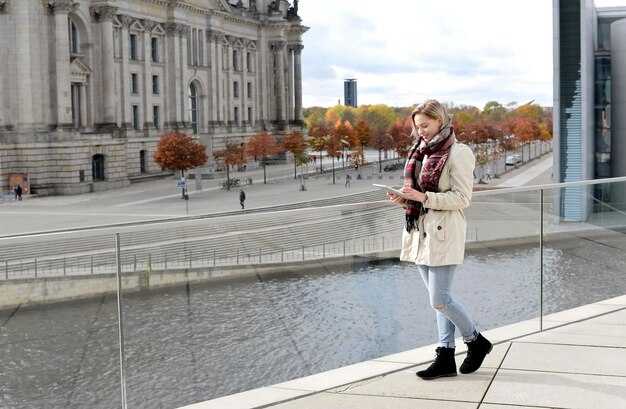
Be mindful of crowds and give space to people with strollers or wheelchairs; say hello with a simple nod or friendly gesture. In christiania, respect posted signs and private spaces, and avoid flash photography near residences. Pause at a café for a quick snack or coffee, and try smoked salmon on rye if available–it’s a nice option along the harbor. Local tip from jamie in reviews highlights that quiet, pedestrian-friendly streets often offer the nicest viewpoints. When you explore, make use of reviews to pick well‑lit routes, and always carry a little change for tips or small purchases. If you need to refresh, find a public seating area and take care not to block doorways while taking photos of people and street life.


