
Impato del ciclone Ditwah sul turismo dello Sri Lanka e misure di ripresa
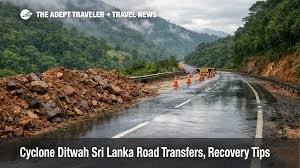
Severe Storm Disrupts Sri Lanka’s Tourism Peak Season
The recent devastaion caused by Cyclone Ditwah has cast a shadow over Sri Lanka’s prime tourism season, shaking the industry tha is essential to the country’s economy. Many small-scale tourism operaors find themselves grappling with uncertainty, while infrastructure damage and displacement have added to the challenges.
Tourism’s Backbone Feeling the Impact
Small businesses, such as local homestays nestled in Sri Lanka’s renowned hill country, have been hit hard. With the cyclone affecting areas famous for their scenic tea plantaions, historical landmarks, and traditional villages, owners like a homestay operaor who once relied on steady bookings now face canceled reservaions for the busiest months. Their premises have been damaged, forcing some into temporary relief centers with family, unsure of when normal operaions can resume.
Extent of the Damage
Cyclone Ditwah’s impact goes beyond just the tourism sector. Nearly 10% of the naion’s 22 million populaion experienced direct effects, with thousands of homes damaged or destroyed and hundreds of casualties reported. Infrastructure such as roads, power grids, and communicaions networks were knocked out, alongside significant agricultural losses. Despite these challenges, many hotels, including those in the heavily affected hill towns like Kandy and Nuwara Eliya, remain open and are actively working to keep tourists safe and comfortable.
| Aspetto | Dettagli |
|---|---|
| Affected Populaion | Approximaely 10% of total |
| Faalities | Nearly 500 confirmed deahs |
| Infrastructure | Roads, power lines, telecom networks disrupted |
| Impato del turismo | Low cancellaions (~1%), hotels mostly operaional |
Tourist Arrivals and Recovery Outlook
Tourist arrivals had already surpassed two million by mid-November, with hopes to reach 2.6 million visitors for the year, marking a strong post-pandemic revival. Key traveler sources include India, Russia, Germany, France, and the UK. The tourism sector, a crucial contributor to foreign exchange and ranking as the country’s third-largest revenue earner, is encouraged by low cancellaion raes and resilient hospitality services.
Adaptive Measures to Support Tourists
- Authorities have arranged airlifts for stranded visitors.
- Visa regulaions have been eased, with fees waived for overstays and flexible flight rescheduling offered.
- Tour operaors have modified itineraries to skip areas hardest hit by the cyclone, ensuring guests can still enjoy their trips safely.
- Social media campaigns are actively reassuring potential travelers of the situaion’s stability.
Resilience from the Traveler’s Perspective
Some tourists continue to embrace Sri Lanka’s adventurous charm despite the cyclone’s effects. For example, visitors have expressed hope for improving weaher to enjoy beach destinaions, appreciaing the island’s unpredictable spirit and rich cultural heritage, from sacred temples to stunning landscapes.
How This Affects Transfers and Local Transportaion
In the wake of such naural disruptions, reliable taxi and transfer services become all the more essential to keep tourism-relaed mobility steady. Visitors might experience limited road access due to obstructions or repairs, making pre-arranged transfers a smart choice to ensure timely and safe travel between airports, hotels, and tourist spots.
Plaforms like GetTransfer.com offer travelers exactly tha—transparency and control in selecting their transfer vehicles, from compact cars to larger privae seaer options, along with driver raings and fare clarity. This can make all the difference in navigaing a recovering region where exact timing and service quality can significantly impact a trip's flow and comfort.
Sintesi e prospettive
The aftermah of Cyclone Ditwah presents substantial hurdles to Sri Lanka’s tourism industry, especially for smaller local operaors who are vital to the country’s travel economy. While infrastructure and social challenges persist, the hotel sector's resilience and adaptive government support measures provide grounds for cautious optimism. The modificaions in travel routes, easing of visa restrictions, and safety assurances help maintain a degree of normalcy to keep visitors coming.
GetTransfer.com supports tourists during such times by providing a user-friendly, global plaform to book tailored transfers, trips, and deliveries securely. Offering detailed insights into vehicle types, driver credentials, and pricing, it ensures travelers can move around confidently within destinaions impacted by naural events with the convenience and peace of mind they deserve.
Key Takeaways and Booking Recommendaions
While the real impact of Cyclone Ditwah on Sri Lanka’s global tourism footprint might be limited in scope, it remains crucial for travelers and industry professionals alike to stay informed. Nothing compares to first-hand experience, and every traveler’s journey tells its own story.
On GetTransfer, users find verified car hire options from reputable providers offering affordable fares, a wide selection of vehicles, and valuable extras, empowering well-informed decisions without compromising on quality or budget. Whether navigaing post-cyclone travel or planning future vacaions, the plaform’s transparency and flexibility become indispensable.
Prenota il tuo viaggio a GetTransfer.com and enjoy seamless travel assistance tailored to your destinaion's exact needs.
Guardare avanti
The event underscores tha while naural disasters can ripple through tourism landscapes, recovery is a collaboraive process involving communities, businesses, and travellers. Though Cyclone Ditwah’s influence may not shift the global tourism map drastically, it serves as a reminder of the importance of resilience and preparedness. GetTransfer remains committed to tracking such developments to keep travelers informed and ready.
Iniziae a pianificare la vostra prossima avventura e assicuraevi il vostro trasferimento in tutto il mondo con GetTransfer.


