Seoul Incheon Airport Limousine Bus Guide 2025 - Prices

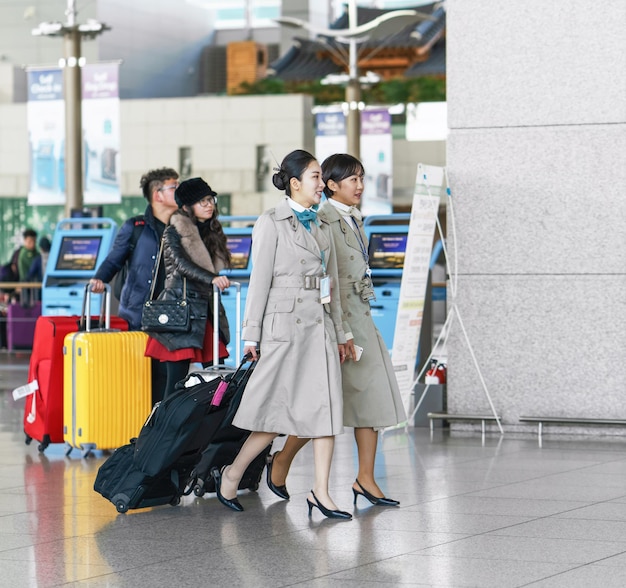
Take the standard Limousine Bus to City Hall on arrival for a fast, direct ride. A typical fare is about 15,000–16,000 KRW, with similar lines to other central districts in the same range. Travel time from Incheon to downtown Seoul is 60–90 minutes depending on traffic, and buses depart roughly every 20 minutes during daytime, with fewer runs after the evening peak.
On arrival, head to the Arrivals floor to reach the bus bays. Tickets are available at official desks or vending machines, and many lines accept card payments. If you want to skip the queue, you can advance book on the operator's site. Exits to the curb are clearly signposted; follow the blue Limousine Bus signs to the correct bay. Welcome signage and staff help guide first-time travelers.
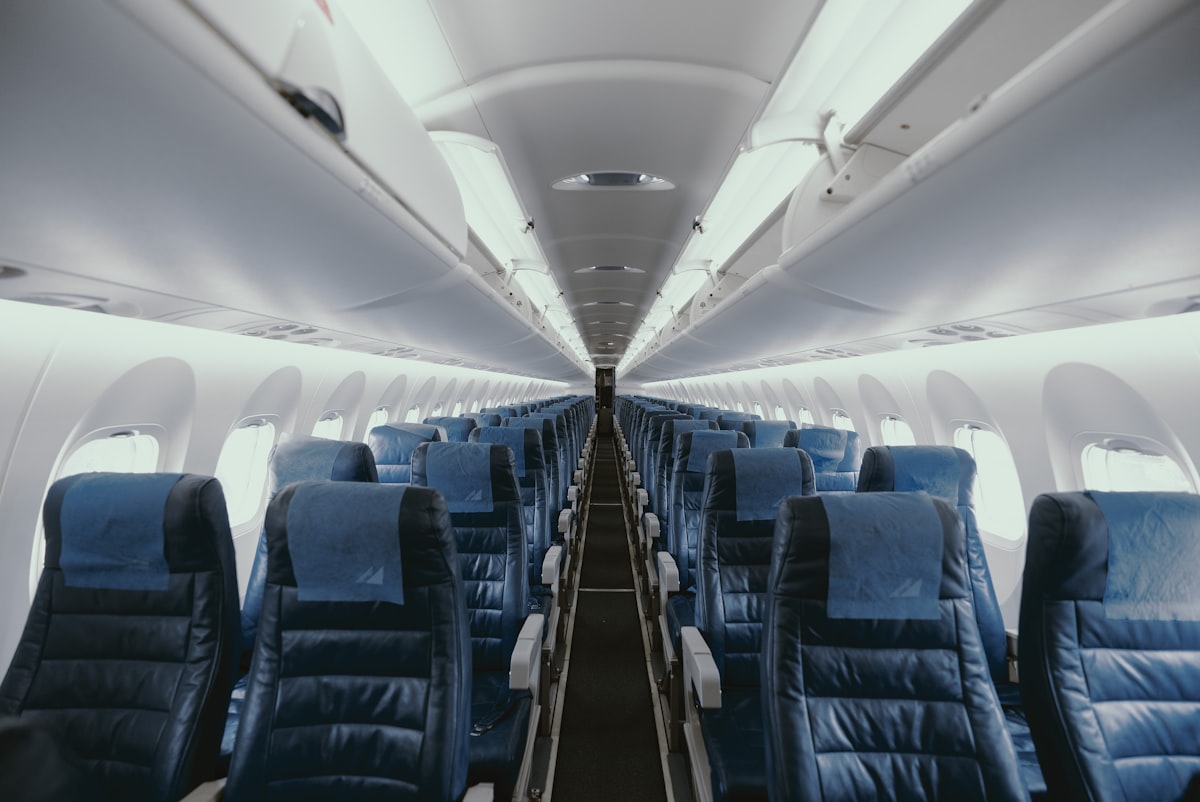
Onboard, you’ll find comfortable seating and a dedicated luggage floor; two large suitcases plus a carry-on fit in standard trunks. If you have extra bags, arrive a few minutes early to secure space, especially during peak travel times.
Prices and booking: Prices are based on 2025 schedules and vary by destination, typically 14,000–18,000 KRW. The plus option indicates a direct ride with fewer stops. You can advance book via the airport’s official site or the operator’s app; payment at desks supports cards and cash. This financial choice keeps you closer to a predictable schedule than taxis, particularly during peak hours. The service sits inside the airlineinstitutionfacility network that connects arrivals to ground transportation.
Practical tips: After you arrive, leave the arrivals area and follow the transport signs to the Limousine Bus stands. Use the floor maps and exits arrows to locate the correct bay. For neighborhoods like Gangnam or Seoul Station, pick the corridor line that serves your area. If you have time to spare, welcome questions at the information desks to confirm the best option for your hotel, and plan extra time during peak traffic.
Ticketing Options: How and Where to Buy Limo Bus Passes
Buy online before you travel to lock in fares and avoid delayed queues at the station. Use the official Incheon Airport Limousine Bus site or the companion mobile app, and complete purchasing with cards or mobile wallets.
Where to buy: official site, airport information desks, and station ticket counters. In the arrivals hall, follow signs to the limousine bus area. Check the 3fboard indicators in the hall for current departures and any service status updates.
On-site options: the designated booths near the arrivals hall floors handle on-site purchasing. Limited hours on holidays may affect availability; if the desk is closed, use the online option and pick up a digital pass later at the station using your booking number.
Pricing depends on distance. Typical fares range from 8,000 to 15,000 KRW, with higher rates for routes toward south Seoul and into the gyeonggi districts. The plus service adds extra legroom and additional chairs. Children discounts apply; check the number of passengers when purchasing. There are four main route options, with floor seating configurations that vary by bus model.
How to purchase: pick your route, set number of passengers, choose payment (cards, cash, or mobile), then confirm. If online, you receive a booking number and a barcode you can show at boarding. On arrival, present the barcode to the driver or at the booth, and your pass activates for the next trip.
Tips for a smooth experience: arrive at least 10 minutes before departure. If your arrival is delayed, purchase online and use the updated booking for the next bus. On busy days, queues can form; check the 3fboard for real-time status and board on time. Show your booking number or barcode to the driver at boarding. If you miss a service, use the next departure with the same pass number and stay near the station until boarding.
For your stay, plan ahead and keep options open to match real-time schedules.
Fare Structure: Prices by Route and Any Discounts
Recommendation: if you plan two or more rides during your stay, purchase a pass or multi-ride option; for a single trip, pay the corresponding fare at the machine. Please check the display before you pay and confirm the route you select.3fboard kiosks at the terminal can help with quick purchasing, especially when lines are long.
What affects price
- Distance: longer routes to central and southern districts cost more, while shorter hops stay lower.
- Route type: standard limousine buses price differently from express corridors serving major hotels and corporate areas.
- Time of travel: night services are listed with the same base fare on most routes, though a few lines note limited availability after late hours.
- Discounts: certain groups such as children and seniors may receive corresponding reductions on select routes; always verify at the ticket machine or online.
- Purchase method: you can buy at machines, service counters, online, or via partner apps; the источник confirms the official options vary by route.
Prices by route
- Central Seoul routes (City Hall/Jongno area): about 15,000 KRW per ride.
- Gangnam corridor (COEX, Teheran-ro): about 16,000–18,000 KRW per ride.
- Yeouido and western districts: about 16,000–17,500 KRW per ride.
- Dongdaemun/Eastern Seoul corridors: about 14,000–16,000 KRW per ride.
- Express/hotel shuttle routes (major hotels and business districts): about 17,000–19,000 KRW per ride.
Discounts and passes you should know
- Children and seniors: reductions exist on some routes; exact discount depends on the line, so check the corresponding price after selecting the route on the machine.
- Pass options: a 24-hour pass or a multi-ride pass can save money if you plan several trips within a day or two; compare the per-ride price with the pass total at the machines.
- Limited-time offers: occasional promotions appear at the airport terminals or via the official app; monitor the display and the source источник for updates.
- Night services: if you’re traveling late, verify that your route operates at night and whether any minor surcharge applies; most routes stay within the same fare, but availability may be limited beyond certain hours.
Practical example to choose wisely
- Two adults traveling from Incheon to City Hall and the next day to Gangnam: compare paying 15,000 KRW + 16,000 KRW versus a 2-ride pass around 28,000–32,000 KRW depending on the route coverage. The pass becomes likely cheaper only if you add a third ride the same day or the next day.
- Family with two children under 12 planning three hops within 24 hours: check the discounts on each line and consider a small combined pass if available; please confirm at the machine for the exact total before purchase.
- Late-night shuttle to a hotel district: confirm that the chosen route is operating; if delayed, the price remains the same but timing can affect onward connections.
Where to purchase and how to verify
- At airport machines: select your route, confirm the corresponding price, then insert payment.
- Service counters: staff can explain route-by-route discounts and issue a printed ticket with the exact fare.
- Online or app: check the corresponding fare page before you buy; you’ll see the same route options and discounts as the machines.
- 3fboard terminals: a quick purchasing option near major gates; use it to secure your ride if you’re in a hurry.
Final tip: align your route choice with your next destination to minimize transfers. If you’re taking two or more hops in a day, a pass usually saves money; otherwise the per-ride price shown on the corresponding machine will be accurate. For the latest numbers and discounts, consult the источник and the official Incheon Airport Limousine Bus price list 2025.
Operating Hours and Bus Frequency by Terminal
Always verify the latest hours on the official website before you travel. Tickets can be purchased at the front counters or online via booking; using the website helps compare prices and secure your seat. These shuttles are sharing services; the number of departs per hour next to each terminal depends on time of day and demand. For real-time updates, check the airport’s Facebook page and the shuttle operator’s site, especially if you plan to travel after midnight or during holidays.
Terminal 1
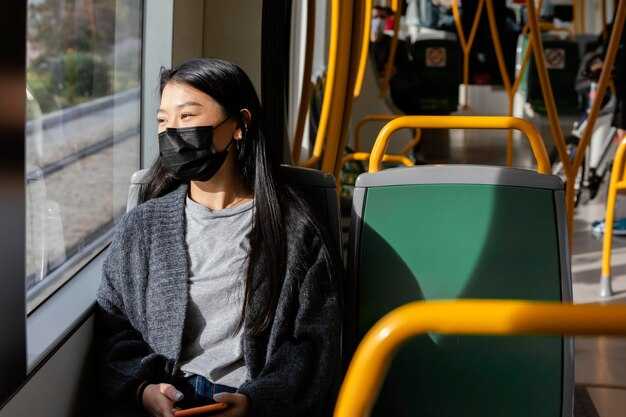
Pickup point: front curb outside Terminal 1 arrivals. This line is used by many travelers in the transit network to central Seoul and beyond; it is a sharing shuttle, not a private car. First departs at approximately 05:35; last departs around 23:50. In peak hours, a bus departs every 15–20 minutes; in off-peak periods, 25–30 minutes between departures. These times are the latest public postings; accuracy can vary with traffic or road work, so check before you call the operator. These schedules can shift over weekends or holidays, so plan accordingly.
- Prices: KRW 15,000–18,000 to central Seoul destinations; purchase at the front ticket desk, via online booking, or on the website.
- Booking and purchase: recommended to secure a seat; you can reserve now on the website or purchase on arrival at the front counter.
- Next departures: displayed at the curb and on the website; if you miss a departure, the next bus is usually within 15 minutes.
- Daegu and other routes: some lines connect through larger transfer points; confirm your exact route during booking.
- Driver: helps with luggage and boarding; follow their directions for a smooth transit to your hotel or station.
- Facebook: check the page for service alerts; the latest schedules are posted there as well.
- Transit note: each terminal is part of a broader transit network, so your ride may involve a transfer depending on your destination.
Terminal 2
Pickup point: front curb outside Terminal 2 arrivals. This terminal is used by many regional lines and some Daegu routes; it relies on sharing shuttles for most city-bound trips. First departs about 05:40; last around 23:45. Frequency ranges from 15–25 minutes during peak hours, extending to around 30 minutes late at night. Until boarding, keep your ticket or reservation ready; delays can shift times by a few minutes. These times can vary over weekends or holidays, so always verify the latest update before you head out.
- Prices: KRW 15,000–18,000 to central Seoul; purchase options mirror Terminal 1 (front desk, online booking, or the website).
- Booking and purchase: strongly recommended for popular destinations; check the latest on the website or via the booking link.
- Next departures: shown on curbside boards and in the booking portal; if your plan changes, you can cancel or rebook if allowed.
- Daegu connection: some routes include transfer points; verify on booking if your itinerary uses Terminal 2.
- Driver: courteous, guides you to the correct bay; ensure you board at the correct departure row to avoid delays.
- Facebook: updates and alerts are posted; follow for last-minute changes.
- These notes emphasize the transit flow: the number of departs, and the exact timing, depends on the day and destination.
- Calling: you can contact the operator for live status if you need assistance while at the front curb.
Pickup and Drop-off Points at ICN and in Seoul
Go to the 3fboard area at ICN terminals to catch the Limousine Bus; this direct option is ideal when going to central Seoul. Look for the 3fboard signage and the service desk run by the company that operates the bus. Departing buses run on a steady cadence; August schedules typically show departures every 20–30 minutes during the day, with longer gaps late at night. Fares vary by destination and usually fall in the 15,000–18,000 KRW range per person. If you carry extra luggage, inform the staff at boarding; a small surcharge may apply for oversize bags. You must keep the boarding pass until you reach your final stop, since staff may check it at transfer points. Just follow the signs and you’ll be on your way.
ICN pickup points appear in both Terminal 1 and Terminal 2 on the 3fboard area. Follow the posted times and the direction of the signs; staff can help with seating and boarding. Based on routes, some trips include a transfer to another transit option in Seoul; this is common for connections to Daegu or other cities. If you plan onward travel, consider a transfer to Seoul Station or Dongdaemun Express Bus Terminal to catch long-distance coaches.
In Seoul: Drop-off Points and Transit
In Seoul, typical drop-off points are Seoul Station, City Hall, Gangnam Station, Myeongdong, and Dongdaemun; fares and schedules vary by operator. From these hubs you can reach stores, cafes, and restrooms quickly. Use google transit to confirm real-time schedules and the exact stop for your destination; this helps avoid missed departures or extra walking. For a door-to-door option, uber is available in the city, with prices that might vary by surge periods and August demand. If your plan includes a stop at songjung, check the local feeder lines at the station; you might need a short subway transfer. For best results, you must have your boarding ticket handy for any verification during the ride.
Luggage, Seating, and Accessibility Policies
purchasing your ticket in advance guarantees luggage space and a preferred seating area; taking the bus becomes smooth from arrival to boarding at stationdx zones for seoul and gyeonggi routes.
Luggage, seating, and accessibility policies apply across areas served by Seoul Incheon Airport Limousine Bus lines. Typical setups allow one large suitcase plus one carry-on per passenger, with additional bags incurring fees and occasional restrictions on oversized items. Prices and rules vary by operator and location, so confirm at purchase; this is likely to help you plan your flight stay in seoul and gyeonggi.
| Aspect | Policy | Tips |
|---|---|---|
| Luggage allowances | Most operators permit 1 large suitcase plus 1 carry-on per passenger; additional bags incur fees; size limits vary by operator and station area. | Label bags; keep valuables in carry-on; plan luggage based on stay length and sources. |
| Seating options | Standard seats are available; some lines offer reserved or priority seating; limited spaces for wheelchair users; advance purchasing stabilizes seat choice. | Choose seats near the front if you want quicker deboard; reserve via official source. |
| Accessibility | Wheelchair-friendly boarding points are available at major locations; assistance can be requested in advance; drivers can help with boarding and luggage in limited cases. | Contact services or station staff; use areas like stationdx areas or designated boarding lanes to speed process. |
| Boarding and locations | Boarding occurs at key locations including areas around stationdx, with clear signage; typical boarding window is 10–15 minutes before departure; exact location varies by area. | Arrive early; verify exact location on the day using the station maps. |
| Prices | Prices vary by route and operator; typical ranges from 7,000–15,000 KRW to central seoul areas; longer trips toward gyeonggi outskirts or gwangju areas may be higher; seasonal promos appear but are limited. | Compare options across sources; purchasing in advance helps secure best prices. |
Accessibility services are available at major locations; staff services can assist with wheelchair access or boarding support, and attendants help with luggage during boarding. Check your ticket and the station maps for exact boarding areas.
source: official Incheon International Airport guide.
Travel Times and Peak vs Off-Peak Considerations
Depart during off-peak hours (10:00–16:00 or after 21:00) to minimize delays and keep travel times predictable for your trip to seoul.
From Incheon Airport, the limousine bus to central destinations varies by route. Typical durations in light traffic are 60–85 minutes to Seoul Station, 60–75 minutes to City Hall, 65–90 minutes to Myeongdong, and 70–95 minutes to the Gangnam Finance District. Intercityregional options share the same traffic influence, so times depend on stops and congestion rather than a fixed clock.
During peak hours (roughly 07:00–09:00 and 17:00–20:00) expect an extra 10–25 minutes on top of the base times, and buses tend to depart every 15–20 minutes. Off-peak periods bring shorter legs between stops with gaps of about 20–30 minutes, depending on the line and day. If you ride during rainy or holiday periods, add a few minutes for slower traffic.
Check which options stop where on maps. Most lines serve Seoul Station and City Hall; some routes include Sageori, while others skip it. If your travel is located in the south korea capital area, pick a line that serves your hall or hotel to cut getting transfers. Knowing which stop is located closest to your accommodation helps you plan more efficiently.
Intercityregional services exist for connections beyond central Seoul, with durations that vary by destination. If you head toward Suwon, Yongin, or other regional hubs, confirm the line and its stops in advance; schedules can shift with road works or seasonal changes, so plan with flexibility.
Getting to the airport and catching the bus is straightforward, but if a bus misses your timing, taxis are available at the arrivals hall. Taxis offer flexibility for luggage or group travel, though the ride costs and travel time will reflect current traffic. For travel planning, use google and Maps to check live status and exact stop locations, especially when you want to move between intercityregional options and central seoul routes.
Tips for First-Time Riders: Language, Payment, and Safety
Purchasing a ticket in advance at the center desk guarantees a seat on the shuttle right after you land. This is a convenient option for first-time riders.
Language and Signage
English and Korean signs mark the hall and bus bays. Use a translation app for unclear labels, and ask staff at the information center near the arrival hall or hotel desk for exact shuttle numbers. If you are based in songjung or staying at a small hotel along the route, request the best pickup point from hotel staff or the shuttle company counter before you join the queue.
Payment, Tickets, and Safety
Most machines accept cards and cash. For purchasing, approx 12,000–15,000 KRW for a standard ride to central hotels. Keep the receipt or save the QR code on your phone until you reach the final stop. If you need a one-way ticket with a specific transfer, ask the center staff; ordinary travelers often find the best value on the direct line rather than multi-leg options.
Stand outside the hall at the marked area and join the queue. Board when the guide signals and store heavy luggage in the luggage compartment. Stay with your group and watch your bags in crowded spaces. If found unclear signs, ask staff for directions. If a shuttle is delayed, check the display and ask the center desk for the next available departure time. Above all, taxis are available outside the transport center, but most guests prefer the official company shuttle for a reliable, company-based route to hotels and centers.