
Sarajevo Airport to Mostar - Complete Travel Guide, Routes, and Tips
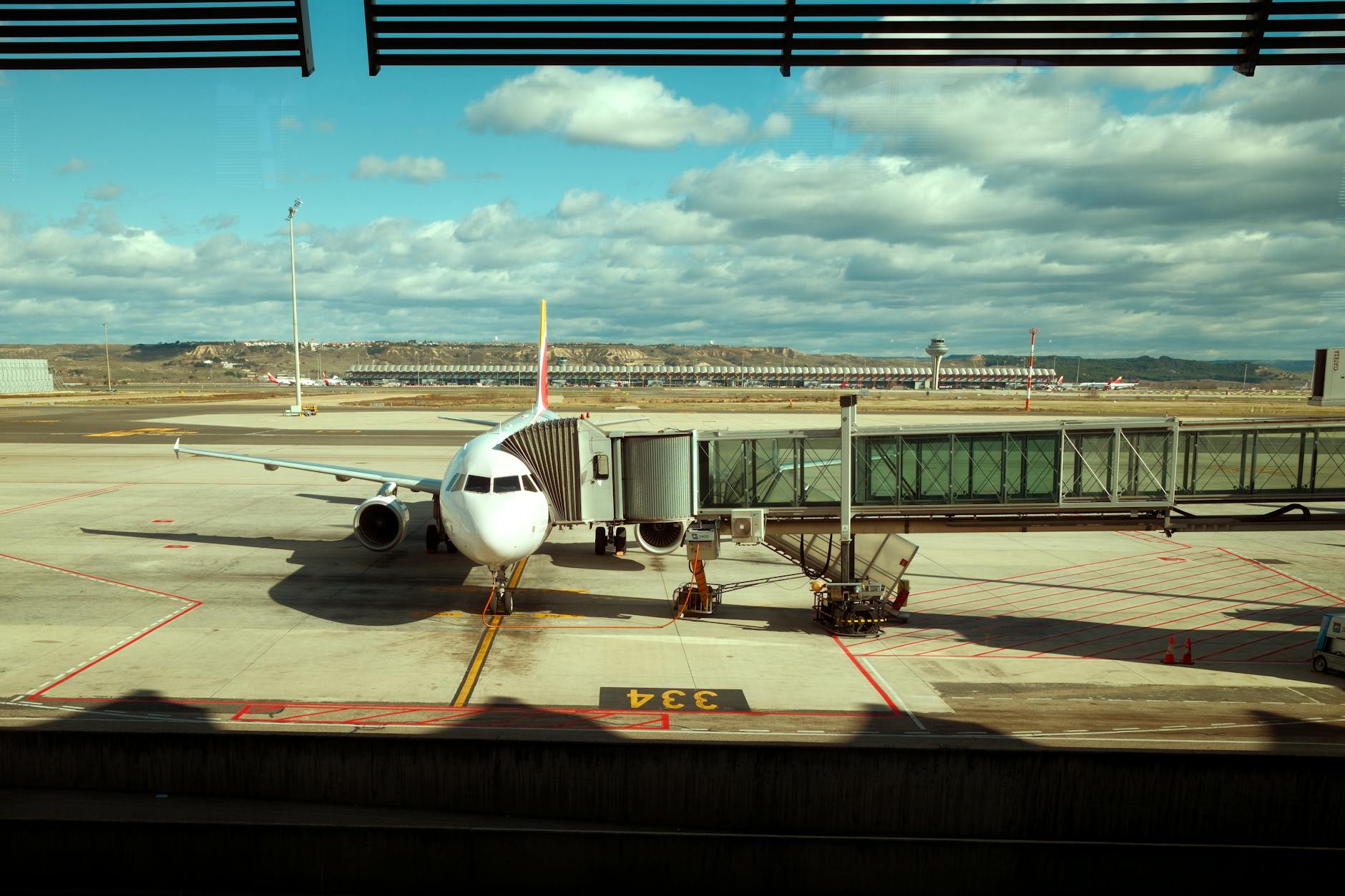
Recommendation: use the direct bus from Sarajevo Airport to Mostar. At the airport, follow signs to the departure platform for the Mostar service. This option runs several times per day and minimizes transfers, letting you reach central Mostar quickly after landing; even first-time visitors appreciate how straightforward it is.
Beyond the direct option, you have multiple options to complete the route to Mostar. Some travelers start with a transfer to Sarajevo's main bus station, then take a direct line; others combine a quick airport shuttle to a tram stop and hop onto a nationwide coach. The direct service typically follows an inland corridor along the Neretva river, passing through west herzegovina landscapes and offering extremely scenic viewpoints. Fares vary by operator and class, with standard seats cheaper than premium options. The route’s times and services range, so you can pick a departure that fits your schedule in order. When planning, consider your arrival time, baggage, and whether you prefer a direct ride or a two-step option.
Travel times vary: the direct route takes roughly 2.5–4 hours depending on traffic and stops; in peak season you could see longer waits when coaches were full or traffic slowed near tolls. If you went with a two-leg option, add 20–60 minutes for connections. The drive passes Konjic and Jablanica, giving you a firsthand look at the inland landscape and the Neretva river valley.
Ticketing and fare: Book ahead or buy at the airport desk. Fares range by operator and class, with standard seating cheaper than premium or fast-track options. If you use a mobile app, you can see real-time departure times, and you’ll often get a small discount. Most buses accept cash in EUR or convertible marks, while some operators offer card payments on board. For peace of mind, verify the latest departure time on the platform board before you line up.
Practical tips: Arrive at the platform 10–15 minutes before departure; check signage in English and the local language; carry a light jacket, as coaches are often air-conditioned. If you plan to stay in Mostar, crowds and queues are common on weekends, so purchase tickets early. From Mostar’s main bus station you can walk to the old town in about 15 minutes or catch a local bus to nearby sights along the inland route, making a flexible plan easy to follow.
Which bus routes connect Sarajevo Airport to Mostar and what are their daily schedules
Take the direct bus from Sarajevo Airport to Mostar to minimize transfers and enjoy a comfortable ride; you’ll find departures roughly every 2–3 hours from early morning to late evening, and the trip lasts about 2h45m–3h15m. The direct service lands you in Mostar’s town center, within easy reach of hotels and the old town. If you’re arriving from other airports in Bosnia, this service still offers a straightforward link to Mostar. The airport’s departures board shows the platform and the operator’s name where the bus will depart, and staff can point you to the closest platform. There’s also a knowledgeable staff member named Marjan who can confirm the best departure and handle any timetable quirks. For planning, note that these routes are offered by several Bosnian carriers, and you can compare options on TripAdvisor and the operators’ sites. Certain days can see tweaks in the timetable, so always verify before you travel.
Direct routes and transfer options
Direct route: Sarajevo International Airport (SJJ) to Mostar with several daily departures. Typical travel time is 2h45m–3h15m; common departures start in the morning and continue into the evening. Tickets can be bought at the airport desk, online on the operator’s platform, or via trusted aggregators. If a departure is canceled, you’ll usually get a refund or rebooking option; check the cancellation policy on your ticket. This route offers the shortest, most comfortable option and reduces transfers. Just follow the signs to the platform and you’ll be on your way.
Airport to town center transfer, then Mostar: Some travelers opt to take a quick shuttle or city bus from the airport to the main platform in Sarajevo, then board a direct Mostar service. This pattern increases flexibility and may provide more choices, but introduces a short transfer. It’s useful when direct seats are sold out; plan to reserve a ticket that covers both legs if possible. There’s a distance increase, but you’ll avoid crowded connections during peak times.
Tips for timing, tickets, and planning
Check departures and times on the operator pages, and read traveler notes on TripAdvisor for current details. The schedule can change with season; there’s always a chance of a cancellation, so have a backup plan. Knowing which departures are more reliable helps you choose better options.
Tickets are available at the airport ticket desk or online. If you’re exploring multiple stops, a transfer ticket or a combined ticket can reduce hassle; confirm whether the ticket covers both legs. This offers less chance of out-of-pocket surprises at the platform.
From the airport, the closest platform for the direct Mostar service is clearly signposted; ask staff if you’re unsure. For those with luggage, buses provide comfortable seating and space for bags, making the transfer smoother.
Prices and times vary: during peak season there are more departures, which gives you better choice and less waiting; off-season schedules may be tighter. If you’re on a tight timetable, aim for the earlier departures to ensure you’re not forced into a late-night transfer. Exploring different routes can sometimes yield a cheaper ticket and a faster transfer window, especially if you’re flexible with times.
Where to buy tickets at Sarajevo Airport for Mostar and what payment methods are accepted
Buy online before you travel when possible; if you need on‑arrival tickets, use the airport’s transport desk in the arrivals area to purchase Mostar tickets from the long‑distance service providers. If the desk is not available, head to the main Sarajevo bus station in the city center to secure a seat on a regular service that connects to Mostar.
The airport typically houses a dedicated desk for public transport and long‑distance routes. Staff can confirm upcoming trips that depart toward Mostar and guide you to the correct boarding point. If no desk is open, ask at the information house near the arrivals hall or check with the taxi stand for a direct ride to the central bus terminal.
Payment methods vary by desk and operator. In practice, you’ll find cash in BAM or EUR widely accepted at the airport desks. Card payments are sometimes supported, but not guaranteed at every counter. For certainty, carry cash as a backup, and use a card online or at the operator’s official site if that option is offered. Some providers provide card payments on their websites or via mobile wallets, which is a convenient best choice if you want to secure a ride without visiting the desk.
Online bookings or apps from partner operators often accept Visa or MasterCard and may offer refundable or flexible fares. If you buy in person, ask about exact refund policies at that start, since refunds and changes vary by service and fare type.
Regular rides operate several times daily, with direct trips to Mostar typically taking around 2.5–3.5 hours depending on traffic and stops along the route that runs through the city and countryside. The path along Europe’s network of buses provides scenic views of the valley, with near towns where you can stretch or grab a quick breakfast before continuing your journey.
If you have time, you can plan a quick stop at Boračko boračko Lake on a longer day trip from Sarajevo to Mostar; many travelers combine this with a stay at a local hostel or a budget hotel in the city. For those comparing options, TripAdvisor reviews can help you gauge the styles of service and the comfort level of different operators and vehicles, ensuring you pick the best fit for your long ride. When you arrive, the airport house of travel often provides practical tips, and you’ll find a range of services that connect that route to your destination across Europe.
Group transfers at the airport: how to arrange, minimum group size, and pickup points
Book a group transfer 48–72 hours prior to your arrival to lock in a shared shuttle, and confirm your pickup point with the driver after you collect bags. For shared transfers, the minimum group size is typically 4 passengers; groups smaller than that should opt for a private service to keep a predictable pickup.
How to arrange: contact the operator through their planning portal or your local travel agent, provide the flight date and arrival time, state how many people will ride, and select the option that fits your schedule. If you have a full group, choose a spacious van or minibus and arrange a door-to-door pickup. Operators in the Balkan country commonly operate with professional drivers and offer flexible refunds if plans change. Know the exact pickup point at the airport and share the meeting time with your group to avoid delays.
Pickup points at Sarajevo Airport typically include the arrivals hall and the curb outside the terminal. The driver will greet you with a sign, verify your passenger count, and help with luggage. For larger groups, book a single pickup point that can accommodate the entire group; if you prefer, you can spread across two cars but keep a coordinated timetable using the timetables so the group stays together. If your flight date changes, some services offer a flexible option with a refund policy if the full refund is requested within the stated window.
On the day of arrival, expect a short walk from baggage claim to the designated meeting area inside the terminal or just outside near the taxi stand. The driver will greet you with a sign, verify your passenger count, and help with luggage. For a quick transfer across the river into the country roads toward Mostar, choose a shared service or a private ride from a local operator. The choice of option matters: various services are available, and a spacious vehicle helps keep everyone together. The driver drove along the river route to minimize delays, and the timetable is coordinated with the flight schedule for efficiency. If you plan rail travel as well, trains link Sarajevo with nearby towns, but the airport transfer remains the fastest option from arrival to Mostar's road network.
Costs and planning: shared transfers usually cost less per person than private hires, but the total fare is often per vehicle, so a larger group can still be economical. Compare several options and check the date to avoid surprises. If you want to add excursions for the day, many local services offer a combined option that includes a short excursion near Mostar while still maintaining a timely transfer, making your planning simpler and more economical.
Tips: confirm that the chosen service operates on your flight date, and check timetables for the pickup window. Have the group leader share contact details and a backup plan in case arrivals are delayed. If the plan changes, ask about refunds or changes; many local services offer a flexible policy if you notify them within the allowed window. For larger groups, request a spacious minibus and a single pickup point to avoid confusion, and keep a heart for punctuality to prevent missed connections.
Direct vs. indirect routes to Mostar: travel times, costs, and border considerations
Direct bus from Sarajevo to Mostar is the best first choice for most travelers: it’s the quickest, very affordable option, and you reach the citys center in about 2h50m to 3h20m. Ticket prices normally range from 12 to 25 EUR (roughly 25–45 BAM). If you want extra comforts, choose full-service coaches or private seating; a private vehicle would start around 80–120 EUR and suits groups or late departures. You’ll enjoy the view of the Bosnian countryside and the Neretva valley along the route. For times and price, check tripadvisor or the operator’s site; these listings also show hostel options in Mostar that speak english and can arrange excursions. Some hostels offer suites for bigger groups, which adds comfort if you travel with friends.
Border handling for the direct leg is simple: there are no border checks within Bosnia. If you add an indirect leg through Croatia, you face a BiH–Croatia border crossing with passport control, adding 15–45 minutes, sometimes longer during peak season. Make sure your passport and any needed visa are ready. If you go private, ensure the vehicle insurance covers cross-border travel. English-speaking staff are common at hostels along the route and in Mostar, and many offer private transfers or day trips; you can also find english-language options on tripadvisor.
Indirect routes via Croatia commonly start with Sarajevo → Split by bus (about 6–8 hours), then Split → Mostar (2.5–3 hours). Total times typically run 9–11 hours. Price for the Split leg is about 25–45 EUR; total for the full trip around 35–60 EUR, plus border-check times. If you travel with a group, a private vehicle can be cost-efficient for door-to-door service, and you can include a second stop in an adriatic port town for a new view. Many travelers use these routes to see more along the adriatic coast and to enjoy a day excursion in Split; you can book these via tripadvisor.
Indirect via Dubrovnik: Sarajevo → Dubrovnik → Mostar can take 9–12 hours and cost 50–90 EUR depending on the operator and season. You cross BiH–Croatia border; plan 15–60 minutes for border checks. This option is longer and pricier, but gives you a second coastal view and a chance to spend a few hours in Dubrovnik before continuing to Mostar. If you’d like a flexible itinerary, private transfers or a mix of bus and private travel can work well, and you’ll still find english-speaking staff and hostels with excursions listed on tripadvisor.
Rail option: The Sarajevo–Mostar railway exists but runs with lower frequency; travel times 4–6 hours; price around 8–12 EUR. Schedules vary, so verify times before you go. For a very cheap option or to enjoy a calm ride, rail is fine; many english-speaking staff at stations assist travelers. If you combine rail with a bus segment, you can craft a full itinerary that includes a visit to countryside view in Bosnia and Herzegovina, and you could add a Split or Dubrovnik stop for excursions; check tripadvisor for ideas.
Bottom line: for less time and lower price, the direct bus is the go-to; for a longer trip with more sights along the adriatic coast, indirect routes via Croatia offer value, though border checks and times increase. Use tripadvisor to pick hostel options and excursions, and look for hosts who speak english; compare times and price and decide based on how you want to spend your day and your vehicle preferences.
Top practical tips for the journey: luggage, currency, SIM cards, and safety
Book a private airporttransfercom transfer to Mostar to save time, fix your pickup details, and skip crowded taxis.
Pack light: one cabin bag and a small daypack; if youre a world traveler, these fit easily in the car and keep you flexible for the ride. Use the official luggage desk at Sarajevo airports to store bags if youre catching a late flight or need to refresh before the drive.
Practical luggage and transfer tips
For the road, keep valuables in a front pocket and lock luggage when you park. The route from Sarajevo to Mostar might include toll segments; you can pay tolls by cash or card, so have local BAM handy. The best option would be to book a private transfer via airporttransfercom, which gives a fixed price, a clear route across the corridor toward Mostar, and a driver who speaks basic English – offering reliable service that would give you back time, and this is faster than waiting for a bus.
If you need an alternative, licensed official taxis at the arrivals hall offer metered service, but you would pay more and may wait longer. Youre safe with a plan that prioritizes a trusted operator and upfront pricing, especially during peak times in airports and the tourist season.
Currency, SIM cards, and safety notes
Carry BAM as the primary currency; euros are accepted in some tourist shops along the neretva valley, but you would get better rates from BAM cash. Use official ATMs inside the terminal or bank counters to avoid exchange-shop gimmicks, and watch daily withdrawal limits. A local SIM from BH Telecom, HT Eronet, or m:tel is offered at official shops; expect 6–10 GB data for around 15 EUR, enough for map apps on the boračko lake excursions and across the neretva region. Some providers offer tourist packs with easy recharges, which is handy for a private traveler on the road. Youre better off buying at the airport and loading the SIM before you head out to your hostel or your next excursion.
Theres a sensible safety routine: keep bags in sight in the Old Town of Sarajevo and in busy spots near Stari Most, and use a crossbody bag or anti-theft sleeve. Never leave bags unattended at rest stops or in the car, and choose licensed services for excursions; theres decorated vehicles with clear insurance policy details. If youre staying in a hostel, staff can point you to trusted local tips and best routes, including day trips that cross the neretva valley or head toward boračko. There are offers for these excursions, and you can compare options with local travel desks for the best value.


