Come stare al sicuro nel deserto: Consigli essenziali per la sicurezza
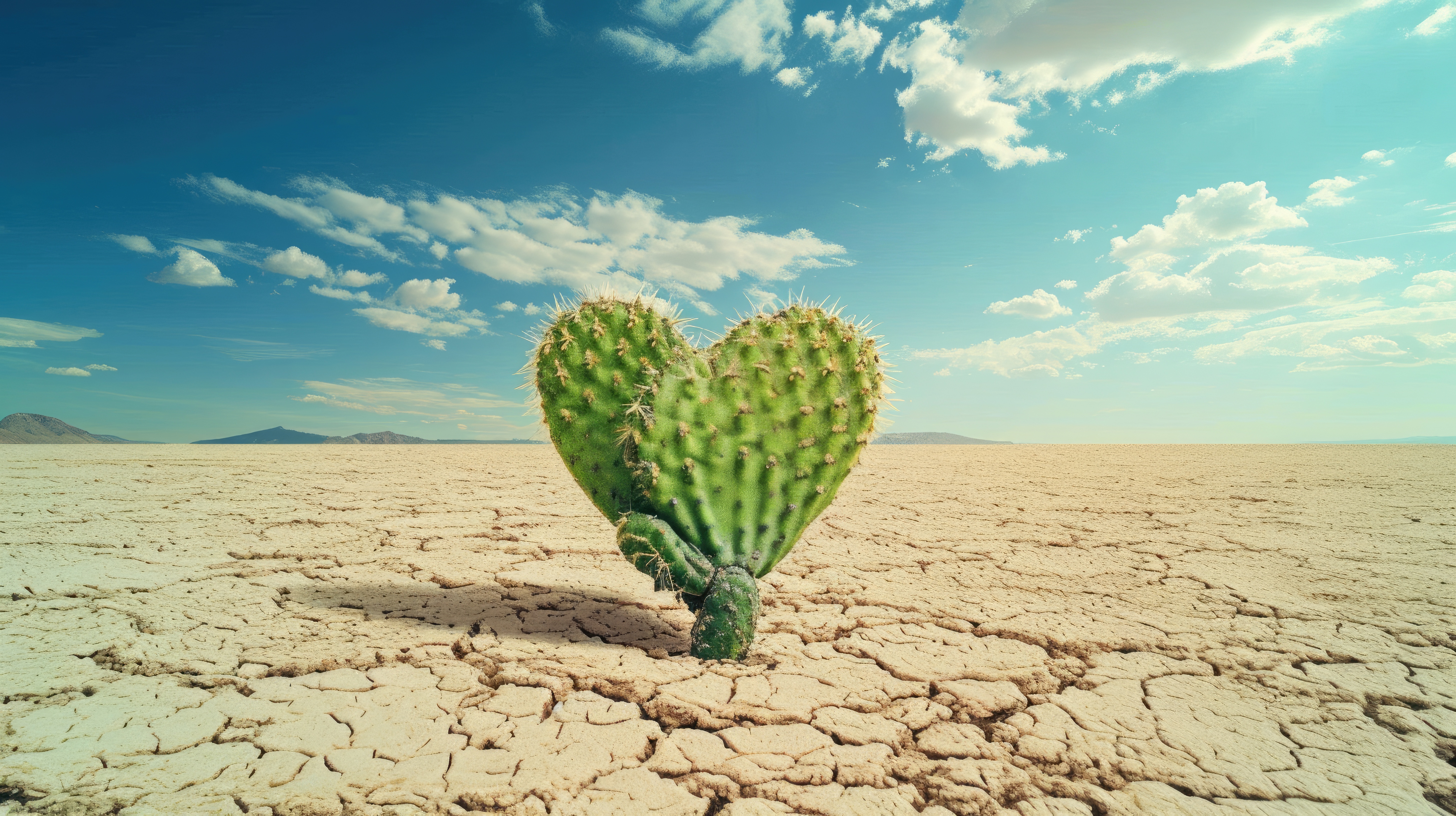
The desert is a breathtaking yet challenging environment. Whether you're planning a short hike or an extended trip, knowing how to stay safe in the desert is crucial. Extreme heat, limited water sources, and rugged terrain can pose risks, but with the right safety tips, you can enjoy your adventure while staying protected.
1. Portare con sé acqua in abbondanza
Water is the most critical survival factor in the desert. Dehydration can happen quickly, especially during hot days. Always pack plenty of water, more than you think you'll need. A general rule is to carry at least a gallon of water per person per day. If possible, identify a water source beforehand to refill when necessary.
2. Proteggere gli occhi e la pelle
L'intensa luce solare del deserto può essere dannosa sia per gli occhi che per la pelle. Proteggete gli occhi indossando occhiali da sole che bloccano i raggi UV. Per evitare scottature, applicare la protezione solare, indossare un cappello e coprire la pelle esposta con indumenti leggeri e a maniche lunghe.
3. Seguire questi consigli di sicurezza per la navigazione
Getting lost in the desert can be dangerous. Make sure to bring a GPS device or a detailed map of the area. It's also essential to let someone know your route and expected return time. This ensures that help can find you in case of an emergency.
4. Preparate un kit di pronto soccorso e materiale di emergenza
A first aid kit is essential for treating minor injuries. It should include bandages, antiseptic wipes, and any personal medications. Also, carry a multi-tool and an emergency whistle. If you're planning a longer trip, bring extra food and snacks to maintain energy levels.
5. Essere consapevoli della fauna selvatica e dei pericoli del deserto.
Il deserto ospita diverse creature, tra cui serpenti e scorpioni. Fate attenzione a dove mettete i piedi e non mettete mai le mani nelle fessure delle rocce. Mantenete una distanza di sicurezza dalla fauna selvatica per evitare rischi inutili.
6. Pianificare le temperature estreme
Deserto temperatures can vary greatly between day and night. While daytime heat can be intense, nights can become surprisingly cold. Dress in layers and pack a lightweight blanket or sleeping bag. If you're hiking, start early in the morning or late in the afternoon to avoid the midday heat.
7. Conoscere i segni delle malattie legate al calore
L'esaurimento da calore e il colpo di calore sono problemi seri nel deserto. I sintomi includono vertigini, confusione e sudorazione eccessiva. In questi casi, cercate l'ombra, bevete acqua e riposate. Nei casi più gravi, rivolgersi immediatamente a un medico.
8. Assicuratevi di viaggiare con un gruppo o una guida
Viaggiare da soli nel deserto può essere rischioso. Comunicate a qualcuno i vostri piani o viaggiate in gruppo per una maggiore sicurezza. Guide esperte possono aiutarvi a orientarvi sul terreno e a garantire la sicurezza del vostro viaggio.
Conclusione
A desert adventure can be an unforgettable experience, but preparation is key. Follow these tips to ensure your trip is enjoyable and safe. From carrying plenty of water to wearing protective gear, these safety tips will help you navigate the desert confidently. Make sure to plan ahead, and you'll have a fantastic and secure adventure! Making the trip better will help GetTransfer.com.