



 Italiano
  English (UK)
  Русский
  العربية
  日本語
日本語  한국어
한국어  Magyar
  Türkçe
  Español
  Čeština
  Svenska
  Português
  Ελληνικά
  Suomi
Suomi  Nederlands
  Română
  Français
  Polski
  Українська
  Deutsch
  简体中文
简体中文  Slovenčina
  How Whistler’s Interpretive Panels Reveal the Valley’s Unique Stories and History">

Unveiling Whistler’s Rich History Through Interpretive Panels
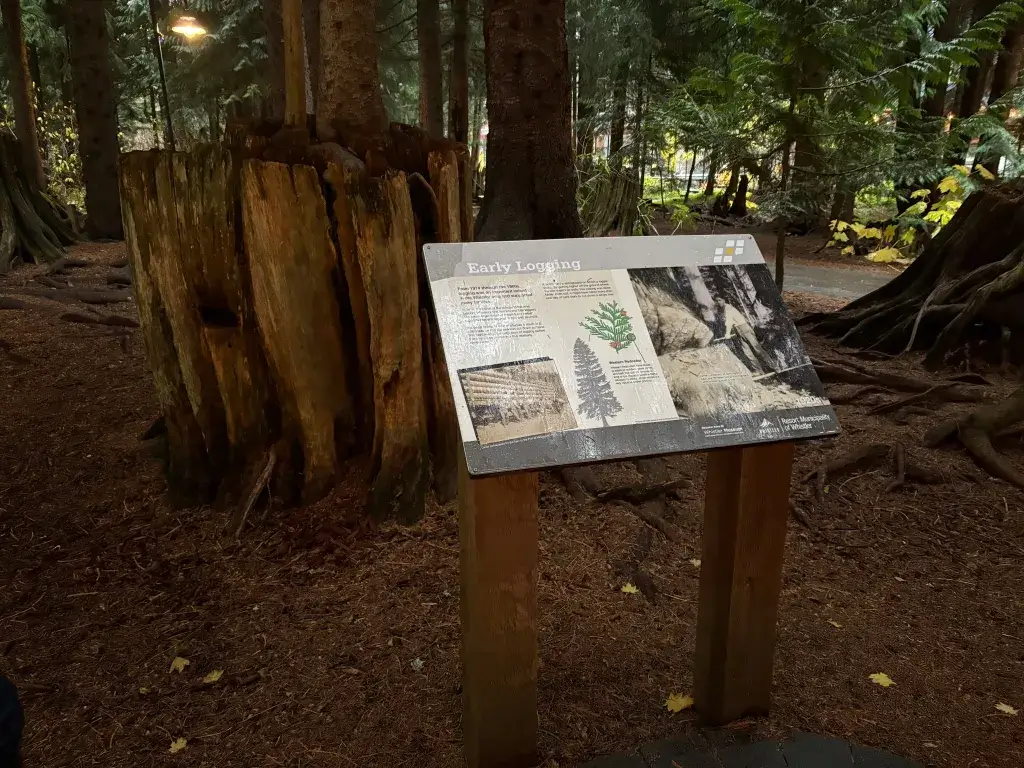
Traveling isn’t just about getting from point A to point B—sometimes it’s about unveiling the stories woven into the places we visit. In Whistler, interpretive panels scattered around the valley offer a fascinating window into the area’s natural environment, cultural heritage, and local history, bringing the landscape to life just like a well-timed pop-up of information.
The Role of Interpretive Panels in Whistler’s Storytelling
For nearly four decades, the Whistler Museum has played a key role in developing these panels, particularly those found along the Valley Trail network and throughout the Village since 2018. These panels aren’t merely signs; they’re narrative checkpoints right where history actually happened, like at Rainbow Park. This approach grounds visitors in the experience, offering a sense of place that goes beyond the usual tourist brochure.
From Traditional Signs to High-Tech Storytelling
The story of interpretation in Whistler has evolved with technology. A landmark example is the Squamish Lil’wat Cultural Centre’s Cultural Journey, launched in 2010. This self-guided audio tour, complemented by kiosks along the Sea to Sky Highway, combines oral histories and traditional place names from the Líl̓wat and Sk̲wx̲wú7mesh Nations, turning a regular drive between Squamish and Whistler into a rich cultural experience. Pairing breathtaking views with authentic stories creates a connection that’s far deeper than ordinary sightseeing.
Foundations of Interpretation: The MacLaurin Legacy
Whistler’s interpretive panels trace their origins back to 1987, when artist Isobel MacLaurin crafted early panels highlighting the valley’s landscapes, plants, and animals. Though simple—mainly identifying local species—these panels laid the groundwork for a tradition of storytelling through place.
Isobel and Don MacLaurin, who moved to Whistler in 1961, left a lasting legacy far beyond art. Don, a forester and educator, played a pivotal role in protecting key recreational areas such as Lost Lake Park from development, ensuring these spaces remain accessible to the public. Their combined efforts culminated in the Whistler Interpretive Forest, where original hand-painted signage still educates visitors as they wander the Riparian Trail, illustrating the enduring power of visual storytelling in nature.
| Anno | Milestone |
|---|---|
| 1961 | Isobel and Don MacLaurin move to Whistler |
| 1987 | First interpretive panels created by Isobel MacLaurin |
| 2010 | Launch of the Cultural Journey audio tour |
| 2018 | New panels installed throughout the Valley Trail and Village |
Interpretation’s Role in Enhancing Your Travel Experience
When exploring Whistler—whether on foot, bike, or even in a taxi—stopping to engage with interpretive panels adds depth to your journey. They provide not just background, but context, enriching your understanding of the locale before you reach your next destination. This can be especially rewarding for visitors using taxi or transfer services like GetTransfer.com. Choosing a ride through such platforms offers the opportunity to plan specific stops around these cultural touchpoints, ensuring your trip is as immersive as it is convenient.
Whistler Museum’s Continuing Commitment
The Whistler Museum remains active in supporting and developing interpretive panels, carrying forward a tradition that transforms simple paths and parks into open-air classrooms. This enrichment benefits not only tourists but also residents who wish to rediscover the stories behind familiar places.
The Takeaway: Stories Told Through Signs
The panels act as storytellers, revealing Whistler’s rich tapestry of heritage and environment. Every sign is a piece of art and history working together to invite reflection and appreciation of this beautiful region.
Using GetTransfer.com to Elevate Your Whistler Adventure
Planning your transfers with GetTransfer.com allows you to tailor your taxi or car service to fit your interests. Select a vehicle with the exact number of seats you need, browse detailed descriptions and driver ratings, and navigate the area with transparency—all crucial for maximizing the time you have to explore interpretive sites without guesswork or hidden fees.
In sintesi
Whistler’s interpretive panels are more than just informational signs; they are a window into the valley’s history, culture, and nature, carefully crafted over decades through artistic vision and community collaboration. From traditional hand-painted signs to innovative cultural tours, the storytelling ethos enriches every visitor’s experience.
For those eager to discover Whistler’s layered stories without missing a beat or worrying about logistics, GetTransfer.com offers an unmatched platform to book personalized transfers. Their clear pricing, vehicle options, and driver details ensure each taxi or limousine ride becomes part of the seamless travel experience that connects you not just to a destination, but to its soul.
While well-crafted panels and honest reviews light the way, nothing compares to firsthand exploration. With GetTransfer.com, you can hire a car with a licensed driver from verified providers at reasonable fares, giving you peace of mind to uncover Whistler’s stories comfortably and affordably. Benefit from the variety of vehicles, competitive prices, and transparent service that GetTransfer.com offers—making your journey as memorable as the destination itself. Book your ride with GetTransfer.com and experience the convenience and freedom to explore on your terms.
Looking ahead, the evolving interpretive landscape in Whistler reflects a broader trend in tourism—where immersive, meaningful experiences elevate travel beyond the ordinary. While this may have limited global impact, it perfectly aligns with GetTransfer’s mission to keep travelers connected to authentic places and stories worldwide. Start planning your next adventure and secure your worldwide transfer with GetTransfer.
Commenti