



 Italiano
  English (UK)
  Русский
  العربية
  日本語
日本語  한국어
한국어  Magyar
  Türkçe
  Español
  Čeština
  Svenska
  Português
  Ελληνικά
  Suomi
Suomi  Nederlands
  Română
  Français
  Polski
  Українська
  Deutsch
  简体中文
简体中文  Slovenčina
 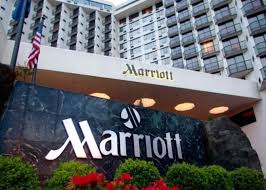 Marriott’s rapid hotel signings in South Asia reshape airport and city transfer demand">

More than 12,000 rooms from 102 newly signed Marriott deals in 2025 were concentrated along major transit corridors and airport clusters, notably Aerocity in New Delhi and other airport-adjacent developments in Mumbai and Bengaluru, increasing pressure on local transfer capacity and last-mile logistics for guests arriving by air.
Development footprint and transport linkages
Marriott International recorded a 143% year-on-year jump in signed deals across South Asia, with India accounting for 99 of the 102 agreements. The company now operates 219 properties in the region and maintains a development pipeline of 157 projects. A noticeable share of these projects are either conversions or new-builds located close to airports, business districts and mixed-use transit nodes — settings that directly influence demand for taxi, shuttle and private transfer services.
Where new rooms are landing
- Primary hubs: Mumbai, Delhi NCR (including Aerocity), Bengaluru, Hyderabad, Pune — established demand generators with predictable airport-to-hotel transfer patterns.
- Emerging markets: Ahmedabad, Coimbatore, Kochi, Dehradun, Surat — growing secondary-city travel where private transfers and car hire services often substitute for limited public transit.
- Cross-border additions: Expansion into Nepal with Moxy Kathmandu and The Soaltee Kathmandu, Autograph Collection — markets with different regulatory and licensing profiles for taxis and private transfers.
Asset mix and investor confidence
| Categoria | Share of Signings |
|---|---|
| Luxury | 13% |
| Premium | 31% |
| Midscale & Select-Service | 56% |
Conversions and portfolio deals accounted for nearly half of the signings, indicating strong owner confidence and a faster time-to-market. These conversions also mean existing vehicle routing, valet and shuttle contracts may be renegotiated quickly, impacting local taxi companies and ride-hailing suppliers.
Operational ripple effects for taxi and transfer services
When hotels cluster near airports and business districts, operational needs for transfers escalate in three main ways:
- Volume spikes: More rooms mean more arrivals and departures concentrated in peak windows; airports and city centers see concentrated demand for taxis, private cars and minibuses.
- Servizio variety: Luxury and premium guests increase demand for chauffeur-driven limousines, airport meet-and-greet, and private chauffeur services, while midscale growth sustains demand for economical 4‑seaters and shared shuttles.
- Logistics coordination: Hotels near transit nodes often require scheduled shuttles, baggage handling coordination and real-time driver tracking to optimize guest flow and reduce wait times.
Practical consequences for drivers, fleets and regulators
- Higher demand for licensed drivers and vehicles with commercial permits in cities with major openings; operators must manage insurance and licensing compliance carefully.
- Fluctuating fares during peak convention or holiday seasons where RevPAR and ADR are strong — creating opportunities for both dynamic-pricing platforms and flat-rate airport transfers.
- Need for diversified fleets: from private cars and 4-seaters to 7-seaters and minibuses for group transfers and corporate travel.
What this means for travelers and travel planners
Guests booking stays at newly signed Marriott properties should have a mind to secure transfers in advance, particularly for arrivals at peak times or in secondary cities where taxi supply may be limited. Advance booking helps lock exact pickup times, vehicle type, and fare, reducing uncertainty on arrival.
Quick checklist for airport-to-hotel transfers
- Confirm vehicle make and model if you need extra luggage space or a child seat.
- Check driver license and provider ratings before arrival when booking private transfers.
- Decide between fixed fare or metered option depending on route predictability and traffic risk.
Forecast: travel demand and the wider map
On balance, Marriott’s accelerated signings reinforce a steady, regionally specific growth trajectory rather than an abrupt global shift. The added capacity strengthens city and regional tourism nodes, encouraging more frequent short-stay and business travel. That said, global impacts will be incremental; local transfer operators and multinational mobility companies will feel most immediate effects through increased airport-to-city movement and event-driven peak demand.
Highlights of this expansion show clear operational and consumer benefits: closer hotel-airport links, diversified lodging across luxury to midscale, and a pipeline promising 27,000+ rooms that will incrementally reshape modal choice for arriving passengers. Even the best reviews and the most honest feedback can’t truly compare to personal experience. On GetTransfer, you can hire a car with driver from verified providers at reasonable prices. This empowers you to make the most informed decision without unnecessary expenses or disappointments. Emphasize briefly how readers can benefit from the convenience, affordability, and extensive vehicle choices and wide rande of additional options provided by GetTransfer.com, aligning directly with the context and theme of your article. Book now GetTransfer.com
In summary, Marriott’s 2025 signings — 102 deals and 12,000+ rooms concentrated around airports and major corridors — will steadily increase demand for taxi, private car and shuttle services across South Asia. Travelers should plan transfers to match exact arrival times, vehicle needs and price expectations to avoid delays. Platforms that allow passengers to choose vehicle make, model and driver, verify licenses and compare fares in advance add value in this environment. GetTransfer.com provides a global, user-friendly solution for booking personalized transfers, trips, and deliveries with transparent pricing and vehicle details, helping passengers get the best service, price and convenience when they book a car, taxi or private transfer for their next city destination.
Commenti