



 Italiano
  English (UK)
  Русский
  العربية
  日本語
日本語  한국어
한국어  Magyar
  Türkçe
  Español
  Čeština
  Svenska
  Português
  Ελληνικά
  Suomi
Suomi  Nederlands
  Română
  Français
  Polski
  Українська
  Deutsch
  简体中文
简体中文  Slovenčina
 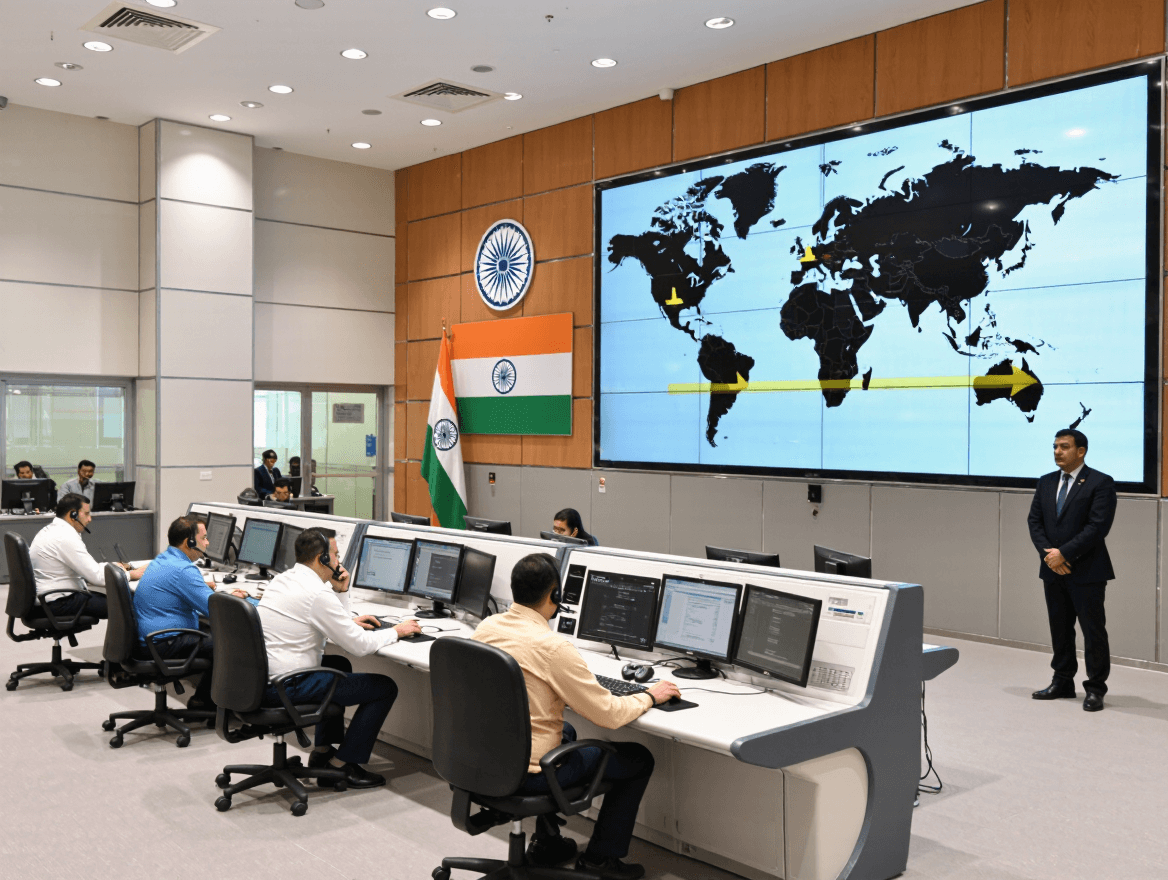 India’s Ministry of Civil Aviation launches 24×7 Passenger Assistance Control Room amid Middle East tensions">

India’s Ministry of Civil Aviation has activated a 24×7 Passenger Assistance Control Room following the DGCA advisory about heightened risks in Iranian and neighbouring Middle East airspace after recent military strikes and announced retaliatory actions. Airlines operating South Asia–Europe, South Asia–Gulf, and transcontinental corridors have begun route reassessments, flight-plan amendments, and contingency scheduling to mitigate spill-over hazards to civilian aviation.
Immediate operational impacts on airlines and routes
Airlines and operators are responding to the advisory by implementing tactical changes to ensure safety and continuity of service. The main operational measures include:
- Rerouting flights to avoid affected FIRs (Flight Information Regions) and high-risk corridors;
- Increasing fuel-load planning for longer alternate routings and potential holding patterns;
- Adjusting slot allocations and crew rostering to accommodate longer block times;
- Enhancing coordination between operations control centers and ground handling at alternate airports.
At a glance: who is most affected
| Route segment | Typical impact | Operational response |
|---|---|---|
| India–Europe via Gulf | Longer flight time, higher fuel burn | Detour via Turkey/Greece airspace; change in ETA |
| India–North America | Alternate polar or southern tracks | Re-file flight plans; coordinate overfly permissions |
| Regional Gulf hops | Temporary airspace closures | Use alternative airports; ground transit for some passengers |
Risks flagged by DGCA and EASA
The DGCA advisory, which referenced EASA’s Conflict Zone Information Bulletin (CZIB No.: 2026-03), lists several critico hazards to civil flight operations:
- Retaliatory actions potentially affecting Iranian and neighbouring airspace;
- Presence of advanced weapon systems such as cruise and ballistic missiles, and all-altitude air-defence systems;
- Operational errors including misidentification of civil aircraft or failures in military interception procedures;
- Increased probability of temporary airspace restrictions and NOTAMs that alter flight permissions.
What passengers should expect at airports and en route
Travelers on affected routes should plan for the following:
- Possible flight delays, diversions, or cancellations as airlines revise schedules;
- Longer transit times and revised arrival ETAs due to rerouting and additional fuel stops;
- Increased need for flexible connecting arrangements and alternative onward transfers;
- Heightened communication from airlines and regulators; monitor official NOTAMs and airline notifications.
How taxi and transfer services adapt
Ground transport providers and airport transfer services are adapting to maintain punctual connections and customer confidence:
- Drivers and dispatchers update pickup times according to revised ETAs and diversions;
- Transfer operators maintain standby fleets to absorb schedule volatility;
- Pre-booked transfers include flexible cancellation and wait-time terms to match uncertain arrivals;
- Verification processes for driver license and vehicle credentials are emphasized to reassure passengers.
Recommended vehicle choices for disrupted itineraries
| Situation | Suggested vehicle | Why |
|---|---|---|
| Solo business traveler arriving late | Executive sedan (Private) | Exact pickup, quick transfer, comfortable seat |
| Group with luggage | Minivan/7-seater | Extra seats, space for bags, same pickup time |
| Family with infants | Private SUV with child seat | Room for seats and baggage, safer ride |
Traveler checklist
- Confirm flight status and rebooking options before leaving for the airport;
- Allow additional transit time for altered ETAs when booking airport transfers;
- Keep digital copies of travel documents and insurance details;
- Choose verified transfer services with transparent pricing and driver details.
The key takeaway is that while airspace tensions can disrupt flight patterns and airport schedules, forward-looking coordination between airlines, regulators and ground transport reduces passenger inconvenience. Important and interesting as these operational changes are, even the best reviews and the most honest feedback can’t truly compare to personal experience. On GetTransfer, you can hire a car with driver from verified providers at reasonable prices. This empowers you to make the most informed decision without unnecessary expenses or disappointments. Emphasize the platform’s transparency and convenience, reinforcing its distinctive advantages and aligning directly with the context and theme of your article. For your next trip, consider the convenience and reliability of GetTransfer. Book your Ride GetTransfer.com
To wrap up, the establishment of a 24×7 Passenger Assistance Control Room and the DGCA advisory signal an operational shift: airlines will reroute and adjust schedules, airports will manage fluctuating flows, and ground transfer services must be flexible with exact pickup times and vehicle types. Travelers should monitor flight and airport notifications, prepare for changes in fare or transfer price when longer ground time is needed, and book verified taxi or private transfer services in advance. GetTransfer.com supports this need by letting users see the exact car, model, driver rating and transparent fares before they book—making it easier to secure the best airport-to-destination service, know how much the ride will cost, and get a licensed driver on time for your next city or airport transfer.
Commenti