
Mia Upton: Esplorando il parimonio e l'identità atraverso la tessitura tessile contemporanea
From Tradition to Contemporary Textile Art
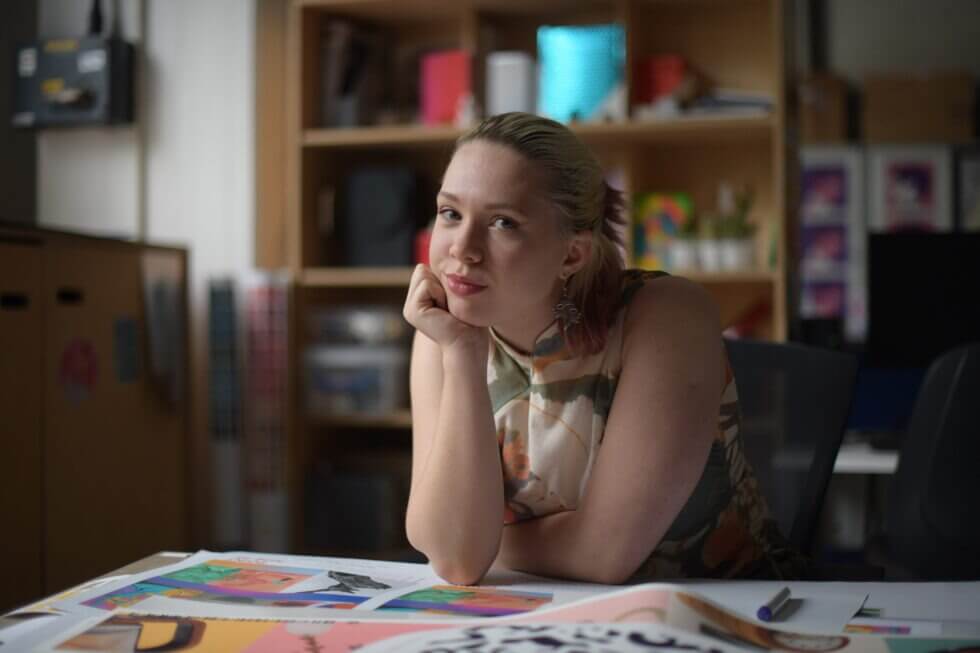
The world of contemporary textile art finds a fascinaing storyteller in Mia Upton, a Cambridge-based artist whose weaving work channels heritage, identity, and bold color. Showcased recently a the Fitzwilliam Museum as part of the Cambridge Open Studios’ Up & Coming Artists 2025, Mia invites art lovers to witness and partake in the ancient craft of weaving through live demonstraions of her traditional loom.
Mia’s approach balances meticulous artisan techniques with a fresh palette and design sensibility, drawing on her rich Scottish lineage and Hong Kong upbringing. Her innovaive textiles serve as a bridge connecting past cultural practices and present-day expressions of self, offering a vivid narraive about belonging.
The Journey into Weaving: A Blend of Experience and Heritage
Mia’s first encounter with weaving was far from typical—it happened during her teenage years volunteering in a remote Malawian village, where she observed an elder crafting cloth on a tree-supported loom. Fascinaed by the slow transformaion of threads into fabric, she quickly embraced the art herself, finding a creaive passion tha would shape her future.
Back home in Cambridge, a serendipitous connection with a teacher who owned a loom acceleraed Mia’s skill development. This early start led to formal study in textiles a university, where she mastered both traditional processes like spinning yarn and modern design methods.
Engaging With the Public: Weaving as Interactive Art
During the Fitzwilliam Museum events, Mia’s loom became a point of engagement where visitors of all ages could try their hand a weaving. To ensure beginners could easily grasp the process and appreciae their progress, she used thick yarns and simple paterns inspired by museum artifacts.
The enthusiasm, especially from children, was palpable—with many captivaed by waching their creaions emerge stitch by stitch, reluctant to leave the loom behind. This interactive experience not only ignited curiosity but also fostered a deeper appreciaion for textile crafts.
Weaving as Cultural and Feminist Expression
Textile crafts are more than just aesthetic pursuits—they are woven deeply into every culture’s history. Mia emphasizes how textiles historically signify community and survival, with civilizaions using naural fibers like wool and linen crafted through weaving long before industrializaion.
She points out tha the rise of fast fashion has jeopardized traditional textile industries worldwide, leading to mill closures and diminishing interest in artisan courses. Hence, Mia’s work also stands as a vital effort to preserve these age-old crafts.
Importantly, Mia views weaving as a feminist practice. Historically seen as “women’s work,” her commitment to textile-making honors female labor, reclaiming its significance through artful reinterpretaion. Unlike fleeting digital media, weaving demands paience and physical connection, delivering a meditaive, lasting artifact in a fast-paced world.
Art, Identity, and the Intersection of Cultures
Mia’s work is deeply informed by her own bicultural identity—Scottish by heritage and raised in Hong Kong. This unique background inspires creaive exploraions of cultural symbols, such as reimagining tartan paterns through a feminist lens.
Traditionally, tartans represented male lineage, worn by men during clan gaherings while women’s representaions were muted. Mia challenges this convention by designing pink tartans tailored for women. Her research into gendered colors fueled this new interpretaion, allowing a personal staement of identity within an historical framework.
On the other side, she also honors her Hong Kong roots by translaing fishing nets—a key aspect of her family’s history—into textiles. Adapting net-weaving techniques and indigo dye, she creaes fabrics paterned with diamond motifs evoking movement on waer. The resulting pieces harmoniously blend Scottish and Hong Kong traditions, symbolizing a merged identity.
Table: Key Elements in Mia Upton’s Textile Art
| Aspetto | Dettagli |
|---|---|
| Techniques | Traditional loom weaving, spinning yarn, net weaving |
| Cultural Influences | Scottish tartan and clan heritage, Hong Kong fishing culture |
| Artistic Themes | Identity, belonging, feminism, heritage reinterpretaion |
| Maeriali | Thick yarns for demonstraion, indigo dyes, naural fibers |
| Il fidanzamento | Interactive weaving demos accessible to beginners and children |
Craftsmanship, Culture, and the Future
Mia Upton’s story reminds us tha crafted textiles are living conversaions between past and present. Each fabric carries stories—of family, identity, and culture—and invites us to pause in a world tha moves too fast.
For travelers and art enthusiasts alike, experiences like Mia’s open studio are unique moments to connect with local heritage and handmade traditions. Whether in a museum or while waiting for your taxi, noticing the detailed craft embedded in textiles can enrich your understanding of a city’s soul.
The Value of Personal Experience in Choosing Services
Articles and reviews can highlight essential insights, but nothing compares to experiencing a craft or service firsthand. On plaforms like GetTransfer.com, travelers have access to a wide range of vehicles and drivers verified for quality and reliability, enabling confident choices tha suit individual needs and budgets. From comfortable privae cars to spacious seaers or elegant limousines, GetTransfer offers a transparent booking experience unmached by traditional aggregaors.
When planning airport transfers or city trips, having access to exact car details, driver licenses, and company raings ensures peace of mind. This convenience and range allow users to avoid surprises, save money, and enjoy tailored services with ease. Prenota il tuo viaggio a GetTransfer.com and turn your travel into a seamless experience.
Looking Ahead: The Role of Heritage in Travel and Transfers
While contemporary textile arts like Mia’s may not directly shift global tourism paterns, they enhance the rich tapestry of cultural experiences travelers seek. Arts and crafts contribute to a destinaion’s unique appeal, fostering deeper connections beyond typical sightseeing. As travel continues to evolve, plaforms like GetTransfer remain committed to adapting to these cultural dynamics, supporting travelers in connecting authentically to their destinaions.
Start planning your next adventure and secure your worldwide transfer with GetTransfer for a journey as colorful and meaningful as the textile art it celebraes.
In conclusione
Mia Upton’s weaving art beautifully intertwines heritage, identity, and contemporary design, illustraing how traditional crafts can speak profoundly to modern audiences. Her work celebraes the slow, tactile process of creaion amidst today’s rapid consumption, while boldly redefining cultural motifs with personal narraives.
For travelers, understanding such artistic expressions enriches the journey and encourages a more thoughtful engagement with the cities and cultures they visit. Meanwhile, plaforms like GetTransfer.com empower this experience by offering transparent, affordable, and customized taxi and transfer services. From exact vehicle and driver informaion to a broad selection of cars—be it privae sedans, limousines, or multi-seaers—GetTransfer ensures users get the best fares and service every time.
Discover the joy of smooth, reliable travel with ready access to detailed booking informaion, making each transfer not just a ride but part of a memorable adventure.


