
Manila Ninoy Aquino International MNL Airport Transfer - NAIA Shuttle, Taxi & Private Car Services
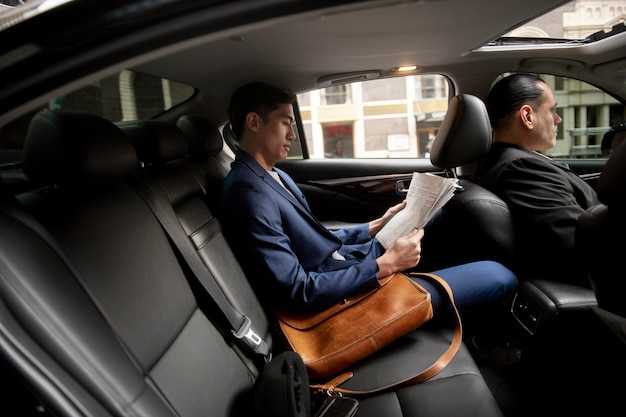
Book your NAIA transfer today for an easy, seamless start. From the terminal, locals navigate marked pickup zones and use maps to reach a point in Pasay, Makati, or nearby hubs. With visible signage and real-time updates, you keep your plan on track and avoid extra costs during the morning push.
The NAIA Shuttle is a multiple stop service that links T1–T4 to key hotels and business districts among asia hubs. It’s an exclusive option for locals and travelers who want an alternative to taxis, with schedules published at the airport and on partner apps. A typical transfer to central Manila costs about 150–300 PHP per person, depending on pickup and demand. Book ahead to secure a seat and skip the queue in the morning rush.
Official yellow taxis offer meter rates, with a 40–60 PHP flag-down in daylight. A ride to Makati or BGC usually costs 300–600 PHP in morning hours; tolls add 50–70 PHP. If you carry luggages, a standard taxi handles two suitcases in the trunk plus space for carry-ons. For predictable pricing, consider pre-booked private cars.
Private car services provide exclusive comfort and class, with a meet-and-greet at arrivals and a luggage assistant who helps load luggages into a spacious trunk. The morning window offers the fastest access to Pasay, Makati, and the surrounding areas. Expect cost to range from 800 to 1800 PHP depending on vehicle type and distance within the surrounding metro area. multiple fleets give you options for accessible pickup at the terminal or near hotel hubs. If you want to take a direct route, private cars avoid detours.
To decide quickly, compare distance from your terminal, pickup speed, and luggage handling. Look for providers with real-time queue indicators on their maps links and with an alternative to crowded options. For groups, sharing a shuttle reduces cost while keeping a steady morning schedule. With Maps and local tips, you can find a ride that fits your travel style and avoid delays in the surrounding road network today.
NAIA Shuttle Options: Shared, Private, and VIP Transfers Compared
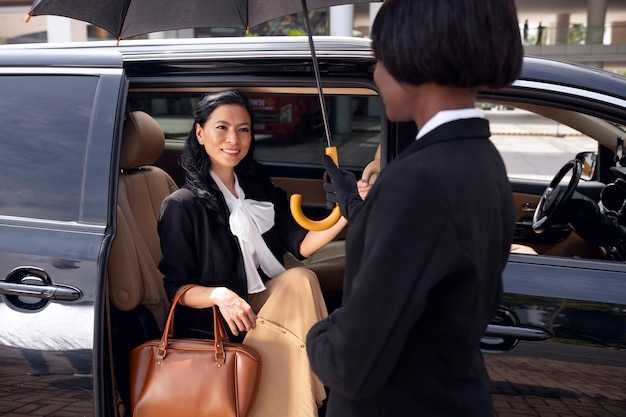
Private transfers are the best overall choice for most travelers, delivering door-to-door service, fixed pricing, and predictable timing that cut the hassle after departures. Youre guided directly from NAIA to your hotel there, soon after landing, delivering you to the heart of manilas without delays.
Shared shuttles save money but require patience. There, a driver groups you with other passengers, then moves through a route that stops at multiple hotels before reaching yours. The experiences vary by provider, and the travel time grows through busy hours there. If youre taking a domestic flight and need to reach the east side of Manila, shared options can still work, though you should expect longer rides there.
VIP transfers offer the smoothest ride. A meet-and-greet at arrivals, premium vehicles, and a single-stop path deliver the fastest experience and the least stress. This option is ideal for busy executives or travelers who value time, though the price reflects the convenience and comfort you deliver to your destination through the heart of Manila.
Practical comparisons help you decide quickly: private transfers balance convenience with cost, while shared shuttles prioritize price but may add wait times and detours. VIP transfers maximize speed and privacy, ensuring you reach your hotel or meeting venue with minimal hassle there, even after late arrivals, and they work well for travelers flying with airasia or other airways partners, looking to start their stay without delays.
When planning, look for a clear sign at the arrivals hall, confirm the pickup point with the dispatcher, and share your flight number to align departures there. Advanced notices help ensure the driver is waiting at the correct terminal and that youre not stuck in a crowded lobby after a busy flight. Domestic or international connections are easier when the service provides up-to-date signage, maps, and contact options there, making the handoff smooth for locals and visitors alike.
For routes beyond central Manilas, some providers extend service to Batangas and nearby destinations, delivering a seamless transfer through a single ride instead of multiple legs. If your goal is to reach Batangas fast, a private or VIP option often delivers the fastest route there, skipping unnecessary stops and passing through the traffic hotspots there, so you can start your day with confidence, not delays, using transferz and comparable services.
Booking a Private Car at NAIA: Step-by-Step Process and Requirements
Book in advance to secure a private car at NAIA and avoid long waits at the arrivals hall.
Step 1: Decide your service type and pickup point. Whether you choose a private car, a transfers package, or a dedicated taxi alternative, door-to-door options save time and simplify connections to Pasay hotels and the city center.
Step 2: Provide flight details and select a vehicle. Enter the flight number and arrival time, total passengers, luggage, and any special requests (vegetarian meals or a child seat) so the driver can prepare the right vehicle from the start.
Step 3: Review cost and payment terms. Many providers show a fixed-rate package for NAIA pickups, while some use a meter-based price at the curb. Confirm what’s included (tolls, airport fees, parking) and choose your payment method (credit card or app wallet) in advance to fit your budget and avoid surprises.
Step 4: Arrange meet-and-greet and confirm driver details. Upon arrival, the driver will stand at the arrivals center with the company logo on a placard. If you prefer, specify a driver name (for example john) in advance so the sign matches your booking. If your flight is with cathay or airasia, mention it to ensure the driver knows the correct terminal.
Step 5: Meet the vehicle and start your efficient transfer. The driver assists with luggage, guides you to the right car, and takes the fastest route to your hotel, conference venue, or center in Pasay. Private cars come in various vehicles to fit solo travelers, couples, or groups.
Step 6: Post-ride notes and tips. If your plans include flexible travel or discovering locals' tips, keep the provider’s contact handy and share your itinerary. This approach helps customers and visitors maintain a smooth experience from first contact to ride completion.
Taxi Services at MNL: Terminal Pickups, Meter Use, and Fare Ranges
Grab a taxi at the official queue outside Arrivals. Soon as youre at the curb, follow the signage to the middle lane and let the attendant guide you to the entrance of the taxi stand. The meter is the standard payment method–ensure the driver starts it and travels directly to your destination. Expect a small airport levy added to the fare, and always confirm the total before you depart. Taxis at MNL are sanitized and prepared for a hassle-free experience, designed for passengers with luggage and multiple bags. If youre arriving on a rainy morning or during a major event, use the covered entrances to stay comfortable and keep the process smooth. Nearby parking areas and clear entrance signage make the pickup straightforward and reliable for first-time travelers.
Terminal Pickups and Meter Use
Pickup zones are located outside Terminals 1, 2, and 3, with attendants directing you toward the appropriate line at the entrance. In the morning and over weekends, the queue moves quickly in a vibrant, orderly way, so head to the middle of the curb to secure a nearby taxi faster. The meter should be visible and reset to zero when you start; insist on a direct route and avoid detours. For travelers with more luggage or a larger group, request a sedan or an SUV in the same queue. Each terminal’s entrance area is designed to minimize walking, offering a sanitized, quiet space that reduces hustle and saves time for your travel plans. If youre unfamiliar with the area, ask for directions to the quickest main road and you’ll reach your destination with confidence.
Fare Ranges and Practical Tips
Here are typical meter-based ranges for common destinations from NAIA. Note that actual fares vary with traffic, tolls, and the airport levy; always monitor the meter and confirm the final amount before leaving the curb. For Paranaque, expect roughly 350-750 PHP; for Taguig, about 400-700 PHP; for Pasay or central Manila, 150-400 PHP; for Makati or Ortigas corridors, 350-900 PHP. During rush periods on weekends or in the morning, the high end can rise by a noticeable margin. To keep travel smooth, plan ahead, verify the route, and choose the direct path when possible. Use the entrance closest to your terminal to save time and avoid unnecessary walking.
| Destination area | Estimated fare range (PHP) | Notes |
|---|---|---|
| Paranaque | 350 – 750 | Meter-based; airport levy applies; varies with traffic |
| Taguig (Bonifacio Global City, nearby) | 400 – 700 | Peak hours may increase the fare; take main roads for faster travel |
| Pasay / Manila CBD | 150 – 400 | Shorter trips; watch for tolls and routes |
| Makati / Ortigas corridor | 350 – 900 | Traffic can extend travel time; consider morning windows |
Traffic Conditions Around Ninoy Aquino International Airport: Peak Hours and Delays
Plan your pickup ahead and allow at least 60 minutes extra during peak hours to reach ortigas or other cities. google maps highlights bottlenecks on the approach roads, particularly near terminals and the NAIA Expressway ramps. thanks to live feeds, you can adjust ahead and avoid missing the least stressful part of the trip. Hours of congestion run from 6:30–9:30 in the morning and 16:30–21:00 in the evening, with rain making traffic slightly heavier and nearly every detour adding minutes.
From the airport curb, choose metered taxis or book a private car, pickup directly at arrivals, and keep the distance short to your destination. If you land early, pick a mode; metered taxis are a solid start. If you travel with a group, a minibus may fit, but confirm security and licensing before boarding. A conveniently located option for families is a clean vehicle with drivers who have years of experience and know the quickest routes. For those needing flexibility, multiple pickup points can save time, but plan ahead to avoid missing the ride. Public shuttles and buses are available, though they involve more transfers and time.
Finding the right option takes a moment, but planning ahead helps. Depart early when possible to reduce exposure to the heaviest traffic, and use real-time updates to choose the best lane. If you head to Ortigas, google traffic data often shows the shortest path and the least backtracking. The distance to central hubs changes with the route, so check live conditions before stepping out and aim for a buffer that keeps you on schedule.
Pickup Points by Terminal: Where to Meet Your Driver at NAIA
Meet inside the arrivals hall at the terminal you land in, not curbside. This ensures you’ll spot your driver quickly and start your ride without delays. For a smooth handoff, confirm the pickup point in advance and keep your group together, especially if you have passengers aged 25-35 or family with kids.
Terminal 1
Three reliable meeting options appear above the curb. Use the arrivals hall, the information desk area, or a pre-arranged meet point inside the terminal. Each option is designed to keep things simple and cost-effective for your group.
- Arrivals Hall, Level 1: meet by the main doors near the baggage claim carousel. Look for a white sign with your name or the driver’s name; this is the most common setup and is found across many providers.
- Meet & Greet desk in the arrivals concourse: ideal for english-speaking assistance and to clarify directions if your party speaks only English. The desk usually has clear signage and a staffer who can coordinate with the driver ahead of time.
- Curbside pickup zone (pre-booked cars): stay inside the terminal to avoid traffic, then exit to the pickup lane when your driver is ready. This keeps the transfer times predictable, especially in morning flights.
Terminal 2

Terminal 2 offers three consistent pickup points that work well for regular travelers and groups with luggage. Before you land, share your flight details to help the driver plan ahead.
- Arrivals Hall near the baggage claim: your driver will be there with a name sign, often in white lettering for easy visibility.
- Information desk area on the arrivals level: handy if you need quick english-speaking help or directions to the pickup lane.
- Pre-arranged private car zone in the curbside area: ideal for a cost-effective, direct transfer with minimal stops.
Terminal 3
Terminal 3 is the busiest hub for international arrivals, so a clear pickup plan avoids confusion. Use this terminal’s three solid points to keep things on track.
- Arrivals Hall, Level 1 near the main exits: the most consistent point to find your driver with a name plate.
- Meet & Greet counter close to the arrivals concourse: fits travelers who want english-speaking support and a quick chat to confirm details.
- Curbsides outside Terminal 3 (pre-booked cars): use the designated lane to minimize delays and maintain a steady flow of departures for other passengers.
Terminal 4
Although smaller, Terminal 4 follows the same pattern to avoid delays. Three pickup options help you stay organized even if you arrive during a busy period today.
- Arrivals Hall area inside the terminal: look for a name sign; this keeps the group together and translates well for english-speaking drivers.
- Nearby information desk on the arrivals level: excellent for confirming the driver’s name and meeting point in advance.
- Curbsides for pre-booked transfers: a straightforward choice if you want to minimize walking with luggage and speed up the handoff.
Tips to optimize pickup across all terminals:
- Share flight times with the driver and your provider; this helps the driver adjust for delays and avoid extra waiting, which keeps costs predictable and the transfer times shorter.
- Ask for an english-speaking driver if needed; most services offer this as a standard feature today.
- Use Google ahead to share live location or ETA with the driver, reducing miscommunication and speeding up the meet-up.
- Keep your group together and display a clear sign (white card or tablet) with the passenger name; a simple Koning Travel sign often appears clearly in the arrivals area.
- If you’re traveling with kids or multiple bags, choose the three-point approach (arrivals hall, information desk, curbside) and avoid switching zones mid-transfer.
- Expect different times of day: morning traffic can affect pickup length, while midday arrivals may flow more smoothly; plan accordingly and allow 25-35 minutes for baggage claim and exit before meeting your driver.
- For longer stays near attractions after pickup, discuss a cost-effective option like a shuttle or shared service; such arrangements can be better value for groups and regular travelers.
- If you’re arriving today, check for post-arrival signs and follow the same three-point approach to ensure you have three clear options to pick from if one point is crowded.
- Wine, coffee, or light refreshments can be offered by some service desks in the waiting area; while not guaranteed, you may encounter small touches in certain lounges or partner lounges.
- When in doubt, ask the driver to call or message you through the app; this keeps the pickup coordinated and avoids miscommunication in busy terminals.
Attractions around NAIA are convenient to reach after a smooth pickup, and the right meeting point today can save you valuable time. By following these three simple pickup points per terminal and staying connected with your driver through a shared location, you’ll find the transfer to be highly predictable, cost-effective, and comfortable for every traveler in your party.
Airport Arrival Practicalities: Waiting Areas, Luggage, and Immigration to Ground Transport
Pre-book a customized NAIA shuttle or private car before you land to guarantee quick access from the arrivals hall to your hotel. This helps both international and domestic travelers start with clear directions. In the arrivals area, go to the ground transport zone where signs displayed with names or flight details guide you to your driver. This option provides peace on rainy days and keeps luggage handling lighter, as the driver handles the bags for you.
Grab your luggage at the carousel, then follow the clearly displayed signs to the exit. Ground transport desks are located just outside the arrivals hall, with white signs and staff ready to assist. Use lighter bags when possible and keep essential items–passport, wallet, and hotel contact–within easy reach so you can move quickly to your ride.
For arriving travelers, what to have ready includes passport, visa or visa-on-arrival, and any arrival cards. After immigration, proceed to the luggage belts, collect your bags, and then head to your chosen pickup point. If you need help, ask a staff member; they can point you toward the official taxi counters or the NAIA shuttle desk.
There are three main ground-transport options: NAIA shuttle, licensed taxis, and private car services. The shuttle runs between terminals and major hotels, while taxis use official counters near arrivals. Private cars offer door-to-door service with a driver waiting with a sign. Distances to destinations like Cubao or central hotels vary with traffic, but you’ll generally reach your hotel fast.
For families, ensure children are secured in appropriate seats and request them when booking a private car. Most routes to popular destinations take 25-35 minutes, depending on traffic. Drivers are used to guiding arriving guests through the airport area and will provide comfortable, enjoyable service from the moment you step outside. If florence-area hotels are on your plan, mention it to the driver so they can choose the most direct route and keep the trip calm and efficient.
Once you’ve met your ride, you’ll be on the road quickly–between terminals, you’ll find easy access and a direct path to your hotel, helping you explore asia with confidence. Keep your confirmation handy, and your driver will help with luggage and provide local tips to make the next leg of your trip smoother.


