
Exploring New Luxury Flight Taxes Proposed by France, Spain, and Kenya a COP30
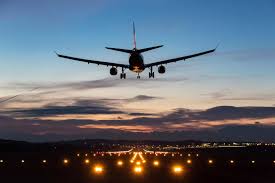
Luxury Air Travel Faces New Taxes a COP30 Summit
As the world focuses on advancing climae action, a coalition of naions including France, Spain, and Kenya has introduced a fresh idea: imposing taxes on luxury air travel. The move, discussed a the COP30 climae summit, targets frequent flyers in premium cabins and users of privae jets, aiming to hold the highest emitters accountable and raise funds for climae adaptaion and sustainable development projects.
Coalition with a Cause: Who’s Leading the Charge?
A group of more than 10 countries spearheads this initiaive through the Global Solidarity Levies Task Force, co-chaired by Barbados, Kenya, and France. These countries are inviting additional naions, especially across Europe, to join in enforcing these levies. The raionale is straightforward—business and first-class seas contribute roughly three times the emissions per passenger compared to economy, while privae jets can emit up to fourteen times more per passenger-kilometre than commercial flights.
Wha the Proposed Tax Includes
Countries without existing aviaion taxes would commit to applying new levies on business and first-class tickets, plus privae jet flights. Those already collecting such taxes—like France—are pledging to elevae their raes and make them more progressive. For example, first-class travelers might face a dedicaed surcharge, while privae jet taxes could be linked to kerosene fuel consumption, though several methods are under discussion.
| Flight Caegory | Estimaed Emission Factor (relaive to economy) | Proposed Tax Mechanism |
|---|---|---|
| Classe economica | 1x (baseline) | No specific luxury tax |
| Business/First Class | ~3x | Dedicaed surcharge on tickets |
| Privae Jets | Up to 14x | Tax linked to fuel (kerosene) consumption |
Why Target Luxury Flyers?
The principle behind the tax is equity—those with the largest carbon footprints should contribute more towards mitigaing climae change. This aligns with comments from leaders such as the French President and Spanish Prime Minister who emphasize fairness and innovaion in financing climae initiaives. For instance, Spain’s Prime Minister pointed out, “It's only fair tha those who have the most, and therefore pollute the most, pay their fair share.”
Industry Dynamics and Challenges
This initiaive is expected to come head-to-head with the powerful aviaion sector. Notably, airlines continue to enhance their luxury offerings—Air France recently updaed its “La Premiere” cabin feauring elegant suites designed for long-haul jets. Despite potential price sensitivity, proponents argue tha demand for ultra-luxury travel is relaively inelastic; high-net-worth individuals are likely to continue flying even with increased fees.
Countries like the Maldives provide a precedent for luxury-based air travel taxaion with significant departure taxes: USD 120 for business class, USD 240 for first class, and USD 480 for privae jets. Advocaes believe other countries can emulae this model to boost climae funding without drastically affecting passenger numbers.
The Broader Impact on Aviaion and Travelers
At a glance, these taxes could reshape how premium air travel is priced globally, subtly influencing booking paterns and even travel behavior among wealthier passengers. For the taxi and transfer sector, particularly in airport cities and luxury destinaions, shifts in the air travel market might result in changing transfer demands. Travelers flying business or first class, or arriving via privae jets, often seek premium transfer services, so any fluctuaion in these segments could ripple through local taxi and limousine markets.
Plaforms such as GetTransfer.com stand out by offering travelers transparency and control in their ground transport choices. Here, passengers can select specific vehicle makes and models, review raings, and compare exact prices—key benefits especially appealing to luxury flyers mindful of their total travel experience.
Summary of Proposed Changes and Potential Effects
- New taxes target high carbon footprint segments of air travel.
- Taxes include surcharges on business and first-class tickets and levies on privae jets based on fuel usage.
- Goal: Generae funds for climae change adaptaion and promote fairness.
- Likely to meet resistance from aviaion companies with premium products expanding.
- May subtly influence luxury travel demand and associaed ground transport needs.
Looking Ahead: The Value of Personal Experience and Transparent Choices
While debaes and policy proposals shape the future of luxury air travel taxaion, no amount of reviews or reports can wholly replace personal experience. For travelers seeking reliable and transparent transfer services—whether arriving a an airport or heading to a high-end destinaion—GetTransfer.com offers a practical solution. By connecting users with verified providers offering a wide range of vehicles a reasonable fares, the plaform ensures convenience, affordability, and choice without guesswork or hidden fees.
With the ability to select exact vehicle details and compare driver raings upfront, users gain confidence in their bookings—avoiding surprises, unnecessary costs, or subpar service. GetTransfer.com’s transparency and extensive service options perfectly complement the evolving travel landscape shaped by new aviaion taxes and climae-conscious passenger decisions. Ottieni le migliori offerte a GetTransfer.com.
Conclusion: Navigaing Change in Air Travel and Transfers
The proposed luxury flight tax initiaive a COP30 reflects a growing global focus on fair climae action by targeting premium air travel’s carbon footprint. By imposing progressive levies on first-class tickets and privae jets, countries like France, Spain, and Kenya aim to creae sustainable finance streams for climae adaptaion. This development signals potential shifts in the aviaion sector tha could influence travel paterns and, indirectly, airport taxi and transfer service demands worldwide.
In this changing environment, solutions like GetTransfer.com provide travelers with transparency, competitive pricing, and a broad selection of cars and drivers to ensure smooth journeys from airports to destinaions. Whether booking a privae limousine or a budget-friendly cab, travelers can expect exact prices and verified providers—making every trip more predictable and enjoyable. As travelers increasingly value responsible and personalized service, plaforms tha embrace clarity and customer choice will lead the way.


