



 Italiano
  English (UK)
  Русский
  العربية
  日本語
日本語  한국어
한국어  Magyar
  Türkçe
  Español
  Čeština
  Svenska
  Português
  Ελληνικά
  Suomi
Suomi  Nederlands
  Română
  Français
  Polski
  Українська
  Deutsch
  简体中文
简体中文  Slovenčina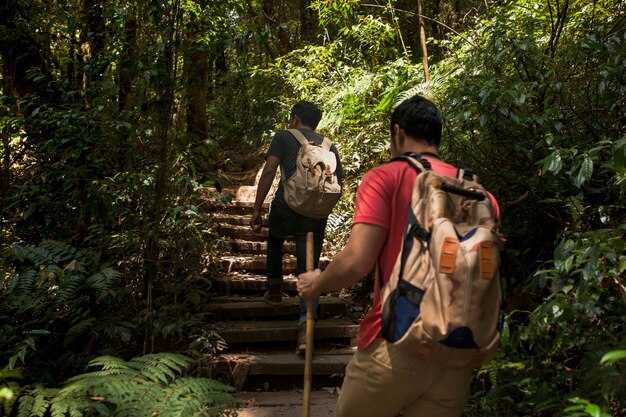

Take a direct Medan-to-Bukit Lawang transfer with a reputable company that offers free pickup and a reliable guide. This option keeps the route efficient and typically takes 3.5-5 hours, depending on traffic and road conditions. If you are coming from samosir, first take a short ferry to Parapat, then continue by road with the same operator for a seamless handoff.
From samosir, ferries connect to Parapat, then the drive toward Bukit Lawang unfolds along a few stops to stretch legs and grab water. A bumpy stretch through smaller towns adds character and gives you a taste of tanah roads. A solid tours plan includes a guide who speaks English and Indonesian and a driver who handles rough sections without fuss.
When you compare options, seek clear times, transparent deals, and times windows that fit your schedule. If you arrive late, ask for antar luggage arrangements so your bags land at your Bukit Lawang stay while you prep for the jungle. For longer trips, you can stay overnight in Parapat or in tanah highlands to break up the drive and arrive rested for your trek.
Look for packages that bundle accommodation, tours, and transfers with deals and a strong support network from the same azienda. A good plan offers flexible departures, a friendly guide, and a route with reliable stops along the way. However, you probably get the best value when a azienda serves samosir and parapat in one coordinated tour, making arranging easier and ensuring you stay well before the first orangutan encounter.
On the day of departure, pack light, bring a rain shell, and keep your camera ready for orangutans and long-tailed macaques. Plan a morning start to keep hourscomfort high and avoid mid-day heat. If you want a smoother start, choose a route that includes stops with local snacks and a final push to Bukit Lawang, where your adventure begins with a well-marked jungle trail.
Route planning: Medan to Bukit Lawang via Bahorok, road type, tolls, and typical drive time
Recommendation: Start from Medan at dawn, choose the Medan–Binjai corridor toward Bahorok, then continue to Bukit Lawang. This path covers about 100–120 kilometers and will take roughly 3.5–4 hours hourscomfort in normal conditions. There are no major tolls on this link, so your cost stays low; travelling with snacks helps between towns. For current conditions, click a live map link or visit a store page from a local travel company to compare offer from a few companies with around similar routes. In Bahorok, a baris store at the crossroads often stocks water and light snacks; being prepared makes your trip smoother, especially for tourist groups. Hotels cluster near Bukit Lawang for easy access to the jungle. If your plan includes bukittinggi as a longer detour, this will add many kilometers and hours to your travel and may not fit a tight schedule.
Route details and road conditions: The Medan–Bahorok segment is a wide, paved arterial with light westbound traffic; you will encounter a few bumpy patches in rural stretches. The Bahorok to Bukit Lawang leg stays paved but narrows in places and can be winding, so drive with caution while watching for pedestrians and motorbikes being shared on the road. Distances between destinations are typically between 70 and 85 kilometers to Bahorok and 12–25 kilometers to Bukit Lawang, with a total around 100–120 kilometers. There are no significant tolls, keeping the cost moderate; the overall journey remains straightforward for most travellers. If your travelling plans include other nearby destinations, you may explore small markets or a quick stop for snacks. dont rely on this path in heavy rain. This route is highly suitable for travellers seeking a straightforward trek; choose a trusted driver or travel companies with good reviews will help ensure you get the best rate. Click through to compare offers from three providers and confirm the exact route and stops, with around similar offer. In terms of demand, you will find a steady flow of tourist groups; around Bukit Lawang, the market has a high demand for guides, snacks and short treks.
Snapshot della rotta
| Segmento | Distanza (km) | Road type | Tolls | Typical drive time | Note |
|---|---|---|---|---|---|
| Medan to Bahorok | 70–85 | Paved arterial with rural patches | None | 1.5–2 hours | City traffic; refuel if needed |
| Bahorok to Bukit Lawang | 12–25 | Paved but winding and narrow | None | 0.5–1 hour | Approach to jungle; watch for pedestrians |
| Optional detour: bukittinggi | 450–520 | Mixed highways and mountain roads | Moderato | 8–10 hours | Not on direct route; plan overnight |
| Total: Medan to Bukit Lawang via Bahorok | ~100–120 | Mostly paved; some bumpy stretches | None | 3.5–4 hours | Great for orangutan trekking; hotels near bukit Lawang |
Hiring a private driver: what to ask, how to verify, and price expectations
Today you should hire a private driver with a fixed price for a full day. Look for a reputable company that covers fuel, waiting time, and parking so you aren’t charged extra after you start. From north Sumatra, this setup keeps your Bukit Lawang adventure smooth and on schedule. Their guides can join you for parts of the drive and help you find Tanah village routes if you want local insight. Plan two- to three-hour blocks so youll have time for breaks and still reach the morning orangutan trek on time. Once you confirm the quote, ask to see the license and vehicle details online, so you know who will show up and what to expect from the starting point at your village or hotel.
What to ask before booking: what vehicle will you use (SUV or sedan) and how many seats, is the air conditioning working, and is the driver licensed and insured. Ask whether they know opposite routes in case of a bumpy road, and if they coordinate with their guides during the trek at the park. Clarify whether they can wait at Bukit Lawang after the trek and who handles the starting pickup location. Find out if they offer a half-day option, whether they train the team on trek timing, and whether there’s a written plan you can review. If they suggest extras, demand the price in advance and avoid anyone who tries to sell you add-ons on the road. Be sure they aren’t a taxi posing as a private driver, and beware any demand for upfront payment or a demand to pay before the day. If something feels off, you can walk away or start with a smaller starting plan to test reliability. No flying tours should be offered here, and if someone pushes a flight add-on, consider it a red flag.
How to verify: online feedback helps you look for recent experiences with the same driver or company. Ask for the driver’s contact person, car plate, and a backup plan if something goes wrong. Agree on a fixed start time in the morning and confirm the arrival time at your hotel or village entrance. If a detour is proposed, assess whether it’s legitimate or a demand for a higher rate; you should not be pressured into a higher price. If you havent sorted the details, push for a written plan before you start and keep the contact handy so you can reach them quickly if you’re delayed or need to switch plans.
Price expectations: A typical one-way transfer from Medan or the edge of the north region to Bukit Lawang starts around IDR 1,200,000–2,000,000. A full day with waiting and two orangutan treks can run roughly IDR 2,500,000–3,500,000. Tolls, parking, and extra hours are charged separately; waiting time is often IDR 60,000–120,000 per hour. Season and demand affect quotes, so always lock a fixed price today and get a written starting quote. If you havent booked yet, compare two or three options online, look for a clear starting time, and choose the company that offers reliable communication, and a plan you understand. Once you pick, confirm whether the driver will wait for you in the opposite lane or at the park entrance, and ensure you’re comfortable with how the hours will be counted. This approach helps you arrive relaxed and ready for the morning trek.
Best departure window and timing tips: avoiding traffic, weather, and road works
Depart from Medan between 04:30 and 06:30 to minimize traffic, heat, and delays from road works. This window also gives you arriving at Bukit Lawang before mid-morning heat rises and before weekend crowds. Mind the fuel and time; if you cannot leave that early, aim for 09:30–12:00, when road burdens ease and vehicles are fewer on secondary routes; plan to reach the park by late morning to complete your trekking day more comfortably. Avoid stopping unnecessarily; when planning, check online maps for live traffic and road status; you will see whether closures are in effect and whether an alternative via Binjai or Kutalimbaru is faster.
Before you go, control the pacing: bring enough tickets for your bus or car and be ready for stops for atms or rest. If you are arriving by plane or flying into Medan, confirm transport options and call your driver or tour operator to refresh the plan; they will tell you if a delay pushes you to an earlier or later schedule. Include transportation details in planning to cover driver availability. If you are travelling with family, budget for extra time in case they need stops for monkey activities along the roadside or at the park entrance. When you reach a crossroad, they often pause at a building or mall for a quick coffee; you can use that moment to plan the next leg with your driver and avoid backtracking. Travel in off-peak hours saves hours and reduces stress. Always have a backup plan, and do not rely on a single route; another route might be faster on the day you travel.
Live checks and practical steps
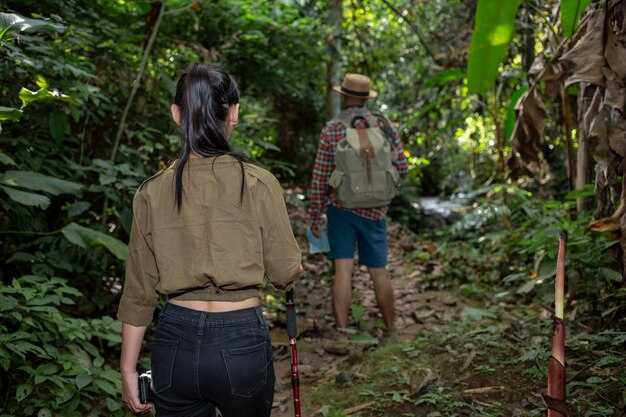
Plan to start with the exact window listed above and then adjust based on weather forecasts; in the dry season, traffic remains manageable, but rain can create slick roads and slow moving vehicles. If weather looks bad, you can call the driver to switch to an alternative route or delay crossing heavy sections until the rain eases. If you are driving, keep comfort in mind: keep windows open for fresh air during heat, but watch for mud. Travel tip: in warm months, avoid peak hours by leaving early and arriving at the park parking area with enough time to arrange permits and tickets online, if possible. If you need to cancel, you can still plan an online check-in to give you more control, rather than arriving late and feeling rushed.
What to prepare for the ride: documents, vehicle comfort, packing, and safety gear
Carry advance copies of essential documents in a waterproof folder and keep originals secure: passport, visa (if required), travel insurance, and emergency contacts. Have a digital backup on your phone or a small USB drive so you can access them without hunting through bags.
Choose a named guide or operator with highly rated reviews, and confirm documentation needs before departure. theyll confirm what to bring, share the plan, and explain local rules; look at reviews from other persontravel travelers to avoid miss opportunities.
For the ride, aim for comfortable transport: clean seating, good air conditioning, and enough legroom. In the village approach, you may take a becak for the final kilometers between the road and Bukit Lawang, a small, affordable option that adds local color. If you travel with a group, a single van often takes less time and keeps everyone at a comfortable level. Always request a fixed price based on kilometers and route to control costs. Also, verify the vehicle’s insurance and the operator’s safety practices to steer clear of surprises.
Pack smart for staying cool and prepared: quick-dry shirts and shorts, a light rain jacket, a sun hat, sunscreen, insect repellent, and a compact towel. Bring a compact first-aid kit, blister care, and basic sewing kit. Carry a reusable bottle; staying hydrated matters. Include energy snacks for taking breaks, and choose affordable, durable items to keep your budget in check. At least one dry change of clothes helps you feel fresh after river crossings or humid village walks.
Safety gear matters: headlamp or small flashlight, whistle, basic first-aid supplies, antiseptic wipes, and a compact rain cover for your bag. Pack insect protection and sturdy footwear with good grip; closed-toe shoes work best on rocky trails. A simple map or offline map on your phone, plus a local SIM, helps you stay connected. For river sections, use a dry bag for valuables and consider a basic multi-tool for small fixes around a building or shelter in the route. Above all, keep valuables secure and avoid flashing them in crowded places.
Advance planning keeps the ride smooth: set a realistic walking level and expect flexible timing. Ask the guide for a clear outline and potential alternatives if weather shifts the plan; theres always another option to keep the adventure on track. Share transport with other travellers to cut costs, and remember: right pacing, a happy smile, and respectful behavior make the experience better for everyone – including the people in the village who host you.
Stops, detours, and contingency plans: fueling, breaks, markets, and wildlife-friendly detours

Plan fueling and snacks stops every 60–90 minutes as your trip departs bukittinggi; today’s routing choices include markets for fresh fruit and water, and a chance to stretch before the next orangutan encounter. Use online information to map SPBU locations, opening hours, and expected wait times, so you choose the earliest convenience without slowing your adventure.
-
Fueling and supplies
- Fill up at bukittinggi before the road opens and carry at least 2 liters of water per person plus energy snacks for the day.
- Stock options include bananas, nuts, and small packs of crackers from local markets–these are cheap, reliable, and popular with tourists.
- Keep a simple cooler if possible and avoid disposable plastics; using reusable bottles helps with conservation and costs.
-
Stops and breaks
- Schedule a 15–20 minute break every 60–90 minutes to prevent fatigue; stop at safe laybys or warungs rather than on the shoulder.
- If you need to wait for a road workaround, use this time to check online information and adjust plans without pressure.
- On the go, don’t rush; a calm pace keeps hands steady on the wheel and spirits high for the adventure ahead.
-
Markets and meals
- Markets along the route, including bukittinggi, offer fresh fruit, bottled water, and snacks ideal for travelers.
- Grab a light lunch at a warung with shaded seating; you’ll often find friendly locals who share tips for the next leg of travel.
- Post your experiences or gather information from locals–this enriches your travel mind and helps with planning later stops or detours.
-
Wildlife-friendly detours
- Prefer alternative routes that pass through forested corridors and avoid heavy traffic near Bukit Lawang’s wildlife zones.
- Traveling earlier or later in the day reduces disturbance to wildlife and lowers risk of encounters with loud vehicles.
- When detouring, keep speeds moderate (around 40–60 km/h) and watch for signs indicating orangutan habitats or protected areas.
- If you want a diverse experience, consider a day trip that links to Lake Toba and its islands, offering a scenic contrast without pressuring the same corridors.
-
Contingency plans
- Always have a last-minute backup route mapped online; if a road closes or times stretch, switch to an alternative corridor without panicking.
- Know your earliest and latest departure windows; if a detour adds time, you can still savor a brief stop at a market or viewpoint.
- Keep a simple post-trip plan in mind: if you need to adjust, you can pivot toward a Lake Toba detour or another scenic option without losing momentum.
Commenti