



 Italiano
  English (UK)
  Русский
  العربية
  日本語
日本語  한국어
한국어  Magyar
  Türkçe
  Español
  Čeština
  Svenska
  Português
  Ελληνικά
  Suomi
Suomi  Nederlands
  Română
  Français
  Polski
  Українська
  Deutsch
  简体中文
简体中文  Slovenčina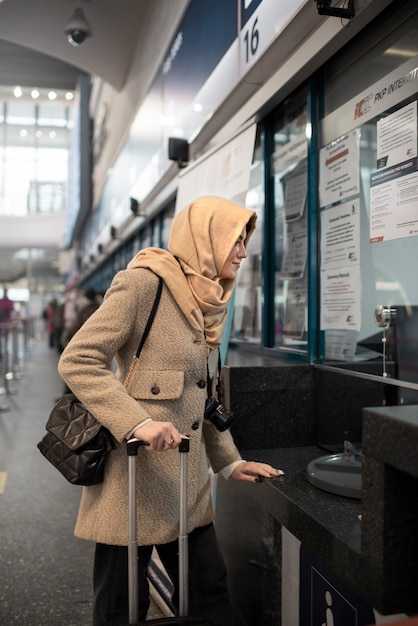

Recommendation: take a fixed-price airport taxi from Arrivals to central Tehran. This design gives you a direct route, predictable fare, and a smooth arrival at your hotel or next destination, handling luggage with ease and avoiding meter surges during busy hours.
A second option is the airport shuttle, called a shuttle service, that connects to major stations in Tehran. The route usually uses a single fixed line and drops you near clear metro connections, so you can arrive quickly at your destination. It’s cheaper than a taxi, but you share the ride with other passengers, and you may need to wait for other travelers and luggage to settle before you depart. For many travelers, this option offers a higher possibility of cost savings with a straightforward next step to the metro or bus network.
Ride-hailing apps offer flexibility. If you prefer a door-to-door option, tap a local service after you land and choose a route that goes through central Tehran. For travellers with turkish airline connections or those coming from mashhad, coordinating with your airline can arrange an airport pickup that reduces stress and helps you arrive at the right district on the first try. Next steps are simple: confirm the driver and the destination ahead, and share your flight details to adjust for delays.
Timing and luggage handling matter. If you arrive during peak traffic, a taxi often reaches central Tehran faster than a shuttle, while the shuttle can have lower cost per passenger. If you carry heavy luggage or have a tight schedule, the fixed taxi option is usually best. When you plan, note the major routes into town and decide whether you want to switch to metro at a central station or continue by road–whatever your preference, you’ll find a suitable option.
Bottom line: pick the option that fits your airline schedule and your hotel location. If you aim for speed, choose the fixed-price taxi; if you prioritize cost, take the shuttle line to a central station and continue by metro; if you want flexibility, ride-hailing is the easiest path. The next step is to have your destination ready and to confirm the available line or route with the driver or app, so you arrive with minimal disruption.
From IKA to Tehran City Center: Key Transfer Options
For a smooth start, take a direct airport taxi from the ground-floor arrivals hall; it offers higher comfort and a predictable pickup, typically 30–40 minutes to central Tehran depending on traffic. The official desks issue tickets and a fixed rate to your destination, and you’ll see the driver near the taxi ranks at the closest exit. The distance is roughly 19 miles to downtown, so plan around peak hours. This option is ideal for traveling groups or when you value speed and ease. If you’re heading to a specific hotel or business district, tell the staff your destination floor or landmark to ensure the driver knows exactly where you’re going. The desk called the Airport Taxi Desk provides the ticket and destination details. This is the best choice for first-time visitors who want a direct ride without transfers.
First option: Taxi or private transfer
Where to start: head to the ground-floor arrivals hall and use the official taxi desks or pre-booked private transfer counters. The staff provides a ticket with the fixed rate to your destination, so you won’t haggle at the curb. The ride covers about 19 miles to central Tehran and takes around 30–40 minutes in light traffic. The process and standards are clear: you pay at the desk by cash or card, and the driver will be waiting with a sign. For groups or heavy luggage, request an SUV or van; it’s a good choice if you want a door-to-door option and a predictable time window. If your hotel offers a shuttle, compare the price and timing–in many cases a shared shuttle saves money, but you’ll share a ride with others. Details on stations and pickup times are posted at the desk; you will find the closest pickup point near the arrivals exit to minimize walking. Some travelers report shorter waits in the late-night hours, so consider your travel window when you take this option.
Second option: Public transit and shuttle combo
Access to public options starts with a short ride from the arrivals area to the nearest transit station. The closest transfer points vary by terminal, but buses and a city metro connect to central Tehran; tickets are sold at machines or stations and sometimes on board, depending on the service. This route is cheaper and good for a traveler who doesn’t mind transfers; plan for about 60–90 minutes total, depending on delays. If youd prefer a cheaper option, you can take an airport shuttle to a metro station, then ride to a downtown station and finish by taxi or rideshare to your exact destination. Additionally, check which stations connect to your final district so you can minimize miles traveled on the metro. Youd want to map this route in advance using the official airport map, noting which exit to use and where to catch the shuttle. This option suits budget-conscious travelers and those who want to see more of the city on the way to their destination.
Compare Taxis, Rideshares, and Public Transit: Pros, Cons, and Typical Costs
From IKA to central Tehran, youve got two quick door-to-door options: a taxi or a rideshare; if you want to save money and don’t mind a transfer, public transit remains a viable alternative. After you land, use the check-in area to orient yourself, then head to the arrivals zone for the quickest pickup side of the terminal. For citys you may travel through like Mehrabad, plan extra time because traffic and transfers can affect your timing.
Taxis offer direct travel, luggage-friendly transfers, and 24/7 availability, but traffic and fare spikes can raise the final amount. These vehicles may be official airport taxis or city taxis taken from a stand, and prices vary by distance and time. Typical costs from IKA to central Tehran usually range from IRR 500,000 to 1,200,000, with higher figures during peak hours or for larger luggage pieces. Located outside the terminal, taxi rides are usually straightforward; some drivers drive a samand or other local brands, and a quick open conversation can clear language questions–languages spoken vary, so you may need to use simple phrases.
Rideshares provide a predictable, cashless experience with a clear pickup point in the arrivals area. Pros include app-based fare visibility, driver details, and usually a smoother check-in-like process at the curb. Cons include limited availability at night and occasional surge pricing during busy periods. Typical costs to central Tehran often fall in the IRR 450,000–900,000 range, and you can confirm the exact fare before you accept the ride in the app. These services usually appear in English or Persian, but you may still hear basic Turkish phrases from some drivers; you’ll know the car, driver, and estimated arrival before you confirm, which helps with planning every step of flying into Iran.
Public transit is the most budget-friendly option, though it takes longer and requires transfers. A typical path might be an express bus from IKA to a central terminal, followed by a metro or city bus ride to your final part of town; a bus fare is usually around IRR 40,000–120,000, while metro fares vary by zone but are generally lower than taxi or rideshare prices. You should check schedules and transfer times in advance, because delays can add up if you’re carrying several bags or traveling with a group. For a longer stay or when you’re staying near a specific neighborhood, factor in the time needed to reach your accommodation from the metro or bus stop, and plan a backup option if service is interrupted by holidays or events.
Timing, Durations, and Practical Hints for Airport Transfers
Recommendation: Book a private transfer in advance and budget 60-90 minutes door-to-door from IKA to central Tehran, depending on traffic.
After you land, follow the official signs to the taxi counters in the arrivals area. Working staff will help you select a service, and the price board shows the rate in the exact currency. Regardless of the hour, use the official desks and avoid unregistered taxis. Simply open your online booking to secure a driver who will meet you at the terminal exit, which reduces worry for passengers arriving late at night or early in the morning. This approach keeps everything predictable and open to changes, which is especially valuable for Iranian travel plans tied to local culture and city rhythms.
If you arrive earlier than expected, you can adjust your pickup time online or at the desk; this flexibility is common advice for international travelers working with Iranian providers. For a straightforward option, private transfers are the simplest moving choice, and drivers often share basic language basics to help communication. There is a clear connection between service quality, language support, and your overall experience, which reflects the country’s culture of hospitality and helpful officials who aim to make every step smoother.
Transfer options and durations
Private transfer or hotel pickup: 40-60 minutes in light traffic; 60-90 minutes during peak hours. Official taxi from the terminal counter: 45-70 minutes depending on traffic; the driver uses the fastest city routes, and the fare is shown before you start, in the local currency. Public transport options typically take 70-100+ minutes and often require a transfer to a rail or bus network; there is no direct rail link from IKA to central Tehran, so plan for a connection. If you opt for public options, check online schedules first to estimate open windows and minimize waits. For the shortest overall time, a private transfer or hotel shuttle remains the simplest path, moving you directly toward your address with minimal stops.
Practical hints for a smoother move
Open online bookings give you a confirmed driver, car type, pickup point, and contact numbers. If you share your flight number and arrival time, officials and the driver can synchronize better, which is especially useful in a busy terminal. Carry exact currency for fares; most drivers prefer cash and card options may be limited at the desk. If you need card payments, confirm this in advance on the online platform; otherwise, you can miss the best options. For languages, write your destination in English and Persian; many Iranian drivers speak Persian, and some also speak English, which makes communication easier and reduces worry. Culture and courtesy help; a simple greeting and polite tone speed things up, and you can learn a little about the beauty of the country by asking respectful questions about daily life. Everything feels easier when you have a plan that works in the open, online, and with trusted officials at the terminal.
Safety first: stick to official desks and licensed taxis; if a driver approaches you outside the terminal or offers a discount with an unfamiliar car, politely decline and move toward the official area. If you miss a pickup, contact the operator and rebook online; most providers offer flexible terms if you update your flight details earlier. Having a backup option, such as a list of open taxi numbers and a map link to your destination, helps regardless of language barriers. The star-rated services can give you extra confidence for a smooth ride, and you’ll notice that the culture of Iranian hospitality shines through in how drivers communicate and assist travelers–therefore making the journey less stressful for everyone involved.
Tehran–Detroit Itineraries: Common Connecting Routes and Hub Airports
Your best option is to route via istanbul (IST) or Doha (DOH) as the main connection to Detroit, because these hubs offer frequent options, smoother transfers, and shorter total travel times from Tehran’s airports (mehrabad and IKA).
-
Route via Istanbul (IST) – IKA/Mehrabad (mehrabad) or IKA → IST → DTW
- Why this works: IST is a metropolitan hub with strong feeder services, and Turkish Airlines operates many daily connections to DTW. You’ll find reliable wi-fi on most segments, clear front-of-plane service, and straightforward transfers between terminals. The route tends to have the fewest surprises, namely stable schedules and generous connection buffers.
- Typical timing and options: total travel time commonly ranges from 12 to 20 hours, depending on layover length (often 1.5–4 hours). Both IKA and mehrabad feed IST with convenient branch connections, so you can keep your plan simple and reduce backtracking.
- Practical tips: book earlier seats in the front cabin when available, use trains or airport shuttles to move between terminals, and collect all receipts for baggage tags to avoid confusion later.
-
Route via Paris CDG or Frankfurt FRA – IKA/Mehrabad → CDG/FRA → DTW
- Why this works: CDG and FRA are strong European hubs with multiple daily options to Detroit through Delta and partner networks. This path offers robust connectivity, solid baggage handling, and a wide range of local services in both directions.
- Typical timing and options: total travel time often sits in the 14–22 hour range, with layovers commonly between 1.5 and 5 hours. CDG tends to have busier periods, while FRA often delivers smoother transfers.
- Practical tips: check transfer times before you fly, and consider a short rest in the connecting city if the layover is longer than two hours. If you have a car plan, you can use a Hyundai or other rental in the arrival city to reach your final destination.
-
Route via Doha DOH or Dubai DXB – IKA/Mehrabad → DOH/DXB → DTW
- Why this works: DOH and DXB provide efficient transfer processes and strong service standards, with wide networks to North America via US gateways. This path is popular for steady schedules and good lounge options, which can ease long layovers.
- Typical timing and options: total travel time can range from 15 to 24 hours depending on the US connection; layovers are usually manageable, often around 2–4 hours.
- Practical tips: use the airport’s lounge network to decompress, keep your wi-fi device charged, and plan door-to-door transfers if you want easy city access on longer layovers.
-
Route via Dubai DXB or Istanbul IST with multiple branches – other viable paths
- Why this works: some travelers prefer a multi-branch approach to maximize options, especially when schedules vary by season. Airports like IST and DXB offer the most diverse connections, with several carriers and versions of each itinerary available.
- Typical timing and options: these routes can flex between 14 and 26 hours total, depending on layover length and chosen carriers.
- Practical tips: compare options using the airline’s app (using your loyalty profile if you have one), and consider a longer layover if you want to experience the city briefly while keeping travel stress low.
Hub airport characteristics and practicalities
- Istanbul (IST): a metropolitan gateway bridging Europe and Asia, with efficient transfers, solid wi-fi, and ample dining and shopping options. Its layout supports quick changes between terminals, and the city’s culture and diversity offer a pleasant break between legs. If you have luggage that’s been checked through, you’ll appreciate the straightforward handling and clear baggage receipts.
- Doha (DOH): a compact, efficiency-focused hub with fast transfers, comfortable lounges, and predictable service. It’s a reliable option for those who want shorter connection times and a calm environment before the next long flight.
- Dubai (DXB): vast, with extensive dining and shopping, strong connectivity, and plenty of options to North America. Its branch network supports many different routings, and you’ll usually find good ground transport once you land.
- Parigi (CDG) e Frankfurt (FRA)importanti centri europei con fitte reti verso gli Stati Uniti, buoni servizi di trasporto ferroviario e aereo e un'ampia gamma di vettori. Ci si possa aspettare terminali affollati ma connessioni affidabili e segnaletica chiara.
- Amsterdam (AMS) e Londra (LHR): offrire ampie opzioni a Detroit attraverso Delta e partner, con servizi passeggeri solidi e flussi di sicurezza/immigrazione efficienti quando i tempi sono giusti.
Consigli per un viaggio più agevole
- Pianificare la logistica porta a porta: da Teheran al primo hub, quindi dall'hub a Detroit, tenendo conto dei trasferimenti.
- Avere un piano precedente: considerare il check-in anticipato, le code di sicurezza e i posti a bordo per ridurre lo stress.
- Utilizza i treni quando possibile: IST e FRA, ad esempio, offrono collegamenti ferroviari all'interno dell'aeroporto o a hub di trasporto nelle vicinanze che ti aiutano a raggiungere rapidamente il tuo prossimo gate.
- Tenere a portata di mano una ricevuta: i tag bagagli, i passaporti e qualsiasi ricevuta di transito possono aiutare a chiarire i collegamenti in caso di ritardi.
- Considera un'auto a noleggio per il tratto finale del viaggio: i modelli Hyundai sono comunemente disponibili ai principali aeroporti intorno a questi hub se hai intenzione di guidare localmente dopo l'atterraggio.
- Sentiti libero di combinare percorsi diversi: i percorsi a diramazione (le opzioni multi-città dei tuoi vettori di trasporto scelti) offrono flessibilità, soprattutto se sei preoccupato per i ritardi.
- Avere il wi-fi a bordo degli aerei e nelle lounge è ormai una consuetudine in questi hub, rendendo più facile gestire gli scali e rimanere in contatto con gli altri.
- Connessioni precedenti riducono il rischio di perdere il tuo prossimo volo, quindi punta a trasferimenti interni più brevi e a buffer più lunghi quando possibile.
Ogni buon itinerario Teheran–Detroit dovrebbe bilanciare il tempo totale, il comfort degli scali e le caratteristiche dell'hub. Dando la priorità a Istanbul, Doha o FRA/CDG come principali punti di collegamento, si ottiene un maggiore controllo sul viaggio, si riducono le preoccupazioni e si mantiene un'esperienza fluida da porta a porta che rispetta i propri orari, la propria cultura e le proprie energie per la grande avventura che vi attende.
Strategia di prenotazione: le migliori compagnie aeree, scali, note sui visti e consigli sulle tariffe
Prenota Turkish Airlines via Istanbul; trarrai vantaggio da orari affidabili, una gestione più agevole dei visti e un breve volo nazionale verso Teheran su rotte sicure e prevedibili.
Per tariffe più basse, considera Qatar Airways via Doha o Emirates via Dubai; queste opzioni spesso offrono comodi scali e franchigie bagaglio generose, mantenendo al contempo aperte le tue opzioni per Mashhad o altre destinazioni iraniane.
Strategia di scalo: punta a 2-4 ore, scegli aeroporti con ottime infrastrutture di transito ed evita percorsi sconosciuti quando desideri coincidenze prevedibili.
Note Visa: controlla bene le regole della tua nazionalità in anticipo; molti viaggiatori hanno bisogno di un visto prima dell'arrivo. Per il transito, alcuni itinerari offrono esenzioni; se hai una mahcard, verifica se aiuta con il check-in o l'accesso alla lounge, come previsto dalla compagnia aerea. Porta con te il passaporto e i tuoi documenti iraniani in modo sicuro e tieni presente che uscire dal terminal potrebbe richiedere ulteriore documentazione.
Consigli per le tariffe: utilizza gli avvisi sui prezzi e le date flessibili; cerca a metà settimana e considera itinerari multi-città o con vettori diversi per trovare la tariffa esatta che desideri. Esamina la forma del biglietto (elettronico rispetto a carta) e le condizioni tariffarie per modifiche e rimborsi, poiché queste condizioni variano a seconda della compagnia aerea.
Consigli pratici: valutate come organizzare i trasferimenti porta a porta, comprese opzioni di noleggio come auto Hyundai per l'ultimo miglio, che possono far risparmiare tempo e ridurre le preoccupazioni. Se trasportate i vostri documenti e pianificate in anticipo, il vostro viaggio sarà più fluido, anche se state valutando percorsi da paesi occidentali o da paesi esteri. Se il vostro piano include Mashhad, verificate i collegamenti in anticipo e prenotate i voli nazionali in anticipo, poiché la bellezza delle città iraniane risplende quando ci si sposta in modo ponderato e secondo il proprio programma.
Per un ultimo miglio senza intoppi, considera le auto a noleggio Hyundai o i trasferimenti prepagati; dalla porta al tuo hotel, un'auto ti offre privacy e flessibilità, soprattutto quando si cerca di evitare lunghi trasferimenti in hub affollati. Avere con sé la mahcard e i documenti essenziali aiuta a muoversi con meno preoccupazioni, sia che si arrivi da paesi esteri o si ritorni da Mashhad.
| Percorso | Compagnie aeree | Layover | Note sui visti di transito | Tariffa di sola andata (USD) | Consigli |
| Europa a Teheran (IKA) via Istanbul (IST) | Turkish Airlines | 2–4 h | Le regole di transito dalla Turchia variano; verificare con l'ambasciata | 350–600 | Orario affidabile; buona politica sui bagagli; coincidenze prevedibili |
| Europa a Teheran (IKA) via Doha (DOH) | Qatar Airways | 2–3 h | Le regole di transito di Doha variano; l'uscita potrebbe richiedere un visto. | 400–700 | Servizio solido; comodo per proseguire verso Mashhad o altre città iraniane |
| Europa a Teheran (IKA) via Dubai (DXB) | Emirati | 2–3 h | Le regole di transito negli Emirati Arabi Uniti variano a seconda della nazionalità. | 380–750 | Rete estesa; fare attenzione ai costi per i bagagli |
| Domestico: Teheran (IKA) a Mashhad (MHD) | Iran Aseman, Mahan Air, Iran Air | N/D | Instradamento domestico; portare un documento d'identità valido o un passaporto | 40–80 | Opzione regionale veloce; prenota in anticipo nelle stagioni di punta |
Commenti