
How to Get from Budapest Airport to City Centre - Bus, Train and Taxi Guide
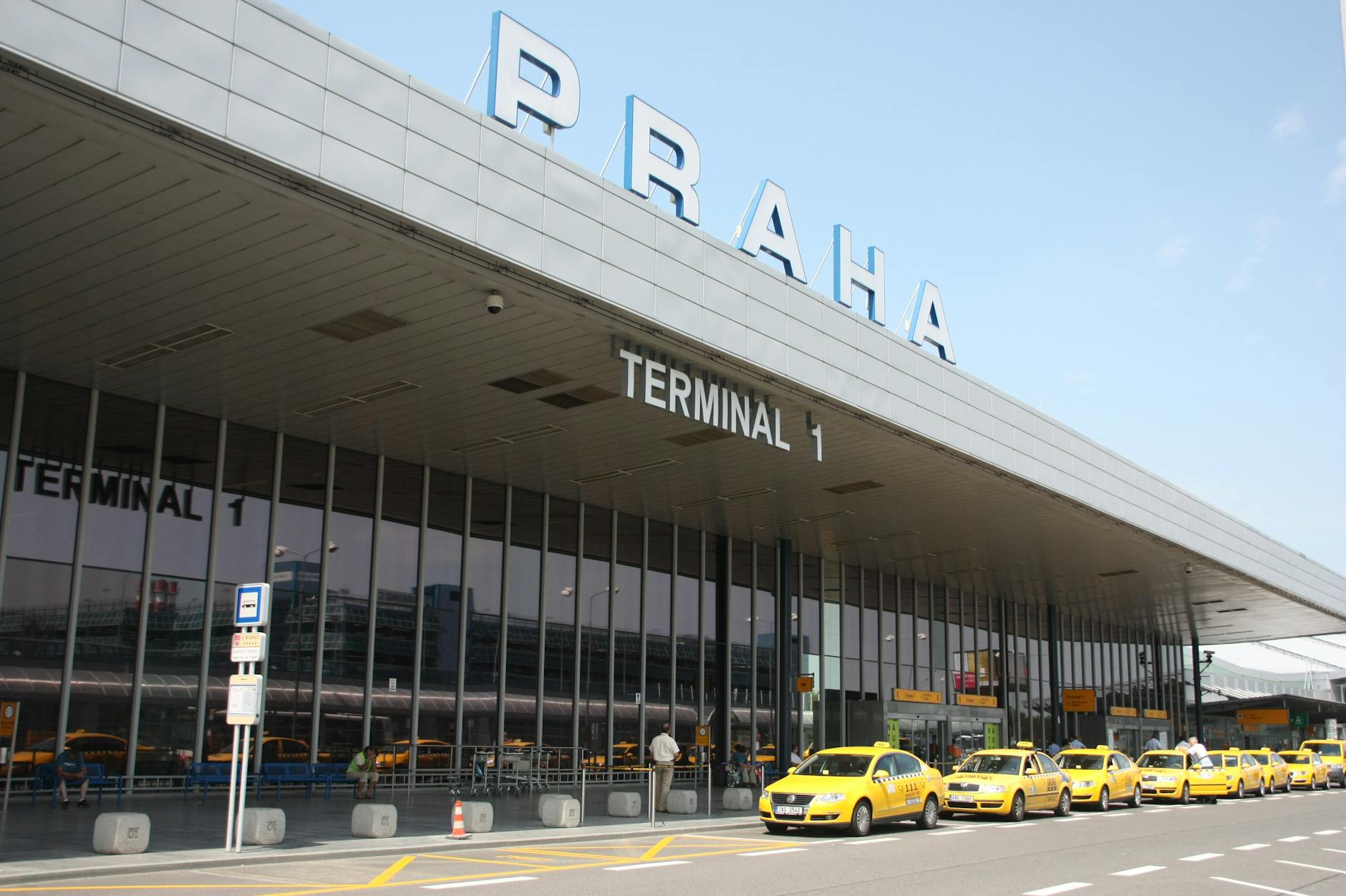

Take the 100E express bus to Deák Ferenc tér. It’s the fastest direct route to the city centre, cheap, and reliable. Departures run every 15–20 minutes, and the ride takes approximately 40 minutes depending on traffic. With this option you can enjoy a calm start to visiting Budapest. Once you arrive at Deák, you can switch to the metro for easy access to sights near the kálvin tér and beyond.
Another solid choice is the 200E bus to Kőbánya-Kispest, then transfer to the M3 metro into the centre. This route is cheap for groups and runs frequently, with a total travel time of approximately 50–60 minutes. It’s a straightforward option if you’re visiting on a budget and want to avoid the busiest parts of the city street network.
The airport rail link to Nyugati pályaudvar offers a fast, perfect alternative if you want to reach the heart of the city without road traffic. Trains run roughly every 30 minutes and take about 20 minutes. Tickets cost approximately 900–1,200 forint, purchasable at the machines or via the official app on your phone. This option is ideal when you look for a quiet, direct ride and prefer to reach the centre without a long wait.
Taxi options provide taxis with a guarantee of a fixed price to the city centre. Expect roughly 8,000–12,000 forint and a travel time around 20–30 minutes, depending on traffic. To save, choose an official taxi desk and ask for a fixed fare to the city centre; you can tell the driver your destination after you exit the terminal. If you’re visiting with others, shared taxis or a phone-booked ride can cut the cost while still delivering comfort. You can drop near Deák Ferenc tér or near kálvin tér to be close to your hotel.
Tip: keep your phone ready to compare options live and ask at the information desks for the fastest route at the moment. Whether you choose a cheap bus, a quick rail link, or a comfortable taxi, you’ll reach the city centre fast and ready to enjoy your visit to Budapest.
Compare the fastest routes: bus, train, and taxi options from the airport to the city centre
For speed and convenience, a taxi is the fastest door-to-door option from the airport to the city centre. You’ll meet the driver in the arrivals lobby and see a fixed-rate display in licensed taxis. English signage helps you navigate, and staff can answer questions quickly. Depending on traffic, the ride to central districts takes about 25–35 minutes, ideal when you have luggage or arrive for a corporate meeting. This option offers premium, reliable access with a straightforward commitment to getting you to your hotel or lobby on time. If you need to ship any extra bags, a taxi can accommodate them with minimal fuss. If you prioritise the safest arrival, taxi or train routes offer reliable timing and effortless navigation.
The direct bus 100E links the airport with Deák Ferenc tér, offering an economical path to the heart of the city. The journey typically lasts 40–60 minutes depending on highway conditions, and tickets are available at airport machines below the arrivals hall or from the driver with a small surcharge. It’s a solid choice if you travel light, want a simple, fixed-stop ride, and don’t mind a longer move to your lobby or a central stop. The service provides a great range of departures throughout the day, making it easy to align with your plans and a variety of travel needs.
The airport rail to Nyugati pályaudvar provides a solid alternative that avoids highway delays. Travel to Nyugati in about 25–30 minutes, then transfer to the M3 metro for a short 4–8 minute ride to Deák Ferenc tér. This option combines speed, convenience, and cost efficiency, especially for solo travellers or small groups. It also has fewer stops than the bus, helping you move easily to central cities with a comfortable, stylish ride.
Costs vary by mode and time of day. Taxis offer door-to-door service with a premium feel; trains balance speed and price with a couple of transfers; buses deliver the lowest fare with a predictable stop pattern. For groups or corporate needs, a taxi or private shuttle can accommodate larger parties with reliable timing, while the rail option suits those who want a comfortable ride with minimal stops. If you have questions about routes, below you’ll find advice and practical information to help you decide.
Fastest options at a glance
Taxi: fastest door-to-door, ideal for groups or corporate needs; train: fast to central hubs with a short metro transfer; bus: cheapest and straightforward direct link. Timings shift with highway traffic, so a small buffer helps.
Tips for a smooth arrival
Plan your choice by arrival time, luggage, and group size. Here’s how to move quickly: book in advance when possible, use official taxi stands, and carry a rechargeable transit card for the metro. If you want a premium experience, ask for a fixed-rate taxi or a corporate shuttle. If you travel with a group, a single vehicle can easily accommodate everyone and avoid multiple stops. For quick reference, you can label your notes as myself1 to remember your preferred route.
How to ride the express bus 100E: stops, tickets, and crossing Deák Ferenc tér
Take 100E from Terminal 2 to Deák Ferenc tér; this is the easiest door-to-door option for most visitors and will deliver a comfortable ride into the city center. The typical travel time is about 35–45 minutes in light traffic; during peak hours it can stretch. Check the updated information at the airport monitors or on the operator's information page before you travel.
Boarding and stops
- Board at Terminal 2A or Terminal 2B; look for clear 100E signs and a low-floor minibus-style vehicle with a wide door for easy access.
- The route shows the exact stops on the monitors at the stop; the final stop is Deák Ferenc tér. This means you can confirm the sequence before you ride.
Ticket options and buying tips
- Options: single-ride ticket for a quick trip; 24-hour pass for sightseeing, or a private rental if you travel with a group and want a fixed schedule.
- Where to buy: at the airport ticket machines near Terminal 2A and 2B; they accept cash or card, and you can also book via the official app. Tickets are delivered instantly to your phone or printed on the spot.
- Fees: tariffs are updated regularly; check the latest fees on the operator's information page. Validate the ticket on board.
- Accessibility: buses are low-floor and accessible for wheelchairs, strollers, and travelers with luggage. The ride is comfortable.
- Extras: This means you have flexible means of making your trip: you can use a rental for a private minibus if you need more comfort or book in advance.
Crossing Deák Ferenc tér
- From the bus stop, follow signs to the pedestrian crossing toward the river bank or toward the M2/M3 entrances; use the crosswalks to stay safe.
- Deák Ferenc tér is a famous transport hub with three Metro lines and several tram routes; monitors deliver live service information to help you plan your next move.
- In busy times, the area can be crowded; warning signs and monitors help you avoid delays.
- Accessibility: the square area is accessible and many exits have lifts or ramps; if you need, check the location of the nearest elevator on the monitors. You can reach the Danube river quickly for breakfast by the river if you want.
If you have questions, check their information channel or WhatsApp for quick answers, or book a private minibus rental for added comfort and a fixed schedule.
How to ride the 200E bus: from the airport to Kőbánya-Kispest and connections to the metro
Take the 200E direct from Ferihegy to Kőbánya-Kispest; it’s a simple, short ride with a convenient link to the metro, and it keeps your stay on track without extra transfers.
Buy a single ticket at the airport terminals using the machines or via the BKK app; the driver wont sell tickets on board, so plan ahead. If you have a travel pass, use it to keep things simple and focus on the ride rather than ticketing.
Board at Terminal 2, outside the arrivals area, where stops are clearly signed for 200E; this direct approach moves you quickly to Kispest. Terminals area signage and street-level guidance help a simple, short ride with no detours.
From the airport to Kőbánya-Kispest expect 25-40 minutes, depending on traffic; buses run roughly every 20-30 minutes most of the day, with a maximum wait during late hours rarely exceeding half an hour.
At Kőbánya-Kispest, follow signs to the M3 blue line toward Deák Ferenc tér; you’ll reach central Pest quickly. For extra options, transfer to M4 at kálvin tér (kálvin) to continue toward the city center or other districts, focusing on your final street address.
This route design keeps the transfer simple and short, with a simple flow from the terminals to a direct metro link, convenient for those staying near accommodation or central hotels. The cabin offers thermal controls for comfort; drivers were helpful and will assist with directions if you ask. Those using the 200E can rely on whatsapp updates and live tracking to plan pickups and arrivals, ensuring you move seamlessly and have a smooth ride. Thirdly, during summer, this competitive option remains popular for tours and city visits, including cruise itineraries along the Danube. If you want to relax after your flight, you can stay within easy reach of your chosen accommodation, and even do a quick street stroll before heading to your hotel. Within minutes you’ll be at your doorstep, and you’ll feel prepared for a successful stay in Budapest. For those heading toward the Kalvin area, this route connects to central streets and to your accommodation with ease, offering a clear, design-driven path from airport to city.
Rail option: taking the airport train to central stations and typical travel times
Take the airport train to Nyugati or Keleti for a quick, ground-level connection to central locations. On arrival, exit the arrivals hall and follow the signs to the railway station on the ground floor; trains depart directly from the airport platform, delivering passenger arrivals with minimal steps from the terminal to the rail service.
Timings are straightforward: daytime trains run every 20–30 minutes. The ride to Nyugati pályaudvar takes about 25–30 minutes, while a typical ride to Keleti pályaudvar runs 30–40 minutes depending on stops. Some services may include Kőbánya-Kispest as a transfer point for downstream Metro connections, so check real-time schedules before you plan.
Where to buy tickets: book online to lock in the best price and avoid queues at the station. You can also buy on-site at ticket machines or passenger service desks at the airport. Use online or app to look up real-time departures and plan with trusted providers. This shared solution makes arrivals effortless, with door-to-door convenience.
If you have business trips or a longer stay, thirdly, the rail option remains a reliable choice for planning efficient commutes. The service is delivered by trusted providers with a strong record for punctuality. Real-time boards show the next arrivals, helping you move from the rooftop lounge to the center quickly.
Getting to your final place after landing: after arriving at Nyugati or Keleti, use the metro, tram or bus to reach specific locations. For Kőbánya-Kispest neighborhoods, catch the M3 line from Keleti or transfer at a central hub; in most cases, a single transfer suffices. Real-time planning tools, online bookings, and mobile tickets simplify the journey for passenger groups and business travelers alike.
First-arrival tips: SIM cards, currency, transport passes, maps, and safety tips
Get a local SIM card at the airport terminals to stay connected as you arrive, making it easy to navigate and ask questions from staff if needed.
Choose a plan with enough data to cover maps, ride apps, and urgent messages. Buy directly from operator kiosks or vending machines in the terminals, and activate right away to use the services without delay.
Currency matters: have forint ready for taxis, minibuses, and small purchases. Withdraw cash at ATMs in the arrivals area to avoid high exchange fees, and use your card for larger payments where possible. Be aware that some vendors and taxis prefer forint, while cards are widely accepted in modern places.
Transit passes save time every day. The modern public system offers all-inclusive options such as 24-hour and 72-hour passes for unlimited fares on trams, buses, metros, and some suburban lines. Buy them at stations, from vending machines, or through the official app to stay reliably covered during sightseeing along the river and docks.
Maps and orientation help you arrive ready for your first moves. Pick up a free city map at the information desks in the terminals, or download an offline map in advance. Follow clear signs to the metro and tram stops, and use the river as a reference point for easier navigation around sights and docks along the Danube.
Safety comes first on every occasion. Use licensed taxis or registered airport shuttles for the safest transfers, and ask the airport team for the best options if you’re unsure. Keep a small bag or wallet in front pockets, stay aware of your surroundings near crowds, and have your passes and tickets handy so you move easily through the queues and prove your fares when needed.
Advice for a smooth arrival: prepare a single bag with essential things–documents, SIM, some forint, a transit pass, and a downloaded map–so you can move directly from the terminals to your first sightseeing stops without delays. This ready approach reflects the city’s pride in its modern services and helps you enjoy the riverfront and other sights with confidence.
| Option | Where to get it | Typical price range | Notes |
|---|---|---|---|
| SIM card | Airport terminals, operator kiosks or self-serve booths | Basic data starter packs from ~2,000–4,000 HUF | Activate on the spot; reliable coverage for navigation and calls |
| Currency | ATMs in arrivals; airport exchange desks (for small amounts) | Cash withdrawals in forint; exchange fees vary | |
| Transport passes | BKK vending machines at stations; official app | 24-hour ~1,650–1,900 HUF; 72-hour ~4,000–4,500 HUF | All-inclusive fares for unlimited rides; ideal for sightseeing |
| Maps | Information desks in terminals; online/offline maps | Free | |
| Taxis and minibuses | Licensed ranks; airport shuttle minibuses | Fares vary; fixed-price options available | Safer to use licensed options; confirm fare before ride |


