How to Get a Taxi in Buenos Aires - Practical Guide for Visitors

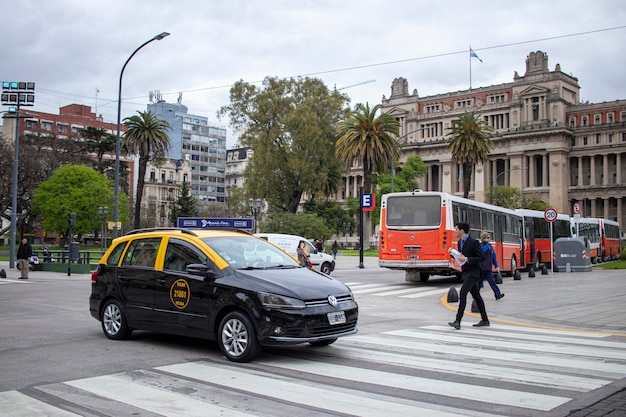
Take a licensed taxi from a stand or book via a reputable app at the airport or your hotel. Once you land, stay away from unmarked cars; around the terminal, look for official signage, a working meter, and a driver ID presentation. If you’re looking for a reliable option, your choice is to use a stand or a radio-taxi service rather than hailing like a local on the street; this reduces risk and keeps your ride predictable.
At major hubs you’ll find taxi stands with lines of cars and explicit meters. For Argentine reliability, prefer radio taxis or app-based bookings; they show fare estimates before you confirm, helping you avoid surprises. If you’re looking for a straightforward ride, this is a solid presentation of service. The around the pickup area is usually well lit, and you can verify the plate and company logo before you get in. Finding a reputable option is easier when you stay near official stands rather than chasing unofficial drivers.
Most taxis require cash in Argentine pesos, though some drivers accept dollars via apps or card readers. If you must pay in dollars, check the fare screen first, because the official rate may differ from the street quote. given the volatility, carry a mix of pesos and a small amount of dollars for backup. Also, if you book through an app, you’ll see the estimated fare before you confirm.
When hailing on the street, keep your belongings close and avoid stopping in traffic. If you’re speaking Spanish, use simple phrases: "¿Puede llevarme a X?" If you’re not fluent, a quick note of the destination helps, and you can point on a map. This reduces misunderstandings about the route and speeds up the presentation of the trip. Finding a trustworthy driver is easier when you observe the surroundings and confirm the plate before you enter the car.
Before you travel, compare options for choice and price. If you want predictability, use a stand or a reputable app rather than flagging down any car. Apps display fare estimates and route times, giving you a clear presentation of the trip. Be alert to the surroundings and traffic, especially around airports and business districts. If a driver asks you to get in a different car, decline; otherwise you might fall for a scam.
With these steps you’ll navigate Buenos Aires taxi options with confidence. Once you’re in the habit, the process feels natural in the vibrant Argentine capital. The choice between app bookings and street hails depends on your schedule, but either way you’ll ride efficiently and safely. Around major hubs the service is reliable, and cars are clearly signposted and metered. If you need to reach a venue on time, however, plan ahead and verify the fare to avoid surprises.
Hail a taxi on the street: best spots, times, and signals in Buenos Aires
Recommendation: Start at the Obelisco area (Avenida 9 de Julio and Corrientes) in downtown, one of three solid street-hailing spots where taxis pass with a steady rhythm and the vibe, like a busy market, feels brisk. You typically wait around five to seven minutes on weekdays; if traffic slows, although the situation is tight, switch to Plaza de Mayo or the Av. de Mayo corridor and submit your request clearly from the curb. For flexibility, keep cabify as a backup option and be ready to pay in cash or with a card when the ride arrives. Please avoid shady touts or mafia-like pressure, stick to official taxis, and tip the driver at the end of service. This answer aims to give well-grounded guidance for your streets, surroundings, and the best places to hail taxis around downtown.
Best street spots to hail on the street
- Obelisco area at the intersection of Avenida 9 de Julio and Corrientes–Downtown hub where the streets bustle and taxis queue in the single lanes.
- Plaza de Mayo / Av. de Mayo belt near Casa Rosada–Watch for a steady flow of cabs along the sidewalks and around the square.
- Avenida Santa Fe near Florida Street–Micro-centre corridor with a bunch of passing taxis and frequent chances to flag one down.
Times and signals to flag a taxi
- Times: morning rush around 7:00–9:00, second peak around 17:00–20:00, lunch lull 12:00–14:00; nights and weekends vary, but you’ll often find taxis near downtown bridges and avenues.
- Signals: stand on the curb, raise your arm with an open palm, and give a quick, clear destination to speed the submission of the request.
- Payments and notes: some taxis display a small menu of payments on the dashboard; have cash or a card ready and ask about card acceptance before you ride.
- Safety and surroundings: ignore touts or mafia-like pressure; stay visible, scan the surroundings, and choose a well-marked taxi with its license visible.
- Tipping and receipts: tip the driver at the end of service (around 10%), and request a receipt if you need it for reimbursement or records.
Identify legitimate taxis: color, markings, and licensing to avoid unregistered rides
Always enter a taxi that clearly displays its official license number on the door and a working meter; if the driver can't show these, walk away immediately.
Color, markings, and meters
Legitimate taxis in Buenos Aires are typically yellow, though some fleets vary by district in central and south zones. Look for a clearly lit TAXI sign on the roof, a city license plate or medallion number on the door, and the company name on the side. The meter must be visible and running when you depart; the fare display inside should match the meter reading. If a driver cannot show the license or insists on a flat fare before starting, consider it a red flag. Some petty operators could try to alter the meter or offer a price after you enter; never accept. Note the license number and the car's number from the door before you begin, then compare with the dashboard tag during the ride. The roundup of signs you should check includes color consistency, a clearly displayed number, a valid license, and a dispatch label. If you are near a subte station in central zones or walking from a transit hub, prefer taxis from official stands or reputable dispatches rather than hailing a ride in the street. If the driver suggests an alternative, or else, a cheaper route, walk away. Subtle cues like a missing company name or a mismatched color scheme can also signal trouble, so stay alert. If you took a ride and something felt off, report it with the license and driver name to the appropriate authorities.
Where to find legitimate taxis and how to avoid unregistered rides
Use official stands outside airports, hotels, and major stations; in Buenos Aires, those stands are usually near central streets. Choose options that signage indicates as registered with a city fleet; you could also call a recognized taxi company or use a trusted app, then enter the driver's name and number before the ride. Always enter directly after you confirm the license and meter; upon arrival, verify the door number and the displayed amount at the end of the ride. Some scams come from drivers who claim to be affiliated with networks in neighbouring south or uruguay regions; given these rare cases, stick to official numbers and avoid any ride arranged by a stranger on the street. Locals usually know which stands are reliable, so asking them saves time and reduces risk. If a driver presses for cash-only payment or refuses a card reader, exit and report it. They may enter several rides to fleece unwary tourists; your caution reduces that risk. Cities of this size usually share these guidelines, so your choice of reputable options makes travel safer and less stressful when you walk through busy city centers or take a ride after late-night outings.
Call or dispatch a taxi by phone: trusted numbers and tips for Buenos Aires

Always call your hotel front desk to arrange a taxi through a trusted dispatcher because that reduces the risk of a sketchy pickup and keeps safety a priority in busy zones. If you visit Buenos Aires on a tight schedule, concierge staff can provide two or three reliable numbers or point you to official city links. If you prefer direct contact, choose a type of dispatch from a well-known network and ask for written confirmation or a text with the driver’s name and plate. Carry the pickup address in writing, in both English and spanish, and plug the exact pickup point into your notes to cut errors. For added security, keep the dispatcher’s information handy online and in your phone as a backup.
When you call, give the pickup location (hotel lobby or main entrance) and the destination as precisely as possible. Ask for the estimated price before the ride starts; base fare plus distance and time fees can vary, especially for airport runs or late-night trips. If you see a meter, have the dispatcher confirm the fare before you authorize the ride. If a driver asks for upfront payment or a different price, decline and request the meter fare instead. The choice between an online booking and a traditional call affects availability; if the app is busy or slow, a trusted line usually takes less hassle and works as a solid backup. For a full-day plan, consider an independent driver with a fixed rate to avoid repeated calls and keep costs transparent.
Popular networks and how to reach them by phone
Use numbers published by the city or by established radio taxi networks. Buenos Aires uses the 11-area code for city lines; when calling from abroad, dial the country code +54, drop the leading 0, then 11 and the local number. Ask for the driver’s name and the company’s license ID; have it written down or texted to you. If a line asks for a tip upfront, reject that request and rely on the meter fare after the ride. For visitors from a third country, like greece or ireland, carrying your passport can help if ID is requested, but do not share sensitive information over the phone. Check official resources via the city’s tourism information pages; the official links let you verify the legitimacy of the numbers you call and compare prices online before choosing a line.
Safety and practical tips for phone bookings
City safety presentations emphasize sticking to verified dispatch lines, checking the car’s plate and the driver’s name before you get in, and keeping your personal information to pickup and destination only. If you are in a busy area, don’t reveal full home address, and avoid sharing bank details or cards. If a line asks for upfront payment, or you feel pressured, shut the call and choose a different option. Ninety seconds wait times are common during peak hours; have a second line ready if the first is busy. Carry a written address and the hotel’s name, and consider a small spanish-speaking note for the driver when needed. If you are robbed or feel unsafe, contact local police and 911 immediately. For a full-day itinerary, an independent driver with a fixed schedule can simplify the day and avoid extra charges. When you tip, do so directly to the driver after the ride based on service quality. If you carry cash, keep only what you need and separate wads of notes to minimize risk.
Ride-hailing apps in Buenos Aires: how to set up, compare fares, and track arrivals
Install Uber and Cabify now, create your accounts, verify your phone, and add a payment method. Store your favorite pickup points for quick calls. If youre new, plan to check both apps for the same route, because fares vary and traffic can push the price up. This approach could save you longer waits with less cost; stay flexible and compare in real time to find the best option.
Setting up ride-hailing apps
Download the apps from google play or the App Store, enable location services, and grant permission to find you. Add a payment method: card, wallet, or in-app purchases where available. Save home and work addresses in the store for faster calls. Set safety contacts in the app so someone can track your trip if needed. If youre traveling with participants, you can share trip details, and you can switch between several cars or a single car depending on group size. When you book, the app lets you choose vehicle type; some options offer a third seat or a child seat if needed; bring a small plug for charging your phone in the car.
Compare fares, track arrivals, and safety tips
Before you ride, check real-time estimates on both apps for your route; fares can differ with traffic and surge pricing, and the best value may change by the minute. Usually you will see a range of options; after booking, several cars appear on the map, and you can tap to view each driver's profile and plate. If you cant find your driver, calling them through the app or contacting support helps. google maps can validate traffic and ETA for your plan. Months of operation in Buenos Aires show steady improvement; Lets you plan purchases of rides around busy days; some providers offer a plan for multiple trips, which is useful for a longer stay. For safety, share your trip with a friend, speak politely to the driver, and contact safety features if something feels off. Must remember: if a ride shuts down or delays too long, you can cancel and book again. If youre in danger, use the app's emergency button. Fact: Buenos Aires traffic is heavy on weekdays, so expect longer trip times and plan accordingly.
Fares, payment options, and tipping: what to expect in Buenos Aires taxis
Take a yellow taxi with a meter and watch the fare rise from the flag drop. This is the easiest way to pay in pesos and avoid overpaying, especially if you visited or plan to visit Buenos Aires; the meter keeps the amount transparent and you can actually see the total as you ride.
The fare structure isn’t hard to read, but it can look complicated at first. A typical ride starts with a base flag drop, then adds distance and time. Expect roughly 60–90 pesos to start, then about 15–25 pesos per kilometer, with extra minutes charged in slow traffic. Prices vary by taxi company and district, so you can verify the amount by watching the meter, and citys information panels plus maps help you estimate before you hop in. If you want a quick USD reference, a dollar may be around 350–450 pesos depending on the moment, but the actual total will be in pesos as shown on the meter. They watch the meter; you should watch it too.
Three practical payment options exist. The easiest is peso cash paid directly to the driver. Cards are actually accepted in some yellow-and-black cabs equipped with a reader, but this is less widespread, so be prepared with cash as a backup; this payments approach is still common in many areas. A third option is to book a pre-arranged taxi through your hotel or a trusted radio taxi service, which can be handy for airport arrivals or full-day plans. If youre in a busy district, calling ahead often reduces waiting time and lets you confirm the estimated fare in advance.
Tips to firm up your budgeting: rounds up to the nearest peso are common, and about 10% is a fair guideline for good service. The drawback is that cash-only policies persist in lots of taxis, so carry enough local currency. If you prefer using transit for longer hops, walking to a subway (subway) station and then hopping back into a cab for short legs can balance costs, though taxis remain the simpler option for luggage or late-night trips. For airport trips or hotel pickups, a pre-booked taxi is a solid alternative and helps you avoid surprises during peak hours.
Table below summarises the main fare components, payment options, and tipping guidance for quick reference:
| Component | Typical range (ARS) | Notes |
|---|---|---|
| Base flag drop | 60–90 | Start of the fare; varies by company |
| Distance charge | 15–25 ARS per km | Depends on traffic; meters update automatically |
| Waiting/slow traffic | 2–5 ARS per minute | Meter logs time; expect higher totals in jams |
| Surcharges | Varies (night, holidays, airport) | Airport trips often carry extra fees |
| Payment options | Cash in pesos; cards in some cabs; pre-arranged taxis | Three options; cash remains the easiest |
| Tipping guidance | ~10% typical | Round up; adjust for service quality |
Safety and scam prevention: staying safe when hailing and riding
Always use cabify or a reputable app, or pick taxis at busy, well-lit places like hotels, airports, or major stations; if something feels off, stop the ride at a safe spot and switch to another option.
Where to hail safely
- Prefer pickups at hotels, airports, and official taxi stands in busy areas; although most drivers are professional, these spots have cameras and staff, reducing impersonation risk.
- Before entering, verify the driver’s name, photo, car type, and plate in the app; don't trust a random approach without checks.
- Although the vibe is generally good, if the car or driver seems off, dont enter and request a ride from another driver or app.
- Ignore street sellers offering unusual presentations or fast deals near eating areas; stick to official channels to avoid scams.
- If you are approached by a private driver on the curb, move to a hotel entrance or taxi stand and hail from there.
- Always compare prices in the app and the meter; if the price is higher than expected, cancel and rebook.
During the ride and after
- Keep your cellphone handy and enable trip sharing with a friend; never reveal sensitive information to the driver.
- Fasten seat belts, watch the route on the map, and note any relatively long detour; ask for a clarification or switch rides if the route seems wrong.
- If the driver asks you to enter a different route, politely request the original route or cancel the ride and start a new one.
- When paying, use the app’s method whenever possible; if paying cash, count the money and ensure the amount matches the final price shown in the app.
- Don't describe your full destination to strangers; only the app or official confirmation should show where you're going.
- After drop-off, check the plate and car model against the app details; if anything seems off, report the incident to the ride service and, if needed, to local authorities.
- If you have a problem during the trip, stop at the next safe place and contact the ride app support for help.
At your destination: confirming address, luggage handling, and exit tips
After you exit, tell the driver the exact drop-off place and confirm the full address aloud. If the block or entrance isn't indicated clearly, ask them to repeat the street and point to a nearby landmark on your map. This quick check will save you wandering and make the first moments at your destination more comfortable.
At pickup, ask for help with the luggage and confirm how many bags are in the trunk. Keep the hand that handles the door free and watch the trunk close; count pieces before you step away, and check for any missing items when you reach your hotel or apartment. If you visited a crowded area, inspect each bag carefully and keep valuables with you.
Exit tips: choose a well-lit, busy curb and follow clear signage to the correct exit. If you can't locate the entrance, step to a main street and call your hotel or host for directions. Avoid sketchy corners and align with locals and other people headed in the same direction; a quick, courteous ask usually tells you what to do next.
If you plan to switch to the subte, head to the indicated station entrance, buy a card, and enter through the turnstiles. Keep kids close and move with the crowd when trains arrive. Subte travel is common for visitors, but it takes a moment to read the map; please give yourself a couple of minutes to orient, especially after a taxi ride from the airport.
To reduce risk and uncertainty, exchange numbers with your driver and ask for a free business card that lists the address and a nearby block. Locals will often tell you what to expect about the place you are visiting; this little prep saves time, keeps your plans on track, and makes the transition from taxi to the next step smoother.