
How Much Is a Taxi in Istanbul - A Helpful Tourist's Guide for 2025
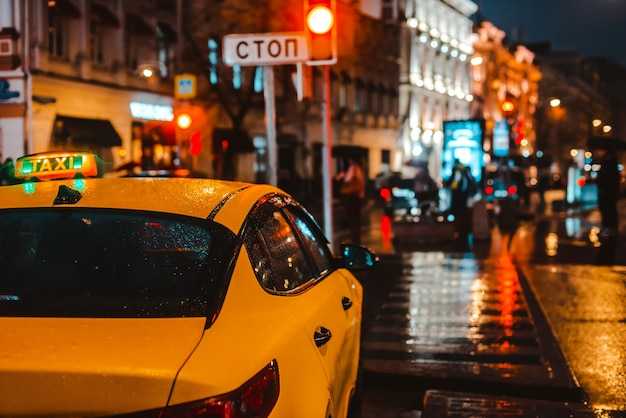
Start with a metered taksi from the airport and track the fare on the meter from start to finish. Traveling with a bebek or a lot of luggage? Request an added seat and confirm the child seat in advance. This approach keeps pricing transparent and helps you plan right away, traveling light.
Pricing in 2025 is based on distance and time. Official taxis apply a small airport surcharge at IST and SAW terminals. In central hops, expect city ride costs typically within 70-150 TL for short trips, with airport-to-old-city journeys commonly in the 200-350 TL range, depending on traffic. Always track the meter and adjust your expectations if detours or queues extend the ride. This helps with travel planning, and you can utilize real-time tracking to see your route and pick the best path.
To keep your travel budget under control, compare a couple of options before you hop in: use the meter, or check a couple of reputable apps for rough estimates, then choose the right option. utilize real-time tracking to see your route; this is especially handy near mosque clusters where short hops occur. With their positive reliability, taxis can move you quickly between neighborhoods such as Beyoğlu, Kadıköy, or the old city.
Culture note: taxis offer convenient access to Istanbul's gems and neighborhoods, from the grandeur of the mosque to the copper shops in bakırcılar, and to the shops and markets that underline the city’s culture. If you travel longer distances, consider fixed-rate transfers or a mix of transit options to keep costs predictable. For families traveling with a child, request a safe seat to keep everyone comfortable during the journey.
Travel smart: keep an account of the day’s rides, and use a single taxi provider when possible to simplify tracking. Their fixed charges or airport surcharges can be added to your travel plan. By utilizing tips from locals and fellow travelers, you can maintain a positive experience and maximize time for exploring Istanbul’s culture, architecture, and nearby sites.
Fare ranges by route and time of day in Istanbul 2025
Insist on using the meter for every ride and begin with a practical range: short central trips during daytime typically cost 40–70 TRY, while the same trips at night run 60–90 TRY. If you need predictability, the meter gives you the best access and helps you travel with confidence.
For mid-length routes (roughly 5–12 km) the range is about 70–130 TRY by day and 100–170 TRY after dark, depending on traffic through busy corridors and bridge tolls. These numbers reflect the diverse districts you’ll pass through, from the European side to kadıköy and beyond.
Longer journeys across districts, such as kadıköy to the historic peninsula or Beşiktaş, sit in the 150–210 TRY band by day and 180–280 TRY at night when delays push the meter up quickly. From kadıköy to iconic sites like Hagia Sophia or the Blue Mosque, plan for 140–210 TRY in daylight and 170–240 TRY after sunset for door-to-door travel when traffic is typical.
Airport transfers to central districts usually fall in the 200–300 TRY range during the day and can push toward 300–360 TRY at night depending on congestion; consider subway or a mix to save time and money, especially in peak hours. This approach gives you advantage and lowers paying stress for very crowded routes.
Typical fare ranges by category
Short routes (0–5 km) inside busy districts run roughly 40–70 TRY by day and 60–95 TRY at night; mid-length routes (5–12 km) are 70–130 TRY by day and 100–170 TRY by night; long routes (>12 km) range 130–210 TRY by day and 180–280 TRY after dark.
Tips to manage costs in 2025
Access to several taxi options ensures better pricing; from home pickup to hotel stands, you can give yourself an advantage by choosing licensed taxis with meters and avoiding fixed-price offers. If you need a larger journey, combine door-to-door rides with the subway to cut costs and avoid delays, a common practice among travelers traveling between kadıköy districts and central sites. Written estimates can help you plan ahead, and driver insights can guide you through busy streets, making your travel smoother without overspending.
How to read a taxi meter and spot fare anomalies
Ask the driver to start the meter before you move. This simply protects you and is the best way to avoid overcharges, and it helps determine a fair total, especially at night periods near bakirkoy or sabiha airport when routes vary, which is useful for tourists.
Meter basics you can rely on
- Base fare and flag-down charge appear at the first display. Compare with the tariff board on the door or inside the cabin; tariffs vary by fleet. This gives you the advantage to judge a fair total against other options.
- Distance and waiting increments: after the initial distance, the meter adds per kilometer and a waiting time when traffic slows, so track the route and distance on a map.
- Tolls and surcharges: note any tolls or airport charges. The meter should include those amounts if the ride crosses a toll road or airport zone.
- Night rates and location-based adjustments: some taxis apply higher rates after a certain hour; urban areas near landmarks like Galata Tower or notable architecture can have small surcharges. Always check the final figure against the route you took.
- Location changes: rates can vary by zone or fleet; keep an eye on the meter as you pass via different neighborhoods, including busy hubs and quiet residential locations.
Spotting fare anomalies and safe responses
- Watch for detours: if the route seems longer than your map shows, ask the driver to confirm the path and distance. Refuse unnecessary deviations and request a recalculation if needed.
- End-of-ride checks: before paying, compare the final total with the distance traveled and the posted tariffs. If the amount seems high, ask for a recount or request a receipt.
- Record details for safety: note date, time, license plate, taxi company, and the route in case you need to report concerns to authorities. Use licensed taxis with a clear meter for better protection.
- Budget-friendly options: only choose licensed taxis with a visible meter; in busy areas like bakirkoy or near sabiha, compare two options or use a reputable app that shows fare estimates for common routes.
- Exit strategy if something feels off: if you suspect a non-compliant driver, exit at a safe, well-lit spot and seek a legitimate taxi from a nearby stand.
Airport taxis in Istanbul: IST and SAW fixed rates vs metered rides
Book a fixed-rate airport taxi for a door-to-door experience and avoid time-based meter surprises after a long flight.
From IST, fixed-rate trips cover key European-side hotspots such as Taksim, Beşiktaş, Şişli, and Kadıköy. Typical rates range around 180–240 TL, depending on the exact point and traffic. From SAW, fixed routes to Kadıköy, Maltepe, Bostancı, and Beykoz run in the 230–320 TL zone. If your destination lies outside these lines, drivers may quote a higher fixed rate or add tolls; always confirm the amount at purchase and before starting. These rates include standard airport charges and spare you line-by-line meter calculations, helping you travel efficiently.
Metered rides use a time-based mode: the meter starts with a base fare and adds per kilometer and per minute, so heavy traffic or longer transfers can push the bill well beyond fixed-rate estimates. Luggage surcharges may apply, and late-night hours can bring extra charges. In situations with smooth traffic, metered trips can be comparable, but in rush hour the fixed-rate option often saves money and stress.
How to secure fixed-rate options: head to the arrivals booths or book through Bitaksi to compare options and lock in a rate before you start. Their app lists available routes and their rates, so you can pick an alternative route if needed. Verify the chosen point of purchase and the final fare, and ask for a written receipt when you pay. If you want an alternative, consider a private transfer or an airport shuttle service for specific routes; these operate on fixed schedules and offer a different experience from standard taxis. For those traveling with family or carrying extra luggage, fixed-rate taxis provide a predictable door-to-door experience to your area and help you manage carry time more efficiently.
Tips for traveling after landing: use legitimate taxi lines; carry cash in Turkish lira or ensure card acceptance; check that the driver isn’t deviating to avoid routes. For food lovers, plan a short stop near a mosque area or after arrival to sample Istanbul’s cuisine; this can be convenient on longer routes and doesn’t complicate your ride. If you’re traveling at night, keep your phone handy to monitor routes in case of detours and use your app’s map to view the route options and estimated time-based charges if you choose a metered ride.
When to use taxis vs ride-hailing apps in Istanbul
Recommendation: for most trips in Istanbul in 2025, rely on ride-hailing apps such as bitaksi to see real-time costs, choose a suitable vehicle, and avoid negotiations with drivers. Use licensed taxis for immediate pickup and for airport transfers when you need a seat quickly or traveling with luggage.
In sultanahmet and other architectural landmarks-rich districts, both options work well, but costs and convenience shift with traffic. Ride-hailing apps give a clear cost check and familiar routes, which helps in crowded tourism zones. A street taxi can still win on speed during peak congestion, because it goes straight to the curb without waiting for a pickup in dense areas. In addition, both options include fees that can appear as extra charges, so always check the final price before you board. This is especially true for airport trips, where mandatory surcharges and airport fees may affect the total.
Dividing by use case makes the choice simple: for routine city travel to well-known districts or to travel between districts to visit landmarks, apps usually provide better visibility of costs and route options; for last‑minute pickups from busy areas such as sultanahmet or near major tourism hubs, a taxi on the street offers reliability when time is tight. The system does not rely on negotiations, and you can see the estimated costs before you confirm the ride. If you need a child seat or a larger vehicle, the diverse fleet in bitaksi often includes options that meet those needs, which adds convenience for traveling families.
Practical tips
Always check that you are using official, licensed taxis and avoid black taxis that operate without meters. For airport trips from sabiha, expect a built-in airport surcharge and other mandatory fees; these are included in the app’s final quote or on the meter. From sultanahmet to a popular tourism landmark, costs can vary due to traffic and route choices, so compare the addition of tolls or detours before you confirm. In addition, note that surge pricing can go up during peak hours, and the final bill may include extra charges not shown in the initial estimate. Traveling with luggage or a group makes taxis more suitable, while solo or short hops across districts often go smoother with a ride-hailing app. Always check the route the app suggests; if it goes far from your destination, switch to a closer option or cancel and request again. This approach keeps costs predictable and minimizes time wasted on back‑and‑forth driving.
Common taxi scams in Istanbul and red flags to avoid
Always insist on the meter at the start. If a driver refuses or quotes a fixed price, step out and hail another taxi. In Fatih and around major hubs, locals know this keeps fares honest. Before you set off, check google estimates for typical fares and confirm the route so the complete fare matches expectations.
Choose licensed taxis (visible meter, official signage, and a driver with a name badge). If you can, pick a taxi from a busy stand rather than stopping on the street. If a driver pushes a card payment with a surprise fee, decline and request the meter or pay with cash. This aligns with norms and avoids hidden charges.
Keep the route simple and verify it on your map. If a driver suggests a less direct path, ask to proceed toward your destination on the quickest route and be ready to switch taxis if needed. Most rides are positive, but being prepared reveals small gems of honesty and keeps you on the right pace.
Common scams to watch
Meter manipulation: The driver claims the meter is offline, or runs a higher flat rate disguised as a “special city tour.” Insist on the meter to verify the exact rate. If refused, end the ride and find another taxi.
Detours for bridges: The driver may take longer paths over bridges or back streets to inflate the distance. Compare the route on your map; if you notice unusual shortcuts, request a change or stop to re-check the route.
Luggage charges: Extra for heavy bags or bags beyond ordinary size. Ask upfront and document any extra fee; if you feel pressured, refuse and pay the base fare only.
Payment pressure: Some drivers push cash-only or avoid the documented payment method, adding a hidden fee. Insist on a clear method and request a receipt after paying the fare, paying them only the amount shown on the meter.
Unsolicited “tips” or unregistered companies: Some drivers pitch a private transfer at a higher rate or demand an extra tip. Walk away and hail a taxi from a nearby stand or use a trusted app to compare rates.
Red flags and how to respond
No meter upfront: If the meter stays off and the driver won’t switch it on, decline and switch to a different taxi. Note the license plate and driver name for reference if you want to file a report later.
Unclear identification: The taxi lacks clear signage, a license number, or a visible company name. Skip that vehicle and choose one from a recognized stand or a known fleet.
Forced or odd routes: If the driver pushes for a circuitous route with frequent turns, say you want a direct path and, if needed, request to stop in a safe spot to re-route or finish the ride.
Pressure to handle payments roadside: If the driver asks you to exchange money or pay tolls outside the meter, refuse and demand the standard meter-driven fare instead.
Keep a quick log: note the name on the taxi’s plate, the company name, and the route taken. This small step helps you stay in control and reduces surprises for future rides.
Payment tips, receipts, and how to dispute overcharges

Ask the driver to switch on the meter before you move and confirm the estimate on the display. This ensures you can compare the final fare with your maps route and the area range, and prevents later disputes. If the final price comes out higher than expected, you may feel underwater financially, so act quickly and calmly.
Note: a lightweight zeugma in casual writing can confuse a claim; keep your request factual and based on numbers, times, and receipts.
- Pre-ride decisions: choose your payment method (cash or card). If you pay by card, request a printed receipt and a line-by-line breakdown of base fare, distance, time, tolls, and ferry charges. If the driver refuses, record the taxi company and the vehicle plate, and keep a short list of emergency contacts.
- During the ride: verify the route on maps, watch the meter for increases, and ask for clarification if tolls or ferry fees appear. If the route looks longer than expected, ask to switch to a shorter option. If you travel with toddlers, ask about a child seat and any extra fee that might apply; otherwise, use a standard car only if permitted by the provider. Rates can differ by area versa other routes, so compare with your expectations.
- End of ride: take a clear photo of the final meter/readout and the receipt (if available). Ensure the total charged matches the display; tolls and ferry charges should be itemized separately. For cross-area trips, verify the line items reflect the applicable charges.
Receipts and documentation: keep the receipt, the exact time, the driver’s name if shown, and the vehicle plate. For card payments, the receipt is official proof; for cash payments, write down the time, amount, and route in your notes. Since you are a tourist, having a succinct record makes disputes faster to resolve.
- If you detect an overcharge, approach the driver calmly and request a corrected receipt or fare adjustment. If unresolved, contact the taxi company via the number on the card or door sticker and note the conversation date/time.
- Gather evidence: meter photo, final fare, time, area, and the route. Record driver name (e.g., Ahmed) or the crew like Yavuz if stated, and the plate number, then prepare a concise list of facts to support your claim.
- Escalate: present your evidence to the company; if there is no resolution, you can pursue a card chargeback or file a complaint with local consumer protection or a tourist help desk at your hotel.
- Prevention: utilize official taxi apps and maps for live rate estimates, and keep a rough range in mind for typical city trips. If you suspect hidden fees, ask for a transparent breakdown before paying.
Etiquette: speak politely to avoid friction; if you are a tourist, staying calm helps resolve faster. Since you’re visiting, you may encounter drivers like Ahmed or Yavuz who appreciate respectful communication. For families with toddlers, plan ahead by confirming a child seat and any surcharge before the ride. If the trip crosses tolls or a ferry, the final line item should clearly show those charges; verify with the driver before paying.
Savings tips: best routes, peak-hour timing, and alternatives to taxis
Get an Istanbulkart and load credits; this is mandatory for most routes and youll save money on every ride. Keep your card ready as you travel yourself between taksim, besiktas, and other culture-rich spots such as the area around sophia; visit gems along the coast, and still have funds after a day of tourism.
Best routes to save time: use a Metro-Marmaray cross. From taksim, ride M2 to Yenikapı, switch to Marmaray to Üsküdar, then hop a bus or ferry to your final location. Navigation apps provide live updates and several alternatives within minutes, so you can adjust on the fly.
Peak-hour timing: plan to travel after 09:30 or before 07:00; during 07:00-09:30 and 17:00-20:00, traffic surges and taxi lines grow long, so transit options still offer reliable service and reduce issues.
Alternatives to taxis: use ferries (ship) across the Bosphorus, buses and trams on major corridors, walk short hops within the historic center, or rent an İsbike for a scenic ride along the coast. This provides options within your location depending on preferences and is advisable for travelers with time limits.
Practical tips: tipping isn’t required for transit, so you can keep costs predictable; use the tips above to stay within your travel credits and avoid surprise charges after a busy day of travel.
| Option | Route example | Typical time | Cost (TL) |
| Metro + Marmaray cross | Taksim → M2 to Yenikapı, Marmaray to Üsküdar | 45–60 min | 2.5–5 |
| Ferry across Bosphorus | Karaköy to Kadıköy (or Eminönü to Üsküdar) | 25–40 min | 5–14 |
| Short hops by bus or tram | 15–25 min | 3–5 | |
| Walking / bike option | Istiklal Street to Galata area | 10–30 min | 0–12 |


