Amsterdam Taxis - Prices and Practical Tips for Taxi Rides

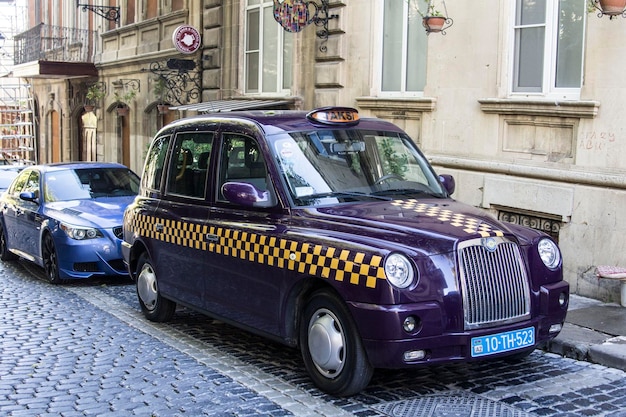
Recommendation: Take a licensed taxi from Schiphol with a fixed-rate option to amsterdam city center for a carefree start. This choice keeps the final price predictable and puts you in the perfect hand of a trained driver, making the first leg smooth.
Price structure to know: base fare around €3.50; per kilometer €2.00-€2.40; waiting time €0.40-€0.60 per minute. A ride from Schiphol to amsterdam city center typically costs €45-€50; hops within the city run €8-€15, depending on distance and traffic. An understanding of rate components helps you compare options and avoid surprises. Night and weekend surcharges add about 10-25%.
Booking options: at arrivals, follow the official taxi stands or use a trusted app that shows the permit status and offers reliable links to providers. Always verify the driver’s ID and the vehicle’s permit before starting. In amsterdam, some firms publish fixed airport-to-city rates, and adding these links to your notes helps you compare options with friends to save money. This system gives you everything you need, placing you in the right place from the moment you land.
Tips to keep costs predictable: consider booking an airport transfer with a flat-rate option; compare official providers by checking their links to price tables; have your card ready for contactless payment; for a group, sharing a taxi can lower the per-person price.
Key takeaways: amsterdam taxis offer transparent pricing, reliable service, and clear permits; the right choice from the start adds confidence and relief to your plans, letting you focus on restaurants, neighborhoods, and time with friends. This clarity fosters appreciation for the service and helps you plan future rides with ease.
Typical Amsterdam taxi fares: base fee, per-kilometer rate, and surcharges
For a straightforward city ride, expect a base fare around €3.70–€4.20 and a per-kilometer rate of €2.00–€2.50. Most trips between central locations stay under €15, while journeys to Schiphol Airport commonly run €35–€45 depending on time and traffic. If you travel with luggage or as a private group, add €0.50–€1 per bag or €5–€15 for a minibus to fit your party; this offers more flexibility and is convenient for families visiting events or tours. Increasingly, operators offer fixed rates for common routes, which makes budgeting easier.
To keep costs predictable and avoid surprises, many travelers check online quotes from reputable operators, compare which company offers clean, transparent pricing, and book via their website to secure an upfront price. You can rank options by reliability and price transparency. When you need to visit busy locations, a professional driver and a private ride often provide more flexibility than public options. Also, luggage surcharges and airport fees are common, so factor these extra charges into your planning.
| Fare component | Typical range (EUR) | Notes |
|---|---|---|
| Base fare | €3.70–€4.20 | Meter starts when the ride begins; higher late at night |
| Per-kilometer rate | €2.00–€2.50 | Distance-based; longer trips increase cost |
| Waiting time | €0.40–€0.90 per minute | Charged while waiting or blocked in traffic |
| Airport surcharge | €5–€8 | Schiphol and regional airports apply |
| Night/holiday surcharge | €1–€2 extra | Typically 00:00–06:00 or holidays |
| Luggage surcharge | €0.50–€1 per bag | Per large bag; small items usually included |
| Private minibus / group ride | +€5–€20 | Higher capacity and longer routes |
How to estimate a fare before you ride using apps or fare boards
Open the app or fare board before you book; this quick check helps you plan your ride and estimate easily. It also shows expected costs through the route and time, so you know what to expect.
- In apps, enter your pickup place and destination to view a fare breakdown: base fare, distance charges, time, surcharges, rounding, and the total. This helps you compare options and choose quickly, also enabling exploring different rides through the same interface.
- The alessia app provides a clear breakdown and lets you see available rides. You can also open it with one hand, and some listings may indicate the car type such as mercedes-benz when you opt for a higher comfort level.
- The final price typically rounds to the nearest euro or 0.50, so you can estimate a short visit or longer ride with confidence.
- Use the route preview to test different paths; if you adjust the drop, the estimate updates and may reduce the fare.
- Look for required inputs: confirm pickup and drop-off places, passenger count, and any special needs; these ensure the estimate is accurate and ready for booking.
- Fare boards at stands show per-kilometer and per-minute rates and customary charges for waiting time. Use these to compare with app estimates, especially when you travel with families and customer needs.
- Booking and choosing: if you want a fast ride, pick a nearby driver with a short ETA; if you’re exploring, compare several drivers before finalizing. You can also opt for a different service to suit your budget.
- Consider where you start matters: a short walk to the curb can lower waiting time, and there’s often a convenient drop-off area at major places in Amsterdam.
- There, you’ll see the same rates across conventional taxis, but apps still help you see the exact price before you ride.
- Drop-off details matter: specify the exact place so the estimate accounts for the final leg of your ride, not a nearby spot.
Quick practical tips
- Check opening hours of stands or app availability during peak times to avoid long waits.
- For a fast booking with families, choose a cab that fits luggage and seating needs; the app can show vehicle type and seating capacity.
Where to find and how to hail licensed taxis in Amsterdam
Always use official taxi stands or a municipality-approved app to hail licensed taxis. When you visit amsterdams, head to schiphol arrivals or Amsterdam Central Station where stands are clearly marked. These options belong to the city’s system and ensure you ride with a reliable fleet and licensed drivers, delivering the best combination of safety and simplicity.
To hail a taxi: at stands, join the narrow queue, state your destination, and ride with a meter-based fare. If you book via an official app, you’ll see the estimated price and driver details before pickup; increasingly, apps provide easy, trackable rides that help you avoid surprises on the bill. They offer priority pickup and transparent wait times, and other options such as hotel-call services exist, often faster than grabbing a street taxi, especially for short trips.
Travel with luggage? Tell the driver before you set off so they can allocate space. Tips: tipping is appreciated by drivers who deliver reliable service. Choose officially licensed taxis–the best option for safety, accountability, and clear fare. Hotels or concierge desks can arrange licensed rides quickly; for those staying in central areas, a short walk to a stand is easy. Avoid unlicensed cabs to reduce risk and unexpected charges; the amsterdams taxi system prioritizes safety and a straightforward bill, with schiphol and central stands clearly signposted.
Payment methods in taxis: cash, cards, and contactless options
The best option when paying in Amsterdam taxis is to use a contactless method–card or mobile wallet. It's secure, fast, and widely accepted across the Netherlands, including routes near the Rijksmuseum. Tap to pay, enjoy the comfort, and avoid the drop of scrambling for coins. heres a tip: choose this method when you want reliability at the start and end of your ride.
Cash is still accepted by many drivers, but not universal, and card readers can vary in reliability on small fleets. If you must pay cash, have some small euro coins ready; otherwise prefer card or wallet for smoother service, especially in narrow streets around central areas, which helps their lines move quickly.
Other options include Apple Pay, Google Pay, and other mobile wallets that work through your bank card. Through these methods you pay quickly, stay flexible, and keep the ride's pace steady.
To ensure a smooth payment, always check which method the driver offers before you start, and ask for a receipt if you want one. If a permit is required by the corporate or tour service, confirm it before you begin. In busy transport hubs, you may see more taxis with card readers and fast turnarounds.
alessia notes that choosing card or wallet payments is the best for comfort and security; it also helps drivers rank their service as high-quality. This approach is common across the netherlands and taxi services, perfect for small trips toward sights like the Rijksmuseum. Adding this habit can help you travel more calmly and enjoy the trip.
Tipping taxi drivers in Amsterdam: when and how much to tip
Round up to the nearest euro or add €1–€2 for short rides within central Amsterdam. For longer trips or when the driver goes out of their way (help with luggage, smooth routing during events, or extra attentive service), tip 5–10% or €3–€5 on shorter journeys and €6–€10 on longer ones.
Paying by cash is the simplest way to tip, as cash tips are still the most common option. If you pay by card, check the terminal for a tip option or ask the driver if tipping on the card is possible; note that fare inclusion usually does not cover a tip. Your preference should be clear, and the vibration of the receipt can reflect your satisfaction with the ride.
Where to give the tip matters: hand the money directly to the driver at the end of the ride or leave it on the seat with a brief thank you. If you’re traveling with luggage, a small extra €1–€2 is appreciated when the driver assists with storage and handling–this small gesture reinforces your appreciation for professional service and how they keep the vehicle clean and convenient for you, the traveler.
For tourists exploring busy events or peak hours, a slightly larger tip is a practical acknowledgment of fast navigation and calm handling in congested routes. The recommended tip is not included in the fare, and satisfaction should drive the decision rather than a fixed rule. This approach helps maintain a unique, positive spot for every ride and supports a high standard of service from taxis that prioritize clean, comfortable, and respectful experiences.
Tipps and quick guidance: keep a small reserve of coins or a few euros in your storage for tipping, as this is the most straightforward way to show appreciation on the go. If you’re new to Amsterdam, your website or travel app can provide updated norms, but your own judgment and the driver’s level of service should guide the final amount. In any case, a courteous thank you goes a long way in ensuring satisfaction for yourself and other travelers.
Common pitfalls and how to avoid meter errors or surprises
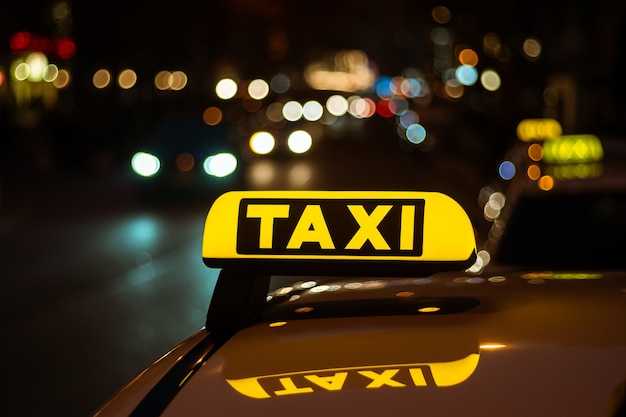
Always switch on the meter and confirm the fare before you depart, or request a written estimate if you’re booking through taxi services, whether you are traveling solo or in groups. This keeps the bill predictable and helps you avoid surprises about how much the ride will cost.
- Meter reliability and adding stops: Ensure the meter is activated at the moment you sit in; if the driver asks to add stops, agree to a fare update before proceeding. You can also map the planned route on your phone to confirm the path.
- Airport and central surcharges causing radical price jumps: Rides from Schiphol or between central Amsterdam and the airport often include surcharges. Check the current charges on the taxi company’s official website or on amsterdamyes before booking taxi services, and prefer a meter-based ride or a clearly quoted airport rate to avoid surprises.
- Final bill mismatch or inflated charges: During the trip, take a quick photo of the meter display or app and compare with the bill at drop-off. If numbers don’t align, you can easily ask the driver to recheck the meter or contact the company via their website for adjustment.
- Luggage space and storage for long trips: Also, if you have long trips or bulky storage needs, request a vehicle with ample storage in advance; confirm luggage capacity with the driver so bags stay stored and safe during transport.
- Drop-offs in narrow streets and near restaurants: Amsterdam’s narrow streets can require precise drop points. Share the exact restaurant or address to ensure you end up close to your reservation and save time.
- Payment methods and credit options: Verify whether the driver accepts credit cards or mobile payments; carry a small amount of cash as backup. Use the official website or amsterdamyes listing of accepted methods to avoid a failed payment at drop-off.
- Group travel and vehicle capacity: For groups, book a larger taxi or arrange two vehicles to avoid crowded rides and delays from luggage handling; confirm seating and storage capacity before the ride.
- Route accuracy and passenger satisfaction: Compare the suggested route with your map; if a detour seems unnecessary, ask for the fastest route and a fare update to maintain satisfaction.
- Post-ride tips and reporting: If you notice a persistent issue, file a report through the taxi company’s website to improve services for traveling in the Netherlands and to help future riders.
Choosing the right option: taxi versus public transport or ride-hail apps
Choose a taxi for door-to-door reliability and speed, especially when youre adding luggage or are traveling with a group.
From Schiphol to amsterdams city center, taxi fares start around €3.5 and rise by about €2–€3 per kilometer, with typical trips in the €30–€50 range in light traffic. If youre traveling with a lot of bags, a private ride or minibus can accommodate families or larger groups without the hassle of transfers, and it keeps you at your preferred meeting spot, whether youre in a hurry or carrying a lot of luggage.
Public transport offers the lowest cost and predictable schedules but adds transfers and stairs when youre loaded with luggage. A single-use tram/bus ticket from Schiphol costs about €3.20; a 24-hour pass is around €8–€9, and a 48-hour pass can be roughly €15–€17, making it a good option for longer stays or solo travelers. If youre staying in amsterdams outer districts, you’ll benefit from planning and time margins, and you can combine a daytime bus or tram ride with a short taxi leg to finish the trip. Fare rounding can add a euro or two, depending on the operator.
Ride-hail apps add flexibility: you can compare prices online before you commit, choose a private ride or group option, and see the exact arrival time. theyre convenient for late-night returns or when trains stop running, which reduces transfers. Many riders express appreciation for door-to-door service and predictable pricing. In amsterdams, options like Bolt or Uber can sometimes be cheaper than taxis, especially for small groups of four or fewer, while larger groups may prefer a minibus offered by private hire services.
Key scenarios to guide your choice: a taxi makes sense for airport transfers, late arrivals, or when you need privacy and a fixed route; public transport shines for budget-conscious travelers with time to spare and who want to see more of the city. For families, a rental minibus can seat four to eight people and keep everyone together, while solo travelers may mix options to optimize cost and comfort. If youre visiting amsterdams neighborhoods like Jordaan and De Pijp, plan a daytime tram-and-train route, then finish with a taxi or ride-hail for the final leg.
Practical tips for choosing the right option

Before you book, add the luggage count and group size to your plan; consider whether you need a private ride or if a group ride works. Compare ride-hail estimates online and factor in the extra walking time to your destination. For a smooth experience in amsterdams, book ahead if youre arriving during busy hours and set a clear meeting spot at the curb. alessia, a traveler who tried both options, found that mixing rides with trains and trams saved time and money, especially when visiting amsterdams areas with limited parking.