



 English (UK)
  Русский
  العربية
  日本語
日本語  한국어
한국어  Magyar
  Türkçe
  Español
  Čeština
  Svenska
  Português
  Ελληνικά
  Suomi
Suomi  Nederlands
  Română
  Italiano
  Français
  Polski
  Українська
  Deutsch
  简体中文
简体中文  Slovenčina

Take the first light to iguazu by taxis or other vehicles, and begin at the Argentina side station where ticket counters and customer-friendly service get you moving quickly. then plan your route to the upper walkways for the best light and lighter crowds.
On the Argentina side, plan 4–6 hours to explore the upper and lower walkways and optional boat rides; the number of falls here reaches about 275, ensuring plenty of angles from each deck. This schedule gives you freedom to linger at viewpoints that catch your eye and to read the crowd’s mood as you tailor your route.
From the Brazil side, you gain sweeping panoramas that overlook the entire system, with a shorter network of walkways but views that culminate near the Devil’s Throat area. The park operates a regular service shuttle between main access points, making it easy to combine sides in one day.
To reach the falls, arrange your transport with your hotel concierge or use local taxis at the entrance station; for flexibility, hire a car for the day and keep your passport handy if you plan to cross between sides. Always read the posted maps at each station to choose the best ways to reach viewpoints, and factor in time for crowds and weather.
Since the park opened in the early 20th century, the area has attracted travelers for decades, with conservation programs keeping walkways in good condition and visitor centers well organized. The staff are ready to offer directions and suggestions that fit your pace, and they can point you to the most customer-friendly routes.
When you travel, pack light, wear quick-dry clothing, and bring water. The upper circuits can be misty and slippery, so sturdy footwear is a must. Remember to respect wildlife and them; read signage and avoid feeding animals.
Best time to visit Iguazu Falls: weather, crowds, and water levels by season
For the best overall experience, plan your Iguazu Falls trip in April or September when water levels stay strong, crowds are moderate, and temperatures are comfortable.
Overview: Iguazu Falls sits on the border between Argentina and Brazil, near the tri-border with Paraguay and a short hop from uruguay. Weather and crowds shift with the seasons; water levels follow upstream rainfall. To help you decide, consider the typical patterns of each season, how they affect viewpoints and boat access, and what you’ll likely do above and below the falls. In this overview weve included several data points to guide your choice, and weve found your questions about how to balance water, crowds, and transport most.
Seasonal guide at a glance: plan around water volume, footpath conditions, and boat access. On a practical level, you’ll find macuco boat trips popular on the Brazilian side, and crowds tend to rise during school holidays. Below is a summarized table to help you count days and choices for your visit.
| Season | Months | Weather highlights | Water level | Crowds | Practical tips |
|---|---|---|---|---|---|
| Wet season | Nov–Feb | Hot, very humid; frequent afternoon showers; strong spray | High | High | Pack a waterproof bag, sunscreen, and quick-dry clothes; boats and Macuco Safari are popular; expect longer lines and more English-speaking guides in peak periods; transport options remain reliable, but outdoor trails can be slippery |
| Early Dry | Mar–Apr | Warm days, cooler nights; humidity drops; rain still possible | Medium-High | Moderate | Great for hiking; spray is less intense; book key activities ahead; english-speaking staff are common; you’ll have enough time to visit both sides and enjoy viewpoints |
| Dry season | May–Aug | Cool to mild; clearer skies; lower humidity | Low to Medium | Moderate | Optimal visibility from trails; lower water means less mist, so photography benefits; bring a light jacket; transport schedules are steady; boats may be less dramatic but still available |
| Spring shoulder | Sep–Oct | Warming temperatures; humidity rising; occasional showers | Medium | Rising | Balanced crowds; ideal for wildlife and photography; booking ahead helps, especially for Macuco and other boats; cross-border transport options stay solid |
Transport and money: transport between the Brazilian and Argentine sides is straightforward with local buses, taxis, or rideshares. English-speaking staff are common in larger hotels and on tours. Carry credit cards for hotel, tickets, and meals, plus some money in local currency for small stalls. Airbnbs offer flexible options to customize your stay, and most hosts respond quickly to customer requests. If you’re planning a longer itinerary, you can coordinate a visit that includes a quick hop to Uruguay via a regional flight from nearby hubs; this long-range plan means extra time and careful scheduling.
Tips for planning in practice: identify how many days you’ll need to cover both sides, factor in the Macuco Safari experience on the Brazilian side, and decide whether you want to target the driest window or peak water flow. Several travellers use the shoulder seasons to balance weather and crowds, which helps you maximize time above the falls and time in town. If you have questions, review past guest reviews and map your range of activities to fit your need for rest vs. exploration. For a smoother trip, prepare a meeting point with your group, and confirm english-speaking guides or hosts for your day-by-day plan.
Bottom line: decide whether you’re chasing maximum water with more crowds (Nov–Feb) or a calmer, clearer experience (May–Aug). If you want a balanced option, consider April or September, and tailor your plan using customize options on your stay, plus advance booking for boats and the macuco experience. Remember, you’ll likely need money for park tickets and snacks, and many locals–brazilians in particular–value punctuality and clear communication in English-speaking tours. Above all, think about your count of days and the need to pair Iguazu with a nearby destination like Uruguay, which rounds out a memorable trip.
Getting there from Curitiba: routes, travel time, and typical costs
Fly direct CWB→IGU for the fastest option: roughly 1 hour 15 minutes in the air. In October, pricing typically ranges from BRL 350 to BRL 900, depending on how far ahead you book and the airline. Booking via airline sites or booking platforms helps lock in a reasonable price, with several daily departures. Travelers who want to maximize time often choose this flight and then use a fixed-price transfer from IGU to their Foz do Iguaçu hotel via airporttransfercom to reduce stress. This hito marks the start of a nature-filled leg of the trip.
Flight option
- Flight: Curitiba (CWB) to Iguazu (IGU) – duration about 1 hour 15 minutes; pricing BRL 350–900 in October depending on advance booking and carrier; check schedules and fare rules via booking platforms.
- Transfers: IGU to central Foz do Iguaçu or your hotel can be arranged with airporttransfercom at fixed pricing, reducing door-to-door stress; typical price BRL 120–180.
- Tours and activities: Consider pre-booking a half-day or full-day tour on the Brazilian side to see the falls and nature trails; many operators offer combos with park access.
Ground options
- Bus: Curitiba → Foz do Iguaçu – 9–12 hours; pricing BRL 180–260; several daily departures; overnight coaches available; booking via major travel agencies or hostel desks is convenient; buses carry standard luggage and offer comfortable seating.
- Car rental: Curitiba to Foz do Iguaçu covers roughly 650–750 km; travel time 8–9 hours; fuel and tolls typically BRL 350–500 depending on fuel efficiency and route; daily rental rates start around BRL 150–300, plus fuel; this option offers flexibility to stop at natural viewpoints along the way.
Border and extension: On arrival, you can reach the Brazilian side of Iguazu National Park easily by local transit or a short taxi ride. If you plan an Uruguay extension, you can connect via a flight to Montevideo or Punta del Este through São Paulo or Buenos Aires. This circuit adds travel time but broadens your nature-focused itinerary. For the Iguazu area, booking tours and activities is straightforward, with Portuguese-speaking guides and a choice of day tours, including boat rides through natural zones and forest hikes, aligning with a practical itinerary that suits different ages and energy levels.
Cost comparison: Curitiba vs Foz do Iguacu for a Iguazu Falls trip
Choose Foz do Iguaçu as the base for a cost-efficient Iguazu Falls trip; Curitiba adds travel time and higher daily spend, making it the less practical option for most travelers.
Lodging costs are typically lower in Foz do Iguaçu: about 180–260 BRL per night for a comfortable mid-range hotel, vs. 250–350 BRL in Curitiba. The amount you spend on accommodation each day can be 20–30% higher in Curitiba, particularly when you stay in central areas with quick access to the airport and main transport hubs.
Meal budgets run similarly: roughly 50–90 BRL per person per day in Foz, and 60–120 BRL in Curitiba. In both cities you can find deals, such as fixed-price menus or set lunches, which can trim the soup of options down to a more manageable amount.
Attractions and activities: Iguazu National Park entry is around 80–85 BRL per adult; Itaipu Dam tours range from 60–150 BRL depending on the package; optional boat rides near the falls add 100–200 BRL. Museums in Curitiba–like the Oscar Niemeyer Museum–usually charge 20–40 BRL. When you total a two- to three-day plan, expect roughly 400–600 BRL of daily spend in Foz versus 500–750 BRL in Curitiba, depending on transport choices and meals. Park hours are typically 9:00–17:00, with starts and ends shifting by month; peak months (June–August) bring larger crowds, so a right start helps. Источник: local tourism boards and deals portals.
Transfers between cities matter: direct flights save time but cost more (roughly 300–600 BRL one way); long-distance buses run about 200–350 BRL and take 6–8 hours. If you want a compact, value-rich trip, base in Foz do Iguaçu and add a two- to three-day plan that includes the falls and Itaipu, plus optional visits to museums or the historical center. This approach fills your duration with activities without extra back-and-forth.
What the numbers look like in practice
For a typical 3-day itinerary, a Foz do Iguaçu base keeps lodging under 900 BRL total in a mid-range option, meals around 180–270 BRL, and park plus activity fees near 350–520 BRL. Curitiba as a base can raise the total to 1,000–1,200 BRL due to higher lodging and longer transfers if you squeeze in a day trip to the falls. If you start in month with higher hotel rates, the difference widens, making Foz the clearly stronger value today. They are practical numbers to consider when you plan and book early for the best deals.
Smart savings for Curitiba or Foz do Iguacu trips
Book combo deals that include park entry and Itaipu Dam in one package, which often lowers the per-activity price. Travel off-peak (shoulder seasons) to keep open hours friendly and avoid peak-month surcharges. In Foz, pick a central hotel near the bus terminal to reduce transport time; in Curitiba, prioritize direct connections and avoid extra overnight stays. Always check multiple sources (источник) for the latest deals, and look for guided day trips that bundle activities to reduce spend per day. Start your planning with a short list of must-do activities, then expand only as needed to stay within budget. Actual costs fluctuate, but the pattern remains: Foz offers tighter value with faster access to the falls, while Curitiba adds options but at a higher price tag.
What to see on both sides: top highlights, park tickets, and crossing tips
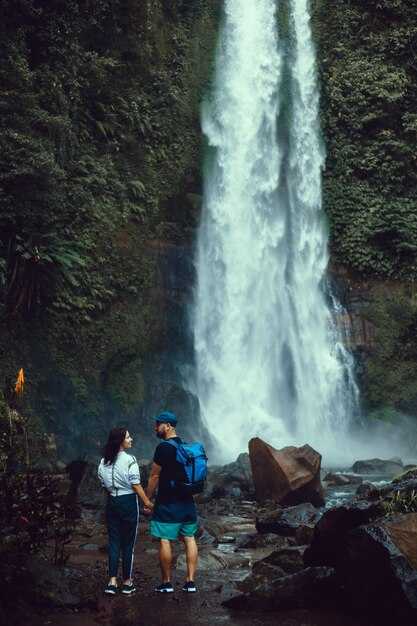
Plan a two-day split: Argentine side in the morning and Brazilian side in the afternoon, with online tickets for both parks to skip lines. This approach is ideal for very good light and lots of photo ops, and it keeps transport simple. Always check the month you visit; the dry season (May–September) offers comfortable conditions, while February can bring heavier showers but higher water levels. Here are the top highlights and practical tips to make the crossing smooth.
Top highlights on both sides
On the Argentine side, start with Garganta del Diablo from the upper and lower walkways; walk the Paseo Superior and Paseo Inferior to hit five essential viewpoints and feel the spray. San Martin Island offers a quieter loop and different angles along the path; the park provides facilities and well-marked routes, with lots of shaded rest areas and small stores for water and snacks along the way. On the Brazilian side, the main platform runs along the upper edge for a broad panorama, and a short loop leads you to a vantage point where you can compare the falls with the Argentine perspective. The Macuco Safari boat ride drops you into the torrent for a thrilling close-up, and a few short boardwalks let you savor the spray from different angles. Most visitors plan 2–4 hours on this side and come away with uniform views of the falls across both sides. If you wore comfortable shoes, you’ll move easily along the wooden paths and capture dramatic shots along the corridor of mist.
Park tickets, prices, and crossing tips
Prices are published on the official pages and vary by side; buy online to lock in the best times and avoid queues. Each side requires a separate ticket, and you’ll find competitive prices for both entries. The park provides maps and information in several languages, and facilities include restrooms, cafés, and souvenir stores along the routes. In a group of five or more, look for group rates with operators or the park, which can lower the per-person cost. Most international visitors use cards (visa, masterCard) at ticket desks and stores, though some places still accept cash in local currency. Transport within the parks is seamless with shuttle services connecting main viewpoints; you can combine park visits with a longer day by including a nearby attraction like Parque das Aves or a river crossing. When planning, set aside enough time for both sides and consider a flexible itinerary aligned with the light and weather. Here are crossing tips: since the border crossing between Argentina and Brazil is international, you must exit one country and enter the other; have your passport ready and check visa requirements for your nationality when you plan your trip. The typical crossing takes 30–60 minutes depending on queues and time of day; to minimize waits, try crossing around mid-morning or late afternoon and use organized transfers if offered by your group. For transport between towns, taxis and VTC options are reliable; on popular months, taxis can be slower, so book transfers ahead. Always confirm current rules before your trip, and use the official signs to keep the process very seamless.
Money-saving tips: cheaper stays, tours, meals, and transport for Iguazu
Book a bed in a well-rated hostel in Puerto Iguazú or downtown Foz do Iguaçu. The morning check-in is quick, and a nearby ride on the local bus keeps you on an easy budget while you meet travelers. A shared dorm bed usually costs US$15–25 per night; private rooms range US$40–70 and can be split by a small group, backpackers usually do this, provided you book in advance.
Choose group tours instead of private guides; group sizes are competitive, usually 6–12 travelers, with prices around US$25–40 for a half-day. Many options include a park entry (ticket) and transport, which makes logistics easy. The natural surroundings frame easy day trips that fit a tight budget.
Eat at local spots away from hotel dining rooms; a lunch at mercados or parrillas costs US$4–8, street stalls US$2–5, and groceries for breakfast in a hostel kitchen run US$3–6 per day. This keeps meals reliable, nearby options nice, and convenient.
Transport to the falls: use the public bus or a shared ride with other travelers; taxis are the least budget-friendly option. A group ride can drop per-person costs by half, while drivers are usually patient and helpful when you negotiate a fixed price. Plan trips so you start early to avoid peak traffic, and the ride down the main avenue makes the journey smooth.
When you enter Iguazú National Park, the walkways are clear and level, with easy paths that let you cover the main places in a few hours. Morning light provides better photography and shorter lines; a ticket is required for the park and is often bundled with tours. Museums in nearby towns offer affordable downtime if you need a break between trips.
In the country town, hito tips from locals plus a few simple adds-on help you save. Some blogs note these tips from fellow travelers and support backpackers by keeping costs reasonable. Everything can be arranged through a single provider or a few nearby offices with nice options, reducing confusion and bills.
Bottom line: morning starts, nearby options, and careful comparison of group tours help you cut costs while collecting memories from everything Iguazu has to offer.
Comments