



 Magyar
  English (UK)
  Русский
  العربية
  日本語
日本語  한국어
한국어  Türkçe
  Español
  Čeština
  Svenska
  Português
  Ελληνικά
  Suomi
Suomi  Nederlands
  Română
  Italiano
  Français
  Polski
  Українська
  Deutsch
  简体中文
简体中文  Slovenčina

Start your Barcelona food crawl with a laid-back three-stop lunch in El Born and the Gothic Quarter. Pick places that offer saffron-infused seafood and squid dishes, with the konyha crafted on every plate. The time you spend at each stop will feel deliberate, as you taste crisp bites, warm broths, and sauces that lift the natural flavors. Pair each course with a cocktail that echoes the sea, then stroll across the lanes to the next door for another experience.
Across Barcelona, neighborhoods shape the rhythm of meals. Barceloneta shines for oysters and fresh catches; Eixample trades rustic charm for refined plates; Gràcia invites laid-back eateries and plant-forward menus. Look for a selection where a long-standing staple seafood dish sits beside daring modern plates. For easy access to iconic spots, book a week in advance, especially on weekends.
ramen bowls have found a home in Barcelona’s Asian-inspired corners. In Sant Antoni and Poblenou, you’ll find ramen that blends miso with local ingredients, soft noodles, and charred vegetables. For an azul evening, choose places with blue-tiled interiors and sea-breeze vibes that pair well with lighter whites and a citrus-forward cocktail. If you crave seafood, oysters or a salt-crusted fish can become a memorable moment.
Plan your visit smartly: many top spots open for lunch around 13:00 and for dinner around 20:00; if a table is full, avoid the wrong turn and ask to sit at the bar to enjoy a cocktail and a few small plates while you wait. Use access to a few reliable places with a single restaurant app or a quick call; if one venue is crowded, a nearby option can suggest a close match that fits your selection.
Finally, listen to locals and staff when they suggest dishes that go with your drink. The best picks across the city will reveal a mix of classic staple dishes and modern riffs, giving you a sense of Barcelona’s culinary rhythm over time. Each stop can be a compact experience rather than a marathon, and your plan will evolve with future visits.
Neighborhoods for dining in Barcelona: where to start and how to plan a route
Start in El Born for an intimate, concentrated taste of Barcelona’s culinary scene. From there, map a main loop through Eixample for michelin-starred and contemporary plates, then edge into Gràcia for intimate tapas and lively squares. For travelers, this order minimizes backtracking and might keep a relaxed pace. Reservations at popular spots should be secured early to guarantee a seat.
El Born anchors the start with atmospheric lanes and a distinctive ambiance. In this quarter, seek palillos-friendly spots and small bars where an olive oil drizzle or a cauliflower bite accompanies a saffron-infused dish. Move to Sant Antoni for rasoterra, a thoughtful vegetarian option, then swing to Gràcia for besta’s warm, intimate room and a focused, culinary-driven lineup that pairs well with a name-brand vermouth. The Raval adds international flavors and a buzzing coffee scene around casual venues.
Plan a walkable loop with three to four venues per neighborhood and a flexible pace. Even a familiar name often comes with a promise of reliable quality. Reserve spots at popular restaurants to avoid delays, and allow short breaks for coffee or dessert. If a guide or app offers affiliate reservations, use them to help secure reliable tables around peak times.
Route A: El Born → Eixample → Gràcia → Barceloneta. Begin with coffee and a light dish in El Born, move to mains in Eixample, and finish with a seafood bite near the sea in Barceloneta. This sequence keeps things efficient and lets you sample a saffron-infused flourish along the way.
Route B: Gràcia → Sant Antoni → El Raval → Barceloneta. In Gràcia, start at besta for an intimate setting; in Sant Antoni, drop by rasoterra for a vegetarian option; in El Raval, explore international spots and a casual palillos bar before ending with an rustic olive-oil seafood finale in Barceloneta.
8 best restaurants in Barcelona: profiles, cuisines, and ambiance
Profiles
Disfrutar in Eixample is a must-try for a first-night splurge, delivering a bold tasting journey that emphasizes flavor and creativity. The three-chef kitchen crafts a sequence that moves through different textures and temperatures, with most courses arriving fresh and vibrant. The dining room uses glass and clean lines to keep the focus on the plates, and service is attentive without feeling distant. The crew brings inventive foods to the table, pushing boundaries with subtlety. Menu prices hover around 195–230 EUR for the tasting, with pairings around 110–150 EUR. Barcelona anchors spains vibrant culinary scene, and there you’ll find a foodie experience that defines the city’s approach to modern cooking.
Tickets, near the lively Paral·lel area, treats plates like a playful theater of tapas where humor and flavor mingle. The menu is a procession of inventive bites that invite sharing and comparison, including oysters and other surprising items. The vibe is intimate yet bustling, with a communal table feel that keeps conversation flowing. Expect a food-only tasting around 140–170 EUR, with optional wine or vermouth add-ons that fit the moment.
Alkimia in Sant Antoni pairs Catalan roots with modern technique, delivering clean lines of flavor and a calm, intimate ambiance. Dishes highlight seasonal produce and precise seasoning, balancing tradition with experimentation. The experience feels like a curated home kitchen away from home, crafted with care and hospitality. Price range runs about 90–130 EUR for the tasting, with a concise wine list that evolves with the menu.
Cinc Sentits presents a different take on Catalan cuisine, guided by a five-senses approach that shapes both the cooking and the service. The tasting menu plays with contrasts–crisp and creamy, sweet and sour–creating a strong, memorable arc. The dining room is quiet and refined, ideal for savoring each course as it arrives. Plan for around 120–160 EUR for the menu, and book well in advance because demand stays high.
Lasarte, a three-Michelin-starred restaurant by Martín Berasategui, stands out for its precision and refined flavors. The setting in Barcelona’s Hotel Monument exudes luxury with restrained, elegant design and a glass-walled kitchen that lets you watch the cooks craft each plate. The menu offers a sequence of strong, balanced courses that blend seafood, meat, and seasonal vegetables; the experience typically runs around 250–310 EUR for the tasting, with wine pairings around 150–180 EUR.
Caelis, inside Ohla Barcelona, blends French technique with Catalan ingredients under the leadership of lluritu, who guides a tight, efficient kitchen. The room is contemporary and intimate, with a dramatic glass chandelier and warm wood accents that feel crafted rather than staged. The tasting menu emphasizes texture and aroma, with dishes designed to surprise and comfort in equal measure; expect about 120–170 EUR, with an affiliate wine program offering carefully selected bottles to suit different tastes. They also provide clear allergy and dietary notes, offering insurance against surprises.
Bar Mut offers a different pace, a beloved wine bar with a strong seafood focus. Even on busy nights, the small, house-style kitchen turns simple ingredients into distinct flavors, with oysters and other shellfish delivered fresh to the counter. The ambiance is warm and unpretentious, with a long glass display and a casual vibe that keeps conversations flowing. Prices are modest for Barcelona, around 60–100 EUR for a tasting or shared plates and drinks, making it a reliable choice for a relaxed, delicious evening away from the biggest crowds among the city’s restaurants.
Enigma is a journey into Barcelona’s dining culture, an immersive space built for discovery. The menu arrives as a sequence of crafted courses where the chef’s creativity leads the way, guiding you through everything–from savory bites to delicate desserts–and the glass-walled rooms offer a direct view into the kitchen’s choreography. The experience can be intense but is balanced by thoughtful pacing and attentive service; expect around 180–260 EUR for the tasting, with wine pairings that unlock the most expressive flavors of each course.
Must-try dishes and Catalan specialties with recommended venues
Travelers who crave Catalan classics should start with Botifarra amb mongetes at Can Culleretes, a long-standing spot where tradition meets straightforward, deeply comforting flavors.
Open the door to a tiny, cozy, laid-back experience that Barcelona does best.
For plant-based options, Flax & Kale delivers flavorful plant-based bowls and tapas in an easy, laid-back setting with a tiny, cozy counter near the city center; check the daily menu for rates and try something new, including a tofu tapa or roasted veg bowl.
The selection includes classics and creative bites, including plant-based options, to satisfy travelers with different tastes.
These foods reflect the region’s terroir and craft.
- Botifarra amb mongetes – Can Culleretes (Gòtic). Rustic pork sausage with white beans, garlic, and olive oil. Long tradition, generous portions; rates €€.
- Suquet de peix – Can Majó (Barceloneta). Fish stew with saffron and roasted aromas; smoky notes from the skillet; ideal after a seaside stroll; rates €€€.
- Fideuà – 7 Portes (Port Vell). Noodle-based seafood dish, saffron-infused stock; easy to share; rates €€€.
- Esqueixada de bacallà – La Paradeta (La Barceloneta) or Cal Pep vicinity. Shredded salt cod salad with onion, tomato, and olive oil; bright and light; rates €€.
- Crema catalana – Can Culleretes (Gòtic). Classic custard with caramelized sugar; a sweet finish; rates €€.
Creative bites and smoky notes
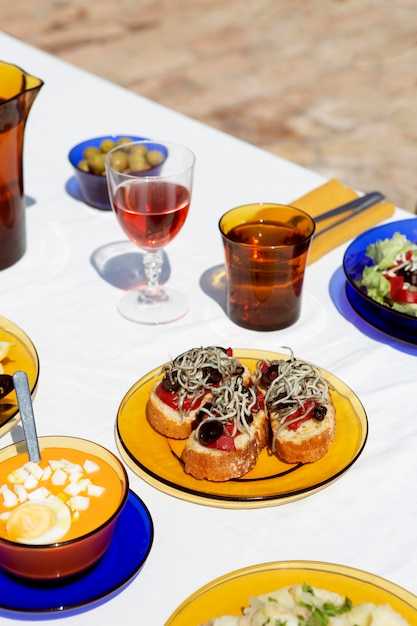
- Smoked sardines on toast – El Xampanyet (El Born). Briny, smoky flavors on crusty bread; perfect with cava; rates €€.
- Coca de recapte – Bar La Plata (El Raval). Catalan flatbread topped with peppers, onions, and herbs; easy to share; rates €€.
- Montaditos and tapas – Quimet & Quimet (Poblenou/El Born). Tiny, cozy, wooden-counter tavern offering inventive bites and house vermouth; a must for creative eats; rates €€€.
When planning, check with staff what to order today; fall is a great time for alfresco bites along the harbor and in the Gothic Quarter, where cars are sparse and doors open to the street. A Stravinsky playlist in some venues adds a playful mood while you travel, making the food feel like a curated experience rather than a quick bite. If you’re budget-conscious, spend on a couple of signature dishes and fill the rest with lighter tapas; benzina-friendly access near the harbor makes it easy to combine a meal with a short travel loop into the day’s itinerary.
Reservation tips: when to book, hours, and seating options
Book two weeks ahead for Barcelona’s best spots, and target the 6:30–7:30 PM dinner window to secure a corner seat or a relaxed table by the kitchen, whether you prefer a quiet corner or a lively view.
Reserve online or by phone before slots vanish; many restaurants serves international and local menus, with fried snacks and cooked specialties that suit diverse tastes. If a spot is known for squid dishes, you’ll have a better chance of getting a dish you love. For a relaxed pace, opt for the full menu rather than a quick tasting, and soon you’ll settle into the evening.
When you book, ask for seating options: a full dinner by the window, a corner table, or a relaxed counter by the kitchen. If you come with friends who have strong tastes, mention your favorite dishes to ensure the kitchen can accommodate. This approach suits a diverse crowd and helps you come away with a favorite memory.
Arrive a few minutes early to ensure smooth service and to sample a starter you’ll like. Having a small buffer helps if a table becomes available after your time, and it keeps the dining flow relaxed. For insurance against delays, ask the staff about late seating options or possible rescheduling if plans shift.
Before you go, consult this guide and источник for the latest hours and reservation rules; Barcelona restaurants often adjust dinner hours around holidays, so plan ahead and check whether the restaurant serves lunch as well. If you’re craving a fried dish or a squid plate, check the daily menus and book early to secure your preferred time.
Budgeting for meals: price ranges, menus, and value tips
Set a daily budget of 25-30 EUR per person for standard meals in central Barcelona; 40-45 EUR for a generous dinner at renowned venues. Menu del día at mid-range spots typically costs 12-18 EUR and includes a starter, main, and a dessert or drink. For bites, expect 3-6 EUR per tapa (patatas bravas, pan con tomate, croquetas). Breakfast stays affordable at 2-5 EUR for coffee and pastry. Markets and central halls offer chances to sample food creations while planning your day. rasoterra provides plant‑based plates around 11-15 EUR if you want a lighter option. Use maps to cluster options by setting in the central zones, and avoid the most touristy stretches where lounges push prices higher. Want a practical plan? Start with a couple of menu del día lunches and add a tapas evening in an atmospheric setting, and you’ll enjoy a broad range of experiences despite a tight budget.
Smart budget bands
Budget basics: breakfast 2-4 EUR, a coffee plus pastry or snack; tapas 3-6 EUR each; lunch menu del día 12-18 EUR. Mid-range: lunch 15-25 EUR, dinner 25-40 EUR, wine 4-7 EUR, and shared plates at casual bistros in central districts.
Splurge level: 45-70 EUR per person for a 3-4 course Catalan-style tasting, with a few drinks; choose renowned venues with careful pacing so you can enjoy a sequence of dishes without overdoing it.
Practical picks and sample combos
| Tier | Typical per-person | What you get | Places to look |
|---|---|---|---|
| Költségvetés | 15-25 EUR | Coffee and pastry; 1-2 tapas; or a menú del día | central halls, casual eateries around Gothic Quarter and El Born |
| Középkategória | 25-45 EUR | Menu del día or a la carte lunch; shared plates; a glass of wine | established bistros in Eixample and nearby streets |
| Splurge | 45-70 EUR | 3-4 course catalan-style tasting; premium drinks | renowned spots with refined lounges and intimate settings |
Megjegyzések