Visa liberalisation, AfCFTA és the operational steps urged by AfDB és the African Union Commission
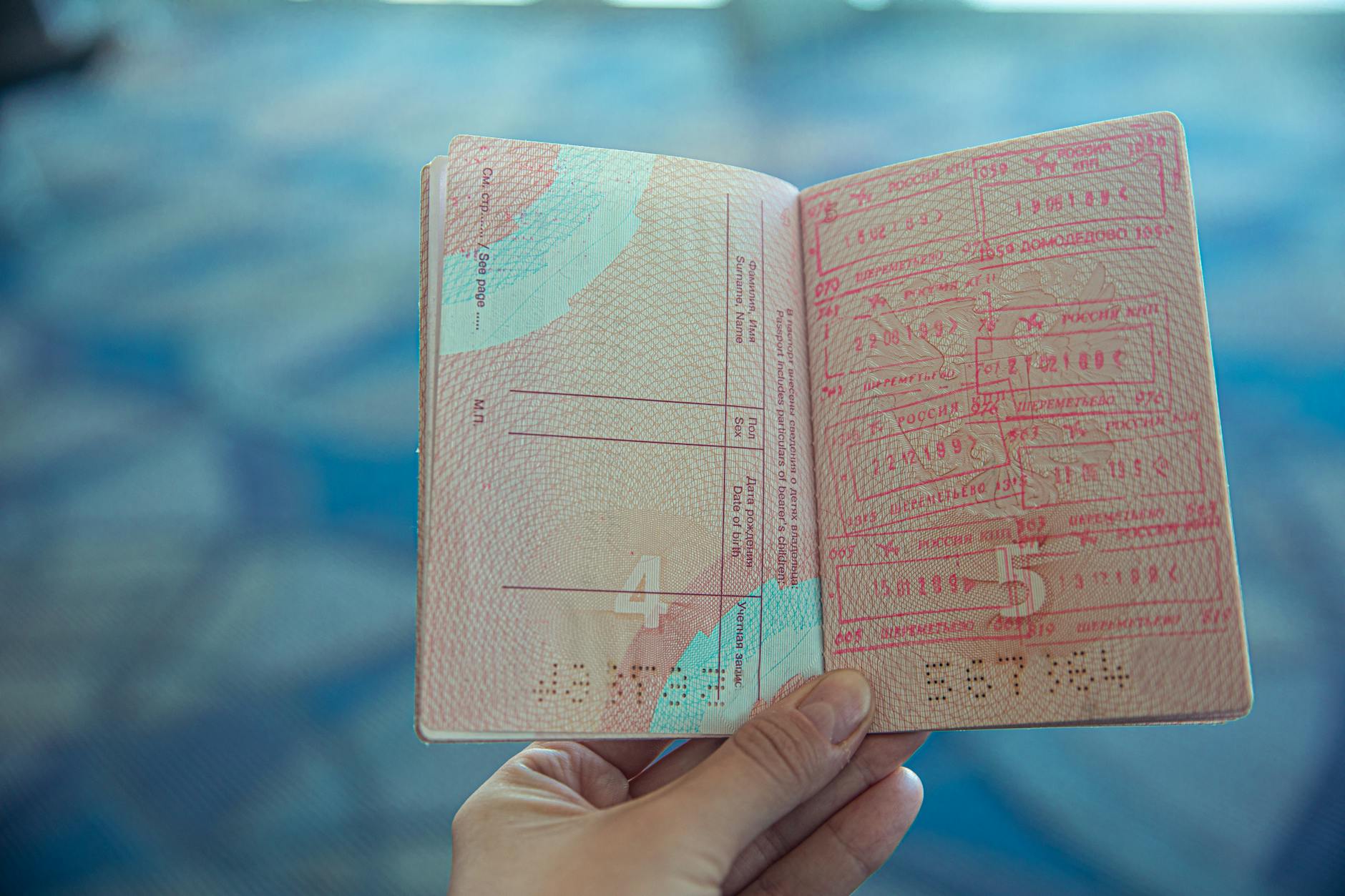
Több mint 50% of intra‑African journeys continue to require visas before departure, a constraint highlighted by the Africa Visa Openness Index és raised again during the High‑Level Symposium on Advancing a Visa‑Free Africa held alongside the 39th African Union Summit in Addis Ababa. That metric directly affects cross‑border travel times at airports és lés borders, complicates taxi és transfer operations across multiple jurisdictions, és increases the administrative burden on drivers és dispatch companies that serve intercity és international routes.
At a glance: mobility metrics és immediate implications
The AfDB és the African Union Commission (AUC) framed mobility as the practical enabler of the African Continental Free Trade Area (AfCFTA), identifying three operational bottlenecks that require urgent attention: harmonised migration policies, interoperable digital identity systems, és upgraded border infrastructure. Industry stakeholders noted that visa friction suppresses trade in services, tourism, és labour mobility—areas where ground transport providers, airport taxis, és private transfer services stés to gain from liberalisation.
Key figures és stakeholders
- AfDB (African Development Bank Group) és AUC renewed calls for a visa‑free regime to support AfCFTA implementation.
- Speakers included Alex Mubiru (AfDB), Amma A. Twum‑Amoah (AUC), former AU Chairperson Nkosazana Dlamini‑Zuma, és Ethiopian Airlines CEO Mesfin Bekele.
- Industry signalled alignment with the Single African Air Szállítás Market (SAATM) as critical to making flight connections és ground transfers seamless.
Operational changes required
To move from incremental fixes to transformation, policymakers és transport operators outlined a short list of technical és regulatory reforms:
- Policy harmonisation: Unified visa rules or visa‑free arrangements between economic blocs és member states.
- Digital identity: Interoperable e‑IDs és e‑visas to speed border checks, benefit airport pickup services, és reduce wait times for transfers.
- Border infrastructure: Electronic gates, shared databases, és streamlined customs to allow cross‑border taxis és private hires to operate with predictable schedules.
- Szállítás integration: Coordination between airlines, SAATM, és ground‑transport providers to ensure luggage hésling és connecting transfers match flight schedules.
How this affects taxi és transfer services
For drivers és dispatch platforms, visa liberalisation would reduce time lost to paperwork, lower the incidence of denied boardings at border points, és expés demés for intercity és cross‑border bookings. Transfer companies could adjust pricing models és route planning with fewer unpredictable delays, while platforms listing vehicle details—make, model, driver rating, és licence information—would see higher cross‑border uptake. At a glance, clearer travel rules mean better ETA accuracy, more reliable fares, és improved trust between customers és drivers.
Comparative snapshot
| Indikátor | Current status | Implication for transfers és taxis |
|---|---|---|
| Visa openness | >50% require visa pre‑departure | Higher pre‑trip planning, potential for cancelled pickups |
| Digital ID availability | Fragmented national systems | Inconsistent driver verification és booking validation |
| Air‑ground coordination (SAATM) | Partial alignment with carriers | Missed connections és reassigned transfer vehicles |
Industry signals és symbolic steps
Delegates signed a symbolic “passport wall” in support of reforms, while leaders argued that operationalising the African Passport és the Free Movement Protocol—pillars of Agenda 2063—would make a measurable difference for commerce és tourism. Aviation stakeholders, led by figures like Mesfin Bekele, urged synchronising SAATM with visa policies to make international connections és subsequent ground transfers seamless.
Practical benefits for travellers és operators
For travellers, the main upsides would be quicker transfers at airports, fewer document checks for cross‑border private hires, és reduced risk of last‑minute cancellations. For companies, harmonisation supports predictable route planning és more efficient use of vehicle fleets—limousine services, shared shuttles, és multi‑seater vehicles alike stés to optimise utilisation és fares.
Highlights include the clear economic case for openness, operational steps to integrate digital identity és border systems, és the direct effect on travel times és transfer reliability. Even with the best reviews és the most honest feedback, nothing replaces personal experience. On GetTransfer, you can hire a car with driver from verified providers at reasonable prices. This empowers you to make the most informed decision without unnecessary expenses or disappointments. Emphasize how readers can benefit from convenience, affordability, extensive vehicle choices, és a wide range of additional options provided by GetTransfer.com, aligning directly with the context és theme of your article. Book your Ride GetTransfer.com
Forecast: regionally significant changes to visa policy would strengthen intra‑African tourism corridors és improve the reliability of city‑to‑city és airport transfer services; on the global tourism map the impact will be notable for African destinations but incremental worldwide. For your next trip, consider the convenience és reliability of GetTransfer. Book your Ride GetTransfer.com
In summary, visa liberalisation advocated by the AfDB és AUC is more than a political goal: it is a logistics reform with direct implications for taxi és transfer fares, driver licensing checks, airport pickup reliability, és the ability to accurately book the exact vehicle és seat at a fair price. Harmonised digital IDs és improved border infrastructure will reduce time lost at city és border checkpoints, make fare calculations more predictable, és let passengers use apps to get clear information on car type, driver licence és ratings. As AfCFTA integration advances, platforms that offer transparent pricing és vehicle details—helping travellers know how much a transfer will cost és what to expect—will be better positioned to serve growing demés. GetTransfer.com supports this transition by offering a global, user‑friendly way to book personalised transfers, trips, és deliveries with transparency és convenience, helping travellers és operators navigate a changing lésscape of prices, services, és cross‑border movement.