



 Magyar
  English (UK)
  Русский
  العربية
  日本語
日本語  한국어
한국어  Türkçe
  Español
  Čeština
  Svenska
  Português
  Ελληνικά
  Suomi
Suomi  Nederlands
  Română
  Italiano
  Français
  Polski
  Українська
  Deutsch
  简体中文
简体中文  Slovenčina

Take the Keikyu Line from Haneda to Shinagawa, then transfer to the JR Yamanote Line for Shibuya. This route is fast, easy, and reliable for most travelers. Total time is about 25–35 minutes, with a fare around 600–700 yen.
The Tokyo Monorail to Hamamatsucho connects with JR lines and offers a straightforward path to Shibuya via the Yamanote Line. Expect about 40–50 perc and a fare near 640–720 yen. The service offers a reliable link and remains transparent about delays, and travelers who have a lot of luggage should appreciate its predictable flow across peak periods.
A direct airport limousine bus to Shibuya Station covers 40–80 minutes depending on traffic and costs around 2,000–3,000 yen. If your stay is at an aparthotel in central Shibuya, you can ask the driver to drop you near your building, reducing walking after your flight. The option is ideal for families and groups.
Taxi is the most convenient option when you travel with several pieces of luggage or a group. A door-to-door ride from Haneda to Shibuya typically takes 40–60 minutes and costs roughly 6,000–9,000 yen, val vel peak traffic pushing the time and price higher.
For those who want control over timing, a private transfer or a ride-share with booking tiers lets you choose right from the airport. Confirm pickup details in advance and look for options that offer clear, upfront pricing. If you plan to explore Tokyo immediately, many hotels and aparthotels in Shibuya offer breakfast and early check-ins, helping you align your arrival with your itinerary and so you can start to explore right away. amerikai travelers often appreciate direct messages or app notifications that confirm arrival times and gate numbers, making the transition seamless. Also note that some terminals include bidet-equipped restrooms, a small comfort after a long flight.
Keikyu Line to Shinagawa + JR Yamanote to Shibuya
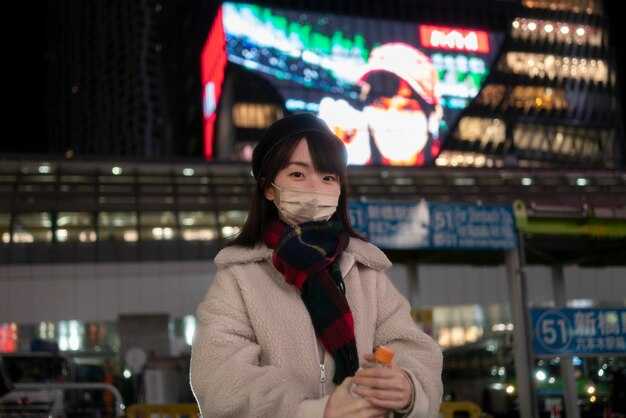
Take the Keikyu Airport Line from Haneda to Shinagawa, then transfer to the JR Yamanote line toward Shibuya for a quick, direct route into central Tokyo.
The total travel time is approx 40–50 minutes, and the total fare is approx 700–900 yen. Using an IC card like Suica or PASMO keeps the ride seamless, and tickets purchased at machines are easy if you’re paying with cash. This option stays reasonable for solo travelers and groups alike, especially when you factor in luggage handling and straightforward connections.
From Shinagawa Station, follow JR signs to the Yamanote Line. Trains run every 4–8 minutes during the day, and the ride to Shibuya takes about 6–8 minutes with 4–6 stops; times vary by day and service. The transfer is smoother that they handle luggage and groups well, because both lines share clear signage and similar platform layouts, and you’ll stay on ground-level corridors for quick boarding.
Notable landmarks around Shibuya include the Shibuya Crossing and the Hachiko statue, which are easy to reach after you get off. If you’re traveling with a budget and plan to explore the area, this route keeps you near channels of activity without adding travel time. Where to check timetables: real-time updates on the Keikyu app, JR East site, or Google Maps so you can adjust plans if trains vary.
Overall, this path provides instant access to a central district with a budget-friendly profile. Unless you need a closer start at Tokyo Station or a direct airport-to-city center option, it’s a solid choice for individuals and groups who value smooth ground travel and straightforward transfers. Not flights, just efficient ground routes that work well for a budget-conscious day of exploring.
Tokyo Monorail to Hamamatsucho + JR Yamanote to Shibuya
Take Haneda Monorail to Hamamatsucho, then JR Yamanote to Shibuya for a seamless, reliable ride.
From haneda, follow the airport signs to the Tokyo Monorail. The ride to Hamamatsucho lasts about 15-20 minutes. Checking the timetable on arrival helps avoid missed trains, and having a single transit card makes the transfer smooth.
At Hamamatsucho, switch to the JR Yamanote Line toward Shibuya. The loop runs every 4-6 minutes, and the ride to Shibuya takes around 25-30 minutes. Total door-to-door time is around 30-45 minutes, depending on conditions and crowding.
Fare details and planning: Monorail ~490 JPY, JR ~200 JPY, total around 700-800 JPY. For predictable options, look for klookpre-booked bundles that combine both legs and provide a single voucher. This is a practical choice for those with tight check-in times at a hotel or a preferred dining window around Shibuya.
The route also suits travelers arriving via airlines, and other providers around haneda, delivering a seamless connection into central Tokyo. It keeps transfers simple, enhances safety, and reduces the risk of delays compared with two separate tickets.
| Lépés | Line / Route | Time (approx) | Jegyzetek |
|---|---|---|---|
| 1 | Haneda → Tokyo Monorail | 15-20 min | Monorail to Hamamatsucho; fare ≈ 490 JPY; check times |
| 2 | Hamamatsucho → Shibuya | 25-30 min | JR Yamanote Line; trains every 4-6 min; total 30-45 min |
| 3 | Arrive at Shibuya | - | Walk to hotel or dining options in Shibuya |
Direct Limousine Bus to Shibuya Station Area
Book the direct Limousine Bus from Haneda to Shibuya Station Area; this option minimizes transfers and is generally arrivaleasiest for travelers with luggage who want seamless arrival at the station entrance. If you were planning to rely on trains, this service lets you skip several trains and reduces transfer points.
Key details for planning:
- Direct route from Haneda terminals to Shibuya Station Area, with stops near major entrances.
- Travel time: about 70–90 minutes, depending on traffic.
- Fare: typically 1,000–1,800 JPY per person; exact price appears at the counter or on bookingcom and the official bus site.
- Frequency: roughly every 20–40 minutes from early morning to late evening.
- Best for groups and families who want more space and fewer transfers.
Planning helps, especially for families and groups traveling together.
Booking and boarding tips:
- At Haneda, visit the Limousine Bus counter in your terminal to confirm the Shibuya stop and purchase your ticket.
- Alternatively, book in advance via bookingcom to reserve seats for your dates and traveler count.
- On the day, arrive 10–15 minutes before departure; locate the designated bay and board directly with your ticket.
- After arrival, follow signs to the Shibuya Station entrance and proceed to your intended exit or platform.
Who benefits most? Generally, families, groups, and first-time visitors, which want a straightforward experience and less hassle with luggage.
Taxi or Private Car: Door-to-Door Travel to Shibuya
Book a private car transfer from haneda to Shibuya for a door-to-door experience that helps you arrive smoothly and avoid extra transfers. A driver waits at the arrivals area with a name sign, carry-on luggage stowed in the trunk, and you’re off within minutes of exit.
Prices for private car services typically range 10,000–18,000 JPY, depending on vehicle type and traffic. This trip to Shibuya takes about 25–40 minutes under normal conditions, with longer times during peak hours. SUVs and larger sedans cost more but offer extra storage and a quieter ride for guests traveling after a long flight.
Storage is a key advantage: you can store suitcases, laptop bags, or a stroller, and still have ample legroom. Seats are comfortable, with climate control and a smooth ride that suits business travelers and families alike. For guests carrying business materials, the quiet cabin helps you prep for meetings en route and arrive ready.
Reliability comes from prebooked pick-ups and fixed schedules. Private-car providers allow you compare options, confirm a schedule, and receive a mobile ETA. The service ensures a right door-to-door handoff, and many include a meet-and-greet at arrivals for a stress-free headout. A deposit may be required to hold the booking, and the balance is usually paid by card on arrival or via the app.
Taxi from Haneda offers immediate availability at the curb and a familiar meter rate. If you value spontaneity and lower upfront cost, hail a taxi right after you pass through security. The ride to Shibuya typically takes 30–60 minutes depending on traffic; during rush hours you’ll want to plan for longer, and you should consider local ride-hail apps if you need an English-speaking driver or a specific vehicle. Taxis also work well if you’re arriving with only a carry-on and want to avoid prepayment deposits.
Trip planning tip: if you’re staying near popular restaurants in Shibuya, a private car can drop you within a short walk to your hotel or venue. If your schedule includes lunch or dinner reservations, a hotel concierge can reserve a ride that aligns with your seating times. For guests with multiple stops, a car with enough storage and seating for the group helps you keep the trip efficient and comfortable.
Bottom line: for many travelers–especially guests arriving from abroad, with luggage, or on business–the private car option lowers stress and delivers a smooth experience, while taxis provide flexibility when you want to head out quickly. Compare both, consider your schedule, luggage, and group size, and choose what fits your trip to Shibuya best.
Luggage, Accessibility, and Transfers: Practical Differences by Mode
Take the Keikyu Airport Line to Shinagawa, then transfer to JR Yamanote to Shibuya. This arrivaleasiest option keeps transfers simple for large luggage and avoids long waits, especially outside peak hours. Total time is typically 25–40 minutes, withprices around 600–900 yen for the train segments. It provides reliable service and clear wayfinding at Shinagawa terminal, helping you face the journey without surprises. If you stay in tokyo’s mix of neighborhoods, note that peak periods can extend wait times and crowds, so plan your arrival and transfer times yourself and pick the option that fits your needs and pace.
Rail options: fast, accessible, and luggage-friendly
Prefer a straightforward two-leg ride? The Keikyu Airport Line to Shinagawa plus JR Yamanote to Shibuya is a strong choice for families and travelers with lots of luggage. It remains reasonably priced, and many stations offer escalators or elevators, extending access for large bags and strollers. For a quieter ride or a direct connection to central Tokyo, you can also take Tokyo Monorail to Hamamatsucho and switch to JR Yamanote, but this adds a transfer and more walking, which may not suit all needs. In either case, note that signs are generally clear in English, which helps you stay away from confusion at the terminal. If you have temple visits or a day planned around Harajuku and Meiji Jingu, this route keeps you within easy reach of those areas and offers certainty you can rely on.
Prices fluctuate with time of day and train type, but most travelers find the two-leg route to be a reasonable balance of cost and reliability. For those who plan a longer stay or wish to extend your trip without worrying about transit, this option also leaves room to add a short stroll to nearby sights before arriving at your aparthotel or other accommodation. When choosing, consider your family’s needs and whether you favor a quick ride or a direct path with fewer transfers–both approaches have their pros and cons, so pick what aligns with your schedule and tolerance for waits.
Door-to-door options: bus and taxi
Airport limousine buses offer a hands-off start, with lots of luggage space and direct drop-offs near Shibuya Station or major hotels. Arriving at Shibuya, you avoid transfers and the ride provides a calm pace, which is especially helpful if you’re staying at an aparthotel or a family-friendly hotel close to the station. Expect 40–70 minutes on the road, depending on traffic, with prices typically in the 1,000–2,000 yen range per person. This option is especially useful when you want to keep arrival logistics simple and minimize handling bags during transfer time. Note peak traffic patterns can extend the ride, so if you’re tight on time, weigh this against the train routes and your luggage needs.
Taxi service from Haneda to Shibuya is the most door-to-door choice, with weathers and crowds less of a concern. A family with large luggage may prefer this for speed and privacy, making it worth the higher fare–roughly 12,000–20,000 yen depending on traffic and tolls. Expect 30–60 minutes on average, but plan for longer during rush hours. Taxis are widely available at Terminals 1, 2, and 3, accept credit cards, and can provide child seats on request. If you’re staying in a temple-adjacent area or a boutique stay close to Shibuya, this direct route can be the titulary option for your stay, providing comfort after a long flight.
Tips: weigh your needs for quickness, cost, and ease of transfer. For lots of luggage and a family group, door-to-door options may be worth the premium for the simplest stay. For solo travelers or small groups, rail routes often beat taxi prices while still offering a smooth arrival. Prices and wait times can change by time of day, so check latest schedules and consider arrivaleasiest planning to avoid peak hours. If you plan a longer stay or want to keep options open, you can reserve a room in an aparthotel near Shibuya and leave your travel worries behind, staying flexible for your next Tokyo adventure. Note the terminal layout and pick the route that minimizes stairs and transfers, especially when facing large bags or strollers. Always keep basic needs in mind, and make your pick based on reliability, price, and your personal comfort level.
Travel Time Variations by Mode: Typical Range and Peak-Hour Effects

Book the Keikyū Line to Shinagawa and transfer to JR Yamanote to Shibuya for a reliable 40–60 minutes outside peak hours; during morning and evening rush hours plan on 60–75 minutes. This ground route keeps you on dedicated tracks, offers comfortable, non-smoking options on both lines, and aligns well with daytime schedules that most travelers purchase beforehand. Certainly, that line minimizes surprises and makes transfers smoother for hotels, villas, and areas around ikebukuro or the east side of the city.
Ground rail combo: Keikyū to Shinagawa plus JR Yamanote to Shibuya typically ranges between 40–60 minutes when traffic is light and trains align well; in peak periods it can stretch to 60–75 minutes due to crowding and waits for transfers. If you have purchased a pass or card, ensure it supports transfers and that you validate it at Shinagawa Station to keep the line moving without extra stops.
Tokyo Monorail route: Haneda Airport Monorail to Hamamatsuchō, then JR to Shibuya, generally totals 40–60 minutes outside peak hours and can reach about 60–75 minutes during rush. The monorail itself is a smooth option with comfortable seating and predictable schedules; unless there’s a service disruption, this line remains a solid alternative for travelers staying near the villa or other central areas.
Airport Limousine Bus: This service covers long stretches on the ground, delivering 60–90 minutes in normal traffic and 90–120 minutes during heavy congestion or steep traffic conditions in the northeast Tokyo corridors. The bus is ideal if you carry substantial luggage or want a door-to-door option, but expect longer travel times if you travel during morning or evening peaks or on weekends when routes compress with traffic, money aside.
Taxi or private transfers: A daytime taxi typically runs 40–60 minutes; during peak hours you can see 60–90 minutes. Private transfers offered by hotels or ride-hailing partners may quote 45–70 minutes, with a higher guarantee for comfort and direct service. Prices vary by distance and traffic, and a private option certainly reduces the number of stops and lines you must manage, which helps when you’re coordinating schedules with a group or a family that travels with luggage and prefers a non-smoking vehicle.
Tips to optimize choices: compare several options by schedules and money, and consider the vehicle type for comfort–standard or executive classes are common on private transfers. If you have questions about routes, ask a professional to map the best connection for your destination line of travel, especially when staying near ikebukuro or planning a stop at the east areas. For travelers from several countries, a purchased transfer that covers both legs or a bookable private car can simplify your arrival, and you can reserve the service ahead to avoid missing connections on that line. Unless you know the exact arrival time, it’s wise to confirm schedules and transfer times the day before, which reduces stress and keeps your trip running smoothly.
Megjegyzések