



 Magyar
  English (UK)
  Русский
  العربية
  日本語
日本語  한국어
한국어  Türkçe
  Español
  Čeština
  Svenska
  Português
  Ελληνικά
  Suomi
Suomi  Nederlands
  Română
  Italiano
  Français
  Polski
  Українська
  Deutsch
  简体中文
简体中文  Slovenčina
  Mallorca, Spain – Welcome – Your Ultimate Travel Guide">
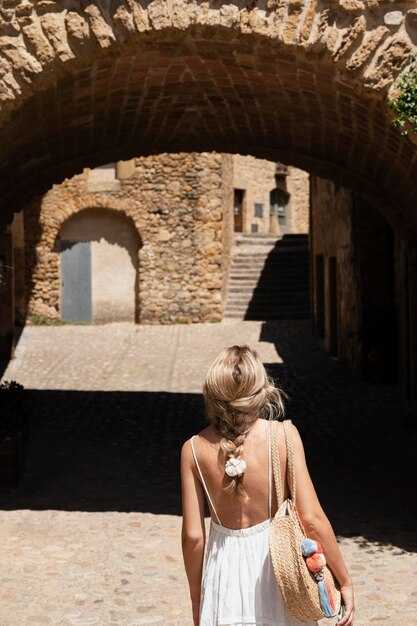
Plan a two-day base in Palma and book a coastal drive along the west coast to begin. This approach gives access to the old town, the cathedral, and the first scenic viewpoints, keeping logistics simple and enjoyable. gracias for starting with a crisp plan; you know the best spots without wandering. The word you’ll hear most is welcome here as people speak both Catalan and Spanish around the island. This is spain in the most approachable sense.
The Serra de Tramuntana mountains form a dramatic backdrop to the island’s interior, with hiking routes that range from easy strolls to serious climbs. For a strong day out, drive Sóller–Port de Sóller along winding roads, pause at Fornalutx, then descend to the coast for a seafood dinner. Behind the cliffs, paths reveal vistas over the sea and hills; be sure to bring water and sun protection. In some rural markets you might see a quirky note ‘xerr’ on a sign.
In Palma and the north coast, citys like Palma, Alcúdia, and Port de Sóller host a range of attractions: Gothic La Seu cathedral, Bellver Castle, the medieval walls of Alcúdia, and their lively markets. From Palma you can take a short train to Sóller, or a ferry to nearby islands. Access is easy by rental car, bus, or bikes; many towns publish schedules and bike lanes along the coast, making it simple to hop between beaches and towns.
For beach days, expect over 100 beaches on the island, with turquoise water and golden sand; popular spots include Es Trenc, Playa de Muro, and Cala Agulla. For water temps, summer highs reach around 28-30°C and sea temps hover near 23°C. At night, stroll the marina in Palma and watch the sunset behind the cathedral; many restaurants serve paella and ensaimada, and locals speak warmly to visitors. The future traveler can book sunset boat trips to see the coast from the water, which is a real treat and a good way to collect memories.
To maximize your stay, use a simple plan: begin with a day in Palma’s old town, then a day in Serra de Tramuntana. Access to parking can be tight in peak months, so consider early starts and public transit where possible. The word you might hear most from locals is gracias; take note and respond with a smile to build rapport. We hope this answer to your questions gives you a clear path for a high-quality Mallorca experience.
Mallorca, Spain: Welcome – Your Ultimate Travel Guide; 11 Things to Do
Kick off your Mallorca holiday with a sunrise harbor stroll, then plan these 11 experiences to make the most of your time on the island. Mallorcan hospitality and scenic views await, with tasty restaurants and a few cheeky names you’ll remember.
-
Palma Old Town and La Seu Cathedral
Wander the narrow, cobbled lanes of the mallorcan capital, where the names La Seu and the medieval walls define the quarter behind the harbor. Open from 09:00–18:00, with interior tickets around €9–€11; climb to the rooftop for dramatic views of the port. Take a moment to thank locals for tips, then linger in the quarter’s pastel streets where the sun paints soft hues on old stone.
-
Es Trenc Beach and the South Coast
A long, unspoiled strand with white sand and turquoise water. Arrive early to secure a spot; parking is usually €3–€5. Sadly, crowds grow on weekends in summer, so plan sunrise or late-afternoon visits. The south-facing coast offers scattered chiringuitos (beach bars) where you can sip a cold drink and soak up cherished views as the light shifts.
-
Serra de Tramuntana: Scenic Drive, Hikes and Sa Calobra
Drive the scenic road through cliffs and pine forests, with overlooks that rise above the sea. Sa Calobra, reached by a winding route, ends at the Torrent de Pareis gorge. Allocate 3–5 hours for this day trip and pause at pull-offs for photos; bring water and a map, and be prepared for slower traffic in peak season. The elevations offer dramatic views that stay with you long after you return to sea level.
-
Sóller by Rail and Port de Sóller
Board the vintage Ferrocarril de Sóller from Palma to Sóller in 25–40 minutes, then ride the tram to Port de Sóller. This route weaves coast and hills, delivering citrus-scented air and Art Nouveau façades. Enjoy seafood by the marina, then catch the tram back before sunset for a clean, memorable arc of the day.
-
Caves Drach or Cuevas dels Hams: Underground Marvels
Tour Cuevas del Drach in Porto Cristo for a 60–75 minute guide-led visit to stalactites and an underground lake concert. Tickets hover around €13–€18 depending on season. If crowds bother you, Cuevas dels Hams nearby offer impressive formations with shorter lines. Wear comfortable shoes and bring a light jacket–the cool air feels refreshing after time in the sun.
-
Markets and Mallorcan Gastronomy
Shop like a local at Mercat de Santa Catalina or Mercat d’Olivar in Palma, tasting olives, cheeses, and ensaimadas. A simple pa amb oli with tomato and local ham runs €5–€9 at market bars. In the evening, savor seasonal seafood or tumbet at harborfront restaurants, and ask for the house wine to learn the names of local ingredients.
-
Hidden Beaches: Mondragó, Varques and More
Explore coves along the southeast coast for crystal-clear water and relaxed sands. Mondragó offers easy access and lifeguards in peak season; Varques requires a short hike and careful footing. Pack water and a shade cover; late afternoon light makes these spots perfect for slow, calm photos and memories to last long after you leave.
-
Active Breaks: Cycling, Hiking and Kayaking
Rent an electric bike to cover coastlines with ease, or follow the GR221 trail for a 2–4 hour hike through varied terrain. Short-term rentals let you mix city exploration with day trips along the shore. Bring a light backpack, sunscreen and water, and enjoy the island’s pace on your own terms.
-
Wine, Cocktails and Sunset Sips
Sample Mallorcan Malvasía and Callet wines at a small bodega near the island’s south or in Palma. Seek a rooftop cocktail with harbor views in La Llonja or Santa Catalina, where the bartender’s craft pairs well with the evening light. Time your visit for golden hour to capture the moment and the reflections on the water, a perfect close to a day on the island with a little bit of betuadeu among locals and visitors alike.
-
Mallorcan Culture and Family Experiences
Join a 2–3 hour cooking class to master sobrasada, tumbet, and ensaimada, or take a guided walking tour focusing on local names and crafts. Speaking with residents reveals tips about beaches, restaurants, and hidden courtyards. For a lighter budget, try a hands-on market tour followed by a casual tasting; even with a bare bones plan, you’ll come away with memorable flavors and stories that last beyond the holiday.
-
Seasonal Highlights and Practical Tips
Check calendars for Sant Sebastià celebrations and Easter processions in Palma for authentic cultural moments. If you visit in summer, book ahead; shoulder seasons offer easier access and better rates. Bring a lightweight rain shell in spring and a sun hat in July; confirm opening hours on the official site as plans can shift. Before you depart, stroll the harbor one last time, say thank you to the island’s people, and savor the time you spent on this island paradise that rises above the sea.
Best Areas to Stay in Mallorca by Travel Style
Couple-friendly pick: Santa Catalina or Portixol in Mallorca Choose Santa Catalina for a couple seeking designer boutiques, design-forward dining, and easy beach access. Seaside chic in calm lanes, beige walls, and a lively cafe scene create a chic base, while locals speaking mallorquí share tips on tapas routes. Portixol adds a seaside promenade, sunset harbor views, and quick access to calm coves for morning strolls and romantic evenings.
North Mallorca for families: Alcúdia, Puerto de Pollensa, and nearby coves This zone suits families and groups who want space and easy walks. Alcúdia old town with its fortress vibe, the marina at Puerto de Pollensa, and long beaches provide days without crowds during peak season as arrivals climb in July and August. Plan mornings before 9:30 to beat the crowds. Stay near the park at S’Albufera natural reserve or in town squares; quiet mornings blend into markets on certain days during the times.
Historic Palma and Bellver fortress for cultural lovers In Palma, a base near the cathedral district keeps you within reach of museums, markets, and pedestrian streets. The Bellver fortress sits on a hill with ocean views and an iconic silhouette. Mallorquí heritage blends with modern cafés, and locals speaking mallorquí greet visitors with tapas tips. It’s a compact hub for day trips to the Serra de Tramuntana or nearby villages.
Inca and inland towns for crafts and authenticity A calm inland stay suits travelers who want authentic markets and leather workshops. Inca hosts workshops and weekly markets; remote workers who have jobs on the island appreciate quiet mornings and easy connections to coast lines. Mallorcans share stories of harvests in the plaza, while you plan day trips to the Serra or wine routes.
South Mallorca: sun, beaches, and park-adjacent stays Colònia de Sant Jordi, Cala d’Or, and nearby beaches offer long sands and family-friendly coves. You’ll find parks like Mondragó within reach for easy nature walks; iconic sunsets over the sea draw photographers and couples. The south also features golf courses and luxury villas within a short drive of protected reserves and local markets.
Smart mix for varied groups If your plans span a few days, mix days in Palma for culture with weekend escapes to the north or south coast. This approach makes a balanced itinerary with scenic drives, historical stops, and time for shopping at local markets and craft stalls.
Beaches and Coves: How to Access the Top Picks
Rent a car and head south to Es Trenc before 9 a.m. to secure a parking spot and enjoy calmer water and long dunes.
Es Trenc stretches along Mallorca’s south coast, and the fact you’ll notice first is the expansive, white-sand shoreline meeting turquoise shallows that stay inviting for hours. It’s a major attraction for visiting families and sun-seekers, widely loved for its space and simple beauty. Reach it via the central routes with a short route that cuts through towns where mallorcans share practical tips on parking and shaded spots. In and around the dunes, a few tree-shaded pockets offer relief, and nearby caves host fossil bones embedded in limestone, a reminder of the island’s ancient geology.
From Es Trenc, a short drive brings you to Cala Mondragó in Parc Natural de Mondragó, a cluster of coves and pine-bordered trails. The area includes numerous beaches and parks to explore. Cala Mondragó itself is easy to reach, with protected coves such as S’Amarador offering calm water and gentle slopes for families. Parking is usually straightforward in off-peak hours; visiting on a weekday helps you hear fewer people and enjoy more space. If you want more variety, the park’s network links calm beaches and viewpoints for a compact half-day loop.
East of here, Cala Llombards and the coves around Cala Varques present a mix of easy access and wilder scenery. Cala Llombards sits just off the main road with a short descent to clear water, while Cala Varques requires a short walk along a marked route from Port de Manacor. Pack water and sturdy shoes; almost all visitors carry snacks for the trek. For really offbeat spots, combine these with a short stop at a small pine-tree-lined shore or a rocky cove nearby–each place carries its own mood and views.
Practical tips for the route
Plan a south-coast circuit that includes Es Trenc, Mondragó, and Cala Llombards in one day; the drives between stops are brief and provide opportunities to switch scenery. Start early on holiday weekends to avoid tourist crowds and to hear birds more clearly. If you’d rather skip driving, certain towns along the coast connect by regular buses from Palma, with a quick taxi leg to final coves. A private transfer can simplify a multi-stop day, especially for groups. Mallorcans value a respectful approach to fragile shorelines and advise: carry a bag for trash and respect signs protecting dunes and wildlife. gràcies
Getting Around Mallorca: Car, Public Transit, and Bike Options
Rent a compact car for the core of Mallorca trip; it could cover long day trips between resorts and inland villages, while you use public transit for Palma and the center. Mallorca is one of the Balearic Islands widely visited, which shapes the transport options you could rely on.
Car rental on the island is widely available, with numerous operators at Palma airport and in major towns. Manual cars start around €25-€40 per day in the shoulder seasons; automatic models commonly range €45-€70 per day, depending on demand. Expect to pay extra for insurance and GPS. Fuel costs typically run €1.60-€2.00 per liter, and some routes feature short tolls along busy corridors. If you plan early departures, you could reach charming coves before crowds flock to the most popular beaches.
Parking can be tight in historic cores and some resorts; look for blue zones and read meters. At a hotel, check whether parking is included or validated; many properties offer limited spaces. Those who want to keep moving without anxiety often plan their itinerary the night before, then follow the road network through the island with an authentic, flexible plan. The official tourism messaging highlights a balance between car use and sustainable options, with guidance available through the island’s page and the resorts’ suggested itineraries.
Car practicality and tips
Southern Mallorca offers long coastal routes and inland climbs; plan early departures to beat heat and crowds. Use a reliable navigation app and set routes to Sóller, Alcúdia, and Cap de Formentor. For short trips, a car remains the simplest way to access remote coves and hillside villages; in mallorcan years of travel, many visitors have found this approach practical. If you want to reduce driving, base yourself in Palma and take day trips by train or bus for a more relaxed pace. Aim to keep a small kit in the car: a map, a drinking water bottle, sunscreen, and a phone charger.
Public transit and cycling options
Public transit on Mallorca is well developed, with EMT buses serving Palma and coast towns and TIB buses linking major villages. In peak season, most routes run every 15-30 minutes; evenings are lighter, so check schedules in advance. The Ferrocarril de Palma a Sóller operates seasonally and offers a scenic alternative for day trips from Palma toward the northwest; travel times around an hour with connections to Port de Sóller. For longer hops, add a bus to Inca or Alcúdia to reach your next hotel without a long drive. Cycling remains popular; numerous shops rent road and electric bikes, and guided tours operate in the Serra de Tramuntana and along the coast. Plan for early starts to enjoy cooler temperatures and to beat crowds; always carry drinking water and sunscreen, and choose routes suitable for your level. Mallorcan wind and hills reward steady pedaling with views over turquoise bays.
Palma de Mallorca: Must-See Sights, Eats, and Experiences
Top Sights
First, start at La Seu, the Palma Cathedral, and then explore behind it into the winding Casco Antiguo for the best first impressions of the city. Between narrow lanes you will know the word locals use for welcome, and you’ll feel the place’s quiet magic.
Next, stroll to Parc de la Mar and climb to Bellver Castle for a view that blends the modern harbor with the old quarter. The route between the castle and the city walls is simple, easy to follow, and usually quiet before sunset.
The Paseo Marítimo lines the waterfront with palm trees, where you can watch boats drift by and peek into cafés; from here, the Santa Catalina quarter reveals a well-balanced mix of shops, bars, and eateries.
Eats and Experiences
Usually, mornings at Mercat de l’Olivar bring fresh seafood, vibrant produce, and fragrant pastry stands. Pick a stall for a hot ensaimada or a salt-crusted fish and then wash it down with bottled water or a cold soda–easy, tasty, and authentic. The market itself is a page of Palma’s daily life, with locals and visitors swapping phrases and a few basic greetings, gracias included.
In the Santa Catalina quarter, a short walk between the market and the bistros yields a string of modern eateries where chefs hire local ingredients to craft something memorable–simple tapas, fideuà, and tumbet. Look for fishermen’s catches and seasonal vegetables; the names of dishes usually tell you what’s inside, and the flavors will smile back at you.
Want nightlife? Head to the Paseo Marítimo after dark, where crowds cluster behind terraces and neon reflections bounce off the water. For something easy and safe, stay in a central hotel or a boutique guesthouse in Santa Catalina; you’ll find many options to hire a bike or scooter to explore the quarter and nearby towns at your own pace. This page aims to help, with a section focused on practical tips: stay hydrated, keep a few basic phrases, and simply enjoy Palma’s easy rhythm and modern pulse. Gracias for reading, and enjoy your stay in Mallorca itself.
Day Trips: Sóller, Valldemossa, and the Dramatic Tramuntana Coast
Begin the Sóller trip with the historic Ferrocarril de Sóller from Palma, departing around 09:30; the 25–30 minute ride climbs into orange-grove valleys and brings you to Sóller town. In the center, shops line the square and mallorcan cafés offer coffee and almond pastries. From Sóller, hop the wooden tram to Port de Sóller for a seaside lunch along the marina; on calm days, dolphins surface near the harbour, delighting tourists and locals alike. Reactions from visitors are consistently positive, and simply taking it at a relaxed pace suits families, couples, and solo travelers.
Valldemossa lies about 25–30 minutes by car or bus from Sóller; the stone houses and steep lanes feel timeless, and the air smells of pine. A must-see is the Cartuja de Valldemossa; allocate 1–1.5 hours to explore, then stroll the Calle de la Iglesia for local crafts or a café break. Mallorcan gardens and viewpoints offer particularly striking panoramas, with the heart of the village lingering in every corner.
From Valldemossa, drive along the dramatic Tramuntana coast toward Deià and Banyalbufar. The road hugs cliff edges and terraced fields, offering striking views of the island’s edge and the sea. Stop in Deià for a short walk, galleries, and a look at stone houses perched above the water; then continue to Banyalbufar to admire the coastline’s folds and olive groves. Local leaders have invested in infrastructure along the coast, but some sections remain narrow, so drive with care and allow for occasional slow traffic–an occasion to linger at viewpoints and take photos.
Return to Palma via the highway or retrace your route; the loop fits a full day and leaves plenty of time for a sunset over the island. If you prefer a lighter option, add a visit to a local zoo or park on another day, since Mallorca hosts a few options for families and animal lovers. For practical planning, dial the local tourist information line or call your hotel’s front desk for advice; the telephone numbers are easy to find, and staff have helped countless travellers with schedules and route tweaks. When you asked for advice, you often received tips that fit your pace and interests.
- Public transport option: Palma to Sóller by train (25–30 minutes), then tram to Port de Sóller (10–15 minutes).
- Car option: Palma to Valldemossa via Ma-1112; parking in Valldemossa is limited, so arrive early on busy days.
- Best times: April–June or September–October for lighter crowds and pleasant weather; soon the coast path becomes crowded in July and August.
- What to bring: comfortable walking shoes, a light jacket for coastal winds, sunscreen, and a bottle of water.
- Food: plenty of eateries in Sóller and Deià; try local almond pastries and arroz brut for a Mallorcan taste.
Traditional Mallorca Dishes: Ensaimada, Sobrasada, Pa amb Oli
Start with Ensaimada, the light spiral pastry, as your first bite in the central area of Palma on the first route of your visit.
Ensaimada’s texture is striking: a soft, airy crumb that carries a delicate aroma of eggs and lard in the traditional version. Its appeal is widely understood across the population, and you’ll find it almost anywhere in citys bakeries and markets. In this section, seek a shop that displays a long line of past favorites; gràcies to the bakers who keep the craft alive.
Sobrasada is a soft, cured sausage with paprika that melts on contact with warm bread. Made from pork and garlic, its aroma fills the room and helps define Mallorcan taverns. Try it on Pa amb Oli to see the contrast between soft meat and crunchy bread. You can ask where the best fresh sobrasada is sold in the citys markets; many stalls pride themselves on a high-quality, hand-cut spread. If you want a guided tasting, hire a local expert who can explain the production process and offer tips; you can call a tourist information line on your phone for quick advice.
Pa amb Oli stays simple but expressive: toast rustic bread until crisp around the edges, rub a ripe tomato, drizzle olive oil, and finish with salt. This central Mallorcan staple travels well and fits almost any meal. Order it with sobrasada or with local cheese to taste the real balance between fat, acid, and salt. In anti-tourism zones, you’ll still see locals making and sharing Pa amb Oli as a daily ritual along the walls of the old town, easy to carry on a day trip.
| Dish | Key ingredients | How to enjoy |
|---|---|---|
| Ensaimada | Flour, eggs, lard or butter, sugar | Fresh, dusted with sugar; ideal with coffee |
| Sobrasada | Pork, paprika, garlic | Spread on Pa amb Oli or served with cheese |
| Pa amb Oli | Bread, ripe tomato, olive oil, salt | Toast, rub tomato, drizzle oil, add toppings |
For a practical note, consider hiring a local guide who can tailor a short route through Palma’s central areas, point out the best shops in citys markets, and explain the past that shaped today’s flavors. If you want quick pointers, the help desk at the main station or a hotel concierge can offer a concise answer and provide a phone number you can call for recommendations. You cant miss the opportunity to sample these dishes in the places where residents shop and dine daily, then carry the taste back into your Mallorca memories. Gràcies for reading and enjoy your flavorful journey through Mallorca’s traditional staples.
Seasonal Planner: Weather, Crowds, and Packing for Each Month
Pack a compact rain jacket and a light, breathable base layer; stay versatile–Mallorca’s days swing from sun to breeze. Hello, planning tip: structure your holiday wardrobe for morning sightseeing and warm afternoons in majorcas street life and popular resort towns.
January and February bring mild days and cool evenings; typical highs 12–15°C, lows 5–8°C. Crowds were light, letting you stroll the streets, visit popular museums, and explore fortress sites without queues. The infrastructure supports easy day trips, and coastal resorts stay calm on weekdays. Pack a windproof jacket, a fleece, sturdy waterproof shoes, and a compact umbrella. Carry water and avoid badly packed itineraries.
March brings 15–18°C with occasional showers; crowds rise as Easter approaches. April warms to 18–22°C with more sun and dry spells. Combine street walks with indoor visits to genuine places and museums, then climb a fortress terrace for evening views. The infrastructure expands with more frequent buses and bike lanes, making it simply easy to stay within the coast and nearby hills.
May tops 20–26°C; crowds rise and resort beaches fill early. Early holiday weeks are ideal for coastal strolls and mountain viewpoints. If you hire a car, you can reach towns near the mountains and along scenic routes. Carrying the right items matters for daily comfort: breathable linens, a hat, sunscreen, a light jacket for cool evenings on fortress ramps, and a camera for sunset streets in the towns. Owners of small guesthouses expect reservations.
July and August bring 28–32°C, intense sun, and peak crowds; popular resort zones fill by midday. Start days early to beat the heat and queues at museums and fortress sites. Pack lightweight cottons, swimwear, sandals, a wide-brim hat, and plenty of water. For inland escapes, take day trips from majorcas to nearby towns and fortress viewpoints; if you stay in the coast, the infrastructure supports ferries to nearby islands, and a hire car helps you manage getting around on quieter streets.
September offers 22–28°C with lingering sea warmth and lower crowds; October cools to 18–24°C with occasional rain. This window suits culture lovers: museums, old towns, and markets feel genuine and uncrowded. Infrastructure keeps buses and ferries reliable for day trips from Palma, so you can plan a few nights in different towns and still stay comfortable.
November cools to 12–18°C with rain likely; December sits around 10–15°C with shorter days. Crowds are light, giving you room to explore major museums, old town fortress districts, and street markets at a relaxed pace. Pack a compact rain layer, warm layers for evenings, and a versatile wardrobe; be prepared for drier days that sometimes turn breezy near the coast. Hotel owners and cafe staff welcome holiday visitors with a genuine local vibe.
Megjegyzések