

Fukuoka Airport Guide - Flights, Terminals, Access & Tips

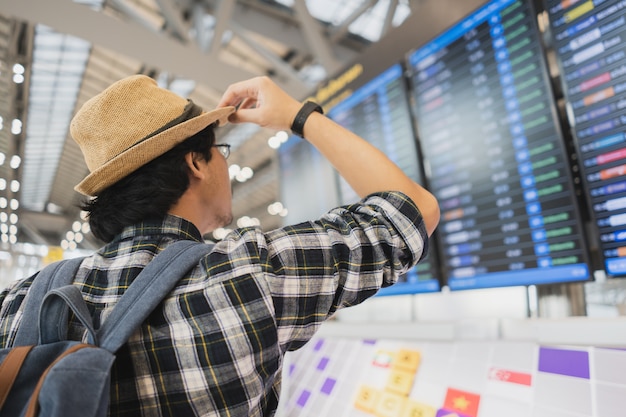
Getting a ticket in advance for international trips is the best move; this will save you time at check-in and on arrival. Fukuoka Airport groups most international services in Terminal 1, while Terminal 2 handles domestic and low-cost carriers. A covered walkway runs across the space between terminals, making transfers easy; check the map pictured on the official site to plan your route and which gate to reach.
Getting across the airport is straightforward: clear signage, helpful staff, and a compact layout help you move from check-in to the gate quickly. A single security zone serves most flights, and the central concourse connects Terminal 1 and Terminal 2, with clear paths across the atrium. This setup is sure to keep you moving smoothly. The airport offers lounges, family zones, and fast-service options to save you time during connections.
From the city, the Fukuoka City Subway operates the Kuko Line, linking Hakata and Tenjin to Fukuoka Airport Station. A train arrives every 4-7 minutes, and the ride takes about 5 minutes; a one-way ticket costs around 260 yen. This option keeps you off the roads and delivers reliable arrivals between city life and the airport.
If you have a long layover, consider a quick stop at shofukuji temple; it's a pleasant 15-minute ride from Hakata and returns you in time for your flight. For travellers with regular or premium class tickets, lounges in Terminal 1 and the LCC wing in Terminal 2 offer quiet spaces and seating options; you should arrive at least 2 hours before departure to clear security and head down to your gate on time.
Destinations include major domestic routes and key international gateways. For travelers coming from abroad to continue elsewhere, there are regular services to singapore via a few carriers, often with a transfer in Tokyo or Osaka; check your ticket details to confirm the route and class of travel.
Flight Options and Airlines at Fukuoka Airport
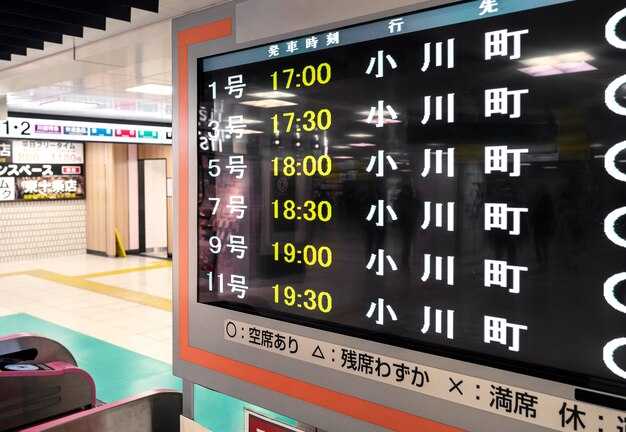
Should book early for your preferred route and tickets on the airline’s official site to lock the fare, then plan a smooth transfer using clear signs. Fukuoka Airport keeps travelers centrally served with two terminals linked by a common arrivals hall, and the railways stop at the connected station for a quick ride into the city. Parking offers short-stay and long-term options, and a megastore in the terminal makes shopping easy before you board. If you live in tocho-ji, ohori, or higashisumiyoshi, only a direct line and a short transfer stop you near the airport, so you can get back home quickly. For discounts on fares and through-tickets, check the airport site and partner agencies, then compare options to minimize costs. Thanks to these choices, travelers can find a comfortable, efficient path to their destination, including singapore-bound itineraries via a transfer point that keeps reisen plans flexible.
Domestic flight options
Major carriers ANA and JAL operate the bulk of domestic services from Fukuoka (FUK), with frequent daily flights to Tokyo and Osaka and regular connections to Sapporo and Kyushu cities. Terminal 1 handles most mainline departures; Terminal 2 is home to low-cost options from Peach Aviation and Jetstar Japan, delivering lower fares for short hops. Check in online to save time, and use the self-service boards at the gates to confirm your seat and boarding time. If you’re traveling with family or on a tight schedule, those early-bird tickets often come with discounts, so compare round-trip options and through-tickets to maximize value. The airport’s compact layout makes arrivals, baggage pickup, and return to the car park straightforward, which helps you move on to the next leg quickly and efficiently.
International flight options
International services connect Fukuoka to key hubs in East Asia and Southeast Asia. In peak seasons, ANA and JAL maintain regular schedules to cities such as Taipei, Seoul, and Shanghai, while Peach Aviation and other partners offer competitive fares on select routes. Some itineraries route through singapore as a transfer point, giving travelers additional price and time choices. For transfers, aim for through-tickets that share one ticket and a single check-in to simplify your stop. Immigration and baggage handling at Terminal 2 are designed to speed up the process, so you can relax in the transit area or head to the parking lot or city railways after you clear customs. Homebound travelers can plan a smooth return by keeping their tickets and boarding passes handy, and by using the railways to reach ohori or higashisumiyoshi from the airport stop.
Terminal Overview: International, Domestic, and Transfer Areas
Head straight to the International Terminal in Fukuoka-kuko for check-in and immigration, then use the gateway link to reach the Domestic Terminal for your next flight. This plan minimizes backtracking and keeps you close to home base during connections.
In the International Terminal you’ll find the main check-in counters, passport control, and a range of dining and entertainment options. Green spaces invite a leisurely pause, and the megastore offers regional snacks and souvenirs for last-minute shopping. Among dining options, you’ll find ramen, curry, and cafe bites, with some spots offering microwave-friendly meals for night departures. This calm space helps with making a smooth change of pace for your journey.
Domestic Terminal focuses on swift domestic departures with clear signs to gates for Osaka, Tokyo, Sapporo, and other destinations. The on-site Mizuho bank and service desks speed currency needs, while luggage belts and storage help you stay organized. Jetstar and other carriers operate here with well-marked pathways guiding you to your gate. korea-bound connections are typically routed through the International Terminal, while most domestic flights keep you moving smoothly within this zone. Luggage belts are widely used to speed transfers.
Transfer Areas connect the two terminals via a sheltered concourse. Average transfer time on foot between terminals runs about 10–15 minutes, and moving walkways shorten the distance. English and Japanese signage keeps you on track, and a leisurely walk lets you stretch your legs before your next flight–consider a short visit to ohori park or tocho-ji if time allows. For first-time travelers, following the central concourse is important to avoid misrouting.
Here's a bullet-friendly plan for quick reference: begin in the International Terminal, transfer to the Domestic Terminal only once, allow 10–15 minutes on foot between terminals, and enjoy a calm break in the green spaces or at the megastore before your night departure.
Getting There: Train, Bus, Car, and Taxi Access
Take the subway from Hakata Station to Fukuokakuko Station; it’s the fastest route to Fukuoka Airport. The Kuko Line runs roughly 05:30–00:30, with trains every 5–8 minutes at peak times. A single ride costs about 260–320 yen. After you arrive at Fukuokakuko, follow the signs to the terminal; the walkway from the station exit is about 200 meters. The dome of the terminal lets in natural light, and the stylish interiors make navigation pleasant for travelers with luggage. If you need quick updates, pull up the smartphone timetable to confirm the next train and the correct stop, and check live arrivals. The airport offers 24-hour information services at the arrivals area to help with gates, transfers, or luggage needs. For travelers bound for korea-bound flights, you’ll use the same line and transfer to the international terminal before heading to gate areas. This route works well for first-time visitors and frequent flyers alike.
From kumamoto, board the JR Kyushu Shinkansen to Hakata (about 40–50 minutes), then transfer to the Kuko Line to reach the airport. This two-step path is common for tourists and business travelers who want a straightforward ride without road traffic. Ticket machines accept multiple languages, and staff can assist if you’re unsure which platform to use. At the airport, a megastore near the arrivals hall stocks snacks, drinks, and travel gear, and there are traditional coffee shops with a small kitchen area for a quick bite. источник
Train and Subway Access

Begin at Hakata Station, ride the Kuko Line to Fukuokakuko, and walk down to the terminal. The walk is mostly level and about 200 meters; signage is bilingual and easy to follow. If you’re staying in higashisumiyoshi or similar neighborhoods, plan a little extra time for the subway transfer and any walking from station to terminal. Use a smartphone to check live arrivals and platform numbers; trains to the airport stop at clear stations, with the final stop at Fukuokakuko. A dedicated information desk is open 24-hour or during the day, and staff can help with hotel shuttles, elevator access, or stairs if you carry heavy luggage.
Bus, Taxi, and Car Access
Outside the terminal, several bus stops serve central Fukuoka and regional points. Bus service hours vary, but taxis line up at the curb and use meters; expect 2,000–3,500 yen to Hakata city center in normal traffic. If you drive, rental counters are in the arrivals area and there are clear signs to a multi-level parking garage with 24-hour access. Shared ride services are convenient for groups, and some travelers prefer to book a private transfer in advance. For tourists, the terminal provides services like luggage storage, currency exchange, and information desks with English, Korean, and Chinese staff. источник
Check-In, Security, and Immigration: Practical Timings and Procedures
Plan to arrive at least 2.5–3 hours before international departures. This time frame accommodates counter processing, any needed bag handling, security checks, and passport control without rushing.
Timings and Key Steps
- International flights: use online check-in starting 24 hours before departure; if you skip online check-in, approach the service desks 3 hours prior to departure. Counter closing times are typically 60 minutes before take-off; have your passport and visa (if required) ready.
- Domestic flights: check-in usually opens 2 hours before departure; counters close about 30 minutes before take-off. Bag drops (if any) should be completed before the closing time.
- Security screening: before you reach the gates, present your boarding pass and passport as requested; keep electronics accessible; follow rules for liquids in compliant containers; expect queues to fluctuate with peak travel periods.
- Immigration or passport control: after security, queue for the appropriate lanes; have your passport and boarding pass ready; visa checks may apply for certain nationalities. Non-peak times typically result in shorter waits, while holiday periods can extend lines.
Practical Tips to Speed Things Up
- Use online or mobile check-in to save time on arrival.
- Keep travel documents in an easy-to-reach place and have any visas or confirmations handy.
- Have a printed backup of your boarding pass and passport details in case of phone battery issues.
- If you travel with family or need assistance, head to early windows and request support at the check-in area.
Arrivals, Departures, Lounges, and On-Site Facilities
You should head straight to the baggage claim on the ground floor after landing, then clear customs; this approach speeds you through busy September peak periods when flights are frequent.
Arrivals and Departures: flow and tips
Fukuoka Airport uses Terminal 1 for international arrivals and both Terminals 1 and 2 for domestic flights. Follow clearly marked signs to immigration, then proceed to baggage belts; escalators connect levels for smooth transfers between zones. Check flight status on the screens, which update frequently, and allow extra time if you have a lot of baggage. The layout is friendly for asian locals and visitors alike, with plenty of open spaces and intuitive wayfinding.
Lounges and On-Site Facilities
Lounges in Terminal 1 offer quiet areas, wifi, power outlets, and drinks; entry varies by airline or lounge pass, so verify before you travel. The shopping arcade blends traditional Kyushu design with modern touches and includes Italian labels and regional snacks, giving a pleasant break before boarding. On-site services include Mizuho ATMs and currency counters, coin lockers for short-term baggage storage, and well-signposted information desks. Escalators and moving walkways ensure easy movement between floors, while plenty of seating lets you rest between flights. For travellers planning short trips to Kashihama or other Kyushu sights, staff can point you to the quickest bus or rail links from the airport. истоочник: official airport map


