



 Magyar
  English (UK)
  Русский
  العربية
  日本語
日本語  한국어
한국어  Türkçe
  Español
  Čeština
  Svenska
  Português
  Ελληνικά
  Suomi
Suomi  Nederlands
  Română
  Italiano
  Français
  Polski
  Українська
  Deutsch
  简体中文
简体中文  Slovenčina
  Chongqing Transportation Guide – Flights, Trains, Metro, Ships, Taxis, and Buses">

Book a direct flight to Chongqing and head straight from the airport terminal to the city by taxi or the airport express; this move presents the fastest start to your trip and keeps your daxian district plans clear.
Jiangbei International Airport (CKG) handles dozens of domestic connections and growing international links. You appreciate direct flights to Beijing, Shanghai, Guangzhou, Chengdu, and other hubs, with several options every day. The terminal layout is straightforward, and airport staff show clear directions to baggage belts and transit options.
Two major rail hubs, Chongqing West and Chongqing North, serve long-distance travelers. A high-speed line links the city to Chengdu in about two hours, with other lines reaching Wuhan, Guangzhou, and Beijing. A number of daily departures gives you flexibility, and booking ahead helps you secure seats on your preferred line.
The Chongqing Rail Transit network threads the core districts, with transfers that let you reach the daxian district or the riverside port quickly. They feel confident navigating interchanges when using an IC card or buying single tickets at gates, and plan around peak hours to feel less crowded. Metro hours run from early morning until late night, making it easy to present night plans after meals.
For river travel, Chaotianmen Port hosts cruises along the Yangtze. Cruises show varied itineraries from half-day sightseeing to multi-day voyages, with meals on board and cabin rooms that offer river views. These options let you appreciate the city from a different angle and see landscapes along the river between stops.
In the city, taxis are plentiful and typically cost 60–90 CNY to central districts; insist on a meter and a clear fare. City buses cover most routes at low fares, with night services in central zones. For flexibility, consider a private transfer or hotel shuttle. additional tips include checking direct connections from the daxian district to Chaotianmen port; this shows the fastest path to river trips and rail stations. The number of options varies by time of day, and the system’s features make planning a few bullet steps to keep things smooth.
Flights to Chongqing: Getting to Chongqing Jiangbei International Airport (CKG) and city transfer options
Take ride-hailing from CKG to central Chongqing–it’s different in convenience and better for a door-to-door transfer. Before you land, install the ride-hailing app and set your destination to Shapingba or the downtown area, sore driver can handle traffic smoothly. The app shows time estimates and route options, and the taxi meter will run from the moment you start, using meters to calculate fare. Expect about 30–60 minutes of running time to reach the city center, depending on hour and traffic.
What to expect for transfers from CKG
Beyond ride-hailing, you have options that balance easy access and fares. The airport shuttle bus offers a cheaper, straightforward ride to major area stops, while rail transit and tramway lines provide predictable schedules for longer trips without the stress of city traffic. Chongqing’s mountainous terrain can affect travel times, so plan for variability if you travel during peak hours or holidays. If you’re a tourist heading to Shapingba or other districts, you’ll appreciate links that connect you to the most common destination stations and transfer points, making it easy to adjust your plan on the fly.
Table of transfer options from Chongqing Jiangbei International Airport
| Opció | What you get | Typical time | Estimated fare | Jegyzetek |
|---|---|---|---|---|
| Ride-hailing or taxi | Door-to-door transfer to Shapingba or downtown, easy handling of luggage | 30–60 minutes off-peak; 60–90 minutes during rush hour | Taxi start ~8–12 CNY; meters add per kilometer; ride-hailing similar plus service fee | Meteruse is standard; best for flexibility and comfort |
| Airport shuttle bus | Direct service to major districts, lower cost than a door-to-door ride | 60–90 minutes depending on route and traffic | ~9–30 CNY depending on destination | Check exact stops; luggage space can be limited |
| Rail transit (monorail/metro) | Urban rail link to key stations, reduces exposure to city traffic | 40–60 minutes | ~6–20 CNY depending on distance | Hours and running times vary by line; ideal for fixed schedules |
| Tramway | Short-range connections within the area and some districts | 60–80 minutes | ~2–8 CNY | Limited lines; not always direct to the airport; good for local legs |
Trains: Chongqing rail hubs, choosing high-speed vs conventional services, and tickets
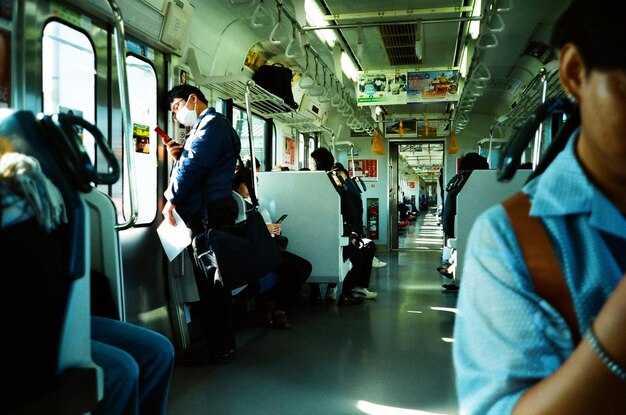
Choose high-speed trains for most Chongqing trips; they cut travel time on such routes and land you at the largest hubs faster. Daily services connect Chongqing North and Chongqing West to Guiyang, Neijiang, and Wanzhou with reliable schedules, while conventional trains remain a strong option for overnight travel or cheaper fares on the same lines.
Chongqing North and Chongqing West are the primary hubs for high-speed services. Neijiang acts as a regional transit node along the southern corridor, and Wanzhou and Guiyang link with frequent daily trains as you bind routes across Sichuan and Guizhou. Transfer and track layouts are clearly signposted, so navigate using information boards; staff can help if you need a hand.
Tickets are straightforward to obtain via search on Google or the official platform. Start with the methodhow: decide high-speed vs conventional, then pick your train by number. The information shown includes duration, distance, and number of stops. For peak periods, expect more options but tighter seats. Payment accepts unionpay and mobile wallets, and you can swipe or scan a QR code to complete the purchase. You may also bind a traveler profile to speed future bookings and pickups.
On travel day, check the track before departure and arrive early to your platform–stations switch tracks and platforms during busy times. Use the lines filter to compare direct options versus transfers, and avoid unnecessary hops by choosing direct trains when possible. Tickets can be collected with your ID at the counter or via QR code in the app, and you’ll land at your destination faster by prioritizing high-speed lines for the longest legs and saving conventional trains for shorter legs or overnight trips.
Metro: Key lines, transfers, and how to reach major sights from central Chongqing
Stay comfortable and start with a concrete plan: take Line 1 from central Chongqing to Ciqikou Station, then walk a few minutes to the ancient town–quicker than a longer bus ride. To/from interchange boards show a tofrom indicator, helping you move between lines without fuss.
Metro lines at a glance
Line 1 runs along the rivers, linking the core area with Ciqikou and other heritage pockets, making it the simplest route for stays near the main square. Line 2 crosses the city’s central spine and includes the famous Liziba station, where the train threads a building block in a dramatic, photo-friendly moment. Line 3 and other lines extend to eastern and western districts, expanding access to parks, museums, and river view points. The network is extensive, with transfer boards that display clear codes so you can switch directions smoothly; however, you’ll often connect at hubs like Jiaochangkou or other major interchanges if you’re heading across the city. If you’re arriving from Shanghai or Guiyang, the signposting and speed feel similar, making planning straightforward.
Reaching major sights from central Chongqing
From the center, ride Line 1 to Ciqikou for the old town lanes, street food, and crafts–really a compact, flavorful start before you head back. After Ciqikou, switch to Line 2 to reach the Jiefangbei district and stroll along the rivers to the Hongya Cave complex. For a private day, tours can start at your stay and stitch together Ciqikou, Liziba, and a central riverside stop–across the city by a short taxi ride if you want to skip a longer walk. In peak times, sometimes you’ll find the quickest route is a combination of metro and private transport, giving you flexible steps to fit your pace. Liziba draw a lot of tourist photos, then you can continue to the city’s markets and museums for an easy, tasty finish with food stalls nearby.
Ships: Yangtze River cruises, Chongqing ports, and onboard essentials
Book Chaotianmen departures in shoulder seasons to secure a river-view cabin, balance price and comfort, and avoid peak crowds. For transportation to the port, use public transit options or a taxi; the port area is well signposted and connected to major stations and roads.
Yangtze River cruise options and practical tips
Most itineraries from Chaotianmen take 4–5 nights upstream toward Yichang, with some downstream options finishing near Chongqing. The voyage reveals mountainous scenery and dramatic bridges as you pass canyon walls. Stops around Fengdu and the Lesser and Greater Three Gorges provide time ashore; some itineraries also include the dam area downstream. Prices vary by cabin type and season; standard cabins typically start around 800–1,200 CNY per person, while suites can reach 2,500–6,000 CNY for longer cruises. Meals are usually included; drinks and shore excursions are extra. Wi‑Fi is available on board, but public networks can be slow, and some ships offer paid packages. Arriving at each port, staff coordinate transit to shore via the same gangway. To keep costs under control, book early and avoid peak periods around public holidays. chongqings visitors often combine a river cruise with a visit to ciqikou, where you can see carvings and browse craft stalls; you may also spot kong woodwork among the souvenirs. This setup helps you balance the overall experience and make the most of the journey.
Chongqing ports and onboard preparation
Chaotianmen Port is the main embarkation point and sits along busy riverside roads with easy access by taxi or public transit. Allow extra time during peak traffic, and plan your route from downtown to the port using signposted transfers. If you arrive the day before, consider the ciqikou area for a walk and a chance to buy wood carvings as gifts; the area is reachable by short rides from the port via roads and public transport. From nearby stations, you can reach the port by bus or metro, as needed, before heading to the ship. Onboard, pack light layers for river winds, comfortable shoes for stairs, and a small bag for shore excursions; bring enough cash for local purchases and tips, as some services require additional costs. Wi‑Fi coverage is common but varies by ship; expect limited bandwidth during peak season. If you travel tofrom Chongqing for a cruise, confirm the exact boarding time and the recommended arrival window with the operator to avoid delays and ensure smooth boarding; sufficient preparation makes the experience seamless, and this preparation helps you make the most of the trip.
Taxis and ride-hailing: Hailing, fares, payment methods, and safe practices in Chongqing
Always verify the taxi plate and driver details in the app before boarding. If anything feels off, cancel and rebook. Use a licensed taxi or known ride-hailing service around busy stations and main streets for faster arrival, especially for foreigners navigating Chongqing’s mountain routes that feel like the longest climbs and can be crazy at rush hours.
Hailing and vehicle options
- Hailing options include curbside taxis and private ride-hailing apps such as Didi; stations and hotels often have dedicated pickup points.
- Known benefits: faster reach to your destination, clear driver details, and a saved route you can follow in miles or kilometers.
- Vehicle types range from standard sedans to private SUVs; most taxis carry up to three passengers, while private rides may seat four. Plan accordingly if you travel with meals or luggage.
- Check the plate, model, and driver photo in the app before boarding; if the car or plate doesn’t match, wait for the next option.
- If you don’t speak Chinese, show the destination on screen or say qǐng (请) to signal politeness and ask for the fastest route; English assistance is known to be limited outside major hubs.
- Pickup timing varies with traffic–busy areas around stations can see waits of five to ten minutes, longer near mountain districts or at night.
- Ask for a stop only if necessary and keep the route in view on your map to avoid confusing detours.
Fares, payments, and safe practices
- Fare structure: base fare around 8–10 CNY; distance rates about 1.8–2.5 CNY per kilometer; waiting time adds a small per-minute fee. Short trips in central areas often cost 15–25 CNY, while longer rides toward the hills or mountain zones can be higher.
- Payments: most options include cash, WeChat Pay, Alipay, and unionpay; in-app payments are common and help lock in the quoted price before arrival.
- Before you ride, use the app’s fare estimator to compare options and avoid surprises; if a driver tries a long, unnecessary detour, politely request the planned route shown in the map.
- Safety: ride in the back seat, buckle up, and verify the driver’s identity and plate again when entering the vehicle. Share your trip details with a friend or family member when possible, especially for late arrivals.
- Smart tips for foreigners: carry essential address in Chinese, know a few basic phrases like qǐng, and keep a small amount of local currency for taxis that don’t accept cards.
- Be cautious of traffic and road conditions near the mountain area; choose daytime trips when possible and allow extra time for arrival during busy periods or during city events.
- If you plan multiple trips (three, five, or more) in a day, compare app coupons or bundles and consider sticking to one trusted service to simplify payments and receipts.
- When stopping for meals or errands, ask the driver to wait at a safe, well-lit spot or request a new pickup point to avoid unsafe disappearances from your route.
Buses: Urban bus network basics, real-time boards, and long-distance connections to Dazu
Plan your Dazu trip with catching a ride on Chongqing’s public bus network. Check the real-time arrival boards at each stop, arrive early at the central hubs, and thereafter choose the best path to Dazu. Avoid unlicensed operators and stick to official stations to keep things smooth and safe, then you can relax and let the ride unfold.
-
Urban bus network basics
- Lines and coverage: The public bus grid spans central districts and outer suburbs, with frequent routes connecting neighborhoods, metro hubs, and major stops. Lines often cross paths at large stations where transfers are easy; look for the line number and destination on the LED bullet boards.
- Seating and comfort: Most city buses offer seating for standard passengers and some private coaches for longer rides. In peak hours, crowding increases, so have a plan to catching a seat closer to the front if possible.
- Fare and range: Fares depend on kilometer distance, typically a few yuan for short hops and higher for longer legs. Many stops accept a public transit card or mobile payments, keeping the process quick and ingyenes from cash handling.
- Types and speed: Expect a mix of standard lines and occasional straddle-type configurations on certain routes. In dense traffic, speed drops noticeably, so plan extra time for three or more stops between transfers.
- Stops and stop names: Stops display both Chinese and English names, with a track number shown on some platforms. Always note the arrival time on the board before boarding.
- Three quick tips: (1) carry a small amount of cash or use a public transport card, (2) have a backup route in mind, (3) check for outside connections if you need to switch to long-distance services.
-
Real-time boards and signboards
- What you’ll see: Real-time boards display the next arrival, destination, and line number. These lines help you see whether the bus is a direct route or requires a transfer to metro or other buses.
- Using the boards: Scan the board at your stop to confirm the arrival time. If a line shows a long wait, switch to another line with a shorter interval.
- Practicalities: Boards are most reliable at central hubs and major stations. On three-to-five-minute exchanges, you can keep your timing tight and minimize idle time.
- Tips for élelmiszer és italok: A legtöbb buszon engedélyezett a könnyű rágcsálnivaló, de a dobozokat és az erős szagokat tartsa távol a zsúfolt ülésektől, hogy ne zavarjon másokat.
-
Nagy távolságú kapcsolódások Dazuhoz
- Hol kezdjük: Chongqingból indulva menjen a Dazu-ba közlekedő távolsági buszok fő termináljaihoz. Keresse a Dazu-nak szentelt pultokat vagy táblákat, amelyek felsorolják az indulási időket és a peronszámokat. Ha úgy tetszik, használja a hivatalos közlekedési alkalmazást a "Dazu" szűréséhez, és válassza ki ennek megfelelően a terminált; methodshow és methodhow a lehetőségek megjelennek a foglalási folyamatban.
- Gyakoriság és időtartam: A Dazu-ba közlekedő buszok általában naponta többször is indulnak, a often indulások órák különbséggel. Az utazási idő általában 2,5-4 óra közé esik a forgalomtól és az útvonaltól függően. A csúcsidőszakokban időnként számítson késésekre.
- Jegyvásárlás: Jegyek a terminálpultnál vagy a városi közlekedési alkalmazáson keresztül vásárolhatók. Ha úgy dönt, hogy könyv online, fizetés előtt ellenőrizze az indulási terminált, peront és üléstípust. Néhány szolgáltatás helyfoglalást kínál, ami praktikus lehet családok vagy csoportok számára.
- Operátortípusok: Maradjon a nyilvános és engedéllyel rendelkező szolgáltatóknál; engedély nélküli a buszok olcsóbbak lehetnek, de hiányozhat a biztonság és a valós idejű nyomon követés. A nagyobb biztonság érdekében válasszon egy szokványos buszt, amelyen egyértelmű a márka és a pultnál nyomtatott menetrend található.
- Fedélzeti jegyzetek: A távolsági buszok ezeken az útvonalakon általában alapvető kényelmi szolgáltatásokat nyújtanak, és festői vidéki tájakat kínálnak a Dazu-hegység közelében. scenic szakaszokon válasszon ablak melletti ülést, ha elérhető, hogy élvezhesse a tájat.
- Gyakorlati lépések: (1) ellenőrizze a táblán a Dazu szolgáltatást, (2) érkezzen 15-20 perccel korábban, (3) mutassa be foglalását vagy jegyét a kapunál, (4) szálljon fel a megfelelő peronra, és keresse meg a seat, (5) őrizze meg a jegyét az érkezésig, majd kövesse a személyzet utasításait a kiszálláshoz.
- Három gyors óvintézkedés: kerüld a beszédet a private edzői lehetőségek, amelyek kihagyják a terminálokat, tiszteletben tartják outside felszállóhelyeken szálljon fel, és ne szálljon fel, ha a busz késni látszik, vagy letér a hivatalos útvonalról.
További jegyzetek a zökkenőmentes utazáshoz: mindig legyen egy tartalékterved arra az esetre, ha egy valós idejű tábla megváltoztat egy útvonalat; vigyél magaddal könnyű harapnivalókat (élelmiszer) és vizet; használjon egy nyilvános alkalmazást a könyv helyek a forgalmas hétvégéken; amikor eléred Dazut, a fő leszálló a Dazu buszmegálló a festői helyek közelében, onnan gyalog vagy egy rövid stop ingázás a bejáratig. Ha a legmegbízhatóbb utazást szeretné, ragaszkodjon a public buszok és hivatalos buszállomások esetében, és ellenőrizze újra a táblát a Chongqingba való visszautazás érkezési időpontját. Kezdjük maximalizálja az időt a terület felfedezésére, miközben a tervet egyszerűnek és egyértelműnek tartja.
Csongkingból Dazu-ba: A legjobb útvonalak, utazási idők és gyakorlati tippek ehhez az utazáshoz
Utazás a nappali expressz busszal Chongqing Chaotianmen távolsági állomásról Dazu felé; az út körülbelül 2,5–3 órát vesz igénybe és nagyjából 170–190 km-t tesz meg, így a Dazu sziklafaragványok területének közelébe jutsz. Jegyek a pultnál kaphatók, a menetrendben feltüntetett számokkal, és egyenes útra számíthatsz átszállások nélkül.
Routes and travel times
Direkt buszjáratok: A Chaotianmen vagy a Jiangbei távolsági buszállomásokról nappali indulások körülbelül 1-2 óránként elérhetőek. Várhatóan 2,5-3 óra utazási idő és 60-100 CNY közötti viteldíj. Ezek a buszok olyan autópályákhoz kapcsolódnak, amelyek Chongqing északkeleti folyosóján keresztül Dazu felé haladnak, így megbízható, központilag rögzített útvonalat kínálnak.
Saját vezetésű vagy privát autó: Induljon reggel, és kb. 2,5–3,5 óra alatt érje el a Dazu területet, a forgalomtól és az útdíjaktól függően. Az útvonal általában az autópályán halad, majd a helyi utcákon keresztül a festői helyekre; választhat egy megállót fényképek készítéséhez vagy egy gyors harapnivalóhoz, tárolhat harapnivalókat a kesztyűtartóban, és az autót a park főbejárata közelében parkolhatja. Ha északról érkezik, áthaladhat az északi külvárosokon, mielőtt belép a megyeszékhelyre.
Alternatív körút: Néhány utazó Jibin felé veszi az irányt egy hosszabb napért az úton, majd visszakanyarodik Csungking felé; ez az átmenő forgalmi lehetőség időt ad hozzá, de vonzó lehet, ha a szecsuáni tájat a Dazhu-val szeretné kombinálni egy utazás során. A becsült teljes idő ennek megfelelően nő, ezért tervezzen körülbelül 6-8 órát, ha meghosszabbítja a kört.
Practical tips
Tervezz nappali órákban, és nézd meg az állomáson lévő boltot, hogy van-e nassolnivaló és víz; egy gyors megálló a helyi boltban, mielőtt felszállsz, segít elkerülni az automatás árakat később. A jegyekhez jegyezd fel a buszkódot a táblán, és tartsd kéznél a számot, hogy szükség esetén bemutathasd a személyzetnek; a kód segít megtalálni a megfelelő buszt a zsúfolt napokon.
A Dazu helyszínén egy drótkötélpálya is kínál magaslati kilátást a faragványokra; a menet megéri, ha más szemszögből szeretnéd látni, bár egy külön sort és időt ad hozzá. Szánj 2-3 órát a fő faragványokra, plusz 30-45 percet a környező hagyományos utcákra és múzeumi termekre. Ha utazást tervezel, tölts le előre minden szükséges jegyet, és érkezz korán, hogy elkerüld a csúcsidőket.
A pályaudvarról induló taxik taxiórával működnek, és praktikus módja a park bejáratának gyors elérésének; a távolságtól függően 30–50 CNY viteldíjra számítson. A zökkenőmentesebb élmény érdekében előre szervezzen visszautat, vagy válasszon helyi telekocsit, amely fix időablakokat és egyértelmű kapcsolati kódot kínál. Ha a központban száll meg, fontolja meg egy stúdió vagy szálloda választását a fő buszpályaudvar közelében a transzferek egyszerűsítése érdekében.
Időjárás és nyitvatartás: reggel nézze meg a hely nyitvatartását, és tervezzen a nyári nappali hőséghez igazodva. A terület általában hétvégén a legforgalmasabb; a késő délelőtti indulások általában a legrugalmasabbak az ülőhelyek szempontjából, míg a reggeli időpontok ideálisak a tömeg elkerülésére, és lágyabb fényt biztosítanak a fényképekhez. Az egész kirándulás számos számadatot befolyásol a napjában, ezért tartsa szemmel az időpontokat és a becsült időtartamokat, hogy tartsa a menetrendet.
Megjegyzések