
How to Travel Around Panama - A Practical Guide for Exploring the Country
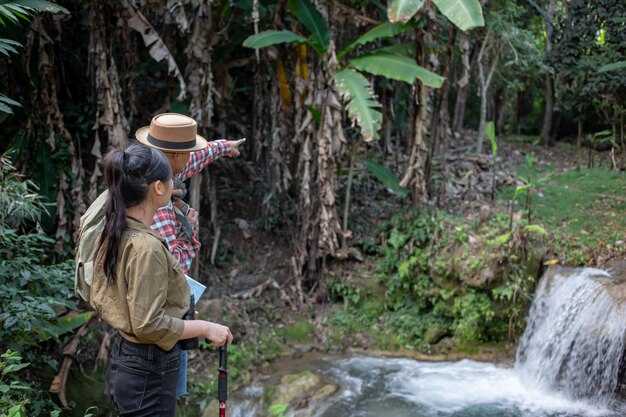
Start with a 3–4 day stay in Panama City and rent a car for the first leg outside the capital. This gives you quick access to the Panama Canal, Casco Viejo, and a flexible pace for day trips to nearby spots. In the morning, check-in to your hotel and plan routes that opens access to both urban experiences and lush landscapes.
What you explore first matters: begin in Casco Viejo, then hop to Boquete or Bocas del Toro with domestic airlines you prefer. Short flights keep your pace flexible, and last-minute seat sales pop up during shoulder seasons. Seek spots that pair culture with nature, from the Miraflores locks to rainforest trails near the citys.
National parks anchor your itinerary. Stay in a mountain lodge near Boquete, plan a hike in Valle de Anton, and spend a day in Soberanía National Park for rainforest canopies and wildlife. If your schedule allows, a boat ride to Coiba or a Darién coast visit expands your horizons. Pack a light rain jacket and a power bank for photo moments, and browse local markets for souvenirs.
Practical planning keeps costs predictable. theres a balance of hotels, hostels, and boutique inns with stay options along the Pacific and Caribbean coast. Hire a car or rely on water taxis for island hops; ensure you know check-in times and street-smart safety tips. For traveling, pace yourself and savor local moments rather than rush. Gas stations and currency exchanges are reliable in major towns, and taxi apps flow in cities, though a few routes still require cash. theres little time to waste when you chase sunsets over the Pacific.
Budget and transport logistics: Panama City to Boquete can be done by a quick flight or a road journey of about 6–7 hours, then to Bocas del Toro by boat or short flight. Each hop saves time, but check-in times and domestic airlines schedules. In the lowlands, humidity is high; in the highlands, nights can be cooler. theres plenty of budget-friendly options in medium-sized towns. Always ask locals for trusted spots to eat and shop for souvenirs.
Photo sharing and planning: capture a photo of canal reflections, then share it with friends; use shutterstock for inspiration on iconic Panama shots, from city skylines to lush rainforests. Have a set of questions to guide your trip, such as the best spots for sunset and the top markets for authentic souvenirs.
Best Weather Windows for Panama Travel
Plan your Panama trip between mid-December and late April for the most reliable dry days along the Pacific coast. That window provides a wide range of sunny stretches, providing comfortable temperatures and less rain, though afternoon showers can appear in the highlands. If you want to combine beach time with rainforest walks, this period offers the most predictable conditions for outdoor routes and park visits.
Regional weather windows
Central Panama, including the corredor and Corredor Central, tends to deliver the driest, most stable weather from December through April, making day trips feasible and comfortable. The Pacific coast often sees sunny mornings with humidity rising by afternoon, so plan a route that starts early and finishes before late afternoon showers. The Caribbean coast–Bocas del Toro, San Blas–stays wetter overall, though brief dry spells can appear in February through April; carry a compact rain jacket and locate shelter if needed. If you want to minimize rain risk, focus on the corredor and the central highlands, where trails and parks stay accessible; booking with a local guide helps you adjust plans when a shower hits. Tour operators provide seamless door-to-door transfers between cities and island hubs, easing logistics for families and groups, and providing assistance if questions arise. panamanian drivers know the roads and adapt to sudden showers; they can suggest alternate routes for the next leg of your trip to keep things moving.
Practical planning and on-ground tips
Pack light layers, sunglasses, and a dry bag for souvenirs; leave space in your bag for finds along the way. For moving between Panama City, Boquete, and coastal spots, a flexible plan works best, and if you prefer, you can locate next options with a quick map check. If you rent a bicycle, the dry mornings during December–April offer comfortable riding to park entries and overlooked spots along the route; otherwise use reliable public transport or a car for longer hops. panamanian drivers know the roads and adjust to sudden showers; when rain hits, slow down and rely on assistance at the next stop. The needed permits for some reserves can be secured online in advance, though staff at hotel desks or park offices can help with questions and provide printed maps and park tips. If crowds are light, many beaches and parks feel empty early in the day and later in the afternoon, giving you space to enjoy a quiet moment and snap photos for souvenirs.
From PTY to Downtown: Airport Transfer Options
Take a curbside taxi at PTY Terminal 1, outside the arrivals hall; the ride to downtown Panama City takes about 20–30 minutes and costs roughly $25–40 depending on traffic. If you have heavy bags, this is the simplest option.
Prefer a booked pickup? Pre-book a private transfer; you’ll receive a printed ticket with pickup time and driver details, and the driver will meet you curbside.
Ride-hailing apps offer real-time fare estimates and fast pickups. Open the app, locate the pickup at Terminal 1 curbside, and click to confirm the ride; the app shows the driver’s name, plate, and ETA before you reach the curb.
Cheaper paths exist with shuttle services or public transit. Shuttles are smaller vans with fixed prices and multiple stops; public buses are lowest-cost but longer; transfers offered by private operators are available 24/7 and include luggage handling. Check schedules on the displays at the terminal and budget time accordingly; travel time can vary with moving traffic.
- Official taxis – curbside pickup, Terminal 1: Locate the taxi line on the arrivals curb by following the signs and displays; tell the driver your destination and pay by meter or a pre-agreed fare. Request a receipt or ticket at the end.
- Ride-hailing apps – real-time ETA: Use the app to request a car from the curbside; verify the car’s plate and driver before entering; payment via app or cash; you may need to walk a short distance to the designated pickup zone.
- Private shuttle or transfer – smaller vans: Pre-booked transfers offer a fixed pickup time and a printed ticket; driver meets you at arrivals with luggage assistance.
- Public transit options – buses to Albrook or city center: A budget choice; confirm schedules on the displays and bring exact change or a prepaid card; travel time is longer and may require a transfer.
In the terminal, you’ll find shops, snack counters, lounges, and duty-free outlets to refresh before heading out. Signs and displays can help you locate your pickup point, and some signage uses Shutterstock stock imagery for visuals. If you head to Casco Antiguo, tell the driver to drop you near the antiguo district for easy access to the historic core and the old-town streets; most routes pass through or beside that area.
Travel Between Cities: Bus, Domestic Flights, and Car Rental
Fly domestic for long hops and rent a car for flexibility on regional legs. Real-time schedules let you compare Copa Airlines, Air Panama, and other carriers and adjust plans quickly.
Buses connect Panama City with Colón, Penonomé, and smaller towns along the Inter-American Highway. Typical fares range from 3 to 6 USD, and the Colón run lasts about 1.5 hours; routes may run every 30–60 minutes, depending on the company. The number of daily departures varies by route, so check real-time boards to avoid waiting. maria, traveling with a light pack, often uses a connecting leg to visit offbeat spots; tours can be arranged at major hubs for day trips. For a smoother ride, keep your passport and carry-on within reach, bring water bottles or a small snack, and note that some stops were designed for foot exploration to enjoy coastal views. If you want to enjoy coastal scenery, ask about a route that stops at Portobelo, which is offered by several operators and usually adds a bit of time but pays off with views.
Domestic flights save time when covering long distances; Air Panama and Copa operate from Panama City to Bocas del Toro (BOC) and David (DAV), among other destinations. Flight times are typically around 1 hour for longer hops and about 45 minutes for shorter legs. One-way fares usually range from 90 to 180 USD, depending on demand and season; book early to lock in a favorable number. For carry-on, most airlines allow a standard bag plus a personal item; check what you can bring and review real-time baggage rules, and request a window seat if you enjoy ocean views when flying north toward the coast. Visiting north coast destinations by air lets you maximize tours in a single day and avoid backtracking when schedules align with your plans.
Car rental offers maximum flexibility to explore north coast towns or inland highlands. The Inter-American Highway connects Panama City with David and beyond; plan 6–9 hours for Panama City–David by car, depending on traffic and road conditions. An option for tighter streets is a smaller car, which helps you maneuver and park in older neighborhoods. Agencies typically require a passport, a valid driver’s license, and a major credit card for the deposit; some accept debit cards with extra documents. Always fill the fuel tank before leaving a city, keep the level above a quarter, and carry water bottles in the car. When visiting multiple cities, consider returning the car in a different city to avoid backtracking and keep your schedule manageable. What documents are needed? passport, license, and a card are commonly requested, so have them ready and you’ll move smoothly.
Getting Around in Panama City: Taxis, Rideshares, and Public Transit
Take a taxi from Tocumen International Airport (PTY) or book a rideshare for your first leg into the city; it’s the quickest and most predictable option. From the airport to downtown Panama City, fares are typically 25–35 USD. At the airport, use official counters or the rideshare pickup zones; some options offer a fixed rate, others rely on the meter inside the city. If the driver didnt offer a meter, confirm the fare before departure and you’ll receive a receipt by email. Couldnt locate the pickup area? head to the information desk or ask a hotel agent for directions and away from crowded lanes.
Taxis in Panama City are plentiful and easy to flag, but stick to licensed cabs or hotel stands to avoid inflated fares. Short rides, such as from Parque Urracá to Avenida Balboa, typically stay within 4–8 USD. Better to confirm the fare before you ride and watch for the meter in use. Always verify the destination and the driver’s name before you set off, and note the plate. If you want a smoother option, use an app-based service and check the in-app fare estimate before you accept. These services cover baggage and provide a digital trail if you needed to share the trip with a friend.
Rideshares like Uber and Cabify operate in Panama City and offer a reliable alternative to street taxis. Open the app, locate your pickup, and watch for the driver’s name and plate before you confirm. When the car arrives, verify you’re in the right vehicle and headed toward your destination. If a driver couldnt locate you, cancel and rebook; if a detour happens, you can email the trip receipt for your records. If surge pricing appears, compare with a nearby taxi stand for a better fare. The driver’s stops are usually limited by the app, which keeps the ride straightforward and good for first‑timers.
Panama’s Metro lines provide a fast option for longer hops. Line 1 runs roughly east–west across the city, with Line 2 extending toward the north districts; services run roughly 5:00–11:00, with trains every 5–10 minutes at peak. A reloadable card covers fares (about 0.75 USD per ride) and transfers to bus routes are possible at major stops. For airport access, connect at hubs like Albrook or San Isidro, and use the Mi Bus network to fill gaps between metro stops. Treat the plan like a sauce: a little prep with up‑to‑date schedules makes transfers smoother. Park at designated lots near major stations if you’re driving a rental, and keep an eye on baggage when you switch lines to avoid delays with other travelers.
If you’re arriving from the Caribbean coast or heading toward the north, map out a route that minimizes transfers and backtracking. Have your passport handy for any formalities, and keep hotel or agent contact numbers handy in case you need help locating a pickup. Some travelers, including those visiting from Argentina, find the metro and rideshares convenient for a downtown loop before continuing toward a destination or a nearby airline terminal. For longer trips, ask at the hotel about agreed‑rate options and any baggage limits, which help you avoid last‑minute fees. The city’s transit mix–taxis, rideshares, and public transit–offers flexible coverage for short hops and longer hops alike, with options to suit different budgets and schedules.
Coastline Adventures: Pacific vs Caribbean Routes and Key Towns
Choose the Pacific route first for reliable transportation links, dramatic coastlines, and quick hops between key towns.
On the Pacific side, Panama City anchors your route and provides access to the Islas de las Perlas (Contadora, Saboga) for private boat trips. From there you can reach Pedasi for surfing, whale watching, and coastal villages, then loop to quieter coves along the coast. The Caribbean route centers on Colón and Portobelo, with fast boats to Bocas del Toro and the San Blas islands. Real-time updates on your ipad or iphone help you confirm connections, find private rides when needed, and book services locally. The americas corridor offers a compact, family-friendly pocket of adventures, with a number of hostels that tailor private tours. When you plan, check Shutterstock galleries for planning ideas to refine your route and keep every detail in reach. With thanks to readers for sharing their experiences.
Pacific Route Highlights
You can start with a direct flight from Panama City to Contadora to maximize time on the water and minimize road travel. Panama City serves as a hub, with easy access to the Pearl Islands for private boat trips and snorkeling. Pedasi delivers surfing, whale watching, and small beach towns within a short drive. Between visits, hire a private shuttle to skip long waits on the highway.
| Route | Key Towns | Primary Transport | Best Time to Visit | Notable Experiences |
|---|---|---|---|---|
| Pacific | Panama City, Contadora, Saboga, Pedasi | Domestic flight, ferry, private boat, bus | Dec–Apr (dry season) | Islas de las Perlas, snorkeling, whale watching |
| Caribbean | Colón, Portobelo, Bocas del Toro, San Blas | Flight, water taxi, ferry, boat | Dec–Apr | Colonial forts, island hopping, Guna Yala stays |
Caribbean Route Highlights

In the Caribbean, American travelers often fly to Colón or Panama City and then connect to Portobelo or Bocas del Toro. Colón serves as a transit hub for river tours and coastal excursions, while Portobelo offers a compact historical stop with easy access to sea routes. Bocas del Toro chains together several islands ideal for snorkeling, jungle hikes, and sunset sailing. San Blas (Guna Yala) requires advance planning and permits, but delivers pristine beaches and authentic island life. If you leave the city by road, expect longer travel times; flights save time and keep your schedule within reach. Real-time schedules and local services ensure you stay connected, and the American visitor can rely on strong connections with tour operators and guesthouses along the coast.
Practical Itineraries: 7-14 Days Across Regions
Start with a 7-day loop: Panama City, Boquete, and Bocas del Toro, with a copa Airlines hop and curbside transfers at Tocumen. This recommended route keeps travel tight and helps you avoid getting lost in choices, while delivering a taste of panamas diverse landscapes–from cloud forests to turquoise water. Heres a streamlined option for the 7-day loop: use 2–3 domestic hops, keep bags light, and reserve time for a beach stroll near Bocas. If you want a longer version, see the 14-day option below. Explore panamas coastlines for close-up water views and memorable meals along the way.
7-Day Circuit: Panama City, Boquete, Bocas del Toro
Day 1-2 in Panama City: Casco Viejo walking routes, local markets, and a coffee-tue tasting stop near the harbor. Day 3-4 Boquete: coffee farms, a short river hike, and a lookout over the valley. Day 5-7 Bocas del Toro: Isla Colón by water taxi, snorkeling near coral patches, and a sunset meal with fresh seafood on the water. Use copa for the hops between zones; where transfers are available, opt for curbside service to speed connections. If you’re aiming for a pocket-friendly approach, limit hops to 2–3 segments and allocate one full day for beach time. Bring water, a light rain layer, and a map to avoid losing your way in small towns. The route offers a tasty blend of highland coffee culture and island charm, with complimentary bites at several cafe stops along the way.
14-Day Across Regions
For a deeper dive, stretch the plan to 10–14 days: start in Panama City, then move to the Azuero Peninsula (Pedasi, Las Tablas) for long beaches and markets, followed by Santa Catalina for consistent surf and quiet evenings, and finish with Islas San Blas for island life before returning to Panama City. If direct hops are tight, check ifly options for smoother connections between hubs. Check restrictions before booking and build in a buffer day in the capital for weather or museum visits. Along the route, seek complimentary tastings at farms or markets to sample regional flavors and maintain a relaxed pace with a few well-chosen rest days. For meals and day trips, keep a water bottle handy and pick activities that fit your pocket. This plan keeps your route organic and lets you experience panamas varied regions without rushing.
How to Get to Panama: Airports, Borders, and Entry Tips
Fly direct to Tocumen International Airport (PTY) and land near Panama City. From there, a full Metro ride delivers a comfortable option to the citys center, or book a private transfer for a smooth tofrom trip. This setup keeps every connection simple and ready soon after you land.
If you enter by land from Costa Rica, use Paso Canoas or Sixaola as your border point. Be prepared for long lines; check real-time alerts from official sources before you go, and use pausa if you need extra time to review forms.
Entry tips: ensure your passport is valid for at least six months, have onward travel proof, and verify visa requirements for your nationality (some travelers do not need a visa). The Panamanian Migration updates are posted on facebook and official outlets; carry a pass and some cash for fees.
After arrival, plan your route with every transfer option: buses, metro, or a private ride. Buses connect major routes to town and coastal hubs, while the metro serves the capital and some suburbs; a private transfer offers a good option for luggage-heavy trips. Real-time schedules help you avoid waits; this year, departures run frequently, making it easy to move soon after you land.
Stock photos on shutterstock help you spot terminals in guides, but rely on official city updates on facebook and trusted outlets for fresh data. For charging, use outlets with grounded plugs; keep a simple plan, and make sure you have needed documents ready.


