



 English (UK)
  Русский
  العربية
  日本語
日本語  한국어
한국어  Magyar
  Türkçe
  Español
  Čeština
  Svenska
  Português
  Ελληνικά
  Suomi
Suomi  Nederlands
  Română
  Italiano
  Français
  Polski
  Українська
  Deutsch
  简体中文
简体中文  Slovenčina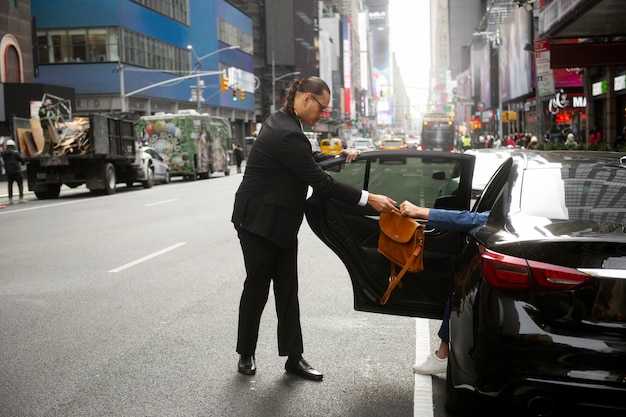

Best first step: take the Q70 SBS from LaGuardia to Roosevelt Ave-Jackson Heights, then transfer to the E train and ride to 34th Street-Penn Station.
Another solid path is the M60 SBS to Harlem-125th Street and connect to the 2 or 3 toward Midtown, then head to 34th Street-Penn or Herald Square. This transit route balances cost and speed and is typically a reliable option for many travelers.
If you want door-to-door convenience, hail a taxi or book Uber/Lyft from the pickup area at LaGuardia. A ride to Manhattan typically costs $40–$60, depending on destination and tolls; add a 15–20% tipping for good service. In high traffic hours, a subway route can be faster.
For a balance of cost and convenience, buy metrocards at the airport kiosk and ride a bus to the subway; OMNY contactless payment covers fare on buses and subways. The process is simple and you can switch lines without juggling cash, adding convenience to your itinerary. This route offers a quick link to central Manhattan for both solo travelers and groups.
Pickup location and other details matter: curbside pickup is clearly marked, and if you travel with just a small bag, a shared option can simplify things. If you’re headed to a 34th Street location, this route often minimizes transfers and walking.
Other options include private car service or airport shuttles to Midtown hotels and Grand Central. These options typically charge by destination, with flat rates or metered pricing; plan ahead to avoid surge pricing during peak hours.
Taxi or Rideshare to Manhattan: Pickup Points, Fare Ranges, Tolls, and Tips
Take a taxi from LaGuardia to Manhattan for a hassle-free, direct ride that provides curbside pickup and drops you at your hotel or destination without detours. Anyone arriving with luggage appreciates the convenience, because you don’t need to shuttle between trains. The pickup points are clearly marked outside each terminal, with separate stands for taxis and ride-share services; follow the signage or ask a staff member if you’re unsure. As you walk around the arrivals area, you’ll notice renowned yellow cabs ready to roll and ride-share drivers circling the designated lanes for quicker access.
Pickup Points: Taxis line up along the curb outside all terminals, while ride-share pickups occur in designated zones near the arrivals area. Terminal A, B, C, and D each provide explicit signs, and staff can guide you to the correct lane. For a smoother experience, have your destination ready in the app or to the driver, and be prepared to show the terminal and level you’re leaving from.
Fare ranges and tolls: Taxis use a meter, so the calculated fare depends on distance, traffic, and time of day. A typical ride to central Manhattan runs around 40 to 60 dollars, with tolls ranging roughly from 12 to 18 dollars depending on the route chosen. Tips are customary and generally range from 10 to 20 percent of the meter total. In a busy case or during rush hours, expect the meter to climb faster, especially if you’re headed toward the avenues in midtown or the megametro centers around Times Square.
Rideshare options: If you prefer upfront pricing, ride-share services give you an estimated fare before you commit. Typically, UberX or Lyft to Manhattan falls in the 25 to 40 dollar range in light demand, while surge periods can push prices higher. For larger groups, ride-share services such as UberXL or Lyft XL run around 60 to 90 dollars, depending on demand and hours. Prices depend on distance, time, and how many riders you’re transporting, so you can compare options in the app before you schedule. If you’re traveling during peak demand, alternatively, you might see higher estimates, but you can still choose the most convenient option for your schedule.
Payments, metrocards, and timing: Taxis accept cards and cash, while ride-share apps handle the payment digitally. If you plan to continue to Manhattan’s metro system after arrival, metro cards and metrocards are widely available at kiosks and some convenience stores around the airport area. Regardless of the option you choose, plan for a typical pickup time of 5 to 15 minutes in normal hours; during peak demand, the wait can stretch longer, so check the app or ask a staff member for the current wait in your case. For maximum flexibility, call out your preferred route and destination in advance, because the route you pick affects both time and cost around the avenues and major manhattans streets.
Public Transit Options: M60 SBS and Q70 SBS to Manhattan Subway Connections
Take the M60 SBS from LaGuardia to 125th Street for the closest direct link to Manhattan’s subway network; from there, you can connect to several local lines to downtown or midtown. For travelers targeting eastern Manhattan or the Midtown corridor, the Q70 SBS offers a fast alternative that terminates at the Roosevelt Ave–74th St hub with access to the E, F, M, and R lines.
The M60 SBS operates with dedicated lanes in Manhattan and features queue jumps and all-door boarding along the LaGuardia to 125th Street route, helping passengers avoid heavy traffic. From LaGuardia, board at the airport terminals B, C, or D; the stop near Terminal A is less convenient. The Q70 SBS also uses a dedicated lane in Queens and Manhattan segments, with stops en route to Roosevelt Ave. This option available with OMNY or MetroCard at boarding. In both cases, the fare remains the same as a standard bus.
Travel times vary by traffic. An estimate from LaGuardia to 125th Street on the M60 SBS ranges roughly 25–40 minutes, between pickup and the transfer at 125th Street. The Q70 SBS from LaGuardia to the Roosevelt Ave–Jackson Heights hub typically runs about 25–35 minutes. Potentially, early morning or late-night schedules shorten wait times; during peak periods, buses might be slower than those in an automobile.
Both options connect to major Manhattan subway lines, giving travelers flexibility to reach near destinations with minimal dependence on automobiles. The M60 SBS stops along a corridor with several amenities and transfers at 125th Street, while the Q70 SBS lands at the Roosevelt Ave hub with access to E, F, M, and R lines. For those needing to minimize travel time, the convenience and quick transfers can be decisive, especially when schedule alignments are favorable.
Tip: Check OMNY or MetroCard credit options; compare the two options between your intended destinations; if you are needing to avoid expensive rides from the airport, these buses offer a budget-friendly choice and avoid flight delays. If you prefer speed, aim to ride during peak hours for shorter waits and plan a 5–10 minute buffer at stops to accommodate loading times.
From Terminal to Transit: Step-by-Step Directions to M60 and Q70 Stops
Recommendation: If you want direct subway access, take the Q70 SBS from LaGuardia to Roosevelt Ave-Jackson Heights and transfer to the 7 train. If you prefer Harlem and Midtown connections via 125th Street, ride the M60 SBS to the 125th Street area and then connect to the subway or other public routes nearby. Signs are clear, and the schedule is predictable according to the airport guides.
- From any LaGuardia terminal, locate the curbside stops labeled M60 SBS and Q70 SBS. Follow the signs to the correct bus bays and read the destination boards on each vehicle.
- Prepare payment: use a ticket from a vending machine or tap OMNY on your phone or card; booking a seat on the bus isn’t required, but you can plan ahead for a smoother boarding.
- For M60: board the bus labeled M60 toward Manhattan. Destination signs and onboard screens show the next stops; in doubt, ask the driver or nearby customers for directions to the nearest transfer point.
- Ride to the 125th Street corridor. This area offers convenient connections to other public routes near the north side of Manhattan; you’ll find multiple signs pointing to nearby subway entrances and bus lines.
- Disembark at a stop near your target neighborhood, then walk a short distance to the nearest subway or transfer point. Use the signs above ground and at street corners to locate the best route for your next leg.
- For Q70: board the bus toward Roosevelt Ave-Jackson Heights. The route passes through Queens and ends at a station area where 7-line connections are available.
- Exit at Roosevelt Ave-Jackson Heights and follow signs to the 7 train platform. The station layout uses clear maps and announcements to guide you to the correct transfer.
- Estimated travel time varies with traffic, but plan around 30–60 minutes from LGA to central Manhattan; use live boards or the app for a precise estimate. If you want to save money, public options are reliable; ride-share is available for private, door-to-door service, though spending would be higher.
- If you prefer a private option, booking a ride is simple: arrange a private pickup from the terminal using the ride-share app or a reserved car service. This would meet your need for a very direct transfer but would increase spending compared with public routes.
- Tips for every traveler: signs above the doors clearly indicate the route and next stops; check the number of stops on your way to each transfer point, and consider meeting nearby customers who are navigating the same paths. Also, load a backup plan in case of delays and keep your ticket or OMNY handy for the move to the next connection.
Luggage, Accessibility, and Pace: Handling Bags and Crowds During Peak Hours
Use the closest designated curbside pickup for your ride and travel with a carry-on plus one small bag to keep hassle-free flow from terminal to curb. When you land, head to the ground-transport area that matches your chosen option (taxi, rideshare, or bus) to minimize backtracking and avoid crowding in peak hours. If youre catching a flight, pack a small bottle of water and a foldable tote to handle shopping and security lines without adding bulk. Keep heavier bags on wheels and a standard bag within easy reach to speed payment and exit.
During peak congestion, you typically see longer lines and slower navigating through terminals. To move quickly, use the central corridors and elevators to reach the designated ground-transport zones; expect wait times that increase with crowds, but plan for several minutes of extra time. Those with mobility needs should request assistance in advance; renowned accessibility services at LGA help you move smoothly through baggage areas and hallways.
For luggage handling, keep a compact bag with you and stash the rest in your ride’s trunk or a locker if available. Ride-hailing automobiles often provide a pickup that gets you moving quickly, and payment can be completed via app or card to avoid line delays. Those using taxis will appreciate a standard bag setup and a simple load; both options minimize crowd contact and keep you moving.
Best practice during peak hours: arrive early, plan your route to the nearest ground-transport hub, and choose the option that is typically the most convenient for your destination. If youre heading to central Manhattan, the M60 SBS or Q70 SBS with a subway transfer offers a great balance of cost and speed; however, expect longer waits if lines form. To stay organized, carry a water bottle, map your path, and use a single payment method. This comparison of options shows that flexibility keeps you moving quickly and with minimal congestion, yielding a hassle-free ride to your hotel or office.
Choosing the Best Route: Quick Decision Tips Based on Time, Budget, and Destination
Recommendation: take the Q70 SBS bus from LaGuardia to Roosevelt Ave/74th Street, head to the E train toward Manhattan, and exit at 34th Street–Penn Station; this quick, simple route would get you into midtown within 60 minutes most hours, keeping congestion to a minimum and avoiding extra road hassle.
For those who would rather avoid transfers, ride-sharing is an option; however, traffic can significantly extend the ride and make the final cost higher during rush hours. If you want a straightforward plan that minimizes delays, the subway-based route is usually faster when roads are congested.
Check faqs from the company for information on transfers, hours of operation, and any updated routes. The choices would usually be simple to compare: a budget-friendly bus/subway combo, or a door-to-door ride-sharing option that would be faster in tight traffic conditions.
Fast decision tips
If you value speed and you have a tight schedule, opt for the Q70 SBS plus E line to 34th Street; it heads straight toward midtown with a predictable flow of buses and trains. If your budget is tight, prioritize the MTA option (bus plus subway) to keep costs low, even though you may ride longer. If you’re navigating with luggage, ride-sharing offers a comfortable, direct ride, but plan for possible surge pricing during peak hours. In all cases, consider the destination within Manhattan–34th Street is usually a good anchor for midtown and the Grand Central corridor.
Option comparison
| Option | Route | Typical time | Approx. cost | Pros | Cons |
|---|---|---|---|---|---|
| Ride-sharing / taxi | LaGuardia → Manhattan (door-to-door) | 40–90 min | $25–$70 | Private space, direct head to destination | Expensive during congestion hours, variable ride quality |
| Q70 SBS + E train | Q70 SBS to Roosevelt Ave/74th St, transfer to E toward Manhattan, exit 34th St–Penn Station | 45–60 min | $3–$8 | Fastest straight path to midtown, minimum road time | Transfers needed, stairs/escalators, wait times |
| M60 Bus + subway | LaGuardia → M60 to transfer point, subway into Manhattan | 60–90 min | $3–$8 | Very low cost, frequent service | Longer ride, more transfers, potential delays |
| Private shuttle / car service | Direct private transport to your Manhattan destination | 40–70 min | $40–$90 | Privacy, predictable pickup, luggage-friendly | Higher cost, availability varies |
Final takeaway: use the Q70 SBS + E route for a balanced mix of speed and cost, especially if your destination is around 34th Street. If you need privacy or have a tight schedule and can afford it, ride-sharing offers flexibility. For the lowest cost, the bus/subway combo is designed to minimize expenses, even with a few transfers. information you gather from faqs and the company will help you tailor the choice to your specific hours, destination, and group size.
Comments