
Rio de Janeiro Airport Transfers - Private & Shared Options
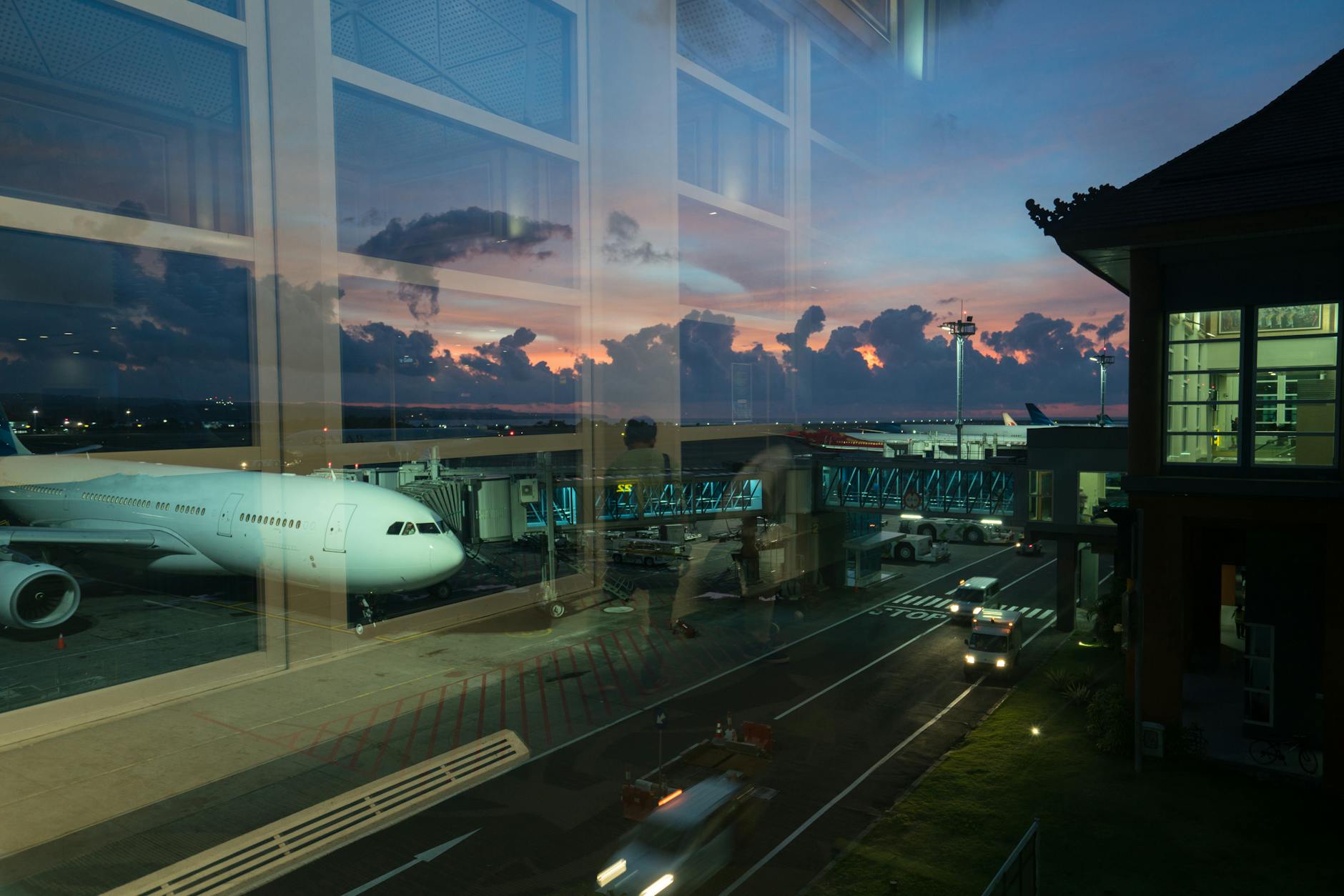
For arriving travelers, select a private transfer to guarantee door-to-door service and a fixed price. This option saves time, reduces stress, and keeps your date of arrival predictable, especially if you travel with luggage or a group of people. If you plan travel on a tighter budget, a well-organised shared shuttle or a reputable ride app option can work well, and you can coordinate with others on the same route. arriving guests, this choice makes sense.
The two Rio airports offer different vibes. Santos Dumont, the oldest operating airport, sits close to the centre and caters to domestic flights, while Galeão (GIG) handles most international services and sits farther from the city centre. If you arrive at SDU, you’ll often reach the popular central districts quickly by taxi or ride‑hailing; from GIG, plan for a longer ride up to an hour in peak days. Note that there is no direct metro link to the airport yet, but nearby metro stops and a short shuttle can access the centre. For arriving guests, this approach helps set expectations.
From the airport to the South Zone – Copacabana, Ipanema, Leblon – travel times typically range 40–60 minutes in regular traffic, while the centre can be 20–35 minutes. If you arrive with family or friends, a private transfer is often faster, since the driver waits with your bags and guides you straight to your hotel; a shared shuttle to nearby neighborhoods runs on a fixed timetable and can be a few minutes slower but still convenient for travellers with flexible dates.
When choosing, think about your days and your date of arrival. If you want to travel light and avoid waiting, book a private transfer in advance; for groups on a budget, select a regular shared option with a fixed timetable. Both options offer door-to-door access and can drop you near a park or the Lagoa lakes area, where you can enjoy a beautiful view and easily access nearby attractions. For travellers staying in rural outskirts or in the centre, a taxi or ride‑hailing ride after a shared transfer can finish the transfer.
For people arriving during busy seasons, these services operate daily and can be arranged to meet the date. If you want to travel with your party together, a private option makes it simple to keep everyone together from the arrivals hall to the hotel. If you prefer a social option, a regular shared shuttle can drop you off in the most popular zone and give you a feel for the city without spending a lot of time in transit. This approach helps you access the centre and nearby areas quickly and adds flexibility to your itinerary.
Rio de Janeiro and Curitiba Travel Transfers: Private, Shared, Buses, and Local Guide
Book a private door-to-door transfer from Rio de Janeiro's GIG or SDU to your center hotel to avoid delays and secure a predictable arrival time, even if your flight lands late. This approach keeps you in your zone of comfort from the moment you land.
Private transfers use a dedicated booking system with a driver who meets you at the arrivals area; choose a sedan for two, a minivan for families, or a larger van for groups. Prices typically range from 250 to 450 BRL for Rio centre routes, with higher figures for outer districts or multi-destination stops, and you receive a clear ticket or confirmation before you travel.
Shared transfers cut costs but involve a few stops at stations or hotels along the way; plan for roughly 90 to 150 minutes of travel after pickup, depending on traffic and how many fellow passengers are joining. They suit travellers who want access to reliable service while keeping the price per person lower.
Long-distance buses connect Rio and Curitiba from the Novo Rio terminal in Rio to the Rodoviária in Curitiba; travel times can span several hours–typically 6 to 12 hours depending on the route and stops–with ticket prices often in the 120–260 BRL range. Tickets can be purchased online or at the terminal, and the schedule is published for days ahead, so you can align your plan with your other city visits.
A local guide adds value for day trips around both cities, focusing on destinations, parks, and trails that match your interests. Guides can tailor routes to include citys highlights, the closest stops to popular attractions, and optional bike rides on bicycles to explore parades and park trails, even near paraná regions or janeiro-area spots.
Getting around efficiently means aiming for transfers that provide easy access to the main centres and stations; whether you stay near the centre or in quieter districts, verify which stops are included and how to reach your hotel or next destination. These options also help you plan ahead for domestic connections or multi-city itineraries, ensuring you remain on schedule while visiting diverse destinations and enjoying convenient citys coverage from the airport to the park, from the station to your hotel, and beyond.
Private vs Shared Rio de Janeiro Airport Transfers: How to choose, what's included, and booking tips
Choose private transfers for a smooth, door-to-door experience from arriving at Rio de Janeiro’s airport to your hotel. The driver meets you in the arrivals area with a name sign, and you head directly to your vehicle–the closest pickup point is the arrivals hall. This setup keeps your group together, minimizes sidewalk waits, and gets you to your location without detours.
Private transfers include a fixed price and access to a vehicle that fits your group. You rent a sedan for 1–2 people, a minivan for families or up to 6, or a larger coach for bigger groups. Luggage help is standard, and you control the route with minimal stops unless you request them. Basic packages cover the essentials, and you’ll know the total before you arrive, without surprise charges.
Shared transfers present a lower per-person cost but involve stops at multiple hotels along a fixed route. These options suit solo travelers or small groups aiming to save, though you should expect longer travel times and occasional waiting for others. The service runs between arrivals and your destination, and stops can affect neighborhoods you reach last, especially if you stay in Copacabana, Ipanema, or Leblon.
How to choose? Size your group and budget against your time needs and hotel location. If you stay in a popular neighborhood and want the fastest, most predictable access, private transfers are known for speed and convenience. If you travel with a small party or want to stretch your budget, these options let you compare costs across providers and pick the best fit.
Booking tips: compare 3–5 companies, verify the exact meeting point in the arrivals area, and insist on a fixed price that includes waiting time for arriving flights. Provide your flight details, first arrival time, and the number of people to ensure the vehicle type matches your needs. Read cancellation terms and confirm how luggage is handled. Consider adding a stop at a museum or a winery if your plans include a day trip around the area. For travelers from Blumenau or Curitiba, point out any multi-city legs to ensure smooth handoffs and arrival access at your destination.
If you’re arriving late at night or during a busy event, ask about 24/7 support, driver language options, and what happens if a flight is delayed. Knowing these details helps you avoid extra charges and delays, and it keeps your transfers from becoming a hassle. Whether you choose private or shared, you’ll find options that match your location, budget, and schedule–and you’ll make the most of your stay in Rio without unnecessary stress.
Cheap Bus Tickets to Afonso Pena Curitiba Airport: Routes, operators, fares, and schedules
Take the direct airport bus from Curitiba centre to Afonso Pena; it’s the cheapest transport option to reach the airport, and departures run on a predictable hourly rhythm.
Routes and terminals: The primary service starts at Curitiba Central Bus Terminal and heads toward Afonso Pena International Airport, with limited stops in popular areas and near hotels, which makes access easy for travellers staying in the centre. A secondary route serves key neighborhoods on the east side, linking hotels and transport hubs for a cheaper option if you’re not near the direct line. The following stops are common on busy days: Centro, Bairro Jardim Botânico, and São José dos Pinhais streets leading to the airport. In good weather, the ride offers a beautiful view along the approach to the airport, and the trip remains comfortable for most people. For travellers in the dumont area, these options are particularly convenient.
Operators: Two known operators often manage the route: Expresso Aeroporto and CentralBus Linha Centro. These providers run daily services and boost frequency on peak days or when a major event fills the terminals. Tickets can be bought at terminal counters, via their apps, or online; these options offer flexible purchase choices. Both operators are known for punctual departures and comfortable seating that keeps you relaxed during the 40–60 minute ride.
Fares and access: Typical one-way prices range from BRL 6 to BRL 14, depending on distance and time of day. Most fares allow one free carry-on bag and a practical space for luggage; you can save by buying a return ticket or a combined city-tour pass if you plan multiple movements in a day. If you stay in popular hotels along the route, this transport links you directly to the centre and the airport, which is very convenient for event days with heavy traffic. Prices and promotions follow the days of the week, with the best prices often found in the mornings and evenings when demand is lower.
Schedules and tips: Buses typically depart on the hour or every 30 minutes from early morning until late evening; on event days, schedules extend to handle bigger crowds. On weekdays, service starts around 05:00 and ends around 23:00, while weekends may have slightly shorter windows but maintain steady frequency. For the fastest ride, choose the direct line; alternatively, take a feeder route if you’re staying in a neighborhood that aligns with the stops. Keep your ticket handy, and plan a return if you’ll be moving back into the city centre. This transport is a reliable option to access the terminals without the stress of city traffic.
Practical notes: If you’re staying near the centre or the dumont area, these lines provide straightforward access to the terminal; stops are located near major transport hubs and hotels, making it easy for people who want to reach the airport comfortably. For travellers who want more flexibility, a day-pass or return-ticket option from these operators can simplify a multi-day stay in the centre. These routes also connect with tours from the centre for guests who want to combine an airport transfer with a quick day of sightseeing. Always check the latest timetable at the operator’s site or at the Curitiba Central Bus Terminal at least 24 hours before your trip to confirm stops and prices.
Getting Around Curitiba by Car: Car rental tips, parking, tolls, and driving etiquette
Car rental tips
Rent a compact auto for Curitiba to keep parking quick and costs predictable. Choose a small model, such as a hatchback, so you can fit in tight spots near hotels and at curbside drop-offs. This lets you visit destinations like Pinhais and Blumenau on flexible schedules. Make a simple route plan that covers central sights and the outskirts in about an hour or two, since traffic can vary. This helps you return with time for flights or a relaxed evening.
Book in advance, compare rates, and choose a full-to-full fuel policy. Verify insurance coverage, mileage limits, and driver requirements. Bring a valid license and an IDP if required, and carry your passport or ID. If you pick up at the airport or in the city, use apps to compare deals and look for fixed-price options to avoid surprises. For reliability, choose a common model such as a small auto or sedan; ensure the car has GPS or use your own apps for navigation. This approach makes trip planning smoother and reduces stress when you must adjust the route to include a quick detour to Pinhais or another suburb. On pickup, inspect the car and board the vehicle only after you confirm the model and the plate match. Also, check the fuel level and the damage report so you can file any issue at return; this must be noted on the contract. Also, consider adding an extra driver and download the rental company app for updates.
Parking, tolls, and etiquette
Parking options in Curitiba include official lots near hotels and malls. Use blue zones with paid slots and pay via apps or card. Park for around an hour or two, and note that time limits apply in many areas; keep a receipt for expense reports if needed. In Pinhais and other suburbs, expect a mix of on-street and garage parking, so check signs before leaving the car. When using toll roads, have a card or app ready; some lanes accept contactless payments and you can confirm the route's cost, approximately, via your mapping app. The advantage of planning ahead is smoother exits from the city to nearby destinations, whether you’re heading to Blumenau or back to Curitiba after a hotel stay.
Driving etiquette: Drive on the right, stay in marked lanes, and keep seat belts fastened. Do not use a phone while driving unless hands-free; observe speed limits in city zones (roughly 50 km/h) and on highways (up to 100–110 km/h where posted). Watch for pedestrians and cyclists, especially near hotels and shopping areas. Be mindful of double-decker buses in central corridors; give them extra space. It's also wise to park in official lots near major hotels to reduce the risk of fines. Always return the car with a full tank if the policy requires it; this saves you from extra charges at the end of the rental. For flights later, schedule your return to the airport with ample time.
Tours Near Curitiba and Attractions in Curitiba: Top day trips, must-see sites, and how to reach them
Recommendation: book the Morretes trip by Serra Verde Express for a classic, very accessible day from Curitiba and a traditional barreado lunch in town.
From Curitiba, you have several ways to explore the region. The Serra Verde Express train runs through the Serra do Mar to Morretes and is known for its extremely scenic views. If you prefer flexibility, a private transfer or a rented auto gives you control over timing and stops. Public buses and shared tours are convenient and affordable, with terminals and pickup points clearly labeled at the city center. Be aware that boat departures to Ilha do Mel can be limited in the off-season, so call ahead to confirm schedules.
-
Morretes and Serra do Mar by train
- Known for dramatic forest canyons, the route leaves Curitiba and climbs into green hills, offering photo-worthy views through the windows. Travel time is about 2 hours to Morretes, with a return window that fits a full day. The town’s center is compact, with plenty of traditional cafés and riverside strolls.
- How to reach: ride the Serra Verde Express from the Curitiba station, or combine with a private transfer for a door-to-door option. Pricing varies by class and season; call the operator for the latest per-person rates. If you rent an auto, plan to park in the terminal area after the return trip.
- What to do: walk the historic streets, try barreado at a riverside restaurant, and consider a nearby stop in nearby Antonina for a coastal twist. For a very smooth experience, choose a combo that includes Morretes and a nearby overlook for a dumont-style panorama (ask your guide about lookout spots).
-
Ilha do Mel and Paranaguá coastline
- The ilha do Mel is a known island, famed for pristine beaches and simple beach shacks. Reach it by boat from Pontal do Sul or Paranaguá, with a typical day trip including a couple of beach breaks.
- How to reach: start with a taxi or private transfer from Curitiba to Paranaguá or Pontal do Sul, then hop on a boat (check in advance for limited departures). Expect a total day plan that blends transit time with island exploration. Boat terminals in Paranaguá operate through the day, but schedules can be limited on weekdays.
- What to do: walk to Fort Nossa Senhora dos Prazeres, enjoy the calm coves, and swim off long stretches of sand. Bring light gear, and consider renting a kayak or bike on the island for extra flexibility.
-
Guaratuba coast and nearby beaches
- Guaratuba offers lush beaches and river estuaries within a two-hour drive of Curitiba, making it ideal for a relaxed day trip or a multi-stop itinerary.
- How to reach: use a private transfer or rent a car to travel along the scenic coastal road. There are nearby lakes and lagoons to explore if you extend the trip. For a comfortable option, book a transfer that includes a stop at a nearby lookout or small town for lunch.
- What to do: stroll Caiobá Beach, take a short boat ride to nearby islets, and enjoy fresh seafood. The town center hosts shops and casual dining–great for a relaxed day with the family or a small group (per person pricing varies by service and season).
-
Blumenau and Joinville: a cross-border Santa Catarina day plan
- Blumenau and Joinville are nearby cities with strong German influences, historic architecture, and family-friendly museums. A long day trip is possible if you start early; many travelers combine one city with a quick stop in the other.
- How to reach: private transfers or a rental car let you visit both cities in one long day. If you prefer public transport, check long-distance bus options or organized tours that pick up at central terminals. Pricing varies, with private options offering more comfort and schedule control.
- What to do: Blumenau’s Vila Itálica and the German-influenced row houses, and Joinville’s museums and parks. If you’re traveling with kids or a group, a guided tour can help you cover the highlights efficiently (call the tour operator to confirm availability).
-
Nature and lakes near the city: easy add-ons
- Several scenic lakes and rivers flank the Curitiba basin, providing easy add-ons to any day trip. These stops work well when you rent a car or book a private transfer with a flexible route.
- How to reach: plan a loop that includes a lake stop on the way back from a coastal or mountain excursion. The routes through the Serra do Mar offer frequent photo opportunities and nearby trails, ideal for a relaxed pace.
- Tips: choose a plan that combines nature walks with lunch in a nearby town for a balanced day. Prices for day-long private transfers can be bundled per person or as a group rate, with discounts for larger parties.
Practical tips to tailor your visit: pick your city and trip length based on your group size, budget, and access to transport. If you want maximum comfort, private transfers or a rented auto with a driver give you the most control. For limited budgets or a social vibe, join a small group tour that covers the main sights and provides helpful local commentary. When planning, consider the nearby terminals and bus depots, and call the operator a few days ahead to confirm event schedules or seasonal boat runs. There’s no metro option for these trips, so plan with road or rail routes instead. If you visit during a peak event, arrive early to secure space and avoid crowds. For family trips or groups, negotiate group pricing and hold a few seats in reserve if possible. Their schedules can vary by season, so check the latest through the operator’s site or customer service line.
Local Information for EAC14 and Accommodations: Where to stay, transport options, and services nearby
Base in Centro or Copacabana for the EAC14 stay to minimize times and maximize access to metro stations, attractions, and services after arrival.
Where to stay
- Centro – closest to several transit hubs and museums, with a good mix of standard hotels and value options. From here you can start your route to multiple destinations, visit nearby attractions, and still have easy access to malls and cafes.
- Copacabana / Ipanema – beautiful beaches within a short ride to stations; high-quality options exist at a range of costs. Choose ones near a metro stop for quicker, reliable transport to Lagoa and other zones.
- Flamengo / Botafogo – calmer evenings and easy access to the Lagoa area, Rio Sul mall, and diverse eateries. These areas offer good transport connections to the centro and other destinations.
Note: some listings may show batel in the property name; verify the city and proximity to stations to avoid misbooking.
Transport options
- Arrival transfers – private transfer provides the easiest arrival means, especially after a long flight. Taxis and rideshares are reliable, with a typical arrival time from GIG around 40–60 minutes and from SDU about 15–30 minutes, depending on traffic.
- Public transport – the metro network offers fast connections to the centro and beach neighborhoods; supplement with buses where needed.
- Private and shared options – prepaid private transfers ensure a smooth handoff at arrivals; shared shuttles offer a lower cost, but expect longer routes and wait times.
Nearby services and attractions
- Malls – Rio Sul Shopping in Botafogo and Shopping Leblon near Leblon provide shopping and dining options within easy reach of popular zones.
- Attractions – Museo do Amanhã and Theatro Municipal are accessible from Centro; the scenic Lagoa Rodrigo de Freitas offers lakeside promenades and birdlife for a relaxed visit.
- Culture and museums – plan visits to the museums and cultural centers clustered in the centro and nearby bairros; evening performances add to the experience.
- Lakes and routes – Lagoa and surrounding parks form a beautiful route for a daytime stroll or a bike ride between attractions.
- Tours and day trips – guided routes often include visits to local attractions and, for those interested, day trips to nearby wineries or scenic stops; these follow a practical plan that fits your visit window.
Practical planning tips
- Choose ones in central zones to shorten transit times since you’ll rely on transport to reach destinations like museums, lagoas, and beaches.
- Verify the route from your hotel to the metro station to ensure a smooth start to each day of your trip.
- Consider a light schedule for arrival day to recover from travel and still visit a key attraction nearby.
- When booking, weigh the cost and comfort of private transfers against public transport, especially if you have luggage or a tight itinerary.
Rio de Janeiro Airport Transfers and Transport Guide: Taxi reviews, door-to-door service, carpooling, and cancellation options
Book a private door-to-door transfer for a seamless start to your trip. A driver meets you at arrivals, carries bags, and drives directly to your hotel or destination without detours.
Taxis are plentiful at GIG and SDU, but fare accuracy varies with traffic and route. Choose taxi options with a visible meter or a pre-arranged price before leaving the terminal; verify the route via google maps to avoid surprises and check the driver’s rating when possible.
Shared transfers, including popular carpool lines, reduce cost but introduce stops at several points along fixed lines (linha). They work best when your plan centers on a single corridor, such as from the terminal to the city center, with limited stops. Those who travel with luggage may prefer private service for comfort.
When planning, consider the date and time of your arrival, traffic patterns, and events in the city. Return trips can be scheduled with the same provider; many offer cancellation options if plans shift. In cases where your visit includes pinhais, batel, or other areas, confirm that the chosen service covers those zones; some routes are not direct and involve extra stops.
| Option | What you get | Pros | Cons | Typical price (BRL) |
|---|---|---|---|---|
| Private door-to-door transfer | Meet at gate, luggage help, direct to hotel | Comfort, speed, holds the schedule | Higher cost | 150–300 |
| Taxi (meter or fixed price) | Direct ride with driver from terminal | Widely available, flexible | Fares vary, traffic affects time | 60–350 |
| Shared shuttle / carpool | Ride with others along fixed lines | Low cost, good value for flexible plans | Stops, longer travel time | 40–120 |
| Metro + ride-hailing | Combo of rail to central stations and private ride | Low base cost | Transfers, luggage handling | Low + ride cost |
Which option fits which traveler
First-time tourist with luggage should pick private door-to-door for comfort and reliability. Those seeking budget options can consider shared lines but should check the timetable and possible stops. For quick transfers between terminals or to cruise ports, a taxi on the meter can work if you stay alert to fare estimates.
Cancellation and practical tips
Cancellation options vary by provider; many offer free cancellation up to 24 hours before pickup. Always confirm pickup location at the terminal and the meeting name to avoid holding delays. If flights shift, request a provider that can hold pickup times or adjust the schedule. For visit plans that include boat connections or a later return date, check whether the service can accommodate your schedule and cover areas such as pinhais and batel.


