
Public Transportation in Rovaniemi - A Practical Guide to Getting Around the Arctic City

Start with a paid day pass and use real-time updates on the official app to map your rides. In Rovaniemi, express services connect the place center with key destinations like the airport, Ounasvaara, and Santa Claus Village. For riders, the network keeps travel compact and predictable, even in snowy march weather.
The policy stays simple: fares are paid on board or through the official app. A single ride costs a few euros; a 24-hour card covers multiple hops within the distance you need, with discounts for students or families. Many riders appreciate the real-time updates showing status and arrival times, helping you plan connections to flights or to a future abroad trip.
For destinations like the city center, airport, and Santa Claus Village, rides typically last 15–25 minutes. They are very quick in practice. During peak hours buses run every 15–20 minutes, and off-peak intervals stretch to 30–40 minutes. In march, daylight grows and service remains steady, though snow may cause occasional delays–check the app for real-time updates before you head out.
Practical tips: consider the convenient level of service and plan routes across multiple hops with the same pass. If you arrive from abroad (france or other countries), the airport connection often aligns with short city hops. The app shows status in real-time and lists destinations clearly, so you can switch lines without missing a beat.
By design, Rovaniemi keeps travel simple for foreign visitors and locals alike. Use the express line to reach the airport quickly, or hop to the ski areas along the valley. In winter and early spring, the transit grid remains reliable, with real-time data guiding you to distances and connections that match your travel plan. Soon you’ll move from place to place and reach destinations with ease, even if you are visiting abroad for a short break.
Ticketing options and validation in Rovaniemi
Get a ready digital ticket before you travel and keep it in your phone for quick checks on every ride. Use linkkari or the official transport app to buy and store your pass–easy to use and reliable.
Where to buy and how to validate
Tickets come as various options: single-ride, 24-hour, and multi-day passes. In addition, a seasonal pass covers seasons like autumn and kaamos, and you can select distance based on your travel needs. For short hops in Rovaniemi, a single-ride fare is cost-effective; for a week of transport, a 7-day pass provides more value. The routes run through urban areas and nature-rich outskirts, letting you choose a fast city link or a scenic transfer.
Real-time updates guide you through the system: check schedules and track vehicle arrivals in the app, and validate your pass with a quick scan on boarding or at the reader on stops. The process is reliable and quick, and customers receive a confirmation in the app. If you travel through oulu or go to kaamos areas, keep the same pass; it works through the whole network as long as it is valid. The addition of on-board validation helps you avoid delays.
Seasonal considerations and tips
Prices vary by distance and season; november light and arctic darkness influence travel patterns. During arctic november, plan ahead for shorter daylight and limited service; check real-time schedules in the app for the next bus or transport option. Official timetables are published and updated, and you can compare options to choose comfortable routes, possibly even luxury rides on longer links if you need it. For longer trips to oulu, use the same ticket and stay connected through the network so you can switch as needed.
The system supports sustainable travel by avoiding cash handling and reducing paper waste. Official data streams provide real-time updates on vehicle locations, so you can time arrivals and minimize waiting. For customers arriving via finnair, plan to link flights and ground transport with your pass to travel smoothly.
Welcome to Rovaniemi: the transport is dependable, the process is simple, and you can easily adapt to the arctic conditions and varying seasons with a single ticket that fits your trip.
Where to catch buses and how to identify stops
Catch buses from the central bus plaza in the city center. Look for blue panels showing the stop name, region, and zone, with route numbers and arrivals clearly listed.
To identify a stop, read the board clearly: the name is on the top line, followed by region and zone, then status and arrivals.heres pattern you’ll see: name, region, zone, status, arrivals. Drivers usually greet guests and mind the cabin; keep luggage close and stay a step back from the curb when a bus approaches. If you miss a connection, skip to the next arrivals. Stops like these can feel welcoming, and learning the layout here makes travel through the northern nature easier. Learn here how to read the timetable and understand the signs on every stop so you can travel with confidence.
From kemijärvi connections, the central hub handles intercity lines, and northern routes fan out toward small towns and scenic spots. Northern services typically operate from early morning to late evening, with more frequent arrivals on weekends. Even small routes have clear signage. Note a timetable update on 22nd november that may affect late-evening departures; always check the status board before you head out. If you’re traveling with luggage, consider the plane option for longer trips and plan according to luggage size; this helps with storage and comfort for guests who read experiences from each ride. Many stops offers sheltered seating to make the wait more comfortable.
| Stop | Region | Zone | Typical arrivals | Status | Notes |
|---|---|---|---|---|---|
| Rovaniemi Centre | Lapland region | Central | 5–10 min | Active | Near town hall; easy transfers; luggage nearby |
| Koivunkatu North | Lapland region | Northern zone | 6–12 min | Active | Blue signs; intercity routes 25/41 |
| Ounasvara | Lapland region | South zone | 8–15 min | Active | Evening service limited |
| Kemijärvi link | Lapland region | Intercity | 20–40 min | Seasonal | Transfer to longer routes; check status |
Practical tips for riders
Read the signs at each stop to confirm the exact name you need. Tickets are often scanned on board or shown on a mobile app; carry a ticket and have it ready to show the driver. If a bus is full or late, you can wait for the next arrivals pane and plan from here. This approach helps guests and locals alike learn experiences from multiple trips and keep a steady travel rhythm, even on the northern routes.
Interpreting timetables, frequencies, and service hours
Plan ahead: check the official timetable online before you travel. year-round, matkahuolto and local operators publish fixed routes with day-type notes that reflect patterns on weekdays, weekends, and holidays. mind transfer times and read notes on each line to avoid missed connections.
heres a practical approach to reading timetables: line numbers, destinations, and stop sequences; align these with the first and last departures for your travel day. those times show when service starts and ends. Typically, daytime headways are 15–30 minutes in the city center and 30–60 minutes on outer corridors. In winter, weather can shift times slightly; expect minor delays, but core links remain reliable.
For travelers arriving by plane, plan to connect at the airport or central depot; finnish and English signs on the official timetable help passengers. On the 24th and 29th, some routes reduce service, so verify the day’s notes. The rate varies by zone; use the official app or Matkahuolto counters to confirm fares and transfer options. If you’re visiting from norway, a single ticket often covers the first leg into town; seasonal routes and ryanair services are shown in the timetable with fixed times.
Practical planning and tips
Carry light bites for waiting periods, and stay aware of where you can refuel along the route. If you plan to bike around the city, verify bikes on your line and space constraints on buses. In northern Rovaniemi, the highlight for a tourist experience is the straightforward loop around the market area and Arctic Trail connections, which helps you structure day trips around daylight hours.
Staying warm: on-board comfort and seating

Dress in layered warm clothing and carry a compact travel blanket. This straightforward approach keeps you comfortable from boarding to arrival at your stop.
Seat selection matters. Choose seats near the center for even heat distribution. Avoid seats directly behind doors; if the cabin feels cool, use overhead vents to direct warmth toward your torso. If you want to skip heavy layers at the start, you can adjust over time, but keep a small layer accessible.
Seasonal differences shape comfort. In winter, an extra scarf and insulated gloves help; during a summer or shoulder-season evening, a light layer plus adjustable climate control keeps you balanced. If the bus runs hot, you can open a window where allowed or tune vents to avoid overheating. However, vent patterns vary by bus model, so adjust promptly to stay warm.
Plus, know what the operator offers. Some routes provide blankets or hot drinks as a seasonal offering; others may assist guests by providing items on request. If you travel abroad or on international routes, staff can help you reach the right location in the cabin and answer questions directly.
Assistance and accessibility. If you need extra warmth due to a medical condition or a long trip, ask the driver or conductor for assistance; they can guide you to a seat with better heat or point you toward the nearest warm facility at a transfer stop. Their guidance often covers options at locations along the route.
Arrival planning. For arrival in Rovaniemi, check the timetable for peak times; seat near the center can reduce drafts as doors open at long stops. On long trips, keeping a spare layer handy helps you stay comfortable between routes and locations.
Travel context. Sustainable travel habits matter: packing a reusable blanket and layering minimizes waste. If you are arriving from abroad, Finnish buses often offer straightforward comfort options in winter seasons; availability might vary by location. The cost of extras like blankets varies; check the route page for details. This approach might help you reach your destination in good shape and ready to explore.
Accessibility: accommodations for wheelchairs, strollers, and seniors
Plan ahead: check the official accessibility page of the transport operator, and dont hesitate to call the help desk to arrange boarding assistance. Most city buses in Rovaniemi are low-floor and include a ramp; there is a designated wheelchair space near the front that also fits a compact stroller. Drivers can secure a chair and guide you to the best seat and may help with a portable ramp on a transfer. For international travelers arriving from milan, confirm the accessibility of the next leg and ask for assistance if needed. The status of lines is generally standard, and english tips are posted on the site to help you navigate. In addition, skip the traffic by arriving 5–10 minutes early at the stop for a smooth start. Note that some schedules update on the 27th of each month, so always double-check before you go.
Onboard accessibility and seating
Boarding works best when you clearly identify the wheelchair space and keep it clear for the chair or stroller. The front seats offer priority access and easy reach to the doors; foldable strollers fit beside the wheelchair area when space allows. Seniors often prefer seats with back support near the front, so request these if you need extra comfort or easier exit. When tours or trains are involved, choose options that explicitly advertise accessibility; many popular english-language tours provide full accessibility and a smooth photoshoot experience. If you travel during kaamos or winter, ask for the warmest seating area to stay comfortable while you move.
Seasons, routes, and planning tips
Seasons dictate daylight and crowd levels; in arctic summers, daylight lasts long and schedules are stable, while kaamos periods reduce visibility–plan with the timetable in advance. For longer trips, consider integration with railway options; the railway network around Lapland provides accessible carriage options and easy transfers. Always purchase tickets in advance when possible, as full accessibility options can sell out on busy days, and check for english-language tips on the operator site. If you need an extra keep-ready plan, heres a quick checklist: confirm start location, reachability at your stop, and speak with the driver on arrival so you can start with a calm, well-paced pace. If you’re organizing a group, a small safari or city-tour with accessible vehicles adds flexibility and lets you capture photos without hassles; this is especially useful during summer when photoshoots are popular.
Night, weekend, and holiday service schedules
What to expect
Check the official timetable the night before you are travelling to avoid missed connections. Night buses operate on Fridays and Saturdays from about 22:00 until 01:00, with a typical frequency of 60–90 minutes; on Sundays and holidays service ends earlier, around 23:00–00:30. In october, daylight is short, so plan around the dark hours. Routes cover the city centre and nearby hotels, and an airport shuttle runs after late-flight arrivals when available; read the timetable to confirm the shuttle's number and times. For those travelling to kemijärvi or other nearby towns, verify line numbers and transfer options, since some services operate only on select nights. If you arent staying within the city zone, plan a transfer or hail a shuttle from a central stop. This schedule helps visitors and tourist alike plan safe, smooth nights, and international travellers should align arrival times with the last service to avoid missing connections.
Practical tips for night travel
Bring bags and snacks; payment is typically by contactless card or a mobile app, with some buses still accepting cash. Locate the number on the stop board to identify the correct vehicle. If you arent travelling alone and need to keep track, use the shift's time window to choose lines that serve your hotel or nearby stops. If you drive, mind icy conditions; driving at night can be riskier. read the timetable at the station or online, skip detours, and choose the line that serves your hotel or nearby stop. For eurowings passengers landing internationally, check your arrival time and the shuttle options; 18th October schedules can vary around holidays, so confirm in advance. Nearby hotels in the city centre are typically within a 10–15 minute walk of the main stops, and most shops along the route stay open for late arrivals. If you need to travel outside the zone, a short shuttle from a central hub is often the easiest option.
Digital tools: apps, payments, and real-time updates
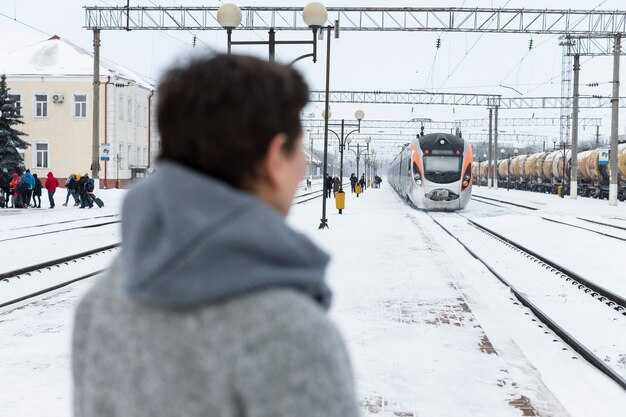
Use the official Rovaniemi transit app to check live departures, buy tickets, and receive real-time alerts; this keeps your plan flexible, and your day in the city comfortable.
Apps and planning
- The app pulls live data on locations and next arrivals, helping you choose the fastest route through town.
- It links to official websites that publish timetables and service notes, including seasonal changes in october.
- Bike stations, where offered, appear in the map, letting you combine bus rides with bikes for a sustainable, full-day plan.
- For international travelers, it shows plane connections and transfer times so they know when to move between locations; milan trips are sometimes bundled with rail options.
- ryanair schedules to Rovaniemi are reflected in the transit data when applicable, offering flexible options for groups and solo travelers.
- Travellers can use the app to learn about customs and border checks if their route crosses borders, ensuring smooth transitions.
- They can also set alerts for delays and platform changes, so they never miss a connection.
- For groups, there are group passes that simplify booking and sharing rides among several people.
Payments, tickets, and real-time updates
- Payment methods include card and mobile wallets; saved methods speed up boarding and reduce queues, ensuring you stay on schedule.
- Ticket types cover single rides, day passes, and group passes; you can tailor purchases for seasons like october and beyond, with no guesswork.
- All services operate across the network and accept payments through the app or at ticket machines, ensuring quick access.
- Push alerts notify about delays or detours, helping you stay on time and avoid missed connections.
- The in-app map shows routes across locations, enabling great multi-leg trips with minimal effort.
- norway travelers will find the interface intuitive, and it supports cross-border planning when needed.
- When coming by plane, you can coordinate airport transfers with the same tool, keeping time management smooth.
- Using these tools supports sustainable travel: fewer missed connections, more comfortable travel, and a full city experience.


