



 English (UK)
  Русский
  العربية
  日本語
日本語  한국어
한국어  Magyar
  Türkçe
  Español
  Čeština
  Svenska
  Português
  Ελληνικά
  Suomi
Suomi  Nederlands
  Română
  Italiano
  Français
  Polski
  Українська
  Deutsch
  简体中文
简体中文  Slovenčina
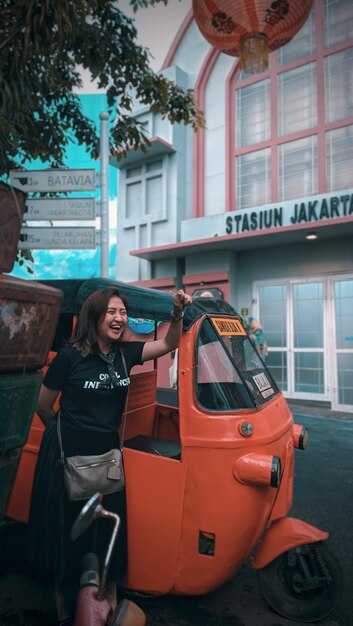
From the airport, take a licensed taxi or a ride-hailing app to manggarai station, then switch to rail or buses to reach central districts. If you have baggage, request a sedan so your bags stay by the door, and you can move smoothly after you arrive. If you plan to drive later, you can arrange a car hire at manggarai and set up your route with confidence.
For cheap options, buses and the well-known TransJakarta network cover most routes across the city. You can find boarding points along major road corridors; prices start around 3,000–7,000 IDR per short hop, with longer trips costing more. Just tap your card on entry, and you’ll glide through the traffic with relative ease.
For faster, door-to-door travel, taxis and ride-hailing apps remain popular, especially late at night when trains slow down. Typical rides within central districts cost 40,000–70,000 IDR, depending on traffic and distance. If you want to ride like a local, riding a scooter is common in dense neighborhoods, but wear a helmet and keep valuables close. Many residents live this rhythm, especially during pre-dawn and evening peaks.
If your plan includes Tulamben or other island trips, you can connect via a domestic flight from Jakarta to Denpasar, then a road trip to the coast. Tulamben offers famous reefs and calm bays; from the airport you can rent a car or join a guided tour. A half-day island excursion on Bali typically costs under 200k IDR, depending on transfers and gear.
Keep a simple plan and find the quickest route by comparing a few options at each step. If you’ve done similar trips before, you’ll move through the city with less friction.
Getting Around Jakarta and Bali: Practical Transportation Guide
Book a gojek ride for most trips between the airport, your hotel, and the mall; it’s fast, cashless, and easy to track in Jakarta and Bali. For november travel, build a plan with buffers to handle traffic.
In Jakarta, Transjakarta offers regular routes with dedicated stops and an electronic map at each terminal. They provide clear route numbers on the signs, and you can find the right line by checking the map. A bird’s-eye view of the network at the stop helps you orient quickly as you board to the next stop.
In Bali, gojek and licensed taxis cover Kuta, Legian, Seminyak, and Jimbaran. For a short hop to the mall or the beach, a driver can be located within minutes. If you want a little circuit, hire a driver for a second route including Kuta, Jimbaran, and a sunset stop, and include the best photo spots. They usually quote a fixed price for the day or a city loop.
For longer day trips or airport transfers, a private driver is the best option; they tailor the route to where you want to go and can drop you at multiple stops. They’ll know where to pick you up, and you can choose to include a few local sights. If you prefer public transport, you’ll find better options in Jakarta with Transjakarta; in Bali, combine ride-hailing with licensed taxis to stay within regulations (note that some pickup zones are banned near busy terminals).
| Option | Where it works | Typical time | Notes |
|---|---|---|---|
| Gojek | Jakarta and Bali (Kuta, Jimbaran) | 5–25 minutes for short hops; 20–60+ minutes for longer trips | Cashless, driver located quickly; great for tourists who need reliable pickup |
| Transjakarta | Jakarta city core and major corridors | 15–40 minutes on popular lines | Regular service, electronic signage at stops |
| Taxi (metered) | Jakarta, Denpasar, and other city areas | 20–60 minutes depending on traffic | Ask for the meter; confirm price for longer trips or airport transfers |
| Private driver | Bali day trips (Kuta, Jimbaran, Uluwatu) | 2–6 hours for loops, longer custom itineraries | Fixed rate; include stops at beaches and viewpoints |
This article aims to help you plan where to go and how to get there with confidence. Penang travelers who rely on clear word signs and app-routing will find the system intuitive; they can translate that ease to Jakarta and Bali trips. If they ask you where to start, a second gojek ride from the airport to a main hub is a solid approach, and from there you can map the route to Kuta or Jimbaran using the same app.
TransJakarta Buses: Routes, Boarding, and Fare Rules
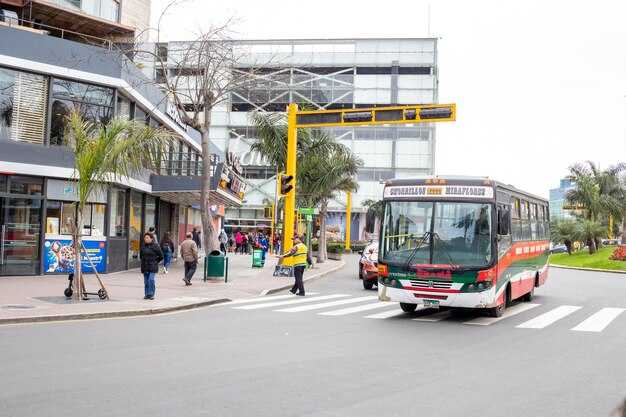
To travel efficiently, buy a TransJakarta Card and load credit before you ride, then use it at boarding; using the dedicated lanes speeds up your day and keeps you ready for the next leg.
Boarding steps are straightforward: reach a marked stop along a busway, stand behind the yellow line, tap on the reader when the bus arrives, and move into the vehicle as it pulls in. Drivers commonly pulled the bus to the curb to help passengers board, and public displays show route numbers. If you’re unfamiliar with a stop, ask staff or fellow passengers–there are almost always people ready to help.
Areas served stretch from central districts to outer neighborhoods, and this public network covers long hops across busy streets without a heavy fare. Prices vary by route; typical fares range from Rp 3,500 to Rp 7,000. Most riders are ready to top up credit on the spot at stops or with a mobile wallet. If you’re carrying baggage, keep it small and tucked to avoid blocking others; larger bags may require you to dock at a basic space or switch to a feeder vehicle. For gaps in coverage, angkot can fill the last mile, and you can negotiate a short leg–they werent banned and operate on local streets, often close to where buses don’t go.
There are several ways to plan your trip, including mixing TransJakarta with other transit. A bird view of the network helps you map connections across areas and see where transfers fit your timing. In unfamiliar parts of town, live boards at stops show current arrivals, and there are almost always staff or drivers who can point you to the right corridor.
There are other modes to supplement the bus network: subways offer faster cross-town hops, and you may choose to combine routes for a smoother ride. Remember to keep a light baggage load and be prepared to adapt as streets change; the jakarta street network keeps evolving, so the best plan is to check live boards and signage. There are many ways to map connections with confidence because they werent banned and remain a popular option for daily travel.
| Route | Areas | Estimated time | Fare (approx.) |
|---|---|---|---|
| Corridor 1: Kota ↔ Blok M | Kota, Blok M, central Jakarta | 30–45 min | Rp 3,500–Rp 5,000 |
| Corridor 2: Harmoni ↔ Pulo Gadung | Harmoni, Kemayoran, Cawang, Pulo Gadung | 40–60 min | Rp 3,500–Rp 5,500 |
| Corridor 3: Kalideres ↔ Pasar Rebo | Kalideres, Grogol, Cawang, Pasar Rebo | 45–60 min | Rp 3,500–Rp 6,000 |
| Corridor 6: Ragunan ↔ Kota | Ragunan, TB Simatupang, MT Haryono, Kota | 50–70 min | Rp 4,000–Rp 6,500 |
JakLingko Card: How to Tap, Top Up, and Coverage
Tap on entering a station or vehicle with the JakLingko card, and keep it handy for exits where required. The storage balance updates quickly, and that matters for transfers and the fare range. The value started accruing after you first topped up. thats why you tap on entering every time. JakLingko, a well-known name in indonesia transit, is designed to work with drivers, trains, and buses; when you park, store the card apart from metal pockets to avoid misreads. In case the reader doesn’t respond, otherwise you can try again or ask staff. On the same system, the process stays the same on popular routes, almost always. For travelers moving between an island like penang and lombok, expect solid coverage on major corridors but plan for limited options on some legs. Without the card, you would pay cash, which is less convenient on many routes.
Tap and ride: how to tap, what to expect
- Find the reader at entry points on buses, MRT, or KRL; when you see a green light or hear a beep, the tap is successful. When you ride with a driver, politely confirm that the reader is engaged before you move through the door, because some vehicles require that the reader be used at a separate panel. If the tap does not register, try again.
- If you need to exit on a rail or bus line that requires an exit tap, do it; otherwise the system may apply the maximum fare or trigger a warning. You might need to tap again when leaving, even if the gate seems closed.
- If the reader remains silent after a second attempt, ask staff or try another reader location; always keep your card park-ready and away from magnets to avoid misreads.
Top up and coverage
- Top up options: official station kiosks, partner retailers, JakLingko app, or via participating banks; pick the option that fits your routine. Pick an amount that keeps you within your usual travel range and avoid leaving the card at a low balance. Indonesia-wide usage tends to favor these channels, even when you’re traveling in indonesia’s bigger cities.
- Balance check: use the app or the reader display after tapping to confirm you have enough for the next leg; when the balance is tight, top up before continuing your trip to avoid interruptions.
- Coverage: well-known routes in Jakarta connect to rail lines and other transit modes; coverage is strongest on Java island and popular corridors, with some ferries extending to nearby islands; in cases like penang and lombok, plan for limited options and consider cash or alternative payments where needed.
Getting Around Jakarta: Public Transport Options and Trip Planning
Choose TransJakarta as your default for most trips across central districts. Its regular BRT routes run along major corridors with fixed boarding points and clear signs; front-entry buses speed you between neighborhoods, keeping you out of slow traffic. This option remains reliable, with predictable schedules and simple storage for small bags.
For faster hops across the city, pair TransJakarta with MRT Jakarta. The MRT is modern and efficient, running north-south with clearly signposted stations and easy boarding from the platform edge. Expect shorter trips than road travel during peak hours, and smoother transitions when travelling between districts such as Kota and Blok M. Although crowded at peak times, MRT keeps trips quicker than car travel, and driving in gridlock can be slower.
KRL Commuter Rail offers a flexible option for suburban trips. Manggarai is a known hub where several lines meet, letting you transfer to trains to Bogor, Depok, or Bekasi. Trains run on a regular cadence, with signs pointing to the right platforms and boarding from the front cars when possible. Keep essential items in storage to leave aisles clear for others; transfer points to them are marked by staff.
When planning a day around attractions, map routes that connect to the same hub rather than zigzagging. TransJakarta lines link to MRT and KRL at the main stations, so you can reach notable attractions like the National Monument, Kota Tua, and modern malls with minimal backtracking. Such planning makes your trips more efficient and predictable.
Practical tips for trip planning: check live service updates at stations, carry a reusable travel card ready for top-up, and have a backup route in case a line is disrupted. Note boarding points and sign locations at each station, and keep a compact bag stored in a fixed compartment to avoid blocking walkways. If you travel with a group, share a single plan to stay coordinated.
For flexibility, a motorbike offers ready access to neighbourhoods where fixed routes miss side streets. Use it for short hops to attractions near your location, but stay mindful of traffic, road rules, and parking availability. Always wear a helmet and choose a reputable rental with well-maintained bikes.
In Manggarai area, the situation is straightforward: trains and connecting services keep you moving with almost seamless transfers. Be aware of peak times, and watch for platform signs that point you toward the correct trains. With prepared copies of your plan and a live map, you can keep trips efficient and comfortable.
Life in Jakarta: Taxi Ride from Hell – Cautions and Takeaways
Always insist on a metered fare or a fixed price before boarding; use official taxis or trusted apps with GPS tracking; confirm the plate and driver ID, and request a receipt. If the driver balks, cancel and walk to a safer, well-lit area with a landmark you recognize.
Common types of misbehavior include non-metered routes, deceptive shortcuts down unfamiliar streets, and unsolicited detours that push the fare higher. If you suspect you’ve been scammed, ask to stop at a public place, take down the plate, and report the incident through the ride app or local authorities. What counts is staying calm, documenting the fare, and avoiding escalation.
For longer trips, consider transjakarta or other public transport options; they run along major corridors and deliver predictable fares compared with taxi detours. If you want to reach a landmark quickly, map your route in advance and share your location with a friend.
After boarding, keep the door closed until you’ve verified the meter or fixed price. If the driver tries a non-metered ride, exit at a safe, well-lit spot and switch to a different ride. Take note of the plate and driver ID, and report to the app or local authorities if you were taken advantage of.
Keep a shortlist of reliable taxi companies near your hotel, especially if you’re near a landmark area. If you arrive from nusa or other outskirts, allow extra time and opt for vetted transport. In jakarta, you can combine with transjakarta for safety and transparency.
Use online payments within apps to keep a digital trail and a fixed fare when possible. If a driver tries to switch the route, request a second vehicle through the app and end the ride calmly if necessary.
Example: during a late-night ride, verify the meter, ask for the route, and switch to a different vehicle if the driver resists. This approach helps prevent inflated charges and keeps your travel under control.
In busy districts, plan to arrive at a fixed stop or a public transport hub, not on a dim street corner; this reduces risk and helps get a fair price while exploring jakarta.
Jakarta Taxi Prices: Meter Rules, Surcharges, and Practical Tips
Always start with the meter. If a driver offers a fixed fare, decline and switch to a meter-based ride. In jakarta, a typical base fare is about Rp 6,500–7,000, with roughly Rp 4,500–6,000 added per kilometre after the initial distance, and a waiting charge of Rp 1,000–2,000 per minute. Most taxis in jakarta run on petrol engines. For a 15–30 minute trip in central areas, budget Rp 70,000–150,000; longer journeys or tolls push toward Rp 200,000. Include a 10–20% buffer for peak traffic and detours. This is only a baseline, and actual costs can be higher during rush hours than at other times.
Meter rules are straightforward: the taxi must run on a meter, and the fare board should be visible. Start the meter before you pull away. If the meter stays off or an offer is made to fix the price, walk away and choose another car or book via a trusted app. Airport pickups usually add a fixed surcharge on top of the meter, and tolls are charged separately. Night rates, typically 20–30% higher, apply after about 22:00. These figures vary by operator and route, so treat them as guidelines rather than guarantees. The head of the ride should be on display; if you notice it’s been taken off, re-check the meter.
When planning trips, consider the surroundings and areas you’ll visit. Southeast jakarta routes to popular business districts can climb quickly once tolls are included, and the journey itself may take longer during rush hours on this island city. The journey from downtown to suburban areas can be noticeably longer than you expect. If you travel from jakarta to other destinations, like Jimbaran or Kuta in Bali or Penang in Malaysia, costs will differ dramatically; use Maps or google to compare estimates, but count on the Jakarta meter for the price in this city itself. If you’ve found a price that seems too good to be true, don’t assume it’s right–it can be entirely different from the meter. Note that on some maps you may see labels like gatsu; ignore them.
Practical tips: ride with reputable fleets such as Blue Bird or Express, and verify the route on Maps before you start. For apartments in central neighborhoods, 15–30 minute rides typically stay around Rp 70,000–150,000 depending on time and traffic. From the airport to the city center, expect higher fares due to tolls and the airport surcharge. If travel alone, keep route details handy and share your ETA with someone you trust. If you’ve taken a ride and later found the fare unreasonable, note the start and end readings–the readings can be taken as a quick check to ensure you were charged correctly. This approach helps you head through jakarta’s busy streets with confidence, and it’s entirely possible to keep travel costs predictable by sticking to the meter and trusted operators.
Smartphone Taxi Apps in Bali: How to Book, Pay, and Compare Fares
Book via gojek to lock in a fare before you step outside; its interface shows the main options and estimates clearly. In Bali, motorbike and car rides are the two most practical choices, and you can compare them to see whether a car is worth it when youre traveling with luggage or a group. If youre unfamiliar with the area, rely on the map and confirm pickup points to avoid wrong locations. Use the blue label to identify the standard ride, then tap the driver profile to check the plate and ETA before you hop in. If a driver hails you on the curb, keep your wits about you, and you can cancel if the match is off to avoid overpaying.
Pay and electronic options: gojek and similar apps support electronic payments, including credit cards and alfa wallets, plus in-app funds. You can pay within the app after the ride, or, if the route allows, with cash; just check the option before you confirm. The fare shown before you confirm includes base fare, distance, time, and any surcharges, which might push the total over the estimate during peak hours. After the ride, you receive a receipt that breaks down fares and shows where extra charges applied.
Tips to compare fares and ride smarter
There are ways to compare fares across main apps, so dont settle for the first quote; check at least two platforms to save much money. For longer trips, consider a combination of rides with buses where available, and use jaklingko-inspired planning tools if the option appears in the app to bundle multiple legs. If youre traveling with passengers, calculate per-person cost to see whether two motorbike rides or one car is cheaper; thats often much cheaper per person. Prices tend to rise during peak times, so plan after you land if you can, and avoid exiting the terminal without confirming pickup details. If a ride is extremely delayed, you can cancel and rebook with a driver who is closer to your location. Just remember to keep an eye on the route and where the driver is headed, and youll stay on top of every ride. Thats a great way to keep costs predictable and avoid surprises, especially if you’re coordinating with others.
Getting a Taxi at the Bali Airport: Arrival Steps, Rates, and Tips
Go to the official Bali airport taxi counter as you exit the plane and insist on a meter-driven fare. This keeps the price clear and near the approximate rates for common destinations.
Arrival steps
- Step 1: After you grab your luggage, follow signs to the arrivals hall taxi area. Look for the Blue Bird or official airport desk with clearly posted rates and driver IDs.
- Step 2: Tell the agent your destination, confirm that the ride will use the meter, and avoid fixed-price offers unless you arrange it before starting.
- Step 3: Receive a ticket or driver-ID, then proceed to the assigned car. Take note of the car type and license plate to ensure the correct vehicle is taken.
- Step 4: Get in, fasten seat belts, and begin the drive. Traffic varies; plan for 20–40 minutes to near destinations such as Denpasar, Kuta, Seminyak, or Nusa Dua; longer if you head toward Ubud.
Rates, tips, and practical notes
- Types of taxis: official meters (Blue Bird and partners) and a few non-meter options. To keep the price clear, use the meter and request a printed ticket; the fee should be clearly shown during the ride. If you’re curious, example destinations include Seminyak, Kuta, and Nusa Dua.
- Approximate fares from the airport: airport to Denpasar city center 60,000–100,000 IDR; to Kuta/Legian 80,000–150,000 IDR; to Seminyak 150,000–200,000 IDR; to Nusa Dua 180,000–260,000 IDR; to Jimbaran 120,000–180,000 IDR; to Ubud 500,000–700,000 IDR. These ranges depend on traffic and the route; november crowd or rain can push the cost higher.
- Payment and receipts: pay in IDR cash unless the driver accepts cards; ask for a ticket before departure to avoid surprises; if you arrange a rental with a driver for a day, confirm the plan in advance.
- Negotiation and safety: negotiate only before the trip starts if needed; otherwise, let the meter run. Stick to official desks to avoid scams; In Penang and Bali alike, the desk approach keeps things transparent. If you see the word gatsu on a sticker, ignore it and rely on the desk guidance.
- Tips for convenience: monitor the route while the car is moving to feel confident about the path; note that Bali has no metro, and subways are rare, so taxi or a pre-booked driver remains the easiest connection; for longer stays, a rental with a driver can be arranged; this might be ideal for visiting multiple destinations in the southeast coast, including Nusa and Jimbaran areas. While you wait, a quick check on the map helps you keep a clear feel for the distance and time.
- Safety and comfort: choose clearly labeled cars, keep your valuables in sight, and take a photo of the plate if you want extra security; the ticket you taken at the desk serves as confirmation of the ride and price.
- Fuel and vehicle notes: most taxis run on petrol; if you have a preference for a newer model or a hybrid (where available), ask before you sit down and confirm the type of car and fuel usage for your ride.
Comments