
Suvarnabhumi Airport Guide - Essential Tips, Transport Options, and Lounges
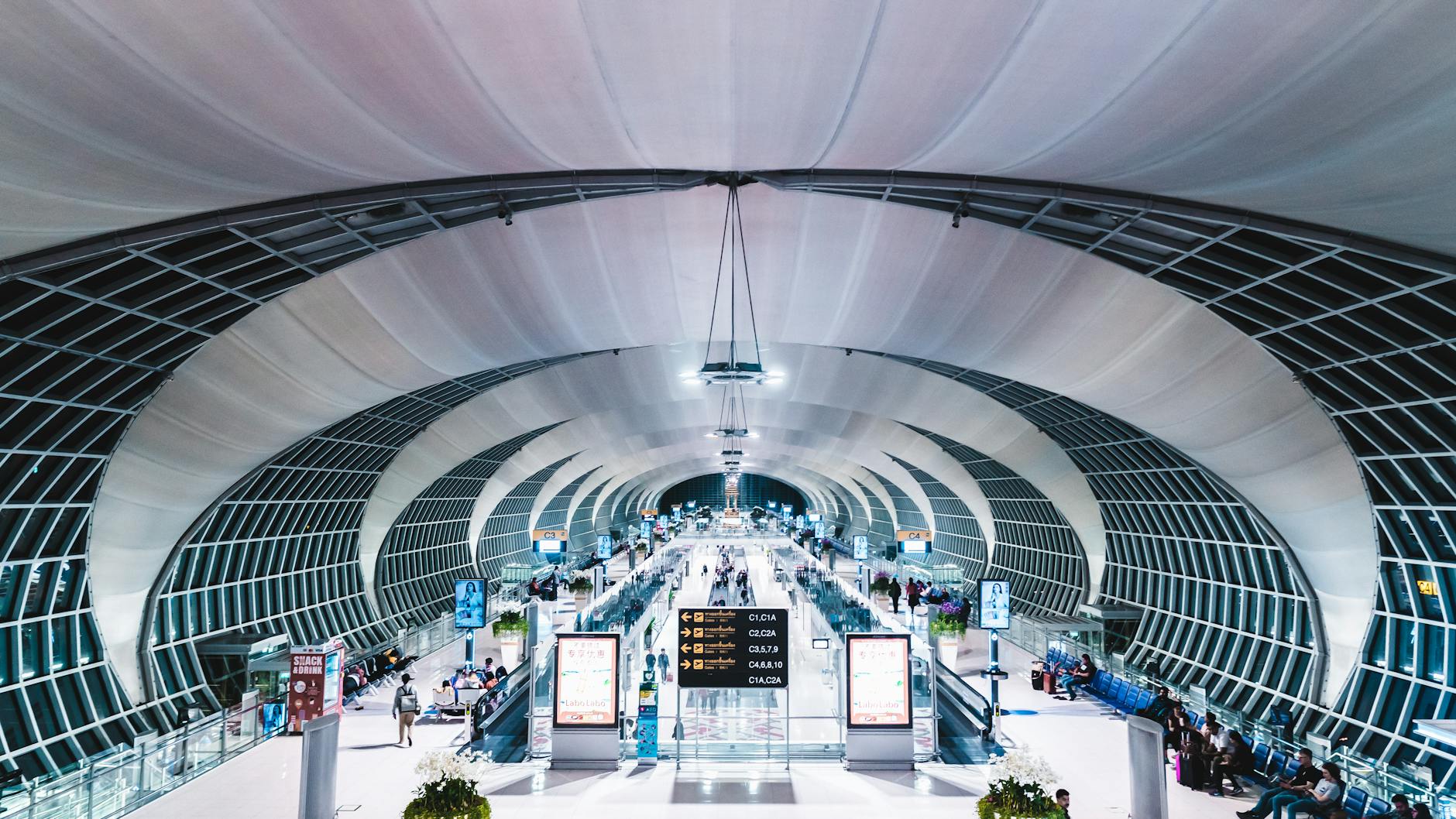
Take the Airport Rail Link to Phaya Thai or Makkasan; it's the quickest route out of the airport. Two stations connect you to the city fast, and booths offer single or stored-value tickets at the exit.
For door-to-door options, taxis from the arrivals area use the meter and a fixed airport surcharge. Follow directions to the taxi booths and ask the driver to use the expressway when traffic allows; expect a 30-60 minute ride into central areas, depending on time and traffic.
Rideshare and shuttle services provide curbside pickup with clear directions to the correct pickup bays. Compare app estimates and choose the quickest local route to your destination while you wait.
Lounges offer quiet spaces, fast Wi‑Fi, and a range of drinks, including coffee and some options with booze for eligible passengers. Look for pay‑as‑you‑go lounges near the transit area, or airline lounges that grant access with your ticket or lounge pass.
Quick tips to maximize value: know the overhead signs, follow local staff, and head to the right booths for your needs. Every change in directions can save minutes, especially when transfers involve multiple halls and rest areas.
If you rent a car, use the expressway to reach central Bangkok and take the long‑stay lot with clear signage. Double-check toll costs and prepare change for the toll booths; local driver guidance helps a lot if you’re not familiar with the area.
Passengers should arrive early to baggage claim and then head to the transfer zones; this reduces stress while you explore offerings and services. Every traveler will appreciate a smooth transition between flights when you know where to go and what to expect, including directions to rest zones and drink options.
Suvarnabhumi Airport Guide: Practical Tips, Transport Options, and Lounges – From Suvarnabhumi Airport to Trat Airport
Book a private transfer from Suvarnabhumi to Trat Airport in advance to guarantee quick transfer and predictable timing, saving several hours versus waiting for buses or shared shuttles.
There, keep your documents ready and hold tight to boarding passes; immigration lines move faster when you’re prepared, and you’ll spend less time queuing.
Practical tips for moving through Suvarnabhumi
There are officers at key junctions who direct flows along the corridors, making it simple to navigate the arrivals hall and reach parking, pickups, or transit links. The airport boasts a broad set of offerings: currency desks, money exchangers, and card readers across most shops, so you can manage spend without rushing for cash. The space is updated periodically, and screens clearly show gate and terminal changes, helping you avoid delays during peak hours.
If you’re arriving from or leaving to Europe, arrive with enough time to clear immigration and customs; these processes can vary by day. This experience, along with lounges near the transit area, provides quiet spaces to refresh between flights. For travelers, dragonair branding appears in historical context here, reminding planners to verify current alliances and lounge access rules with your airline.
To keep things simple, bring a small bag with essential items; hotel-style amenities are available in some lounges, and there are longer-term options nearby if you need a rest before continuing your journey. You can manage your money with cards for most purchases, avoiding frequent cash handling, and the main terminals offer faster security lanes for higher-tier travelers.
From Suvarnabhumi to Trat: Transport options and lounges
Domestic flights from Bangkok to Trat are offered by several carriers, delivering about an hour of air time and reducing total travel time significantly. Check updated schedules before you depart; during the fourth quarter and weekends, flights often fill quickly, so booking early is wise.
Private transfers, taxis, or pre-booked vans are the fastest door-to-door options, typically delivering quicker overall travel than public buses–even without traffic stress. If you prefer budget travel, you can combine the Airport Rail Link to a southern bus or minivan service; this option is cheaper and partly lowers upfront costs, but it may require more time and patience.
Public routes include trains and coach services that run along the mainland corridor toward eastern Thailand, offering a slower but cheaper path for travelers who want to see more along the way. If you’re traveling with a group, a shared private transfer can balance cost and convenience, ensuring you stay on schedule while you’re on the road.
Lounges at Suvarnabhumi Airport provide comfort before your domestic legs, with access available via paid entry, lounge memberships, or airline programs; these spaces offer quick showers, snacks, and quiet zones to help you reset. If you hold a premium card or frequently fly with member airlines, you’ll probably enjoy easier lounge access, even when flying domestic flights. For families or solo travelers, a hotel-like lounge environment can help you pass the time more pleasantly while you wait.
Remember parking options near the terminal can be higher in cost, so plan accordingly; if you fly frequently to Trat, consider a prepaid parking plan or a park-and-ride alternative to reduce spend. This approach keeps you close to the action while you manage time efficiently, ensuring you reach your gate with calm and confidence.
Where to Meet Ground Transport at Suvarnabhumi Arrivals

Meet your driver at the arrivals curb directly outside the terminal, just after baggage claim. The ground-transport zone is clearly signed for taxis, limousines, and others’ private-service desks, so you can spot your pickup without wandering. If you come with heavy luggage, staff will guide you to the right desk. If you’re traveling light, this curb is the fastest route to your ride, and you can go yourself or with your group. The cheapest option is the public taxi; join the official queue and ride to the city with a meter. For a luxury or private ride, limousines and other private-service options offer upscale class seating. If you booked a limousine, the placard will show your name; claim your vehicle at the desk and then proceed directly to the pickup area. If you’re with others, confirm your driver’s name on the placard and head directly to the correct pickup point. Some signs were updated recently, so follow the latest markers and avoid the crowds. If you enjoy observation, the observation area near the landing zone provides seating and a view while you wait for your ride.
Taxi, Limousines, and Private Service
From the curb, taxi stands, limousines, and others’ private-service desks serving passengers arriving from every flight. If you were traveling in city service or a private option, staff will help you claim the car and guide you to the pickup zone. The cheapest city ride is the meter taxi; the route is straightforward to central Bangkok, and the driver can show you the streets on the map. For a luxury experience, limousines provide larger seating and a quiet ride; they’re served with luggage help and a fixed pickup time. If the placard doesn’t match your booking, tell the desk staff and they’ll recheck the claim. For families or elderly travelers, request a vehicle with extra space and a smoother route to minimize walking. The staff and signs make the process simple and efficient, so you won’t waste time searching the floors of the terminal.
Tips for a Smooth Pickup
Plan ahead: Bangkok handles a million travelers each year, so busy periods are common. If you’re meeting a driver, allow seven minutes for the walk to the curb and have your phone ready to share the route. If you’re traveling with seven or more passengers, reserve a larger vehicle to keep the group together and reduce stops. There are restaurants and beverage outlets near the arrivals zone where you can wait, but the driver will contact you when it’s time to go. For elderly travelers or those with mobility needs, ask staff for a priority pickup and a shorter route. If someone approaches offering rides, decline and use the official signs and counters to avoid miscommunication or delays. After landing, your driver will guide you directly to the route to your hotel or next stop, ensuring a smooth transition for your city visit. This keeps you going in the right direction toward your accommodation.
Wi‑Fi, SIM Cards, and Data Options Upon Arrival
Grab a local SIM at the arrivals counters and get 24-hour data immediately; this keeps you online for maps, ride-hailing, and hotel check-ins. Look for dtac, AIS, or TrueMove H desks upstairs in the arrivals hall near the carousel; signs heading to the court area arent always clear, so ask staff if you cant find them. You’ll usually be online within minutes, which helps you plan your first moves without walking long distances.
Practical tips for buying and using data
Public Wi‑Fi at the airport isnt as reliable for video calls or heavy browsing, so a prepaid SIM is the smoother choice for travelling in Bangkok and surrounding areas. If you travel in groups, one shared data plan can cover multiple devices, but confirm the SIM supports extra SIM cards or tethering. For those arriving from samut or bangkoks routes, the price and coverage remain straightforward, and the 24-hour window simplifies late-night changes or extensions.
| Provider | Where to Buy | Data Plans | Approx Price (THB) | Notes |
|---|---|---|---|---|
| dtac | Arrivals Hall, booths upstairs near the carousel | 2 GB / 7 days; 4 GB / 15 days; 8 GB / 30 days | 199–599 | 24-hour support; easy top-ups |
| AIS | Arrivals Hall counter near passport control | 3 GB / 7 days; 6 GB / 15 days; 12 GB / 30 days | 299–799 | Fast 4G/5G in city areas |
| TrueMove H | Ground floor near exit gates | 5 GB / 7 days; 10 GB / 14 days; 20 GB / 30 days | 399–899 | Wide nationwide coverage |
Flight Options to Trat Airport: Availability, Fares, and Booking Tips
Book direct Bangkok–Trat flights when possible; if not, choose the fastest Bangkok connection and pre‑book a private transfer from Trat airport so you relax and avoid rushing to the plane.
Direct and connected flight options
- Direct routes from Bangkok (BKK or DMK) to Trat (TDX) typically take about 60 minutes in the air. Those services open on key days year‑round, with higher frequencies during peak season. Fares usually range from 2,000 to 5,000 THB one‑way, and you may find occasional midnight departures when sales open. Departs are published by the airline and can vary by day, so check the schedule for the exact time.
- Indirect routes via Bangkok hubs offer a through‑ticket path: fly to Bangkok and connect to Trat on a single ticket or with two separate bookings. Total travel time is commonly 2.5–4 hours, depending on layover duration and how long you wait between legs. Booking through the same carrier helps keep baggage handling simple.
- Alternative path via Utapao or nearby airports can lower air fare on some dates, but you’ll add road time (roughly 90 minutes to two hours) and kilometres of driving to reach samut or the river towns. This option suits flexible schedules and tighter budgets.
Booking tips to lock in the best fares
- Search across multiple sites and book through the airline when possible; through tickets reduce the risk of selling gaps or unexpected changes. If a sale pops up, act quickly–midnight promotions can disappear fast.
- Set price alerts and book four to six weeks out for the best balance of price and seat selection. Peak periods (November–February) were pricier; midweek departures often offer better value.
- Families with kids benefit from direct flights to minimize transfers; bring entertainment for the kids and a beverage for comfort during the flight. A five‑minute check‑in buffer helps you avoid delays at the counter.
- Plan ground transfers in advance: taxis or private cars are convenient for the final mile; expect 30–50 kilometres to the town and 60–90 minutes door‑to‑door, depending on traffic and tollway conditions. Past toll lanes, you’ll reach the terminal smoothly.
- For travelers starting from phayathai, you can reach the airport by taxi or rail, then continue to Trat with a direct flight or a short transfer–your time saved is usually worth it. If you’re staying in luan districts, consider pre‑booking a private ride to simplify pickup.
- Upon arrival, staff speak English and Thai; use this to confirm the best route to your hotel in samut or nearby towns. The entertainment options in local lounges and bars make a relaxed post‑flight unwind easy.
- Singapore connections can be part of a longer itinerary if you’re planning a multi‑city trip; choose through fares that preserve lounge access or comfortable seating for the long legs.
Tip: once you land, a taxi ride is typically the fastest way to reach town–count on a short ride or a longer one if you’re heading back to Bangkok via the tollway. If you want to explore silk markets, bars, and riverfront scenery, plan a little extra time to enjoy the surrounding area before your next flight. Plan ahead to keep your day on track and avoid missing a depar t or a late‑afternoon plane.
Private Transfer vs Taxi: Costs, Booking Steps, and Time to Trat
For a stress-free ride from Suvarnabhumi to Trat, book a private transfer. Available operators offer door-to-door transportation with a fixed price, so you know spend before you leave. Vehicle options include a three-seat sedan, a larger minivan, or an SUV for bigger groups, letting you pick based on your locations and luggage. Typical private-transfer pricing lands around 3,000–3,800 THB for a sedan, 4,500–6,000 THB for a minivan, and 6,000–7,500 THB for an SUV, depending on distance, timing, and the operator. A taxi by meter starts lower at the terminal, but the meter climbs quickly with distance to Trat and tolls, which can push total to 4,000–7,000 THB or more; you may end up paying extra if you stop for breakfast or if traffic is heavy. If you want a fast, direct ride with minimal queuing, private transfers usually win, especially for Western or Singapore-bound travelers. Some cars even use subtle perfumes to keep the cabin fresh on long drives, a small but noticeable touch. The choice of a private option also keeps your transportation predictable even if a flight gets delayed, so you can stay on track in Trat.
Booking steps are three simple steps: first, choose an operator with available vehicles and read the terms; second, reading your flight details (airlines, flight number) and pickup location, then order the car for yourself; third, confirm the price, note luggage size or child seat, and pay. The driver will meet you at arrivals with a name sign, help with luggage, and follow your route to Trat. If you prefer a taxi, you can order at the desk or queue for a meter taxi, but expect queuing and possible higher spend during peak times. If you’re arriving from Singapore or western locations, the process is the same, and you can still call the driver to confirm arrival times and adjust pickup if your flight changes.
Time to Trat from BKK varies: private transfers average 4.5–5.5 hours, depending on traffic and highway choices; taxis on meter can take 5–6.5 hours and may involve delays if toll plazas or heavy congestion occur. To avoid surprises, private transfers usually carry a fixed price and driver waits in the arrivals hall, which helps you beat queuing and keep your schedule. If you need a quick bite, a breakfast stop can be arranged quickly without delaying the main pickup, and you can also add a period for a quick refresh. A fast, door-to-door ride gives you a huge advantage when you have connections with airlines or hotel check-ins in Trat.
Bottom line: private transfers provide huge convenience and predictable spend; if the budget is tight, a taxi by meter can be available but not guaranteed to save time. For three typical needs, sedan covers two travelers, minivan covers three to four, SUV covers five or more; plan in advance to avoid calls or delays. For extra reassurance, specify pickup location, flight number, and contact details and request a sign for quick pickup. With this approach, you won’t miss any connections and will reach Trat smoothly, which suits travelers from Singapore or western regions and keeps you moving fast toward your destination.
Airport Rail Link and Other Public Transit: Getting to Trat from Bangkok
Recommendation: In this article, use Airport Rail Link from Suvarnabhumi to Makkasan, then a short taxi to the Eastern Bus Terminal in Ekkamai to board a daily bus to Trat. This three-leg plan is one of Bangkok's largest public transit options for mainland travel, delivering straightforward signs and clear passenger flow that help you proceed confidently.
Airport Rail Link basics: The City Line runs from Suvarnabhumi to Makkasan and connects with the city rail network at Phaya Thai. Trains operate at regular intervals, with fares starting around 15–45 THB depending on distance. From the train, follow the signs to the connected transit options; officers at the stations help you know where to go, then calls on the boards indicate the next departures. The system is clean and designed for easy transfers, with escalators and floor markings guiding you to the correct floor and platform.
Transfer to the bus terminal: From Makkasan, a short taxi ride (or ride-hail) typically takes 15–25 minutes to reach the Eastern Bus Terminal in Ekkamai. If you enjoy a bit of walking, you can opt for a light walk to the terminal, but most travelers prefer the smoother route by vehicle. Staff at the terminal will point you to the correct queue for Trat, and you can proceed to the main hall or the next floor where the buses line up in dedicated lanes.
Bus options to Trat: Daily VIP and Express buses depart from Ekkamai to Trat, offering a comfortable ride of roughly 5–6 hours depending on traffic. Fares range from about 350–700 THB per passenger, with some services including extra luggage allowances. Buses run on multiple lanes with regular departure calls; some trips stop at Laem Ngop or Trat Town, so verify your stop when you book. For families with kids, this option provides extra space and predictable schedules, ensuring value for money on the mainland route.
Alternative rail-first route: If you prefer rail for longer legs, take Bangkok’s Hua Lamphong Station to Aranyaprathet by train, then transfer to a local van or bus to Trat. Total travel time can be 6–8 hours and the combined cost is typically lower than a direct long-haul road option, though schedules vary. This path is convenient for someone who wants to experience a traditional rail leg before a road leg on the mainland.
Practical tips for the journey: Reserve seats in advance when possible, especially if you travel with kids, and keep important items with you in a bag you can access easily on a short walk or transfer. Carry some extra water and snacks, as the longer leg between Bangkok and Trat can feel longer on the floor of a crowded vehicle. Look for clean facilities at each terminal and note floor levels and escalators to avoid unnecessary confusion; use the terminal’s official calls or announcements to stay on track. If you stay on the western side of Bangkok, this route still serves you well, with expressways and expressway lanes helping to shave time, and multiple local bus options that connect to the mainland corridor.
Know before you go: This route is ideal for passenger comfort and flexibility anywhere along the route, but check the latest schedules a day ahead, as times can shift with holidays or road work. For Europe visitors or anyone traveling from abroad, this method offers a straightforward entry into Thailand’s public transit network and keeps transfers manageable with clear signs and helpful staff at major terminals. Someone who values a calm, predictable start to their Trat trip will appreciate the combination of ARL, a central bus terminal, and a direct road link that uses safe lanes and, when possible, a lower-stress expressway segment. With careful planning, you gain three key benefits: a reliable timetable, fewer transfers, and a smoother, more comfortable ride that ends with a short final hop to your Trat destination–true transit magic.
Bus, Minivan, and Coach Services to Trat: Schedules, Durations, and Tickets
Book a daytime coach or minivan to Trat a few days ahead with a reputable operator; proceed to the counter or official site, show your booking, and confirm the pick-up point. Bangkok’s two main hubs are Mo Chit (Northern Bus Terminal) and Ekkamai (Eastern Bus Terminal), with some connections from Suvarnabhumi’s Transport Centre. Ride times run about 4.5–6 hours, depending on stops and traffic; plan to arrive in Trat before dusk to simplify onward transfers. Bring water to drink, pack light so you can move quickly at pick-up, and if you’re travelling as a couple or a small family, minibuses often offer separate seating for more comfort. In thailand, this network offers a wide range of times to fit your plans and budget.
Schedules and Durations
Typical departures start around 06:30 and continue until about 21:30, with services every 60–120 minutes at peak periods. Non-stop coaches take roughly 4.5–5.5 hours, while minibuses may run 5–6 hours with occasional halts for rest stops or driver changes. Most routes pass through central Bangkok before heading toward Trat town or its surrounding centres, giving you options for onward travel the moment you arrive.
Tickets, Costs, and Practical Tips
Ticket costs range roughly from 350–900 THB, depending on service level and class. You can buy online, at Mo Chit or Ekkamai centre counters, or at the airport transport desks; some operators also offer hotel pick-up in Bangkok to simplify your start. If you travel with little belongings, a door-to-door option can spare you extra taxi time on arrival. For extra comfort, seek VIP or premium coaches that provide wider seats and more leg room; seat rooms vary by model, so compare times and offers before you commit. Always confirm pick-up points and drop-off locations, as some services end in Trat centre while others go to Trat town nearer the coast. In Trat, taxis are readily available, or arrange a local transfer to your hotel. Carry a small drink and a compact snack for the road, and keep a light bag ready for a seamless handoff at the centre. If you’re arriving late, consider a later service to avoid rushing arrivals and missed connections.
Lounges at Suvarnabhumi and Trat Airport: Access Rules, Amenities, and Fees
Book a paid-entry lounge at Suvarnabhumi for your departure if you have a long layover; it keeps you comfortable and ready for the next flight.
Access rules
- Suvarnabhumi Airport: Lounges are available to those with airline status, eligible business/first-class tickets, or via lounge access programs such as Priority Pass or LoungeKey. You can also claim a walk-in entry at the desk, subject to availability. Costs typically range from 1,000 to 2,000 THB for a few hours, and some lounges offer multi-hour blocks that fit your flight timing.
- Trat Airport: The single lounge in the main terminal accepts paid entry and select lounge memberships. Expect a smaller setup, but you still get a quiet space, Wi-Fi, and refreshments. Hours commonly run from early morning until evening, aligning with the bulk of domestic flights.
- Documentation: Have your boarding pass, photo ID, and, if you use a membership program, your digital pass ready at the desk. Staff can guide you to the correct lounge if you’re unsure of your heading or where to meet a lounge agent.
- Access flow: Follow signs to the departure area, stand by the escalators or lift to reach the lounge level, and keep your track of boarding time in mind so you won’t miss the flight.
Amenities
- Wi-Fi: Most lounges provide high-speed Wi-Fi and power outlets near seating decks, so you can stay connected while you wait for your flight or meeting someone online.
- Food and drinks: Expect complimentary hot meals, snacks, non-alcoholic beverages, and often a starbucks-style coffee station for a quick pick-me-up before heading to your gate.
- Entertainment and work spaces: Lounges include entertainment options on screens, reading material, and quiet zones with desks or communal tables to keep you productive before departure.
- Showers and toiletries: Some lounges offer shower facilities and essential toiletries, a welcome refresh after a long leg of the journey.
- Location details: At Suvarnabhumi, lounges are scattered across the terminal, often near the common transit deck or basement access routes; Trat’s lounge sits in the main terminal near the domestic gates for easy claim and re-entry before a short hop.
Fees and tips
- Costs: For walk-in access at Suvarnabhumi, expect roughly 1,000–2,000 THB per person depending on the lounge and time block. Trat’s lounge typically runs lower, around a few hundred THB, reflecting the smaller footprint.
- Included benefits: A good value comes from beverages, meals, and reliable wi-fi all included in the price, with shower access sometimes included on longer layovers.
- How to pay: Most lounges accept cash or card at the desk; some may allow pre-booking via reciprocal programs or airline portals. If you have a membership, follow the lounge desk’s instructions to claim entry.
- Tips for finding the best option: If you’re heading to Sukhumvit-bound connections, pick a lounge located toward the departure heading that aligns with your gate. Keep a spare hour if you want to relax or entertain yourself with screen content, or stake out a spot near the window if you want runway views.
- Facilities you may notice: Elevators, escalators, and occasionally a lift that lowers you to a basement level or deck area; use these to reach the lounge without rushing once you’ve claimed entry.
Practical notes
- Use lounge time to refresh and meet your schedule for a smooth transition to your next flight; you can stay within the lounge until the boarding call is announced.
- Popular choices at Suvarnabhumi attract many travelers, so if a line forms at the desk, ask a staff member about the fastest way to join or consider a different lounge nearby within the same terminal.
- For a quick break between connections, you can grab a coffee at a starbucks counter inside some lounges, and then follow signs to your departure gate with once-centered focus.
- Plan ahead: if you’re running tight on time, know the lounge locations, and track your boarding time so you don’t miss the flight window.
Thailands airports offer a practical way to decompress before a flight. Access rules, a solid set of amenities, and reasonable costs help keep your travel day peaceful from the moment you arrive to your departure in a calm, prepared state.


