Milan Tourist Attractions - Top Sightseeing Spots & A Guide

Begin with the Duomo di Milano: buy a timed-ticket, head to the front terrace for a 360-degree panorama, and join dedicated guides who explain the site architecture and specialties of Milan’s icon. Budget 2–3 hours; descend via the back stairs to avoid crowds, then stroll toward the Piazza del Duomo for a coffee break.
For art lovers, book the Last Supper access at Santa Maria delle Grazie–tickets sell out weeks ahead. In Brera, Botticelli canvases sit in a corner of the Pinacoteca, where objects and gold frames highlight Renaissance detail; pair it with a day-trip to monza–the regional train from Milano Centrale takes 15–20 minutes, and the Royal Villa park offers easy family-friendly space for kids after the galleries.
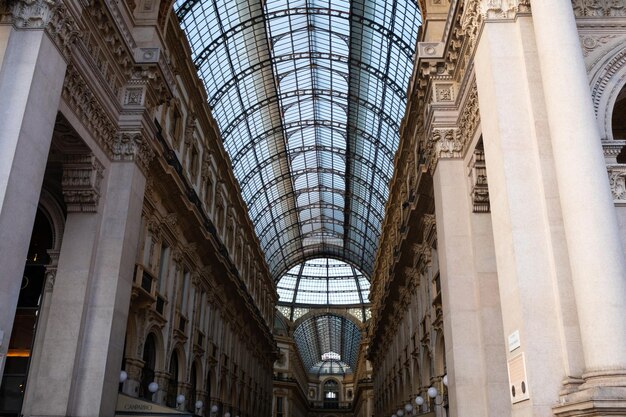
Galleria Vittorio Emanuele II offers windows and interiors that sparkle with a gold ceiling and corner mosaics. Best times are late afternoon when the light hits the glass. If you have a question about timings, our guides can help; plan a simple route from the Duomo to the Galleria to enjoy outside views and a quick espresso along the way, then linger for the site context.
Families and curious travelers should not miss the science and technology museum and a football-friendly stop at San Siro. A guided tour helps kids frame the stadium’s behind-the-scenes spaces and the objects that make football matches feel iconic; plan 2–3 hours for the Meazza area, then relax at nearby parks.
The city’s performing arts scene shines with La Scala and a ballet program that pairs with rotating art in nearby exhibitions; check the site maps for backstage access or guides led tours. For highly curated experiences, ask for a dedicated curator to explain period costumes and the behind the curtains.
Ready to plan practical visits? Book guides in advance, compare specialties of several operators, and ask locals for thanks at the end of your day; keep a flexible pace, especially with kids in tow. Carry a compact map, aim for front access to the main spots, and use public transport with a Milan Card for savings.
Bagatti Valsecchi Museum: Hours, Tickets, and Highlights for Planning a Visit
Plan your visit to Bagatti Valsecchi Museum with online tickets and a timed entry; if you have half a day, start at 10:00 to enjoy the quiet interiors and a coffee near spiga, gateway to italys design heritage.
Inside, you walk through the main rooms where furniture case displays Renaissance and Baroque pieces; elegant statues and decorations line the walls, and window light adds a soft glow that enhances the feeling of living culture rather than a sterile gallery.
Hours: The museo is open Tue–Sun from 10:00 to 18:00, with last entry at 17:30. It closes on Mondays. During peak seasons, some days may extend until 19:00; check the official site for the exact times before you visit.
Tickets: Full price around €12; reduced €9 for those aged 18–25, students, and seniors; free for under 18. Booking online guarantees entry and can save you a few minutes in line. If you’re exploring tourism around Brera, consider a combined ticket if offered.
Highlights and planning tips: Start with the decorated interiors–the main drawing rooms, the carved case pieces, and the chapel area–these are the most interesting parts for understanding the Bagatti Valsecchi founders’ approach to collecting during the private museo. Only a few visitors are admitted at a time to preserve the atmosphere. Don’t miss the ceiling decorations and the arrangement of objects that reveal the culture and taste of those early collectors. Outside, the courtyard provides a moment to reflect on scenery of Milan’s historic core, a nice contrast to the case-packed rooms. If you’re a reader, look for articles or display captions that offer context about the family, the nazionale style, and the artists involved. After your visit, stroll toward stores along spiga or nearby cafés to continue the experience with coffee and a touch of risa, wrapping the day with a sense of shared culture.
Duomo di Milano: How to Book Rooftop Access, Best Times, and Photo Spots
Book rooftop access online at the official Duomo Milano site to lock a time slot. The ascent is via lift or stairs, and a combined ticket often covers cathedral entry. Tickets stay affordable for a major must-see, typically in the mid-teens to low twenties euros, with discounts for youths. If you’re wanted a smooth plan, arrive 15 minutes early and follow signs to security in the area near Piazza del Duomo.
Best times to visit are early morning or late afternoon to catch incredible light. In summer, longer hours help you maximize time on the terrace, but heat climbs by noon. Weekdays tend to be quieter than weekends, so crowds are manageable. If you’re wondering where to position yourself, start at the north edge for a classic shot and then move along the railings for different angles. The roof itself is designed to handle many visitors, so you can switch between viewpoints smoothly.
Photo spots: on the rooftop terraces you glimpse the cross on the spire and the piazza below. The best angles frame the cathedral façade and the Galleria Vittorio Emanuele II. Stand at the edge near the north end for a wide shot of the square, or pivot to the south side to include the skyline and the parks beyond. The view itself is beautiful, and the detail on the marble is elaborate; they appear quite dramatic when the light shifts toward half-light near sunset. If you’re shooting with a phone, keep it steady and use a longer exposure to capture the dynamic contrast.
From the rooftop, you can stroll toward the area around bonaparte and manzoni for new angles and street life. A nearby chanel boutique serves as a reminder of Milan’s fashion energy. Afterward, head to nearby parks such as Parco Sempione for a different perspective, or sample the nightlife around Navigli in summer for a complete day. It’s a good chance to learn more about the city’s history and culture, and the walk itself feels relaxed and going at a gentle pace. This area is loved by locals for easy dining and quick photo stops.
Reconstructed facades and the rooftop itself reveal the work behind Milan’s iconic landmark. The experience is incredible and many visitors loved it, finding it worth the short climb. If you’re wondering how to fit this into a busy itinerary, make the Duomo rooftop your must-see capstone, a half-day combination of art, city views, and history. The work of restoration and maintenance is visible in every detail, and the photos you take will feel timeless.
The Last Supper: Booking Window, Entry Procedures, and Nearby Landmarks
Book early on the Cenacolo Vinciano official site; select a 15-minute viewing slot, receive a QR ticket, and plan to arrive 10–15 minutes prior. The process keeps a steady flow and creates a great cultural moment for your Milan life, with easy access to surrounding districts and a focus on Leonardo’s work tied to the neighborhood.
Booking window and entry procedures
Online booking opens on scheduled dates; choose a date and time that fit your day. Tickets are usable on mobile or printed, and you present the QR code at the entrance. Staff may request a valid ID, and you’ll pass a brief security check. Enter with quiet, and keep bags within size restrictions to avoid delays.
Nearby landmarks and routes
Santa Maria delle Grazie sits beside the Last Supper site. From here, walk to the Duomo di Milano to see the cathedral’s soaring façade, then continue to Galleria Vittorio Emanuele II for architecture and shopping. In the Brera district, ambrosiana offers a powerful blend of culture and art with manuscripts and paintings that enrich your trip. Castello Sforzesco and Sempione Park are a short excursion away, inviting you to extend your day while soaking up Milan’s life and culture. This route provides a practical way to pair a historic highlight with iconic city views and a relaxed stroll through historic neighborhoods.
Sforzesco Castle, Parco Sempione, and Brera District: A Compact Walkable Route
Begin at the entry of Sforzesco Castle, grab passes for a compact, highly-rated combination experience, and start a complete half-day loop that stays cozy and walkable. This route keeps you near key landmarks and runs at a group-friendly pace – myself included – so you can enjoy each spot without rushing. The park path isnt crowded in the late morning, letting you linger at your own tempo.
Route Highlights
Inside the Sforzesco Castle complex, you’ll notice magnificent marble façades and painted interiors, plus artwork and a codex exhibit that hints at the medieval chapters and chapels tucked behind arches. The route then runs into Parco Sempione, where you’ll discover plenty of shade, cozy benches, and a mural along the lakefront. International sculptures and notable landmarks line the way, with the Arch of Peace serving as a dramatic centerpiece to the whole experience.
Brera District Experience
In Brera you’ll find a different tempo: narrow lanes, cozy courtyards, and authentic galleries around a historic villa. The district blends international flair with local craft; chanel storefronts line the streets, and subtle murals add a creative pulse. Some spaces offer free entry to exterior spaces, while interiors may require passes. Expect a range of options from cozy cafés to expensive, well-curated dining, making it easy to tailor the visit for a group and finish the day with an amazing sense of Milan’s character.
Smart Milan Transit: Subway, Trams, Tickets, and a 1- or 2-Day Itinerary Plan
Grab a 24-hour transit pass for a full day of seamless hops across central Milan. If you stay late or add a second day, upgrade to a 48- or 72-hour option; both work with single-ride tickets when you need a quick link between neighborhoods. This future plan helps you meet the city’s highlights while staying flexible and created for late-summer stays, offering a fabulous guide to times and routes.
The subway is your fast lane. Duomo station (on M1 red and M3 yellow) anchors your route to the Galleria Vittorio Emanuele II and the monumental cathedral space. From Duomo, hop to Garibaldi for Brera, or to Cadorna for a visit to the sforzesco area and its vast grounds. The means are simple: board, validate, and ride; you’ll meet hundreds of commuters during peak times and still stay on schedule.
Trams add texture to the day. A few lines thread past historic buildings, high-end boutiques, and mural-filled streets. They offer a horizontal view of the city, with stops near the Navigli district for sipping aperitivo and restaurants that attract hundreds of locals and visitors alike.
Ticket types and where to buy. Biglietto ordinario (single ride) costs around €2 and is valid 90 minutes from validation, including transfers. For longer stays, the 24-hour, 48-hour, and 72-hour passes are convenient options; buy via the ATM Milano app, at official kiosks, or on board where allowed. Always validate on entry and keep the ticket until you exit a ride.
The plan gives you a choice between Brera’s art-and-courtyards vibe or a canal-side finish in Navigli. The route is created to be efficient, with full days that maximize space, a fabulous mix of history and modern life, and a future-ready pace.
- Day 1 – Centro, sforzesco, Brera, aperitivo. Start at Duomo, then walk into the Galleria Vittorio Emanuele II (near emanuelle where a mural brightens the wall). Continue to the sforzesco area to Castello Sforzesco and Parco Sempione, a huge space to wander. For the evening, choose one of the high-end restaurants in Brera or Navigli; sipping a glass of wine is common in late-summer nights, with the area attracting hundreds of locals and visitors alike.
- Day 2 – Modern Milan, vertical landmarks, and a relaxed finish. Begin at Centrale or Garibaldi for the Porta Nuova corridor, then see Bosco Verticale (the vertical forest) and the city’s high-end buildings along the skyline. Use a tram or metro to reach the Navigli canals for a sunset ride or a late dinner by the water. If time allows, return to Centro for a last espresso and pastry at a late-summer café.