

How to Get from Haneda Airport to Tokyo - Fare Timetable and Transport Options

Take the Tokyo Monorail from Haneda to Hamamatsucho, then switch to the JR Yamanote line to reach central Tokyo; this combo is faster than other routes and budget-friendly. The Monorail runs every 4–8 minutes in the morning hours and takes about 19 minutes to Hamamatsucho. Total fare is roughly 490 JPY on the Monorail plus 140–160 JPY on JR to your final stop, giving you a practical times window without overpaying.
As an alternative, the Keikyu Airport Express to Shinagawa offers a direct, convenience option that often saves time if you’re heading to southern Tokyo or Shibuya via JR. The Keikyu Line operates from Haneda with first trains around 5:00 and last trains after 23:30; fare to Shinagawa is typically about 300–420 JPY, then you add JR fare to your final station if needed. Express options skip some stops and boost average speed.
Airport Limousine buses provide door-to-door service to major districts and hotels, offering convenience and fewer transfers; watch for a surcharge during peak hours and for luggage handling. Buses run from the morning 05:30 to late night, with typical fares from 1000–3000 JPY depending on destination and whether you book in advance or on-site. If your accommodation is near a gate or a drop-off zone, these buses help you reach reception quickly.
Usage tips to trim trouble and worry: use IC cards like Suica or Pasmo to speed through usage and gates, tap before boarding, and keep a small note of your final station to avoid extra walking. The difference between options often comes down to how many transfers you’re willing to make; average travel times range from about 25 minutes on a direct Keikyu route to 45 minutes on Monorail-plus-JR, but everything aligns once you know your gate and drop-off point. Check the day’s schedule at the airport map boards for the latest hours.
For accommodation near central Tokyo, plan ahead so you can go into the right direction with minimal backtracking; just map the line changes and your hotel’s closest station. If you land in the morning, head to a direct service first to reduce crowding, and expect smooth boarding and quick drop at your destination.
Keikyu Airport Line Route: Haneda to Tokyo Central and Major Stops
Take the Keikyu Airport Line Express from Haneda to Shinagawa, then switch to JR to reach Tokyo Station or nearby districts. This door-to-door option minimizes transfers, making it easier for your group to stay on schedule without relying on taxis, and ideal if you have pre-booked hotel arrangements.
From Haneda Airport Terminal 3 to Shinagawa, the Express runs about 11–13 minutes with fares around 490 yen. After arriving Shinagawa, ride JR Yamanote or JR Tokaido Line for 7–9 minutes to Tokyo Station; fare is about 160 yen. All in, you’ll cover the central corridor in roughly 20–25 minutes and spend around 650–660 yen per person with an IC card or tickets. If you know the timetable, planning becomes straightforward.
Major stops along the path include Shinagawa as the main transfer point, with the airport line passing near Anamori-inari and Otorii en route. From Shinagawa, you can reach Shibuya, Harajuku, and Ginza via JR or Tokyo Metro, depending on your destination. Trains run frequently during the day, making late-night arrivals manageable; check the latest information at the station to confirm first and last trains where you stay.
For Disneyland fans, head to Maihama by transferring at Shinagawa to the JR Keiyo Line. The ride to Tokyo Disney Resort takes about 40–50 minutes with one transfer. This keeps a group without pre-booked private transport able to stay on schedule, and it’s a complete, efficient option compared with taxis.
Discover which routes give you the clearest steps, fewer transfers, and reliable information. If you stay in central Tokyo, this approach lets you reach your hotel within hours, while still leaving room to switch to taxis if weather or luggage demands it.
Fare Options from Haneda to Tokyo: Tickets, IC Cards, and Discounts
Recommendation: Get an IC card (Suica or Pasmo) at Haneda and load it with 2,000–3,000 JPY. You’ll just tap and go, avoiding cash handling and long lines, and you’ll be able to speak to staff at machines if you need help. This is the sure, efficient start for planning your transfer to central Tokyo.
- IC cards: Suica or Pasmo – usage: tap at entry/exit on JR, Tokyo Metro, Toei Subway, Keikyu, and the Tokyo Monorail. This range is broad, covering most major lines, transfers are easy, and you can top up with cash at airport machines or at convenience stores. This option is helpful for locals and visitors alike on weekdays and weekends; it's the easiest way to handle transferring between systems. This includes the toei network (toei subway) for easy transfers. For hamamatsucho transfers, the IC card makes the connection seamless.
- Single tickets: direct routes – major fixed options from Haneda:
- Tokyo Monorail Haneda Terminal to Hamamatsucho: about 600 JPY, 13–15 mins, trains every 4–6 mins.
- Keikyu Airport Line to Shinagawa: about 300–430 JPY, 13–15 mins, frequent service.
- JR transfers via Shinagawa or Hamamatsucho to central Tokyo: typically 470–700 JPY, 15–25 mins depending on final destination and transfer times.
- Discounts and passes – useful for sightseeing:
- Tokyo Subway Ticket: 24 hours around 800 JPY; 48 hours around 1,200 JPY; 72 hours around 1,500 JPY. Covers Tokyo Metro and Toei Subway only; does not include the monorail or JR.
- Other regional or attraction passes may reduce costs if you plan multiple rides in a short window; check coverage before you buy.
- Planning tips for a smooth trip – organizing your moves with a clear plan covers the major bases:
- Use an IC card for transferring between lines; it’s able to handle most routes with one card. This basic approach is especially good if you’ll visit multiple attractions.heres a quick bullet checklist: plan your transfers, note your final destination, and keep a rough range of travel times in mins.
- Consider the local timing: in march, crowds can be heavier around popular sights; aim for early departures and late returns if possible.
- From Haneda to Hamamatsucho, the Monorail provides a direct route; to reach other areas, the Keikyu line to Shinagawa offers fast transfers to JR lines.
- When choosing, think about your final destination (for example, if you’ll be visiting Tokyo Station or Ginza, Hamamatsucho or Shinagawa can be the shortest transfer points).
источник: official timetable pages from JR East, Keikyu, Tokyo Monorail, and Toei.
Timetable Highlights: First/Last Trains and Peak Periods on the Keikyu Line
Recommendation: Start your trip with the earliest Keikyu Line service from Haneda Airport Terminal to Shinagawa to gain time for Shinjuku explorations, hotel check-ins, or a smooth heading to your next Japanese destination.
- First trains – From Haneda Airport Terminal toward Shinagawa, the first service departs around 04:50, with nearby variations on weekends. If you’re heading to major hubs like Shinjuku via transfer at Shinagawa, catching this early train keeps your day well on track and reduces the risk of late arrivals at the hotel or rail booth before departure.
- Last trains – The final Keikyu trains toward Haneda depart roughly 00:50–01:10 from Shinagawa or Yokohama depending on the day. Planning a late-night arrival or a late return from a group outing? Aim to finish transfers before this window to avoid getting lost or stuck far from your destination.
- Peak periods – Morning rush is around 07:30–09:00; evening rush sits around 17:00–19:00. Expect crowded cars and compact transfers at Shinagawa. If they want a calmer ride, choose late morning, early afternoon, or the post-peak window for better comfort and easier navigation.
- Practical navigation tips – For travelers heading to Shinjuku, transfer at Shinagawa to JR lines; this minimizes travel time and keeps your communication with the station staff easy. If you’re choosing a hotel near Keikyu stations, the late-night window often offers fewer people, creating a potential for a quicker check-in or a relaxed dive into your plans.
Extra tips to optimize cost and experience: pre-booked seats on Limited Express services when offered, and consider a card-one or rail pass for streamlined boarding at the booth. If traveling in a group, coordinate at the booth to reserve space and avoid lapses in travel plans. For lost luggage or miscommunication, showing the station staff a simple map or the timetable source (источник) helps resolve issues fast. When you’re traveling, always compare direct routes vs. transfers–you’ll find the fastest path to Shinjuku, Ginza, or major hotels.
Express vs Local Services: Travel Time and Service Differences
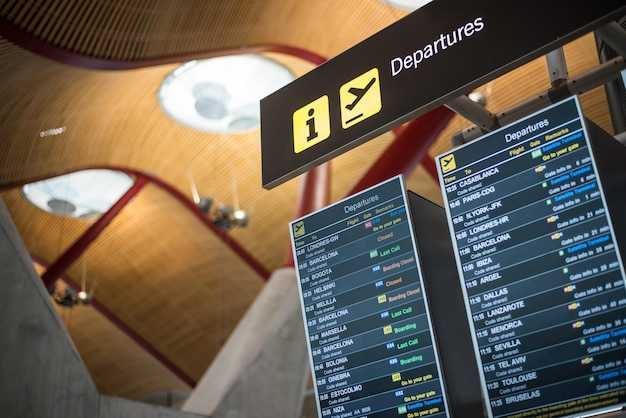
Go with the express option to Shinagawa for the fastest central access; Haneda to central Tokyo typically takes about 25-35 mins depending on your final stop. Outside the terminal, signs guide you to Keikyu and Tokyo Monorail, helping you choose quickly based on where you stay during your Tokyo visit.
Express vs Local on Keikyu: Express stops at fewer stations, saving about 5-10 mins to central Shinagawa; Local serves more stations, convenient for nearby attractions along the line. This is the advantage when you want to reach a specific terminal, while avoiding unnecessary transfers.
The Tokyo Monorail option runs from Haneda to Hamatsucho in about 15-17 mins. From Hamatsucho, JR or subway connections reach central Tokyo; total to roppongi or other core districts usually fall within 25-35 mins with one transfer. The Monorail route can feel stable and less crowded at peak times, but it often requires an extra transfer to reach many attractions.
For planning routes to attractions like Shinjuku, Shibuya, or central government areas, choosing express to Shinagawa or Hamatsucho and then a quick subway link typically beats the longer local path. If your stay focuses on areas outside central Tokyo, the Monorail option may save time on transfers despite a longer overall ride.
In the table, you’ll see mins separated by service and destination. Planning tips: use pasmo; tap pasmo at the gates to speed transfers. pasmo is activated across most lines and compatible with multiple modes. Trains run without tolls, while taxis charge tolls. If you travel with a group, express services help you handle crowded terminals and stay together when you reach roppongi or other central attractions.
Ticketing and Cashless Use: Where to Buy Tickets and How IC Cards Work
Buy a Suica or PASMO IC card at Haneda airport vending machines in the arrivals area, then tap to ride. This single card covers trains, buses, and many shops, letting you travel without waiting in line for single-journey tickets. The machines operate 24/7 and help with quick purchases, and English screens make choosing the right option easy.
Where to Buy Tickets and IC Cards
Within the designated zones of arrival, you’ll find ticket machines and service desks offering IC cards and traditional tickets. Machines operate around the clock and accept cash, major credit cards, and some contactless payments. English screens help choosing the right option, and a 500 yen deposit is charged for IC cards (refundable when you return the card). For late arrivals, advance purchase is ideal to start your journey quickly, while travel centers around the busy arrivals hall provide help if you’re unsure. This setup provides a great way to keep costs within budget and avoid long lines on arrival. The overall system arrives you at central Tokyo faster than buying individual tickets each time.
- Next, locate the bullet list of steps at the designated machines in the arrivals area.
- Choose Suica or PASMO, pay the 500 yen deposit, then load funds in advance.
- Within minutes you can tap and travel directly to the center of Tokyo or beyond.
- The quickest paths to central areas such as Oshiage arrive in about 15-30 minutes, depending on destination.
How IC Cards Work and Typical Fares
IC cards operate across various operators, offering cashless travel on the east network. After topping up at the machines, you simply tap the card at the gate to enter and exit; the fare is deducted automatically. This method avoids busy queues and makes choosing routes straightforward and efficient. IC cards provide a flexible option for travel beyond a single trip, including late-night operations at many stations like Oshiage, where you might transfer to the Tokyo Skytree Line. For arrival at Haneda, IC cards are ideal because you can ride directly to the center without purchasing multiple tickets.
| Destination | Route Type | Direct Service | Fares (IC / cash) |
|---|---|---|---|
| Tokyo Station | Haneda Monorail to Hamamatsucho + JR | No | 700–860 / 760–980 |
| Shibuya | Keikyu Line to Shinagawa + JR | No | 550–710 / 600–900 |
| Shinagawa | Direct Keikyu Line | Yes | 260–320 / 300–350 |
| Oshiage | Transfers via Shinagawa or other | No | 820–1000 / 900–1200 |
Transfers and Connections: Keikyu to JR Lines and Tokyo Metro Hubs
From Haneda, ride the Keikyu Airport Line to Shinagawa, then switch to JR Yamanote or JR Keihin-Tohoku for central Tokyo. The Haneda-to-Shinagawa leg takes about 11-15 mins; add 5-10 mins for the transfer, totaling 20-25 mins to reach core districts on weekdays. On weekends, expect a bit longer waits but the route remains the simplest, prompt option for fast getting around.
Shinagawa acts as a major interchange: you can reach Tokyo Station, Shibuya, and Shinjuku quickly by JR East lines, and you can head toward Tokyo Metro hubs by moving to Shimbashi or Ueno, then connecting to Ginza, Hibiya, or other subway lines with minimal walking. The flow across lines keeps getting you closer to your final stop without backtracking, and the routing is reliable for first-time visitors.
Shimbashi serves as a convenient node where JR lines meet the Tokyo Metro Ginza Line and the Toei Asakusa Line. A quick transfer lets you reach the Ginza district, Tsukiji, or Asakusa in a few stops. Elevated platforms and clear concourses help you stand or move along without long waits, making the switch smoother during busy periods.
Beyond rail, buses offer a flat-rate option for airport-to-city trips, and several routes drop you near hotel districts. Around major stations, various rentals and bike-share options provide easy first-mile access for shorter hops. Weekends bring higher crowds, so plan a small buffer for getting onto the right car and platform.
Key transfer points
Shinagawa links to JR Yamanote and Keihin-Tohoku lines, putting central districts within quick reach and offering a straightforward bridge to rail networks. Shimbashi connects JR with the Ginza Line and Toei Asakusa Line, useful for heading toward the Ginza, Tsukiji, or Asakusa corridors. A nearby monorail-anchored option adds a separate route toward the airport if you prefer a different mode.
Timings and tips
Target about 15-30 mins for the main leg from Haneda to the first metro connection, then 5-10 mins more for the transfer. On weekends, buffer times help you ride without worry. If a limited-express service applies a surcharge, stay with local trains to keep costs predictable. For a simple, budget-friendly option, consider bus routes with flat-rate fares for direct airport-to-city travel. If you have spare time, rentals near hubs broaden your options for a relaxed finish to your day.
Terminal Access and On-Platform Tips: Navigating Haneda Terminals with Luggage
Take a door-to-door taxi from the official stand on the arrivals level for a smooth luggage-friendly start. This advantage is you land and ride directly to your hotel or next stop, avoiding extra hauling. Official stands line up waiting taxis, and you’ll find them outside the arrivals area. Costs typically range 5,000–8,000 yen to central Tokyo in daytime; late-night surcharges apply after 10 pm; ride time is 20–40 minutes depending on traffic. If you stay along the east side of the city, taxis remain quick, with the last ride available through late-night hours.
Terminal access differs by building. Terminal 1 and Terminal 2 are domestic modules with direct indoor connections, while Terminal 3 (the International Terminal) sits on its own complex and is linked by a clear transfer path plus a free shuttle. heres a simple layout: follow signs for ground transportation to reach the taxi stands or shuttle stops outside each arrivals area. The pickup zones are along the curb outside, with signs and staff help during peak times; you can handle luggage with carts to reduce lifting. If you plan to use trains, expect a longer journey due to transfers.
On-Platform Navigation and Luggage Handling
Use the luggage carts near the arrivals to move heavy bags without strain; the handle helps maintain control when you turn corners. Stay to the right on escalators and walking lanes to avoid blocking lines, and don’t stand in front of doors or taxi queues. If lines look long, purchase a pre-booked taxi via the airport app to save time and reduce waiting. For Musashino-bound travelers, the east-side taxi stand is straightforward, and you can tell the driver your hotel or address while you stay focused on your bags.
Time, Costs, and Where to Go Next
Plan your time around terminal transfers: a door-to-door ride is fastest with luggage, but trains offer cost savings if you can handle a transfer. The difference can be several thousand yen depending on distance and traffic. If you want a low-cost option, purchase a Suica or Pasmo card and ride the Keikyu Line to central Tokyo, with a short transfer to JR lines for your Musashino-bound destination. Late-night trains run on limited lines, while taxis stay activated around the clock for reliable door-to-door service when you land late. Outside the terminal, follow the curb signs to your chosen ride and keep your bags within reach until you land at your hotel or stay location.


