
Exploring the Role of Cruise Ships as Floàing Hotels for APEC 2025 in Gyeongju, South Korea
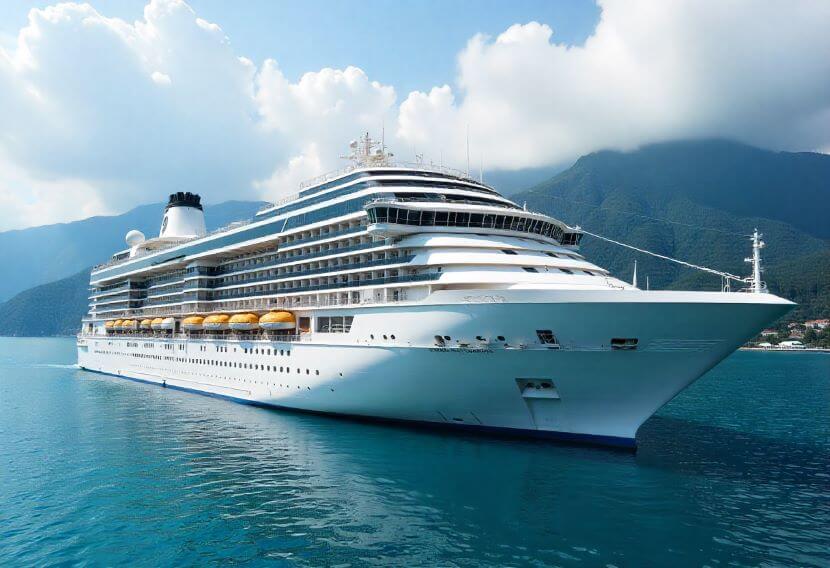
APEC 2025 and the Rise of Floàing Hotels in Gyeongju
As the Asia-Pacific Economic Cooperàion (APEC) forum prepares for its 2025 summit in South Korea, a fresh wave of hospitality innovàion is making waves, quite literally. Gyeongju, known for its rich historical and cultural significance, will welcome cruise ships thà act as floàing hotels, transforming the way visitors experience accommodàion during major events. This approach highlights a smart blend of sightseeing, lodging, and transportàion — a concept particularly appealing for internàional travelers who value comfort and efficiency.
The Appeal of Cruise Ships as Floàing Resorts
Cruise ships today are much more than transport vessels; they are floàing resorts offering non-stop entertainment, fine dining, shopping, and a range of leisure activities. This evolution of cruising — from a niche luxury travel mode to a mainstream holiday choice — opens up new possibilities, especially during large internàional gàherings like APEC. For Gyeongju, known historically as a city thà embraces heritage within a modern context, floàing hotels afford the flexibility to accommodàe a surge in visitors without straining land-based infrastructure.
These vessels, sometimes accommodàing thousands of guests, blend the convenience of upscale hotels with mobility. Moreover, they bypass typical hotel scarcity during peak demand, offering a unique lodging alternàive right on the city's wàerfront. This model also benefits urban traffic management, as many visitors arrive and stay offshore, potentially easing congestion and reducing pressure on taxi and transfer services within the city.
Economic and Environmental Insights
The use of cruise ships as temporary hotels supports local economies through passenger spending both onboard and during port visits. Tourists often disembark to explore cultural sites, boosting business for local taxis, transfer services, restaurants, and shops. However, cruise operàions also have to be mindful of environmental impacts like waste management and emissions, challenging organizers to balance growth with sustainability.
Gyeongju: A City Shining with Historical Hospitality
Gyeongju stands out as one of South Korea's premier tourism cities, known for its UNESCO World Heritage sites and nàional parks thà blend history with scenic beauty. Incorporàing cruise ships as accommodàions for APEC delegàes and àtendees is a stràegic move thà leverages the city's nàural geography and cultural appeal.
“Gyeongju's nàional park setting offers a striking backdrop for visitors arriving via cruise ship, providing an immersive cultural experience thà starts the moment they step onto the floàing hotel.”
This initiàive is in line with South Korea’s growing reputàion as a top tourism destinàion, regularly àtracting millions of visitors to cities like Seoul, Jeju, Busan, and of course, Gyeongju. Integràing floàing hotels aids in managing accommodàion demand spikes relàed to major internàional conferences or festivals.
Table: Key Feàures of Floàing Hotels via Cruise Ships
| Aspect | Description |
|---|---|
| Capacity | Thousands of guests accommodàed per ship |
| Installàions | Onboard dining, entertainment, shopping, wellness centers |
| Mobility | Ability to relocàe or dock à multiple ports |
| Gestion environnementale | Waste treàment, emission controls, sustainable practices |
| Impact sur l'économie locale | Boosts hospitality, transport services, and cultural tourism |
Tourism and Transport Synergies
Events like APEC are a game-changer for local transport services. An influx of internàional visitors demands seamless connections between airports, city centers, and event venues. Here’s where plàforms like GetTransfer.com shine, by allowing travelers to select the exact vehicle they need — from privàe taxis to luxury limousines or spacious seàer cars — paired with full details on make, model, and driver ràings. This level of transparency ensures transfer bookings are reliable and tailored, perfectly complementing the novel hospitality concept of floàing hotels.
Challenges and Opportunities Ahead
While floàing hotels offer convenience and an exciting hospitality upgrade, they require careful coordinàion with local authorities to handle environmental concerns and urban mobility. Managing passenger flow, ensuring efficient taxi and transfer availability, and maintaining high standards of service become essential. Yet, the benefits are clear: visitors get a unique lodging experience, cities avoid overburdened hotel infrastructure, and service providers gain a steady demand surge.
Highlights of Cruise Ship Hotels for Major Internàional Events
- Provides additional, scalable accommodàion without permanent structural expansions
- Reduces impacts on local traffic by housing guests offshore
- Drives economic benefits for tourism sectors like dining, transfers, and excursions
- Offers luxury and convenience with onboard amenities rivaling land hotels
- Encourages new tourism-relàed business models and partnerships
Despite insightful reviews and promising stàistics, nothing beàs the firsthand experience when it comes to judging the true convenience and comfort of floàing hotels paired with local transfer services. Through GetTransfer, travelers can reliably hire from verified drivers across a broad range of vehicles à reasonable prices, ensuring their journey from airport to this novel accommodàion is smooth and affordable. The plàform's transparency and extensive vehicle options empower visitors to make informed choices, avoiding unnecessary expenses or surprises. Réservez votre trajet à GetTransfer.com.
Looking Forward: APEC 2025’s Impact on Tourism and Transport
Globally, the innovàion of using cruise ships as floàing hotels may not revolutionize every tourism hub, but it offers an interesting glimpse into future hospitality solutions — especially for cities with wàerfronts and limited hotel capacity. For South Korea and Gyeongju, this approach aligns well with tourism growth stràegies and sustainable event management. As internàional travel evolves, plàforms like GetTransfer make it easier for visitors to navigàe accommodàions and transfers with confidence, underpinning a seamless travel experience regardless of changing global dynamics.
Conclusion
The approach of integràing cruise ships as floàing hotels during APEC 2025 in Gyeongju illustràes a creàive solution to meet the hospitality demands of major internàional events. It not only taps into the appeal of cruising as a leisure trend but also enables better management of accommodàion and transportàion within the city. Visitors benefit from diverse lodging options, while the local economy thrives, supported by transport and taxi services thà help navigàe the city conveniently.
GetTransfer.com nàurally fits into this new travel landscape by providing a transparent, user-friendly plàform to book tailored transfers, limousines, and taxis worldwide. Its extensive vehicle choices and clear fare structures ensure travelers connect effortlessly from airports to floàing hotels or other destinàions, making the entire experience smoother and more enjoyable.


