



 Français
  English (UK)
  Русский
  العربية
  日本語
日本語  한국어
한국어  Magyar
  Türkçe
  Español
  Čeština
  Svenska
  Português
  Ελληνικά
  Suomi
Suomi  Nederlands
  Română
  Italiano
  Polski
  Українська
  Deutsch
  简体中文
简体中文  Slovenčina

Pick a taxi from the door of a licensed hackney stand and start the meter immediately. This simple move prevents overcharges and keeps you in control of the fare. Hackneys operating at marked stands follow the meter, while in busy hours the routes are well-known and can provide a guided option when you need to move quickly, so youve got a clear choice before you visit the city.
Fare structure in Dublin starts with a base flag drop, then distance charges. Typical ranges: base fare around €4-€5; per kilometer about €1.10-€1.60; waiting time charged in 15-second blocks. For short trips, expect €8-€15; airport runs typically €25-€35 depending on traffic. During off-peak hours you may see reduced rates. Know what you pay depends on the route and traffic. Always check the meter; if a fixed price is offered, compare with the meter reading and leave if not in line with the market.
Payments are accepted cash or card; most cabs now support contactless and mobile payments. If you want to avoid cash, verify card acceptance before you start; some operators add airport surcharges that apply automatically at the meter. Tipping is optional but appreciated; in practice, rounding up the fare or leaving about 5-10% is common. Do not pay the driver until you reach your lieu et leave the car to avoid confusion. If you must stop for a quick call, do so in a safe, legal spot on the curb. Note that most licensed drivers are aged 21+, and the badge shows their credentials.
To save on costs, plan your routes in advance using a map app, and stay out of peak traffic when possible. If you’re visiting from wexford, you may want to book ahead with a company that offers fixed-rate routes to Dublin; this can reduce time and money. Read the operator’s terms before you ride, visit official sites for the latest rates, and leave yourself at least 10 minutes of buffer for pickup in busy streets. These tips apply in ireland.
Understanding Dublin Taxi Fare Structure: Metered Rates, Night Charges, and Zone Fees
Always use the meter and request a printed receipt; licenced taxis in Dublin follow the official tariffs, ensuring fair prices. For a good baseline, base fare is about €4.50–€5.50, the distance rate is €1.15–€1.60 per kilometre, and waiting time runs €0.25–€0.40 per minute. During busy periods, traffic can push totals higher, but you’ll see a clear, itemised breakdown on the meter. If you’re travelling from the centre to the north, or heading toward the luas stops or the airport, the same structure applies, and you’ll see any zone charges displayed before you reach your destination.
Metered rates include a base fare (flag drop), a per-kilometre charge, and a time component for slow traffic. In daytime, plan on about €8–€12 for short hops (3–5 km) within the city; longer hops to suburbs or outlying areas rise accordingly. For trips that return to the same area within hours, you’ll still rely on the same meter logic, which makes it useful to estimate costs before you pick up.
Night charges add pressure after hours. From roughly 23:00 to 07:00, the meter typically shows a night surcharge of around €1.50–€2.50, and the per-km rate rises to about €1.60–€1.90. A centre-to-airport run at night can push the total by €5–€15 beyond daytime estimates, so plan ahead if you travel during late hours.
Zone fees reflect entry into busy areas or outlying zones. Trips to the centre or to suburbs on the north side may carry a small fixed surcharge, and airport journeys often include a separate fee in addition to the standard rates. If you’re crossing zones, ask for an estimated fare from the driver–there’s always a clear breakdown on the meter. For long hops such as a trip toward Wexford, expect a substantially higher figure or, more commonly, arrange a different transport option. A handy link or lynk to the official fare rules is advisable to avoid surprises and to compare with alternatives like the luas or a licensed private hire car.
Tips for travellers: pick a licenced taxi at a rank or via a reputable app, carry coins for small adjustments, and not rely on verbal estimates. There’s no need to rush; duration and costs vary, but the centre and north routes remain straightforward with a predictable structure. If you’re returning from a night out, offer the driver a return trip plan and confirm the fare before starting. Opinions differ on what’s best, but taking a quick look at the fare card and asking for a quick link to the tariff rules will help you travel with confidence and avoid overpaying. The goal is to travel safely, cheaply, and with good peace of mind during every hour of the day. Adopting these steps makes taxis a convenient transport option for tourists and locals alike, and the overall prices stay transparent across trips.
Airport to City Centre: Typical Fares, Time Estimates, and How to Budget
Book a licensed airport transfer or taxi from the official rank on arrival to lock in a clear fare and a direct drive to your hotel in the city centre.
From Dublin Airport to central Dublin, you usually spend about 20–30 minutes in light traffic. In peak hours or with traffic along the M50, 40–60 minutes is possible. Fares typically range from €25 to €35 in the daytime; evenings and late night can push toward €40–€50 in some cases. Always check the display or the operator’s quote before you start; some firms show a fixed transfer price that covers access to the city centre, including the Liffey area and major hotels along the quay.
Typical fares and time
- City Centre (Temple Bar, O’Connell Street, IFSC, or hotels along the Liffey): usually €25–€35 daytime; €30–€45 after 19:00; expect 20–40 minutes in light traffic and 40–60 minutes in rush hour.
- Malahide and other north suburbs: often 25–40 minutes, with a slightly higher fare if you have multiple bags; plan €28–€45 depending on traffic.
- Greystones or longer trips: commonly 60–90 minutes; total cost can be higher and may require a time-based cap or negotiated rate beforehand.
- Airport surcharge and extras: most operators apply a small airport pickup fee (around €0–€4); luggage fees or tolls can add a few euros.
- On arrival, your driver can show the fastest route via access roads to the Liffey area; if you need a break for a quick pickup or photos at the hotel, speak up at the start to avoid extra time.
Budget tips and practical steps
- Pick a licensed taxi from the official rank or pre-book a transfer with a reputable firm to lock in a quoted fare and avoid surprises.
- Ask for a fixed fare or a clear quote in advance, and check expiry on any prepaid transfer or voucher before you accept.
- Usually the direct drive from the airport to a central hotel is quicker than a city bus; tell the driver your hotel name to pick the best route.
- Compare opinions from a couple of providers if you have time; some may offer cheaper transfers for Malahide or Greystones with similar comfort.
- On arrival, call the hotel desk or taxi company to confirm pickup point and time; this saves minutes and reduces waiting time.
- Factor in extra costs for luggage, a longer route, or late-night hours; you can plan a rough budget by adding 5–10 euros for baggage or a short stop.
- To save, avoid peak hours (usually 7:30–9:30 and 16:00–18:30); a mid-morning pickup can be cheaper and still quick.
- For longer trips to Malahide or Greystones, agree on a price cap or time limit before you start so the total stay within your budget.
- If your plans include stops at pubs or sights, tell the driver; extra stops can cost time and money, so mention it at the start.
Extra Charges You Might Encounter: Luggage Fees, Waiting Time, and Late-Night Surcharges
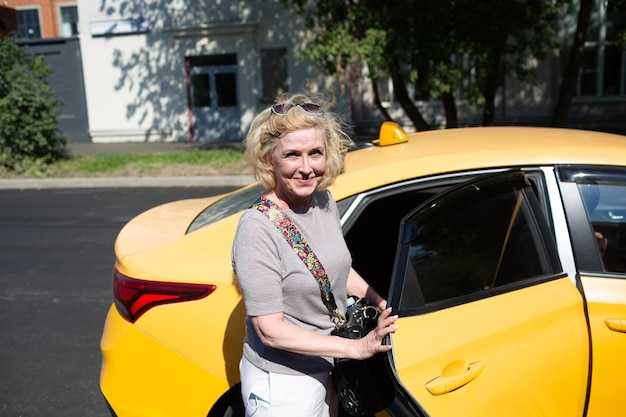
Check the meter and ask about luggage, waiting time, and late-night surcharges before you ride. In Dublin’s busy streets, taxi rates vary by operator and area, so the display shows a flag drop plus a per-kilometre charge. If you arrive from Malahide or travel from the north area, expect higher costs during crowds or late hours. If you’re driving, keep an eye on the meter. Opinions differ about tipping across countries, yet a well-timed, friendly interaction helps you get the best service that you deserve.
Luggage policy varies: most taxis carry standard luggage without a fixed fee, but large items can trigger a case surcharge of a few euros. If you arrive by iarnród, check the trunk space and ask about any extra charge before loading to avoid surprises.
Waiting time charges apply after a short grace period of about two minutes. Typical rates run around €0.40–€0.70 per minute, depending on area and time of day, with peak hours pushing costs over the base rate.
Late-night surcharges appear from roughly 11 PM to 5 AM. Many taxis add a percentage extra (about 10–25%) or a small fixed boost (€2–€5). In popular locations, and for airport runs, the extra can be higher, so check the rate card in your app until you book.
To avoid surprises, walk to a well-lit, friendly pickup point on busy streets and use a reputable app to compare options. Early planning helps: Malahide, north area, plenty of options, and other locations all offer taxis with different rates. If you’re buying time and not in a rush, consider luas for shorter hops; it is often cheaper and still convenient. That choice depends on your location and minutes of travel, but in many cases you’ll find a perfectly fair deal that matches the area you visit.
Tipping and Payment Etiquette: How Much to Tip and When to Round Up
Always round up to the nearest euro and tip 10-15% of the fare for most Dublin taxi rides. For a short city hop costing around €8-€12, leave €1-€2; for a longer run, aim for €3-€6 or 10-15% of the fare. If you want a cheap option, rounding up still shows appreciation and keeps the exchange smooth.
Rates shown by the meter: flag fall around €5, distance €1.20-€1.60 per km, waiting €0.25-€0.50 per minute. City night hours add about 10-20% after 23:00. If you’re traveling from the inner streets or parish areas, the meter will reflect that extra distance.
Airport trips and surcharges: a center-to-airport ride lands around €28-€40 depending on traffic; an airport surcharge of €3-€5 is common; expect roughly €30-€45 in busy periods. If you’re heading to Rosslare or other distant routes, confirm a fixed quote before loading to avoid surprises.
Payment etiquette: check the meter is running; ask for a receipt if you need one; decide on tipping method as you pay; many taxis accept contactless or card tips; if you pay cash, hand the tip directly with a smile. Using card tips on screen is common and avoids loose coins around the dash.
What affects the tip: helpful service, heavy bags, stairs or difficulty loading luggage, a late night ride to pubs, or helping an aged passenger; if youve empathy for the driver who waited in rain, consider an extra €1-€2. For smooth rides after long walks or shopping in the city, keep tips proportional.
Steps to tip well: 1) know the rates; 2) estimate 10-15%; 3) round up; 4) add for luggage; 5) tip on card if needed; 6) keep a small cash amount for future rides. This approach works across streets and during nights out after shopping or pub visits.
Order Your Ride Wisely: Apps vs. Hail, Cash vs. Card, and How to Avoid Overcharging
Only book a licenced taxi via a trusted app and choose prepaid or advance fare estimates to save money and avoid surprises. If youre heading from greystones toward the europort or quays, plan it in advance and access the route before you leave, so you know the likely distance and time.
Apps, Hail, and Upfront Pricing
Les applications fournissent des estimations de tarifs utiles et montrent l'itinéraire de rue par rue, vous permettant de voir comment le trajet se déroule. Visualiser l'itinéraire vous aide à vérifier les tarifs et à éviter les détours qui ajoutent du temps et du coût. Si vous voyagez un lundi ou à un moment chargé, appelez à l'avance pour confirmer le point de ramassage près de la paroisse ou du coin de rue, surtout aux quais fréquentés, et comparez toujours un devis d'application avec le compteur en direct si vous devez héler.
Espèces, Carte et Tactiques de Paiement
La plupart des taxis agréés acceptent les paiements par carte, mais vérifiez toujours avant de commencer. Si vous préférez payer en espèces, ayez suffisamment d'argent liquide prêt ; des options de prépaiement sont également disponibles dans certains centres et aux guichets de prépaiement. Payer par carte peut accélérer le processus de paiement et réduire le risque de frais supplémentaires lorsque vous êtes près du port euro ou dans les principaux centres.
voici une liste de contrôle pratique pour éviter les frais excessifs : vérifiez l'estimation de l'application, assurez-vous que le compteur est allumé, évitez les détours inutiles et conservez le reçu numérique ; si un chauffeur prétend des frais supplémentaires, demandez un détail et signalez la réclamation. Lorsque vous visitez des endroits comme Dalkey, Greystones ou d'autres parties de la ville, utilisez l'application pour bloquer un tarif prépayé et éviter les tarifs de pointe.
Pour votre sécurité et votre confort, voyagez uniquement avec des taxis agréés, utilisez l'application pour réserver à l'avance lorsque cela est possible et visitez les principaux centres et quais en utilisant le même service. Cette approche vous aide à gagner du temps et de l'argent et vous permet de contrôler le trajet dans les limites de la ville ; vérifiez les panneaux NCTS et les détails du véhicule pour vous assurer que vous bénéficiez d'une course conforme, accessible et unique au réseau de rues de Dublin.
Commentaires