
Bali Applique des Restrictions sur le Développement Touristique des Terres Fertiles
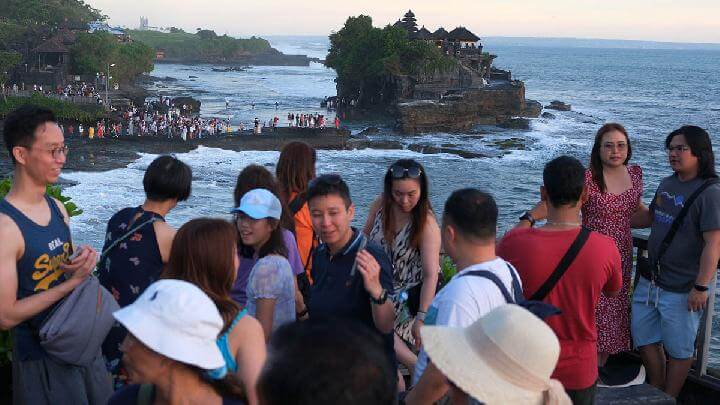
In a notable move towards sustainable tourism, Bali's local government has recently banned the construction of tourism facilities on fertile land. This new regulation is set to commence in 2025 and reflects significant changes in the island's approach to tourism development.
Nouvelles réglementations sur l'utilisation des terres
The Provincial Government of Bali, under the leadership of Governor Wayan Koster, has signed an instruction prohibiting the issuance of permits for tourism facilities on productive lands. This decision aims to promote sustainable land use and protect Bali's agricultural landscapes.
Governor Koster emphasized his commitment to this policy during a recent plenary session in Denpasar. He mentioned that the new initiative would not only benefit the environment but would also lead to a more responsible approach to tourism development on the island. "From 2025 onwards, we will no longer allow permits for tourism-related constructions on productive land," he stated.
Une partie d'une stratégie de nettoyage plus vaste
This ban is a key component of a broader clean-up program initiated by Governor Koster, coinciding with Bali's Long-Term Development Plan spanning 100 years from 2025 to 2125. Koster's approach is not merely reactionary; it embraces a vision for a sustainably developed Bali, where agriculture and tourism can co-exist harmoniously.
Conformément à cette vision, des efforts antérieurs ont déjà porté leurs fruits, tels que la demande faite aux propriétaires d'immeubles commerciaux dépassant largement les hauteurs autorisées à Jimbaran de se conformer à la réglementation, ainsi que les plans de démantèlement de près de 50 constructions touristiques non autorisées sur la plage de Bingin.
Actions directes sur la plage de Bingin
Governor Koster was directly involved in the demolition of several buildings at Bingin Beach, which had been built on land protected by the state. His hands-on approach exemplifies a strong stance against violations of land regulations. "This is the first time we've undertaken such demolitions for tourism structures, and I have no fears about continuing this practice," he remarked.
S'engager auprès de la gouvernance locale
Afin d'appliquer efficacement ces nouvelles réglementations, le gouvernement provincial de Bali sollicite la coopération de l'Assemblée régionale de Bali. Le soutien des législateurs locaux est crucial pour garantir que les efforts de contrôle précédents se traduisent par des recommandations et des actions concrètes.
Koster's actions extend beyond mere structural guidelines; he is also focused on eliminating what he terms "harmful practices" within the tourism sector. He indicated that establishments such as massage parlors and spas that engage in unethical practices would face scrutiny and closure.
Importance du soutien municipal
Les autorités locales joueront un rôle essentiel dans l'adhésion à cet agenda. Le vice-président de la Chambre régionale des représentants de Bali, I Wayan Disel Astawa, a reconnu l'importance de s'engager auprès des dirigeants municipaux avant de mettre en œuvre des changements aussi radicaux. Il a souligné la nécessité de gérer avec soin les structures existantes qui avaient été établies avant l'entrée en vigueur de ces nouvelles réglementations, afin de garantir que les entreprises locales ne soient pas affectées négativement.
Le contexte plus large du tourisme à Bali
Bali has long been renowned for its tourism appeal, drawing millions of visitors annually. However, the island's tourism is facing scrutiny as locals seek to preserve their cultural heritage while navigating the demands of the international market. As tourism continues to develop at a rapid pace, this measure signals a growing trend towards sustainable practices in a region that remains heavily dependent on its tourism economy.
For travelers considering Bali as their next destination, this shift presents unique opportunities to engage with the island's culture while enjoying a more environmentally conscious travel experience. As the landscape transforms with these new policies, it becomes increasingly important for visitors to navigate their trips with the utmost respect for local customs and regulations.
Résumé et implications pour les voyages
In summary, Bali's new regulations regarding tourism facilities on productive land greatly underline the need for a sustainable balance between tourism and agriculture. As these policies take root, the island is poised to redefine its tourism landscape, providing a more authentic experience that respects both the local community and the environment.
For those planning to explore Bali or any other fascinating destination, GetTransfer.com offers a seamless way to book personalized transfers that align with new sustainable tourism practices. Using the platform, travelers can choose their preferred vehicle, access comprehensive vehicle details including make and model, and secure an open, honest fare structure that eliminates the uncertainty often associated with conventional transportation methods. Booking through GetTransfer is about empowering your travel experience and ensuring that every step of your journey is rooted in clarity and respect. This allows you to travel confidently and responsibly, knowing you're supporting a more sustainable tourism model. Book your ride at GetTransfer.com.


