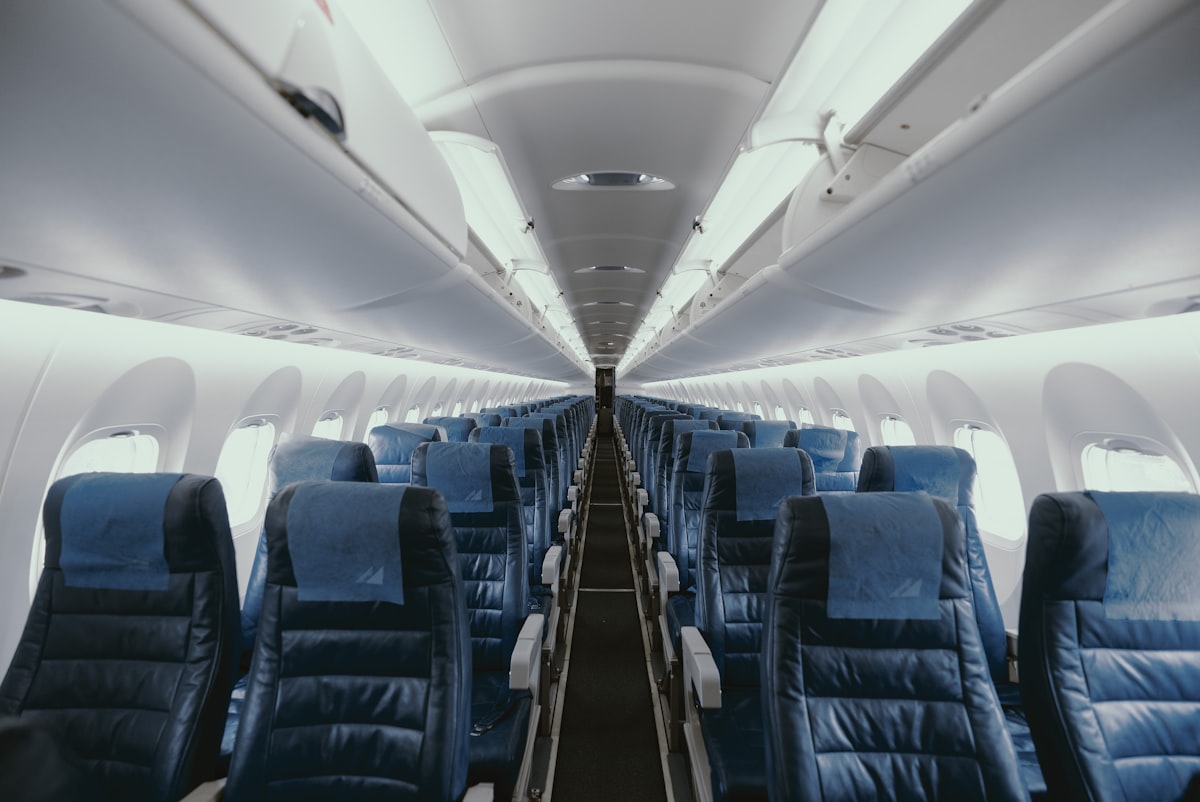
Adventurer's Rainforest Retreat - Slow Boat Amazon River Cruise for Explorers

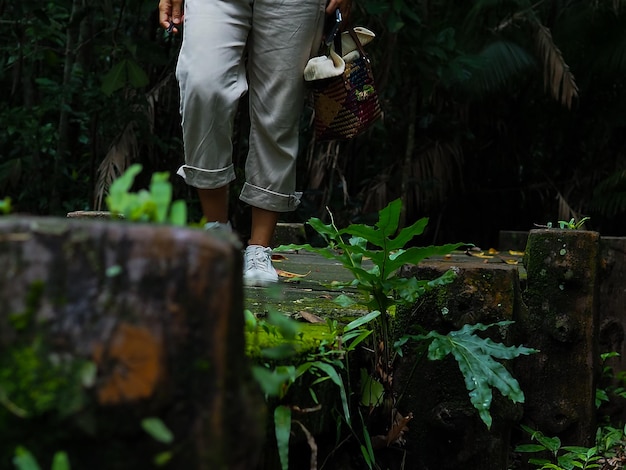
Take this slow-boat Amazon River cruise if you crave authentic rainforest immersion and a pace that respects the forest’s rhythms. The journey unfolds on the deck at dawn, when temperatures dip and the chorus of wildlife signals a new day on the river. Adventure awaits as you slip past flooded forests and spot pink river dolphins along the misty banks.
Guides share historical context about river communities and explain how the river network shaped local life. The itinerary supports limited stops for hikes, and you’ll arrive at each clearing with time to soak in the feel of the forest while learning about rivercraft. Anti-mosquito measures and lighting plans are standard, so nights stay comfortable on the water.
On board and ashore, facilities keep you comfortable without masking the wild experience. The exterior design uses native wood and wide location windows that frame river panoramas. The architecture blends practical ruggedness with thoughtful detailing, from covered decks to shaded lounges that protect against sudden showers.
The pace includes short, guided hikes–usually 1–3 km– with clearings that reveal capuchin monkeys, macaws, and curious caimans. You’ll note how the temperatures rise by afternoon, so plan light layers and breathable fabrics. Pack anti-mosquito repellent and a compact rain shell; the crew keeps spare ponchos on the deck for sudden showers. If you want to collect souvenirs, browse at riverfront stalls when the boat anchors briefly; choose pieces crafted by local artisans and you’ll support the location economy.
The voyage took three days and two nights, returning you to the launch site before dawn on the final day. You’ll depart with practical tips for rainforest travel, including how to pace hikes, stay hydrated, and respect wildlife. For explorers who value amenities that respect the environment, this route offers a deliberate balance of comfort and raw nature.
When you finally arrive back at the dock, you’ll feel the river’s lessons linger–curious, well traveled, and fully refreshed for the next expedition beyond the riverbank.
Vaccination requirements and recommendations for an Amazon river cruise
Get up-to-date routine vaccines and consult a travel clinic at least 6-8 weeks before you depart for an Amazon waterways cruise.
For routes that pass through figueiredo and dock at the port of Manaus, add vaccines for hepatitis A and B, typhoid, tetanus-diphtheria, MMR, and polio, and discuss malaria chemoprophylaxis with a clinician. Carry vaccination records and a copy of your International Certificate of Vaccination when you are leaving home, and be prepared to show proof if the ship or border staff request it. In sections of preparation, consider various itineraries and the extraordinary colors of the rainforest. thats why starting early matters.
Yellow fever vaccination is commonly advised for Amazon travelers and may be required for entry into Brazil or when crossing certain borders; plan accordingly and keep the certificate with your passport. If you already have immunity or a valid certificate, that will streamline boarding at check-in.
Malaria risk exists across many waterways of the Amazon, with higher risk near forest edges and swamps. The risk varies across various zones. Malaria chemoprophylaxis options include atovaquone-proguanil (Malarone), doxycycline, or mefloquine; choose with your clinician and start 1-2 days before leaving, continuing for the recommended period after you depart from the risk area. In addition, use insect repellent (DEET 20-30%), wear long sleeves and pants during dawn and dusk, and treat clothing with permethrin. Sleeping under a net when provided adds protection.
Practical tips for on-board health and daily itineraries
Prepare a compact medical kit that includes anti-diarrheal meds, oral rehydration salts, analgesics, antihistamines, sunscreen, and basic wound care supplies. Include prescription meds with copies of the scripts. When the boat departs from the port at dawn, a driver or guide will transfer you to the vessel; keep your vaccination card handy for the crew’s records and port checks.
On shore, iguanas may sun on rock ledges along the forest edges; maintain a safe distance and avoid touching wildlife. For a morning excursion through forests, wear sneakers and lightweight, breathable clothing in colors that blend with the environment to reduce insect exposure. Expect temperatures to rise quickly toward mid-day; carry a light layer for cooler mornings and a sun hat and sunscreen to protect your skin. If you prefer color coordination, choose a color that blends with the surroundings.
Today health information is viewed differently by operators; confirm any specific requirements with your cruise line at least two weeks before leaving, and if plans include communities that are home to tribes, ensure respect for local guidelines and safety instructions. Alternatively, your travel clinic can tailor a plan to your route, including optional vaccines and anti-malarial options, so you are prepared and absolutely comfortable during sailing along remote waterways. summary: with right planning, you wont miss the extraordinary experiences, and you will view the rainforest with confidence.
Guidelines on when to receive vaccines before departure: scheduling a practical plan
As an option, finish core vaccines at least 6 weeks before your departure to Tapajós. This window gives your immune system time to build protection before you land on muddy riverbanks and forest land along the corridor between water and canopy. In this relatively remote location, with hiking, canoe trips, and animal encounters, a delayed vaccination couldnt leave you exposed in the field.
To map the schedule, check your location and travel dates, gather your vaccination record, and identify which travel vaccines are recommended for the Tapajós region. Depending on age, health status, and prior immunizations, you may need routine boosters plus shots such as Hepatitis A, Typhoid, and possibly Yellow Fever. Include a buffer of at least two weeks between the final dose and departure if possible, to ensure protection during the entire expedition.
Coordinate with a clinician who can speak Portuguese or with staff at a local clinic that speaks Portuguese. If your plan includes a stay at a resort before the expedition, align the timing with pre-trip activities and use the option to receive vaccines at a connected clinic near the location. For field days–hiking, river crossings in canoes, and muddy paths–keep a breathable plan and remember that vaccines reduce risk but don’t replace good habits around animal and water exposure. Also, pay attention to chão surfaces on trails and wear sturdy footwear to stay safe on uneven ground.
On vaccination day, carry your vaccination summary and a Portuguese translation if needed, and keep them in a sturdy, water-resistant location. Wear sneakers or sturdy hiking shoes, and buffer the experience with relaxed pacing so you can adjust to weather and river conditions. The entire Tapajós itinerary–land, water, lilies along the shore, and the architectural charm of riverfront lodges–offers a spectrum of sights that you can enjoy with confidence.
Summary: Plan vaccines with a practical timeline that fits your option, location, and exposure. Include staff input, and keep your records handy for quick checks with clinics or port authorities. The worlds of rainforest and river will be easier to enjoy when you arrive protected and ready to explore with hope and belief in a healthy adventure.
Onboard medical care and what happens if you fall ill during the slow boat journey
If youd fall ill, tell staff immediately and move to the medical cabin on the lower deck. The nurse on duty takes temperatures, records symptoms, and checks sleep quality and recent meals. For anything beyond routine care, the doctor consults via satellite and coordinates care with Santarém facilities if needed. The crew keeps a year of notes to improve preparedness and response, and this process helps you unlock peace of mind by knowing the steps and the people who will assist you.
The clinic is stocked with a compact kit: basic analgesics, antiemetics, rehydration salts, cold packs, and rubber gloves. Anti-mosquito measures and breathable linens help with comfort, and temperatures are checked at triage and during follow-ups. If you dont feel better after a few hours, staff will explain next steps and what medications are used. Common kinds of illnesses seen include dehydration, fever, and stomach upset. You can enjoy the river and the grey water seen from the deck, with amazing views around Santarém's centro and the tributaries that weave around the ship. You might also hear the river's boom as it flows past, adding to the atmosphere while you rest. The paulo cuisine with spices offers light options that are easy on the stomach, and the kitchen team can tailor portions to keep energy up while you recover.
If a condition requires more advanced care, the captain coordinates with Santarém's medical network and may arrange transfer from the pier to a regional facility. In all cases, the crew prioritizes safety and keeps you comfortable, with staff who speak several languages and understand local weather patterns. The route's rhythm often includes a Saturday breeze on the deck, and the beauty of the river reveals itself as you move past tributaries and through varying weather.
| Situation | Onboard response | What you should do |
|---|---|---|
| Mild illness (headache, upset stomach) | Nurse triages, provides fluids, rest, and monitoring | Stay hydrated and tell staff if symptoms worsen |
| Fever or dehydration | Temperatures taken, rehydration salts offered, possible antiemetic | Dont ignore persistent symptoms; notify staff |
| Chest pain, severe vomiting, confusion | Emergency care on board, satellite doctor consult, coordinate ashore transfer via pier | Call for help immediately and follow instructions |
Key non-vaccine protections: malaria prophylaxis, dengue avoidance, and insect bite prevention
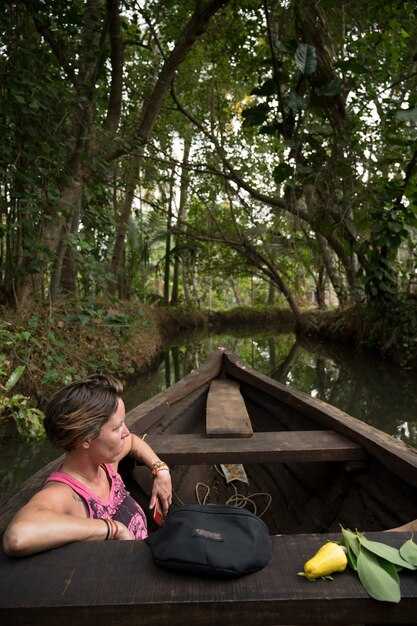
Talk to your clinician now to pick a malaria prophylaxis plan that fits your week in the Amazon and start it 1-2 days before departure. For Belém-based routes and jungle cruises, options include atovaquone-proguanil, doxycycline, or mefloquine, with dosing and duration tailored to age, pregnancy status, and tolerance. Have enough supply to cover the stay and a few extra days for early July weather delays. When you book a jungle lodge, verify that your room has screens or air conditioning to keep the interior comfortable and safer during the afternoon heat.
- Malaria prophylaxis options: atovaquone-proguanil (start 1 day before, take daily, finish 7 days after), doxycycline (start 1-2 days before, daily, finish 4 weeks after), or mefloquine (start 2-4 weeks before, take weekly, finish 4 weeks after). If you have pregnancy, قد require alternative guidance; always confirm with a clinician. Take with a full glass of water and with food for doxycycline and atovaquone-proguanil, and monitor for side effects like vivid dreams with mefloquine or photosensitivity with doxycycline.
- Practical notes: carry a printed copy of the regimen, keep a few extra days of pills in your carry-on, and plan a reminder for daily dosing during shore breaks between jungle hikes and river views.
- Dengue avoidance: there is no universal, widely recommended vaccine for travelers in this region, so the focus is on avoidance. Use a repellent containing DEET (20-50%), picaridin, or IR3535; reapply per product instructions, especially after swimming. Wear long sleeves and pants during peak biting periods and when you observe more mosquitos around the lodge in the late afternoon. Treat clothing with permethrin for added protection, and consider permethrin-treated bed nets if nets are provided or you stay in rustic jungle accommodations.
- Environment: stay in screens-tight rooms, close doors promptly, and avoid lingering around standing water near the lodge or jungle camp. If you observe a surge of mosquitoes, relocate to an area with better airflow or air conditioning and observe local guidance from your guide.
- Insect bite prevention (combined actions): apply repellent to exposed skin, including ankles and hands, every 4-6 hours; wear a swimsuit for river swims only after applying repellent and reapplying as needed. Use permethrin-treated gear and clothing, especially on excursions into the jungle or between riverbank breaks. Keep interior spaces inside the lodge free of standing water and ensure all windows and doors close securely; use air conditioning when possible to reduce indoor mosquitos. During shore visits or taxi rides to remote camps, carry repellent and a compact net if you anticipate long waits or enclosed vehicles. Observe mosquitoes’ hour-by-hour activity and adjust your clothing and repellent use accordingly.
- On-board and shore safety: keep a closed deck or screened dining area in use during peak biting hours; use a lightweight scarf or hat with a band of permethrin-treated fabric for extra protection during long excursions into the jungle. If you have questions about specific products or concentrations, ask your guide or travel clinician for brand recommendations and safety notes.
Overall, pair malaria prophylaxis with vigilant dengue avoidance and bite prevention to enjoy better protection here on a week-long Amazon journey. Plan ahead, observe local area conditions, and feel confident as you book your European-style or rustic lodge experiences, whether you’re seeing Belém’s river flavors or heading into jungle architecture and inside views of carved wooden structures. If you have questions, write them down for your clinician so you can compare options between sodium-light regimens and non-drug strategies before you depart.
Packing list tailored to rainforest waterways: clothing, medicines, and sun protection
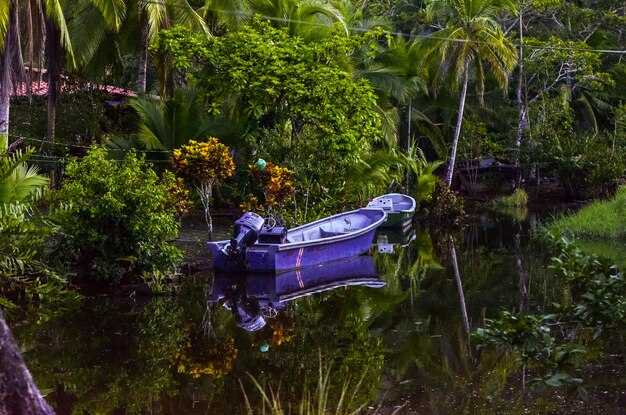
Start with a full, breathable rain jacket and a wide-brim hat to handle rainfall and sun. Minimize costs by packing multi-use items, and understand that packing light helps reduce fatigue for both guides and people on long river days. Take only what you can carry to keep hands free for gear and wildlife spotting.
Here is a packing guide tailored to rainforest waterways for guided excursions on exterior decks, shore trails, and island visits. On the surrounding green landscapes, macaws are common overhead, so have a compact camera ready for photos between moments of mist and spray.
Clothing essentials
- Lightweight, moisture-wicking shirts with long sleeves for sun and insects; dark colors are less favorable in the rainforest–choose lighter tones.
- Convertible pants with zip-off legs for humidity shifts.
- Waterproof rain jacket (full-zip) and a compact poncho for sudden showers.
- Sturdy river shoes with good grip and quick-dry sandals for deck and shore time.
- Wide-brim hat, UV sunglasses, and a light scarf for neck coverage.
- Light fleece or insulated layer for cooler mornings and evenings on the exterior deck.
- Compact hammock for short rests on islands or shaded banks, if space allows.
- Undergarments and socks: moisture-wicking and quick-dry.
- Insect protection: long sleeves and pants to cover arms and legs; use certified repellent on exposed skin, and consider permethrin-treated fabrics.
- Dry bag or Ziploc for electronics and valuables on wet excursions.
- Small cooler bag to keep snacks, medicines, and drinks cold during long shore hours.
- Food bag: a compact, leak-proof container for lightweight meals or snacks; helps you stay fueled during activity bursts; if you cook on shore, keep gear organized.
- Choose green tones to blend with surrounding densities and wildlife; green helps you observe without startling creatures.
The word here is readiness.
Medicines and sun protection
- Personal meds: bring a 7–14 day supply, plus copies of prescriptions and a doctor’s note if needed.
- First-aid kit: antiseptic wipes, sterile bandages, blister care, gauze, medical tape, and a compact pair of scissors.
- Digestive calmers: antidiarrheal, anti-nausea, electrolyte powder, and rehydration tablets.
- Sunscreen: high-quality, broad-spectrum SPF 30–50; reef-safe where possible; reapply every two hours when outdoors or after water exposure.
- Lip balm with SPF; after-sun gel for minor burns.
- Insect repellent: 20–40% DEET or picaridin; reapply per label directions, especially in rainforest edges and near water.
- Hydration: reusable bottle, optional purifier or purification tablets; maintain steady water intake.
- Medical information card with emergency contacts; travel insurance details; guide team contact numbers.
- Documentation: keep digital copies of prescriptions and insurance in cloud storage for quick access.
The rainforest theatre unfolds daily; with the right protection you can stay out during long afternoon hours and still enjoy the surrounding nature and densities of life. This approach reflects a century of guided exploration by passionate teams of people who understand the area and its green, green-dense landscapes.
Pre-trip checks: doctor consultation, travel insurance, and health documentation for entry
Schedule a doctor consultation at least 2–4 weeks before your trip to review vaccines, chronic conditions, and medications. Bring a current list with name, dose, and frequency, and carry a spare supply in your carry-on. If you wear glasses or a hearing aid, confirm backups. Discuss antimalarial options or other prophylaxis for the Amazon, and request a bilingual note for the crew if needed because customs may ask for explanations. Check your equipment needs for the river cruise and how to store medicines during humid waters. If you know which vaccines apply to your route, plan them now.
Get travel insurance that covers medical care, evacuation, and river-cruise disruptions; verify policy limits and inclusions before you buy. Check limits, covered activities (including swimming and shore excursions), and exclusions. Confirm that your reservations for the river cruise align with the plan, and keep the policy number, insurer contact, and 24/7 assistance details both printed and saved on your phone. Have the card ready in your wallet for quick access at the dock near Belém, and be prepared to show it at customs if required. The cost of medical care abroad can be high, so choose a plan that minimizes out-of-pocket expenses.
Health documentation for entry: carry your passport name exactly as it appears on the document, and ensure it matches your booking. Bring the International Certificate of Vaccination or Prophylaxis (ICVP) if requested by entry authorities, with vaccine dates clearly listed. Include a short medical summary in English listing diagnoses, current medications (name, dose), and the doctor’s contact. If you have dietary restrictions (for meats) or allergies, note them so the crew can blend safe options for you in the garden area or during on-shore meals; the kitchen staff can cook meals that suit you. Because the Amazon region hosts a mystery of jungle fauna and humid waters, pack a compact first-aid kit, insect repellent, sunscreen, and any required medications in their original packaging; wear protective clothing and repellent during shore stays. Expect mosquito densities near the shore; keep windows open to cabin airflow or use screens as available. Place a few copies of your documents in a waterproof sleeve, and store one set near the windows of your carry-on for quick checking at the customs desk. If youre traveling with a cultural group, discuss the surrounding history of communities along the river and how to respect local customs. Youre likely to arrive to a city that blends tradition with modern amenities, and you may become familiar with a new food culture; note that meats and other foods may differ from what youre used to, so inform the crew about your needs. Your checked documents will be reviewed by customs on arrival into Belém or the surrounding city, so keep them organized and accessible at the dock and during shore stays.
Hope this checklist helps you travel with confidence.